

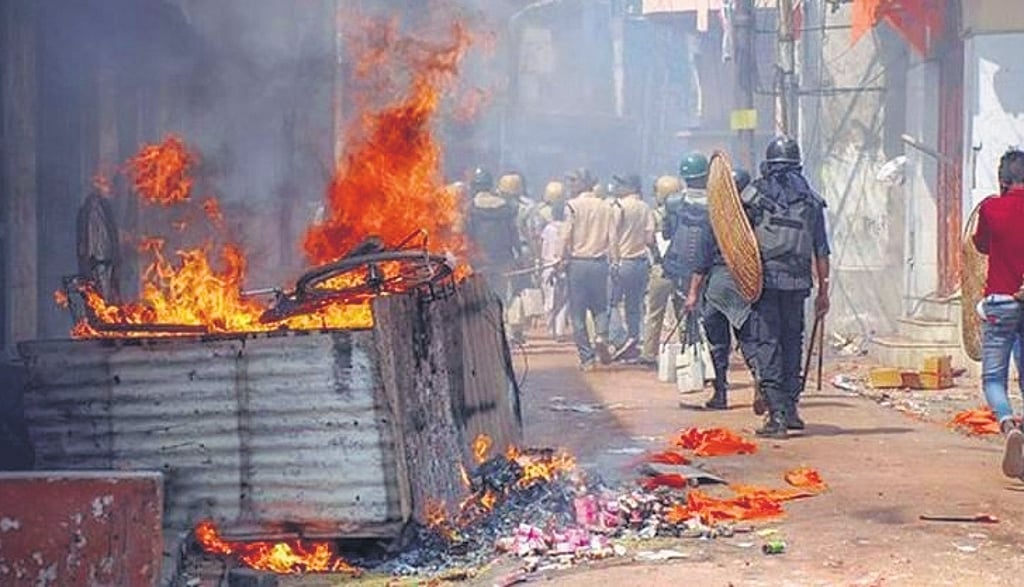
In a significant crackdown on online incitement, the recent Imphal cyber crime arrest has drawn attention to the urgent need for social media regulation in Manipur. The Cyber Crime Unit of Manipur Police apprehended 23-year-old Tensubam Lamyanba Meitei, a suspected volunteer of the Arambai Tenggol organization, accused of sharing inflammatory posts aimed at inciting communal violence. These posts, which originated from the Facebook account “Meetei Nongsa Lamyanba,” contained threats and provocative content that posed a serious threat to public order. Law enforcement officials have highlighted the importance of curbing such activities, warning that they will take strict actions against anyone who seeks to disturb the fragile communal harmony in the region. The ongoing investigation underscores the critical role of social media in influencing public sentiment and the potential risks associated with unchecked online behavior.
Addressing the issue of online misconduct, the recent developments surrounding the arrest of a suspect by Manipur’s Cyber Crime Unit reveal the challenges posed by digital platforms. This incident involves a young individual allegedly affiliated with a local Meitei socio-cultural group, who was detained for disseminating divisive posts aimed at inciting unrest among communities. The troubling role of social media in fostering communal violence has come to the forefront, emphasizing the need for vigilance against such inflammatory content. Authorities are urging citizens to remain skeptical of unverified online claims and to maintain communal harmony amidst rising tensions. The Manipur Police’s swift action reflects a commitment to safeguarding public safety and order while navigating the complexities of social media influence.
Imphal Cyber Crime Arrest: A Turning Point in Community Safety
The recent arrest by the Cyber Crime Unit of the Manipur Police marks a significant step towards enhancing community safety. The apprehension of Tensubam Lamyanba Meitei, a volunteer with the Arambai Tenggol organization, has brought the issue of social media incitement to the forefront. His alleged involvement in posting inflammatory content on platforms like Facebook highlights the critical need for vigilance against communal violence. Authorities have noted that such provocative posts can easily incite tensions, threatening the delicate fabric of communal harmony in Imphal and surrounding areas.
This arrest serves as a stark reminder of the responsible use of social media. While the internet offers a platform for free expression, it can also be a breeding ground for misinformation and deceit. The Manipur Police have emphasized the importance of thorough verification of any content encountered online, especially those that could potentially disrupt public order. This incident reflects broader trends in which various organizations, including socio-cultural groups, must engage in self-regulation to prevent their platforms from being misused for spreading divisive narratives.
Social Media Incitement: The Role of Community Organizations
Community organizations like Arambai Tenggol play a pivotal role in shaping societal norms and values. However, when members of these groups engage in social media incitement, it raises crucial concerns regarding their impact on community relations. The Manipur Police’s swift action against Tensubam Lamyanba Meitei underscores the zero-tolerance policy directed at individuals whose actions could lead to communal violence. This incident has prompted organizations to reflect on their communication strategies and the potential consequences of their narratives in the online space.
Moreover, the challenge of misinformation persists in the digital age, exacerbated by unauthorized statements and releases circulating on social media. Community leaders must actively participate in guiding their members to distinguish fact from fiction, thereby fostering an informed citizenry. Continued collaboration with law enforcement can help deter the spread of harmful content and ensure that the core teachings and values of organizations like Arambai Tenggol promote unity rather than discord.
Communal Violence: The Ripple Effects of Inflammatory Content
Communal violence can have devastating effects on society, often resulting from provocations and misinformation. The case involving Tensubam Lamyanba Meitei shows the direct correlation between social media content and real-world reactions, emphasizing how quickly tensions can escalate. In communities already facing challenges, such as those in Manipur, even a single inflammatory post can lead to significant unrest, showcasing the need for proactive measures to promote peace and understanding.
Understanding the underlying causes of communal strife is essential for preventing violence. By analyzing incidents like this one, authorities can develop targeted interventions that address tensions before they explode. Educational initiatives aimed at fostering dialogue between different groups can help mitigate the risks associated with social media incitement, promoting a culture of respect and inclusion that is vital for peaceful coexistence in Imphal.
The Importance of Vigilance Against Misinformation
In light of the recent events surrounding the arrest of a social media provocateur, the call for vigilance against misinformation has gained prominence. The Manipur Police have urged the public not to forward unverified content that may incite hatred or misunderstanding among communities. This highlights the need for communal responsibility, where individuals not only refrain from spreading false information but also actively combat it by verifying sources before sharing them.
Engagement with official channels for news and updates is crucial. The Central Control Room, which offers a platform for the public to verify the authenticity of messages and content, plays a vital role in establishing credible communication. By prioritizing accurate information, communities can avoid misunderstandings and uphold the integrity of social interactions, reducing the risk of escalating tensions caused by dubious posts on social media.
Responding to Social Media Threats: A Community Effort
The arrest of Tensubam Lamyanba Meitei serves as a wake-up call not only for law enforcement agencies but for the entire community. Responding to threats posed by social media requires collaboration among various stakeholders, including community leaders, government agencies, and citizens themselves. The Manipur Police have made it clear that this is an ongoing battle, and the community must remain engaged and proactive in reporting and addressing any suspicious activities.
Building resilience against the negative impacts of social media requires a multi-faceted approach. Engaging through community forums and workshops can empower residents to understand the consequences of their online behavior and the importance of responsible social media use. By creating a culture of accountability and open dialogue, communities can mitigate risks of incitement and foster an environment where diversity is celebrated rather than vilified.
The Role of Law Enforcement in Maintaining Peace
The involvement of the Manipur Police in addressing cybercrime, particularly in the context of arresting individuals for social media incitement, underscores the critical role law enforcement plays in maintaining peace. Their proactive stance not only prevents potential violence but also reassures the community of their commitment to safety. Through diligent monitoring of online activities, law enforcement can identify threats and intervene before they escalate into real-world conflicts.
Moreover, collaboration with community organizations and educational institutions can amplify the reach of police initiatives aimed at enhancing public awareness about the dangers of inflammatory content. By educating individuals about the legal implications of inciting violence online, authorities can foster a culture of responsible digital citizenship. As such, the police’s efforts will be integral in building a safer environment in Imphal and beyond.
Community Resilience Against Hate Speech
Fostering community resilience against hate speech is essential for creating a harmonious society. The recent actions taken by the Manipur Police highlight the urgent need to address toxic narratives that can lead to communal violence. Involving community organizations, such as Arambai Tenggol, in messaging campaigns can effectively counter hate speech by promoting stories of unity and shared values. By showcasing positive narratives, communities can establish a strong front against divisiveness.
Engagement programs that focus on empathy, understanding, and dialogue can empower individuals to stand against hate in their communities. Workshops and training sessions can equip individuals with the skills needed to engage constructively and challenge discriminatory attitudes when encountered online or offline. Through these efforts, communities can develop resilience against the negative impacts of hate speech and create an inclusive atmosphere for all.
Verification before Sharing: The New Digital Responsibility
In a world where social media is a dominant source of information, the importance of verification before sharing cannot be overstated. The arrest of Tensubam Lamyanba Meitei serves as a cautionary tale about the potential ramifications of failing to critically assess the content shared on platforms like Facebook. Misinformation can lead to unnecessary panic or escalation of tensions, making it imperative for individuals to adopt a more responsible approach to their online interactions.
Encouraging individuals to seek out credible sources and engage with information critically is essential for fostering a more informed public. The Central Control Room provides an avenue for verifying the accuracy of contentious posts, and communities should rally around this initiative to ensure that they are not unwittingly contributing to the spread of inflammatory content. Taking personal responsibility in the digital age means empowering oneself and others to distinguish fact from fiction.
Moving Forward: Strategies for Peaceful Coexistence
As the authorities address the challenges presented by social media incitement, it becomes increasingly vital to establish strategies for promoting peaceful coexistence among diverse communities. The events surrounding the Imphal cyber crime arrest have illuminated the consequences of unchecked online behavior and its real-world implications. Moving forward, a comprehensive approach that includes education, communication, and community activities can help bridge divides and foster understanding among different societal groups.
Creating platforms for dialogue and interaction, whether through community events, interfaith dialogues, or educational workshops, will be essential in building relationships among residents of Imphal. These efforts can dispel myths and foster cooperation, strengthening the community’s overall resilience against divisive forces. The pathway forward lies in mutual respect, open-mindedness, and a commitment to maintaining the peace that is essential for the region’s prosperity.
Frequently Asked Questions
What were the details surrounding the Imphal cyber crime arrest of Tensubam Lamyanba Meitei?
The Imphal cyber crime arrest of Tensubam Lamyanba Meitei involved a 23-year-old volunteer of the Arambai Tenggol organization who was apprehended by the Cyber Crime Unit of the Manipur Police. He was charged with uploading inflammatory posts on social media that aimed to incite communal violence. His Facebook account, ‘Meetei Nongsa Lamyanba,’ shared provocative content that threatened public order, leading to his arrest. The police have emphasized strict action against those who disseminate such materials to maintain communal harmony.
| Key Points |
|---|
| Imphal Police arrested Tensubam Lamyanba Meitei for posting inflammatory content on social media. |
| The posts from ‘Meetei Nongsa Lamyanba’ were threatening and aimed at inciting communal violence. |
| Police issued warnings against those attempting to disrupt public peace and harmony. |
| The public is advised to avoid believing or sharing unsigned and unauthorized social media communications. |
| Ongoing investigations aim to track and address the spread of misleading information. |
Summary
The recent Imphal cyber crime arrest marks a significant action by the Manipur Police against the use of social media to incite communal violence. A 23-year-old individual, linked to the Arambai Tenggol organization, was apprehended for disseminating provocative content that threatened public order. This incident underscores the critical need for vigilance against misinformation in the digital landscape. As the investigation progresses, authorities are taking a firm stand against those undermining community harmony. It is crucial for citizens to remain alert and verify the authenticity of the information shared online to prevent the spread of rumors that may escalate tensions between communities.



























