

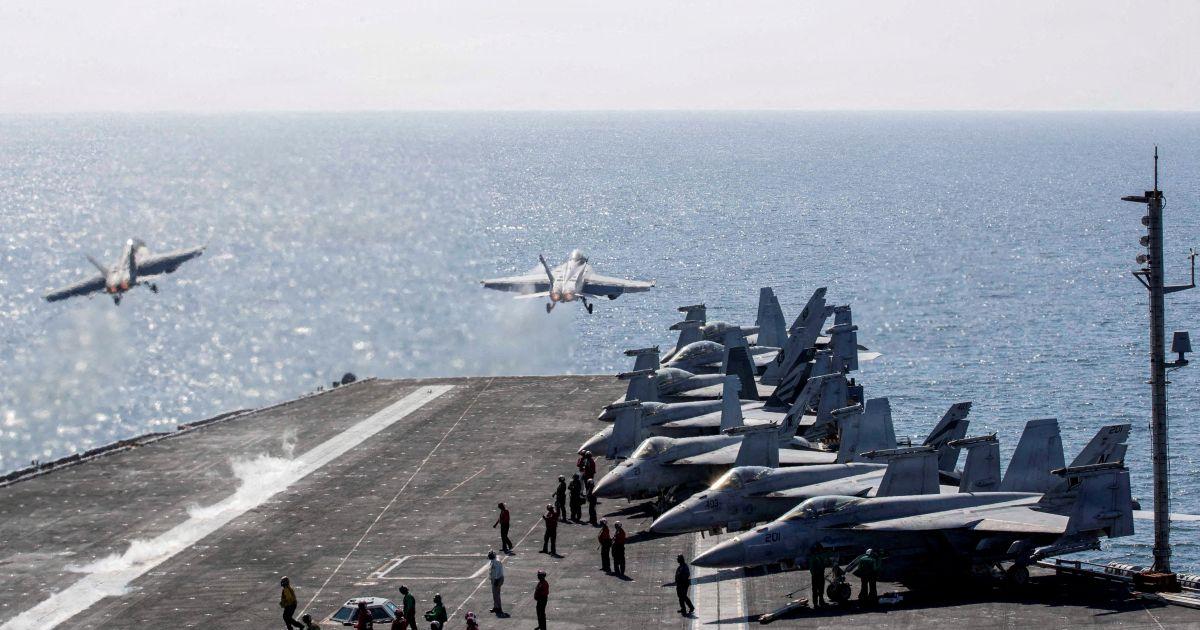
In a significant development, the Iranian Vessel Seizure has ignited a fresh wave of tensions across the Middle East, particularly in the strategic Strait of Hormuz. The U.S. Navy reportedly seized the Iranian-flagged cargo ship TOUSKA, which attempted to circumvent ongoing naval blockades set up to regulate regional shipping activities. This incident follows a series of warnings issued by U.S. forces, highlighting the precarious nature of maritime operations in the area. In response, Iranian officials have vowed retaliation, framing the seizure as an act of “armed piracy” and raising the specter of a possible escalation in the Strait of Hormuz conflict. As both nations brace for intensified confrontations, the implications of this seizure could redefine naval security and trade routes in this crucial maritime corridor.
The recent capture of an Iranian shipping vessel marks a pivotal moment in the ongoing saga of US-Iran relations in the maritime sphere. Dubbed the TOUSKA, this cargo ship’s seizure near the Strait of Hormuz not only underscores the fraught nature of international shipping but also signals an imminent surge in tensions between Tehran and Washington. While the U.S. has emphasized its commitment to enforcing maritime laws, Iran’s swift promise of retaliation introduces a volatile element to the already strained diplomatic ties. These developments have reignited discussions regarding the Iran US naval blockade and its impact on regional stability. As the world watches closely, the specter of conflict looms ever larger in this strategically vital waterway.
The Iranian Vessel Seizure and its Implications
The recent seizure of the Iranian vessel, TOUSKA, by US forces marks a significant escalation in the ongoing tensions in the Strait of Hormuz. This critical waterway plays a vital role in global oil transportation, and the US’s aggressive stance highlights the precarious balance of power in this region. With repeated warnings issued to the TOUSKA before the intervention, it’s evident that the United States is taking a firm position against perceived violations of its naval blockade. This action not only showcases the commitment of U.S. naval forces to enforce maritime law but also sets the stage for potential Iranian retaliation, which could further complicate the already strained relations between Washington and Tehran. The ramifications of this incident could ripple through global markets, especially if Iran decides to respond forcefully, as it has threatened to do.
Iranian officials have condemned the seizure as an act of ‘armed piracy’, prompting concerns about a possible escalation of military confrontations in the region. If Iran follows through with retaliation, there is a considerable risk that the Strait of Hormuz conflict could intensify, potentially disrupting the free flow of maritime trade. The delicate nature of US-Iran relations, coupled with the rising tensions, emphasizes the need for diplomatic channels to engage before the situation devolves into an open confrontation, risking lives and economies alike.
The decision to seize the TOUSKA vessel is set against a backdrop of increasing hostilities since the expiration of a ceasefire. The US’s naval blockade strategy has been in place to limit the movement of vessels that are suspected of facilitating arms shipments to militant groups in the region. However, Iran’s rapid response and strong rhetoric signal that its government may see such actions as an affront to its sovereignty and an act of war. As the situation unfolds, analysts are keeping a close watch on potential Iranian military maneuvers in the Gulf, which could range from increasing naval patrols to retaliatory strikes against US interests in the region.
Potential Outcomes of Iran’s Retaliation
Iran’s vow to retaliate following the seizure of the TOUSKA vessel has sparked apprehension regarding potential military escalations in the Strait of Hormuz. As Iran weighs its options, the Islamic Republic might resort to asymmetric warfare tactics, including disrupting oil shipments or targeting allied vessels in a bid to assert its dominance in the region. The Strait of Hormuz is a chokepoint through which a significant percentage of the world’s oil passes, so even minor incidents could lead to considerable fluctuations in global oil prices, spurring economic unrest. Furthermore, an increase in military engagements could provoke international reactions that could further isolate Iran, leading to a cycle of conflict that is detrimental to all parties involved.
Considering the historical context of US-Iranian confrontations, it’s evident that both nations have a complex relationship with a backdrop of mutual distrust. The possibility of a direct military engagement brings into focus the involvement of allied nations and how they might react to a disrupted regional balance of power. Should Iran retaliate aggressively, this could catalyze further US military presence in the region, complicating diplomatic negotiations and leading to a protracted conflict, creating a more volatile environment in the Gulf.
In addition to military responses, Iran might opt for less aggressive methods of retaliation, such as coordinating cyber attacks or leveraging its influence over regional proxy groups. By doing so, Iran could position itself as a resilient power while avoiding direct confrontation with US forces. Such tactics, while potentially avoidable in escalating immediate tensions, could still lead to a protracted game of chess that would significantly inhibit safe passage through the Strait of Hormuz. Analysts believe that the key to avoiding further destabilization lies in international diplomatic efforts aiming to deescalate tensions through dialogue and negotiations rather than unilateral military actions.
Frequently Asked Questions
What led to the US seizing the Iranian vessel TOUSKA in the Strait of Hormuz?
The seizure of the Iranian cargo ship, TOUSKA, by US forces occurred after the vessel was reported attempting to bypass a naval blockade near the Strait of Hormuz. The US issued multiple warnings over a six-hour period, which the TOUSKA allegedly did not heed. This incident has heightened tensions as Iran has condemned the seizure, labeling it as ‘armed piracy’ and promising retaliation soon.
| Key Point | Details |
|---|---|
| Seizure of Iranian Vessel | US forces seized the Iranian-flagged cargo ship TOUSKA after it allegedly tried to bypass a naval blockade. |
| US Claims | President Trump stated that repeated warnings were issued for the vessel to stop during a six-hour timeframe. |
| Iran’s Response | Iran confirmed the seizure, describing it as an act of ‘armed piracy’ and vowed to retaliate. |
| Escalating Tensions | The incident escalates tensions as a ceasefire is about to expire. |
Summary
The Iranian Vessel Seizure by US forces marks a significant escalation in tensions between the United States and Iran, particularly in the strategically crucial Strait of Hormuz. Following the seizure of the Iranian-flagged cargo ship TOUSKA, claims of non-compliance with naval orders were made by the US, while Iran condemned the action as illegal and vowed retaliation. This incident is particularly impactful considering its timing, shortly before a fragile ceasefire is set to collapse, indicating potential for further conflict in an already volatile region. As such, the headlines surrounding the Iranian Vessel Seizure highlight the complex dynamics of international maritime law, geopolitical strategy, and the ongoing strife in US-Iran relations.



























