

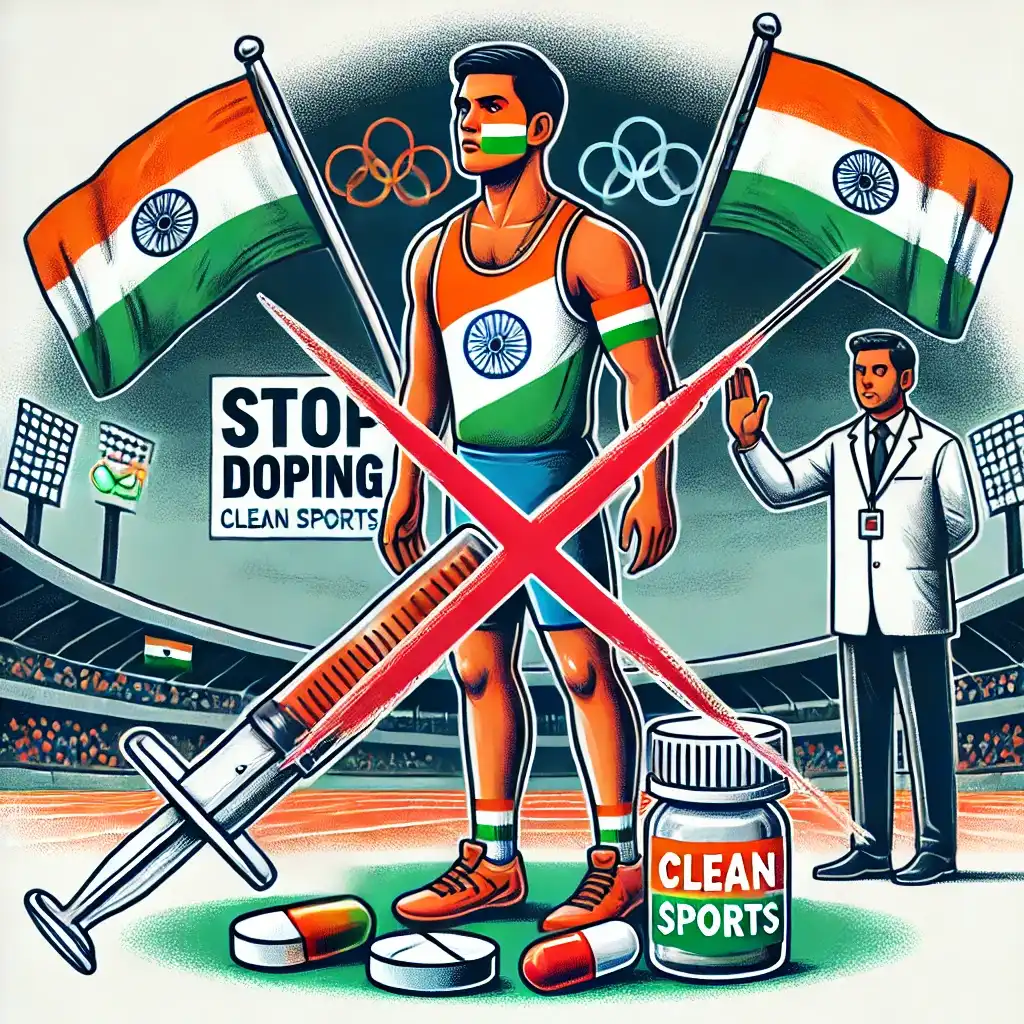
India athletics doping has emerged as a pressing issue, especially following the Athletics Integrity Unit’s (AIU) recent classification of the country as a high-risk zone for doping violations. This alarming designation means that Indian athletes will now face enhanced scrutiny, with stringent doping regulations in place to ensure compliance during international competitions. The AIU’s focus on Indian athletes testing positive raises vital questions about the integrity of sports in the nation and the challenges that these athletes must navigate. As more athletes undergo rigorous drug testing under the new guidelines, sports doping news will likely highlight the effectiveness of these measures in curbing illicit practices. The AFI has expressed its commitment to overcoming these doping challenges in India, emphasizing a proactive approach towards maintaining clean competition.
The topic of doping in Indian athletics is not just about individual transgressions but addresses a broader landscape of integrity within competitive sports. The recent developments surrounding the AIU’s elevated concerns regarding doping practices have intensified the spotlight on the nation’s track and field community. With heightened monitoring and the potential for stricter penalties, athletes must now adapt to a landscape fraught with challenges and expectations. Discussions around anti-doping efforts underscore the importance of transparency and fair play, which are crucial for the future success of Indian sports on the global stage. As we delve into these unfolding issues, understanding the ramifications of doping regulations is critical for fostering a culture of clean athletics.
India Athletics Doping Challenges: A Growing Concern
The recent decision by the Athletics Integrity Unit (AIU) to classify India as a ‘high-risk’ doping country has left many in the sports community concerned about the future of athletics in the nation. This categorization means that Indian athletes will encounter stricter testing protocols and intensified scrutiny during international events. The implications of this designation could not only affect the athletes’ performance and morale but also tarnish India’s reputation on the global stage as a sporting nation. As the international athletics framework becomes increasingly stringent, Indian sports authorities must respond decisively to regain trust and adhere to AIU doping regulations.
Doping challenges in India are not new, but the AIU’s recent classification heightens awareness and demands immediate action. Athletes, trainers, and federations must work closely together to prioritize clean sport and uphold the integrity of athletics. Educational programs addressing the perils and consequences of doping, alongside regular health checks, must become standard practice. Additionally, as the well-being of its athletes is paramount, the Indian Athletic Federation must implement proactive measures to foster a drug-free environment and promote the principles of fair play.
Strengthening Anti-Doping Measures in India: The Role of AIU
In light of the AIU’s classification, there is a pressing need for enhanced anti-doping measures within India. The Indian athletics governing body, the AFI, should collaborate with the Athletic Integrity Unit to improve their doping testing framework and build a robust educational system for all stakeholders in sports. Regular seminars, workshops, and outreach initiatives can effectively inform athletes about the danger of performance-enhancing drugs and the importance of compliance with international doping regulations. By taking proactive steps, the AFI can demonstrate its commitment to maintaining a clean sport culture in India.
Moreover, it is crucial that Indian athletes are adequately prepared for random and scheduled doping tests that will now be commonplace due to the ‘high-risk’ labeling. This necessitates a comprehensive understanding of testing protocols and the substances banned under the latest doping regulations. Athletes must be equipped with knowledge about what constitutes doping and how to avoid accidental violations. Ensuring access to nutritional guidance and safe supplementation will contribute significantly to reducing the incidence of doping among Indian athletes, ultimately promoting a fair competitive environment.
Implications of Doping Regulations on Indian Athletes
The stringent doping regulations set forth by the AIU carry significant implications for Indian athletes, particularly those aspiring to compete on international platforms. With heightened scrutiny, athletes may feel additional pressure to perform, which could lead to an increased risk of unintentional doping violations. Therefore, it is imperative for athletes to remain vigilant about their training and competitive routines, ensuring compliance with AIU guidelines and staying informed about substances that could jeopardize their careers. The corresponding media attention surrounding athletics doping news will amplify this pressure, making it crucial for support systems to be in place.
Moreover, the emotional and psychological toll on athletes cannot be overlooked. Facing stringent tests and the looming threat of disqualification can create anxiety and stress among competitors. Comprehensive mental health resources, counselling, and peer support networks are essential in helping athletes manage these pressures while still focusing on their performance. By addressing the mental and emotional aspects of doping regulations, Indian sports authorities can foster a supportive atmosphere that encourages athletes to excel without resorting to illegal means.
The Future of Indian Athletics: Navigating Doping Regulations
As India seeks to reaffirm its position in the athletics sphere globally, navigating doping regulations will be pivotal for future successes. The ongoing partnership with the Athletics Integrity Unit can serve as a cornerstone for improvement, helping India not only to mitigate risks but also to champion transparency in athletics. Furthermore, ongoing dialogue with international sporting bodies will ensure that Indian athletes are aligned with the best practices and standards in global athletics while preserving their competitive edge.
In looking toward a future where Indian athletics can thrive, it is crucial to promote a culture of clean sport. By emphasizing the importance of integrity, dedication, and discipline across all levels of training, from grassroots to elite, the Indian athletics framework can rebuild its reputation. Establishing clear pathways for education, testing, and compliance will not only benefit athletes but could also lead to potential sponsors restoring their faith in the integrity of Indian sports.
Frequently Asked Questions
What are the implications of the Athletics Integrity Unit’s (AIU) high-risk doping tag on Indian athletes?
The Athletics Integrity Unit (AIU) categorizing India as a high-risk country for doping means that Indian athletes will be subject to stricter testing and monitoring protocols during international competitions. This classification aims to address and mitigate doping challenges in India, ensuring fair play and integrity in athletics. Such measures are crucial as they help build a cleaner sporting environment and enhance the reputation of Indian athletics on the global stage.
| Key Point | Details |
|---|---|
| Doping Risk Level | India has been classified in the highest-risk category for doping by the AIU. |
| Impact on Athletes | This classification will lead to stricter testing and monitoring of Indian athletes in international competitions. |
| Response from AFI | AFI has committed to addressing the challenges posed by this classification. |
Summary
India athletics doping has become a pressing concern as the Athletics Integrity Unit has labeled the country with a ‘high-risk’ tag due to increased doping incidents. This classification not only casts a shadow over the integrity of Indian athletes but also necessitates immediate and effective responses from the Athletics Federation of India (AFI). In their reaction, the AFI expressed determination to overcome these challenges by implementing enhanced measures to ensure compliance with international doping regulations. The new regulations will introduce stricter testing protocols that Indian athletes must adhere to during competitions. As India gears up for future international events, the focus will be on maintaining the credibility of its athletic programs while fostering a clean sports environment.



























