

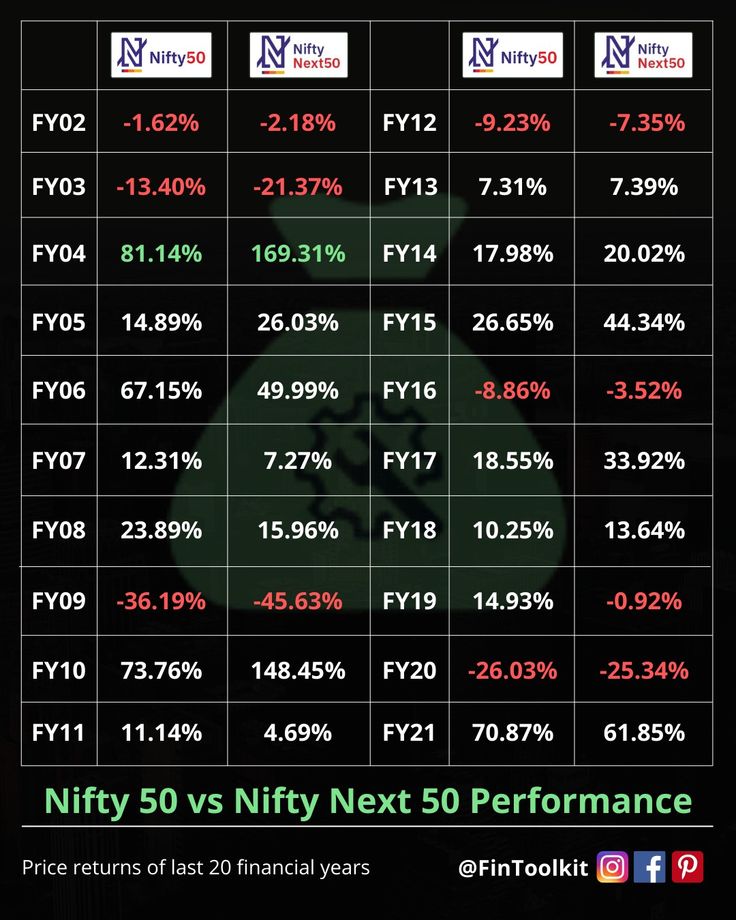
In recent updates on Sensex and Nifty performance, the Indian stock market has experienced a noteworthy rally, climbing for the third consecutive day. On this Tuesday, the benchmark Sensex soared by an impressive 753 points, closing at 79,273.33, while the broader Nifty followed suit, finishing above 24,550 with a gain of 211.75 points. This surge reflects the positive sentiment driven by declining crude oil prices and growing optimism surrounding peace negotiations between Iran and the US. Investors eagerly watch these trends, analyzing the critical developments within BSE market trends and overall stock market news. For those seeking Indian share market insights, the current trajectory of Sensex updates and Nifty performance analysis signals a compelling opportunity for market participants.
In the realm of financial markets, the latest developments reflect vibrant activity among major indices, particularly the flagship indices of Sensex and Nifty. Today’s market performance reveals a substantial upward shift, driven by significant influences such as falling crude prices and promising diplomatic dialogues involving Iran and the US. Traders are closely scrutinizing these elements, looking for patterns and opportunities in the evolving landscape of the Indian equity markets. The encouraging results from notable companies present within these indices highlight broader BSE market trends, providing a wealth of information for those engaged in stock market speculation and investment strategies. As the day unfolds, the analysis of Nifty performance and the broader implications of Sensex movements offers valuable insights for informed trading.
Sensex and Nifty Performance Analysis
The recent performance of the Sensex and Nifty represents a potential turning point for investors in the Indian share market. Closing on a high note, the 30-share BSE Sensex jumped by 753 points to reach 79,273.33, demonstrating a robust recovery for the index. Meanwhile, the Nifty, with its 50 shares, recorded a significant gain of 211.75 points, ending at 24,576.60. This upward trajectory can largely be attributed to declining crude oil prices alongside positive developments in international relations, particularly the peace negotiations between Iran and the United States.
These gains reflect an optimistic sentiment in the stock market as key players like ICICI Bank and HDFC Bank showed significant increases in their share prices. This performance not only suggests investor confidence but also indicates the influence of global events on local market conditions. Traders and analysts are keenly observing these trends, anticipating that continued stability in oil prices and favorable international relations may foster further growth in BSE market trends.
Stock Market News: Key Insights and Trends
In today’s stock market news, significant movements were noted across the board, with major corporations like Trent, Hindustan Unilever, and Bajaj Finance leading the pack with noticeable gains. This development underscores a bullish sentiment in the Indian equity markets, contrasting sharply with other underperformers such as Bharat Electronics and Reliance Industries, who faced downward pressure. With the market maintaining strength despite foreign institutional investors (FIIs) selling equities worth ₹1,059.93 crore, it appears that domestic investors are stepping in to fill the gap left by foreign traders.
The broader implications of these trends suggest a potential decoupling of the Indian stock market from global volatility, as seen in fluctuating oil prices and geopolitical challenges. As the BSE Sensex and Nifty continue to gain momentum, investors are advised to take note of these pivotal developments. Analysts predict that ongoing scrutiny of international market impacts alongside the stability of the Indian rupee will significantly influence future trading strategies. Consequently, incorporating such insights into one’s investment approach could prove beneficial in navigating the complexities of current market dynamics.
Understanding BSE Market Trends
The BSE market trends are showing positive signals as evidenced by today’s impressive gains in both the Sensex and Nifty indices. The ability of the Sensex to reclaim ground and the Nifty surpassing critical resistance levels reflect a confident market responding to global cues and local economic indicators. It’s vital to consider the factors driving this trend, such as the decline in oil prices and foreign trade dynamics. These elements enhance the attractiveness of equities, promoting buying interest amongst investors.
Moreover, the increasing activity from retail investors, amidst FIIs offloading, indicates a shift in market dynamics. Investors are keenly observing how ongoing international discussions, particularly those related to oil imports and trade agreements, will play out. As banks report healthy earnings, such as Nestlé India, a ripple effect is anticipated across the market, potentially boosting investor sentiment further. Remaining attuned to these shifting BSE market trends is essential for making informed investment decisions going forward.
The Impact of Global Events on the Indian Stock Market
The fluctuations in the Indian stock market often correlate closely with global economic happenings, particularly developments surrounding crude oil prices and foreign relations. Recent news of declining oil prices due to international negotiations has created a favorable environment for Indian markets, enhancing investor sentiment. The interconnectedness of markets implies that while domestic factors are at play, external influences are equally significant in determining market movements.
With oil serving as a vital component of India’s import bill, lower global prices can alleviate inflationary pressures domestically and encourage further consumption and investment. As news from the US-Iran negotiations develops, market participants remain vigilant, understanding how these scenarios could unfold and impact economic policies back home. The anticipation around further clarity in global dynamics suggests that the Indian stock market could continue on this upward trend, provided the external environment stabilizes.
Investor Strategies Amid Market Swings
As the stock market continues to experience notable swings, devising robust investor strategies is paramount for navigating the current climate. Given the recent performance of the Sensex and Nifty, investors are encouraged to diversify their portfolios, taking advantage of opportunities presented by both rising and falling stocks. Key sectors that have shown resilience, such as consumer goods and banking, could provide solid returns amidst volatility.
Furthermore, monitoring market news and trends can help investors stay ahead of the curve. Utilizing tools like technical analysis, alongside keeping an eye on macroeconomic indicators and geopolitical developments, can yield positive results. As exemplified by the observed resilience in stock performance following the latest updates on crude oil and economic growth metrics, timely decisions based on comprehensive analysis are likely to enhance investment outcomes in the fluctuating market landscape.
Foreign Institutional Investors and Market Dynamics
The role of foreign institutional investors (FIIs) is often a focal point in discussions about market dynamics within the Indian stock market. Recently, despite FIIs selling equities worth ₹1,059.93 crore, domestic investors stepped up to absorb the selling pressure, showcasing the strength of local sentiment. This interaction between FII activity and domestic investment trends is crucial to understanding overall market health and investor behavior.
Investors should note that while FII trends can indicate broader market sentiments, the local response often dictates market direction. In a scenario where local investors are buoyed by domestic economic optimism, such as positive quarterly results from major banks, there’s a noteworthy opportunity for growth. Hence, a keen observation of these trends is vital for potential investors seeking to capitalize on market movements fueled by both local and foreign investment activities.
Market Sentiment and Economic Indicators
Market sentiment plays a pivotal role in guiding investor decisions within the Indian stock market. Today’s performance of the Sensex and Nifty underscores the impact of positive sentiment, driven by encouraging economic indicators such as the decline in crude oil prices and strong quarterly earnings reports. These factors collectively contribute to a buoyant market atmosphere, compelling investors to participate actively in trading.
As sentiment continues to improve, it precipitates trading volumes and can lead to sustained upward movements in stock prices. Investors are advised to remain vigilant, as shifts in sentiment can also occur rapidly, influenced by unforeseen global developments. Observing these economic indicators alongside market sentiment will enable investors to make more informed decisions, positioning them strategically to take advantage of market opportunities as they arise.
Sector Performance Review in Current Market
In analyzing the current stock market landscape, a comprehensive sector performance review is essential. The significant gains seen in specific sectors, particularly banking and consumer goods, demonstrate resilience amidst market volatility. Companies such as ICICI Bank and Hindustan Unilever reported substantial growth in share price, reflecting positive investor outlooks and sector-specific trends.
Conversely, the underperformance of sectors like energy and utilities, exemplified by declines in Titan and Reliance Industries, signals potential caution areas for investors. Monitoring these sector performances provides valuable insight into the overall health of the Indian stock market and can guide strategic asset allocation. Investors should focus on sectors demonstrating strength while remaining mindful of those facing challenges, as this can inform better investment decisions in the evolving market scenario.
Future Prospects for the Indian Share Market
Looking ahead, the prospects for the Indian share market appear optimistic, especially in light of recent performance indicators from the Sensex and Nifty. Analysts are buoyed by the continued strength in domestic demand, favorable global oil scenarios, and the potential for positive policy changes. With the market reacting positively to crucial economic developments, there lies an opportunity for sustained growth if these trends continue.
The upcoming results of key corporations and ongoing geopolitical discussions will likely dictate market direction in the near future. Investors are urged to remain proactive, keeping abreast of developments and adjusting strategies accordingly. The interplay between domestic growth and international pressures will ultimately shape the landscape, and those prepared to navigate these complexities may find themselves well-positioned as the market evolves.
Frequently Asked Questions
What are the latest Sensex updates related to the recent market performance?
As of April 21, 2026, the BSE Sensex rose by 753.03 points, closing at 79,273.33. It peaked at 79,367.08 earlier in the day due to a favorable market environment influenced by declining crude oil prices and positive US-Iran diplomatic developments.
How did the Nifty perform in the latest market trading session?
In the trading session on April 21, 2026, the NSE Nifty gained 211.75 points, ending at 24,576.60. This increase reflects positive investor sentiment and market trends favorable for the Indian share market.
What factors are influencing Sensex and Nifty performance today?
Today’s performance of the Sensex and Nifty is influenced by a notable drop in crude oil prices and optimism surrounding peace negotiations between the US and Iran. These factors create a more favorable trading environment, leading to the market’s rise.
What insights can be drawn from the latest stock market news regarding Sensex and Nifty?
Recent stock market news indicates a positive trend for the Sensex and Nifty, supported by significant gains in key stocks and a vibrant Asian market. With the Sensex climbing 0.96% and the Nifty up 0.87%, investor confidence appears to be solid.
How do BSE market trends impact the overall Indian share market?
BSE market trends, such as the recent gains in the Sensex, significantly impact the overall Indian share market by boosting investor sentiment and encouraging buying activity. Positive trends can lead to increased investments and strengthen market dynamics.
What key stocks contributed to the Sensex performance today?
Key contributors to the Sensex performance on April 21, 2026, included major players like Trent, Hindustan Unilever, ICICI Bank, Bajaj Finance, HDFC Bank, and Axis Bank, showcasing strong gains amidst a generally upbeat market.
What are the implications of Foreign Institutional Investors (FIIs) selling equities for Sensex and Nifty performance?
The recent selling of equities worth ₹1,059.93 crore by Foreign Institutional Investors may introduce volatility in the Sensex and Nifty performance. Such actions reflect changes in global investment strategies and can influence market sentiment in the Indian share market.
How does the fluctuation of the rupee affect Sensex and Nifty performance?
The recent depreciation of the rupee, which fell by 32 paise to close at 93.48 against the US dollar, can have a mixed impact on the Sensex and Nifty performance. While a weaker rupee may boost exports for some companies, it could also raise operational costs for import-dependent businesses.
What patterns can be observed in the ongoing performance analysis of Sensex and Nifty?
The ongoing performance analysis of the Sensex and Nifty shows a pattern of upward movement amidst favorable economic conditions, aided by global market trends and local developments, indicating resilience in the Indian share market.
How can investors utilize Sensex updates for informed decision-making?
Investors can leverage the latest Sensex updates to make informed decisions by analyzing market trends, stock performance, and economic indicators, thus optimizing their investment strategies to align with the dynamic nature of the Indian share market.
| Metric | Sensex | Nifty | Market Insights |
|---|---|---|---|
| Closing Value | 79,273.33 | 24,576.60 | Both indices showed significant gains, indicating a positive market trend. |
| Daily Change | +753.03 points (0.96%) | +211.75 points (0.87%) | A drop in crude oil prices helped rallies. |
| Foreign Investments | Sold ₹1,059.93 crore | N/A | Foreign investors remained cautious amid rising valuations. |
| Major Winners | Trent, Hindustan Unilever, ICICI Bank | Bajaj Finance, HDFC Bank, Axis Bank | Positive sentiment reflected in Asian markets as well. |
| Major Losers | Bharat Electronics, Titan | Reliance Industries, NTPC | Caution persists in marketplaces due to FII selling. |
Summary
The performance of Sensex and Nifty highlighted a robust upward trend in the Indian stock markets, with significant gains driven by external factors such as a decline in crude oil prices and optimism surrounding US-Iran negotiations. This three-day rally reflects resilience amidst selling pressures from foreign institutional investors and marked a notable performance for several leading companies. Investors seem hopeful as both indices closed well above their prior levels, indicating a positive market outlook amidst global uncertainties.



























