

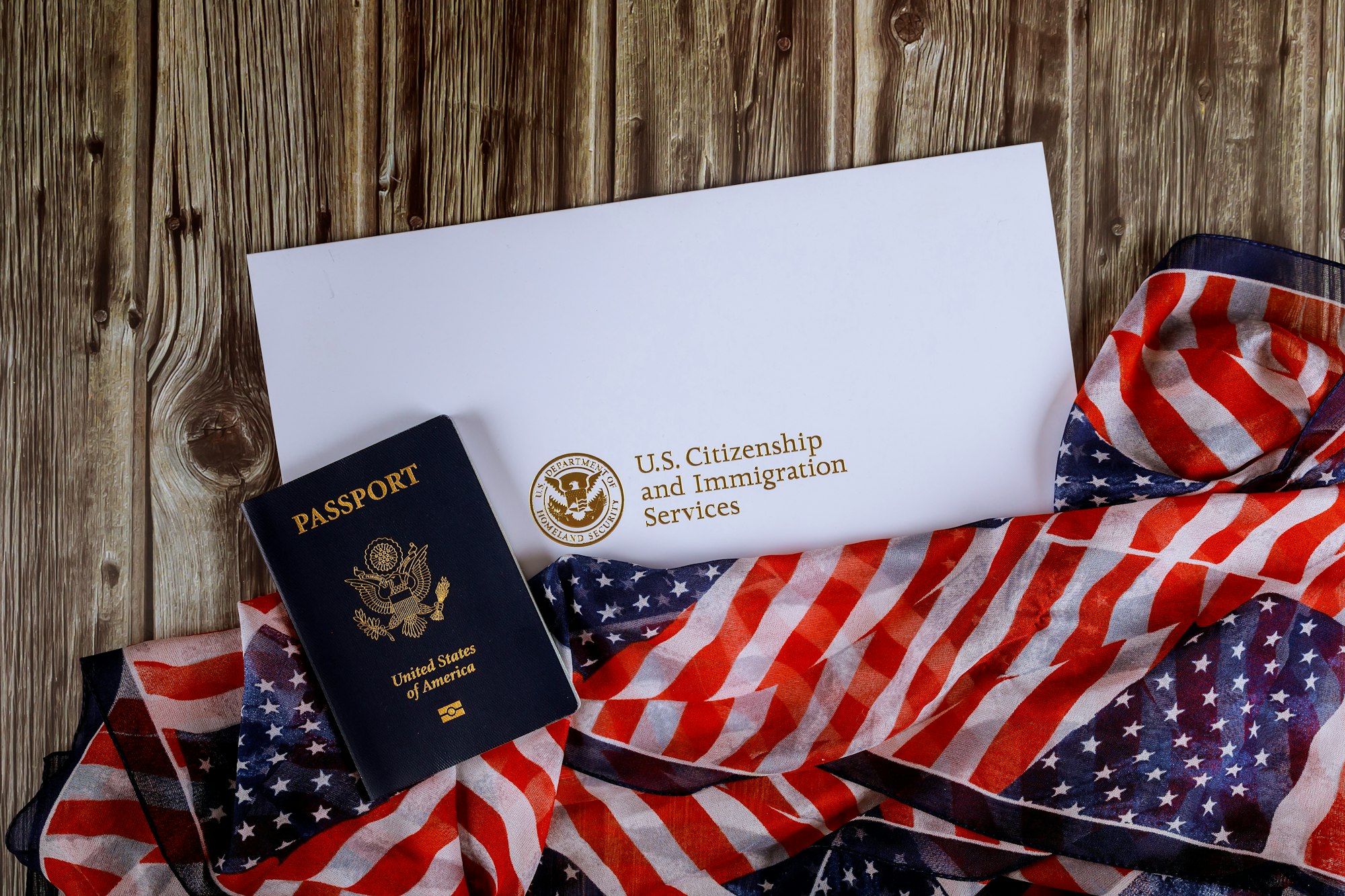
The recent case involving the Indian-origin man, Gurdev Singh Sohal, highlights the severe consequences of immigration fraud, resulting in his citizenship revoked by a federal judge. Originally naturalized in the United States in 2005, Sohal’s deceitful actions came to light in 2020 when fingerprints traced back to his assumed identity revealed a past marked by identity theft. The Department of Justice responded swiftly with a civil denaturalization complaint against him, emphasizing the legal repercussions tied to falsifying identity for US citizenship. This alarming decision underscores the stringent measures taken to combat denaturalization and maintain the integrity of the immigration process. Sohal’s story serves as a cautionary tale for others who might consider circumventing legal immigration pathways through fraudulent means.
In a striking turn of events, the story of Gurdev Singh Sohal illustrates the complexities surrounding the revocation of citizenship due to identity manipulation. The actions taken against this individual reflect broader concerns within the realm of denaturalization, particularly as authorities crack down on immigration violations. By exploiting an assumed name to secure his US citizenship, Sohal’s case underlines the serious implications of identity fraud in today’s society. As legal systems worldwide grapple with immigration integrity, stories like Sohal’s remind us of the vigilance required to uphold citizenship rights. Ultimately, this situation serves as an essential reminder of the challenges faced by genuine immigrants who adhere to the rules.
Gurdev Singh Sohal: Immigration Fraud Unveiled
Gurdev Singh Sohal, an Indian-origin man, managed to secure US citizenship in 2005 by altering his identity. This drastic move allowed him to evade scrutiny, but it came back to haunt him when he was caught through fingerprint analysis in 2020. The revelations surrounding his case highlight the severe repercussions of immigration fraud and the stringent measures that the Department of Justice (DOJ) is willing to undertake to uphold the integrity of US citizenship. The case is a reminder that dishonesty in immigration processes can lead to dire consequences, including denaturalization, particularly when individuals exploit loopholes in the system to fabricate their identities.
Following the DOJ’s civil denaturalization complaint, the court found that Sohal had deliberately concealed his previous immigration history. He operated under the assumed identity of ‘Dev Singh,’ using this name to navigate the challenging waters of US immigration. This case serves as a crucial example of how identity theft and fraud can undermine the trust inherent in the naturalization process, prompting federal authorities to act decisively. As more cases of immigration fraud come to light, it is imperative to understand the laws surrounding denaturalization and how they protect the interests of legitimate citizens.
The Process of Denaturalization: What You Need to Know
Denaturalization is a legal process through which the government can revoke an individual’s US citizenship. This process is typically initiated in cases where the naturalized citizen is found to have obtained their citizenship through fraudulent means. In the instance of Gurdev Singh Sohal, the revocation of his citizenship stems from his engagement in actions that violate the foundational principles of immigration integrity. The consequences of such actions can be far-reaching, affecting not just the individual, but also the broader immigrant community, as they can instigate distrust in the immigration system.
For those seeking citizenship, the case of Sohal serves as a cautionary tale about the importance of honesty during the immigration process. Potential citizens must disclose their entire immigration history and any previous names they may have used. Failing to do so can result in serious legal ramifications, including denial of citizenship or even criminal charges for immigration fraud. Understanding the complexities of immigration laws and the ethical obligations tied to them is essential for anyone considering the path to US citizenship.
Identity Theft: Implications on Immigration and Naturalization
Identity theft remains a significant concern within the realm of immigration, as seen in the case of Gurdev Singh Sohal. By changing his name and fabricating his identity, Sohal exemplifies how fraudulent activities can allow individuals to gain access to privileges meant for those who follow legitimate processes. Such crimes can distort public perception of immigration, consequently affecting policies and regulations that govern the lives of millions seeking a new beginning in the United States. This highlights the urgency for authorities to implement stringent measures against identity fraud to protect the integrity of the immigration system.
The broader implications of identity theft stretch beyond individual cases; they can lead to a loss of credibility for programs designed to assist immigrants. When fraud cases like Sohal’s gain media attention, they foster skepticism towards the entire immigration framework. It is crucial for policymakers to address these issues effectively, ensuring that there are robust systems in place to detect and prevent identity theft related to immigration processes. Implementing enhanced verification measures can help safeguard the immigration system from abuse and maintain the rights of honest applicants.
Consequences of Immigration Fraud: A Legal Perspective
The consequences surrounding immigration fraud are severe and multifaceted, impacting not only the individuals involved but also the legal framework governing citizenship in the US. In the instance of Gurdev Singh Sohal, the legal repercussions of lying on immigration applications included the loss of his citizenship status. The DOJ’s aggressive stance in pursuing denaturalization highlights the principle that fraud will not be tolerated, particularly when it undermines the rights of genuine US citizens. Legal analysts emphasize that immigration fraud can result in criminal charges, lengthy deportation processes, and challenges for the individuals involved in securing future immigration benefits.
Moreover, the ramifications of immigration fraud extend beyond legal consequences and affect the trust that immigrants place in the naturalization process. Individuals who adhere to the legal pathways towards citizenship rightfully expect that fraudulent actions will not taint their futures. This reinforces the commitment to maintaining integrity within the immigration system—an essential aspect as the US navigates the complexities of immigration reform. The case of Gurdev Singh Sohal serves as a stark reminder that honesty is paramount in any legal undertaking regarding citizenship and immigration.
US Citizenship: The Importance of Transparency in Applications
Navigating the path to US citizenship requires a comprehensive understanding of the immigration process, along with an unwavering commitment to honesty. The actions of Gurdev Singh Sohal underscore the critical importance of transparency when applying for citizenship. This includes the necessity to disclose all previous identities and immigration histories accurately. When individuals attempt to disguise their past, they risk severe repercussions, including a loss of their citizenship rights, which Sohal ultimately faced due to his deceitful actions.
Furthermore, this case illustrates the broader implications of misrepresentation in immigration applications. Each applicant’s story contributes to the narrative of immigration in the US, and dishonesty not only affects the individual but threatens the reputations of countless other aspiring citizens who are navigating the same path. By fostering a culture of transparency and accountability, the immigration system can enhance its credibility and reinforce the integrity of its processes.
Legal Ramifications of Immigration Identity Fraud
The legal repercussions stemming from identity fraud in immigration cases are extensive and can have lifelong impacts on those involved. Gurdev Singh Sohal’s case emphasizes the serious consequences of attempting to mislead immigration authorities. His actions led to not only the revocation of his citizenship but also highlight how such fraud can be prosecuted under US federal law. Engaging in identity theft to secure citizenship is not just an ethical violation but a criminal act that can result in significant legal penalties.
Additionally, the ramifications of identity fraud extend beyond the immediate penalties faced by the individual. The legal framework surrounding immigration must continually adapt to address and mitigate the impact of such fraudulent activities. This can include developing stricter identities verification processes and heightened scrutiny of naturalization applications. Understanding these legal challenges is crucial for aspiring citizens, who must recognize the importance of maintaining integrity throughout their immigration journey.
Preventing Immigration Fraud: Systemic Measures
In light of the alarming rise in immigration fraud cases, including those involving identity theft, there is an increasing need for systemic measures to prevent such actions. The case of Gurdev Singh Sohal illustrates the challenges faced by authorities in detecting fraudulent applications. By implementing more rigorous verification processes, the immigration system can reduce instances of fraud and maintain the sanctity of US citizenship. This includes thorough background checks and immediate actions upon uncovering discrepancies in applicants’ histories.
Moreover, empowering officers with advanced tools and training can enhance the monitoring of applications and improve detection rates for fraudulent behavior. Communities also play a vital role in preventing immigration fraud by raising awareness about the importance of honesty in immigration applications. Public education campaigns can inform potential applicants about the consequences of fraud while promoting a strong sense of community responsibility to report suspected fraudulent acts. Together, these systemic measures can foster a more robust framework to combat immigration fraud.
The Role of the Department of Justice in Immigration Cases
The Department of Justice (DOJ) plays a vital role in overseeing and regulating immigration processes, ensuring that fraudulent activities do not compromise US citizenship standards. In the case of Gurdev Singh Sohal, the DOJ meticulously crafted a case for civil denaturalization after uncovering substantial evidence of his immigration fraud. Their commitment to justice in these matters underscores the importance of their work in maintaining the integrity of the immigration system. The DOJ’s actions send a clear message that immigration fraud will not be overlooked or tolerated.
Furthermore, the DOJ’s involvement in immigration-related crimes reflects an intricate legal framework designed to protect honest applicants while holding fraudulent individuals accountable. In pursuing denaturalization, the DOJ not only seeks justice for instances of fraud but also aims to protect the rights of legitimate US citizens who abide by the law. Their consistent efforts to address fraud and uphold the sanctity of citizenship highlight a broader commitment to enforce immigration regulations, keeping unjust practices at bay.
Impacts on Immigration Policies Following Fraudulent Cases
Fraudulent cases, such as that involving Gurdev Singh Sohal, can significantly impact immigration policies and the perceptions surrounding immigration in the United States. Following notable instances of fraud, policymakers are often compelled to scrutinize existing laws and frameworks governing immigration, leading to possible reforms intended to close loopholes that fraudsters exploit. This scrutiny is necessary to enhance the credibility of the immigration system, ensuring that naturalization remains a privilege reserved for those who earn it through honest means.
When fraud is exposed, public perception can shift dramatically, leading to apprehension towards immigration policies at large. Legislative responses may include tighter restrictions or more comprehensive background checks, aiming to prevent future occurrences. While the intention behind such changes may be to safeguard the integrity of the immigration system, they can also inadvertently affect those who are genuinely seeking to better their lives through legal channels. Thus, finding a balance between security and accessibility remains a significant challenge for immigration authorities.
Frequently Asked Questions
What led to Gurdev Singh Sohal’s US citizenship being revoked?
Gurdev Singh Sohal’s US citizenship was revoked due to denaturalization proceedings initiated by the Department of Justice, which revealed he had altered his identity and failed to disclose his previous immigration history. Sohal, originally immigrating under the name Dev Singh, used an assumed identity to obtain US citizenship in 2005, committing immigration fraud and identity theft.
| Key Point | Details |
|---|---|
| Citizenship Revocation | Gurdev Singh Sohal’s US citizenship was revoked by a federal judge. |
| Identity Change | Sohal changed his name to obtain US citizenship, which he acquired in 2005. |
| Discovery of Fraud | Sohal was caught in 2020 through fingerprints linking him back to his original identity. |
| Legal Action | The Department of Justice (DOJ) filed a complaint for civil denaturalization against Sohal. |
| Judicial Decision | The judge ruled in favor of the DOJ, citing Sohal as an immigration and identity fraudster. |
| Previous Identity Concealment | He failed to disclose his previous immigration history under the name Dev Singh. |
Summary
The revocation of citizenship from an Indian-origin man underscores the serious implications of immigration fraud, specifically in the case of Gurdev Singh Sohal. Having obtained US citizenship in 2005 by using an assumed identity, Sohal was found out years later when fingerprints revealed his original name. The Department of Justice took action, leading to a federal judge’s decision to revoke his citizenship, branding him an identity fraudster. This case serves as a significant reminder of the integrity required in immigration processes and the potential consequences faced by individuals who attempt to manipulate their identity for legal benefits.



























