

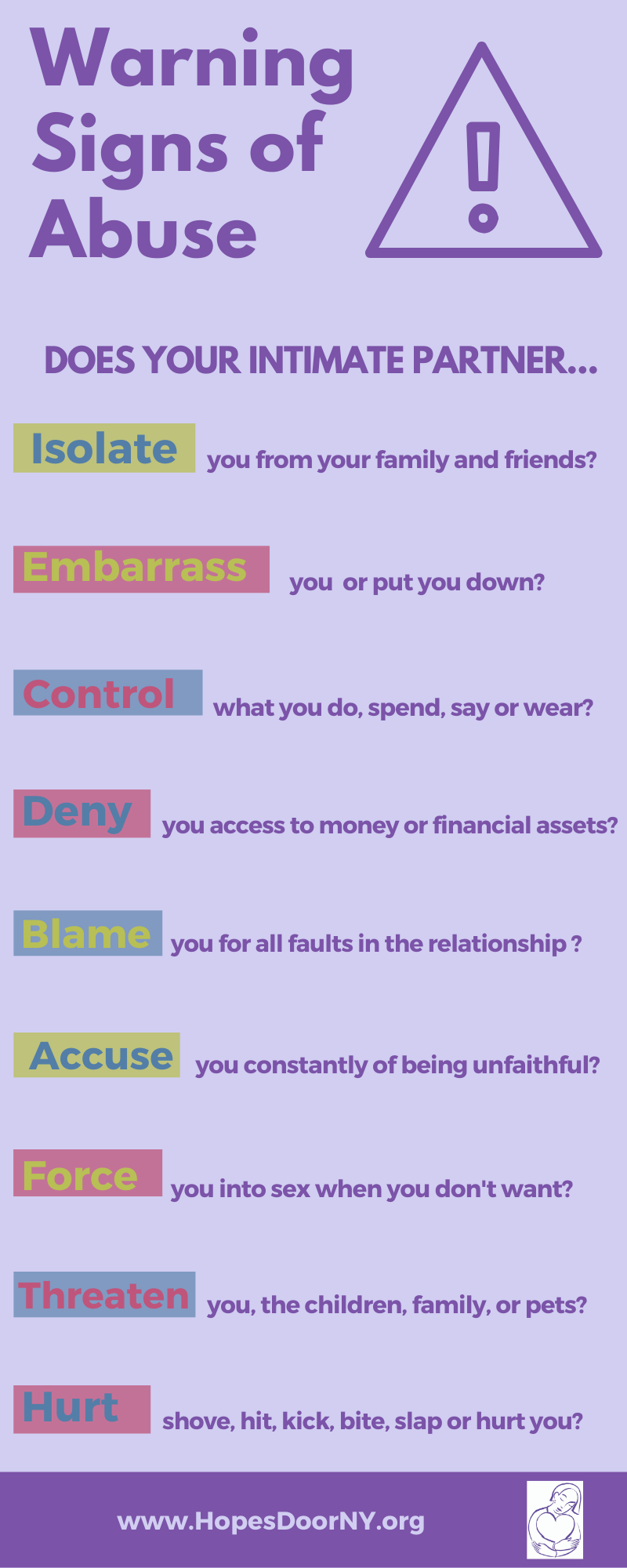
Intimate partner homicide is a devastating reality that often goes unrecognized until it is too late. With alarming statistics revealing that nearly two-thirds of mass shootings in the United States stem from intimate partner violence, the urgency to address this issue cannot be overstated. Warning signs of intimate partner violence can manifest in various forms, including access to firearms, a history of stalking, and controlling behaviors. Understanding the domestic violence risk factors is crucial in preventing intimate partner homicide. It is especially important to recognize that separation from an abusive partner is a dangerous time when many women are at their greatest risk.
The term “intimate partner homicide” encapsulates a tragic phenomenon more commonly referred to as partner-related killings or domestic violence homicides. This grim reality reflects the fatalities that arise from violent relationships, often fueled by underlying factors such as jealousy and control. Recognizing the severe implications of separation and intimate partner violence can be life-saving for those who may be caught in such situations. It is vital to understand how to spot domestic abuse signs early and how effective intervention can help mitigate these risks. By raising awareness of the warning signs and domestic violence risk factors, communities can work towards preventing these heartbreaking tragedies.
Understanding Intimate Partner Homicide: Warning Signs and Risk Factors
Intimate partner homicide is a tragic reality that can often be avoided if the warning signs are recognized early. Key warning signs include a partner’s access to firearms, a history of stalking, controlling behaviors, and the victim’s attempts to leave the relationship. Each of these factors can indicate an escalating risk of violence. For instance, access to firearms increases the lethality of domestic violence incidents significantly; this statistic should alert friends and family to take these situations seriously. Moreover, controlling behaviors often signify not just an unhealthy relationship, but a dangerous dynamic that could lead to homicide.
Recognizing these warning signs is essential for prevention. This awareness can not only empower victims to seek help but also prompt friends, family, and even professionals to intervene. Research has shown that understanding domestic violence risk factors—like stalking or access to weapons—can play a crucial role in preventing intimate partner homicide. Effective intervention might involve enabling the victim to access support services or law enforcement, making the identification of such signs critical in saving lives.
Separation and Its Role in Intimate Partner Violence
The time of separation is often cited as the most dangerous period in an abusive relationship. This is particularly true for women, as nearly half of intimate partner homicides occur when a victim tries to leave their abuser. The emotional turmoil accompanying this decision is compounded by the risk of escalating violence. Victims may feel an overwhelming need to escape, yet the potential repercussions of leaving can make this one of the most treacherous times. In many cases, the abuser reacts violently due to feelings of loss of control as the victim seeks independence, making the separation phase critical for intervention.
It is vital to address the dangers that accompany separation by providing comprehensive support. Victims should be made aware of strategies for safely exiting an abusive relationship, as well as how to spot domestic abuse signs that may signify escalating risks. In addition, community resources and legal advocacy can play a significant role in aiding victims during this perilous time. For many, establishing a safety plan can be a lifesaver, highlighting the importance of intervention and proactive measures when a victim is ready to leave.
Preventing Intimate Partner Homicide Through Action and Awareness
Preventing intimate partner homicide requires action on multiple fronts. First and foremost, awareness of the warning signs is pivotal—not just for victims, but for those around them. Friends, family, and even coworkers can play a role by observing signs of domestic violence, such as unexplained absences or behavioral changes. Understanding the context of domestic violence risk factors enables individuals to provide support to those in need, ensuring that no victim feels isolated. Collaboration with local advocacy groups can also foster preventive measures on a community level, preparing people to intervene before a situation escalates into tragedy.
Furthermore, educational programs aimed at young adults can help in building awareness of healthy relationships and recognizing red flags. Resources that teach individuals how to spot domestic abuse signs are essential. Developing a more informed community can empower victims to seek help and encourage bystanders to take decisive action when they witness concerning behaviors. By prioritizing prevention and awareness, society can take crucial steps toward reducing the incidence of intimate partner homicides.
Recognizing the Signs of Domestic Abuse
Spotting the signs of domestic abuse is crucial in preventing intimate partner violence from escalating to the point of homicide. Red flags may include abrupt changes in personality, frequent injuries with dubious explanations, or fearfulness around a partner. Those experiencing violence often find themselves isolated, both socially and emotionally, as their abuser seeks to exert control. These signs should not be overlooked; instead, they require an empathetic approach from friends and family to encourage victims to seek the help they need.
Moreover, understanding the broader patterns of abuse can aid in recognizing the subtle indicators of an unhealthy relationship. Abusers may employ various tactics, such as gaslighting or emotional manipulation, which can make victims doubt their perceptions of the relationship. Awareness of these behaviors is critical. Educational initiatives aimed at highlighting how to spot domestic abuse signs can assist individuals in identifying relational dysfunction, which may prevent further suffering and potentially save lives.
The Role of Firearms in Domestic Violence
The presence of firearms in a domestic violence scenario significantly increases the risk of homicide. Studies reveal that intimate partner homicide rates spike dramatically when firearms are involved. This alarming trend underlines the necessity for strict measures around gun ownership for individuals with a history of domestic violence. Community initiatives that address the intersection of firearms and domestic abuse are essential to mitigating this risk. Understanding this lethal combination can lead to preventive measures that protect victims and inform legal policy.
Policy change is critical when contemplating gun access for those involved in intimate partner violence. Advocating for laws that restrict firearm access during domestic violence cases can yield positive outcomes. Furthermore, raising awareness within communities regarding the dangers of firearms in abusive relationships can galvanize collective action. Public outreach efforts could inform citizens about the risks posed by guns in domestic settings, fostering an environment where prevention practices are actively cultivated.
Support Systems for Victims of Intimate Partner Violence
Support systems are paramount in assisting those embroiled in intimate partner violence. The emotional and psychological toll this violence inflicts often necessitates a network of supportive services, including counseling, legal aid, and community resources. Victims should learn how to access these tools effectively, particularly during the perilous times surrounding separation. Having a strong support system not only promotes healing but also builds resilience, equipping victims with the confidence to navigate their paths toward safety.
Advocacy groups are instrumental in providing resources for women experiencing intimate partner violence. Services like hotlines and community shelters can offer immediate support, ensuring victims feel less isolated in their experiences. Awareness campaigns promoting these services can enhance outreach efforts, enabling victims to recognize their options. Building a culture of support and understanding around domestic abuse can lead to better outcomes for those seeking help.
Legal Interventions in Domestic Violence Cases
Legal interventions play a critical role in situations involving intimate partner violence. When victims pursue restraining orders or engage in custody battles, the legal system serves as both a protective measure and an essential tool for intervention. Awareness around the complexities of these processes is vital for victims, as navigating legal systems can be daunting. Knowledge of one’s rights and available legal protections is crucial to empower victims and equip them to make informed decisions.
Moreover, community legal advocates can provide necessary support through the process, ensuring that victims are not alone in their quest for justice. It is essential for attorneys and legal professionals to be trained in recognizing the signs of intimate partner violence, so they can advocate effectively for their clients’ safety. Legal interventions, combined with thorough risk assessment, can provide a vital safety net for those at risk of intimate partner homicide.
Community Education on Domestic Violence
Community education plays a fundamental role in combatting intimate partner violence. Through training programs and workshops, individuals can learn about the dynamics of abusive relationships, including the warning signs and risk factors. Local organizations can partner with schools, workplaces, and community centers to host such sessions, creating a shared understanding of how to recognize domestic abuse effectively. This proactive approach can serve to increase awareness and prompt community members to act when they witness red flags.
Additionally, engaging men and boys in discussions about healthy relationships and respect is essential for change. Promoting messages that challenge and redefine traditional notions of masculinity can help to foster a culture where violence against intimate partners is neither tolerated nor normalized. Community education efforts should aim at creating a society that prioritizes prevention efforts, ensuring that individuals possess ample knowledge to combat intimate partner violence and support those at risk.
The Psychological Impact of Intimate Partner Violence
The psychological effects of intimate partner violence can be profound and long-lasting for victims. Many women who experience violence endure not only physical harm but also severe emotional and mental health issues, such as depression, anxiety, and post-traumatic stress disorder (PTSD). Understanding these psychological impacts is integral to providing adequate support for victims as they often grapple with feelings of shame, isolation, and fear. Professional support from mental health specialists can aid in their recovery, allowing for empowerment and healing.
Moreover, the effects of witnessing intimate partner violence can extend to children as well, leading to long-term emotional and psychological issues. Research indicates that children who witness domestic violence may face developmental challenges and emotional issues later in life. Addressing these impacts through trauma-informed care is essential for fostering recovery and well-being among both victims and their children. Raising awareness about the psychological repercussions of intimate partner violence can facilitate greater community support and resources for those affected.
Frequently Asked Questions
What are the warning signs of intimate partner homicide?
Warning signs of intimate partner homicide include the partner having access to firearms, a history of stalking, the victim having left the abusive relationship, and the partner displaying controlling behaviors. Recognizing these domestic violence risk factors is crucial for prevention, as they indicate a heightened risk for intimate partner homicide.
| Key Point | Details |
|---|---|
| Clear Warning Signs | Access to firearms, history of stalking, leaving the abusive relationship, and controlling behaviors. |
| Risk Factors | The most dangerous time for women is when they separate from their partners. |
| Separation Risks | Around half of intimate partner homicides occur during or after separation. |
| Importance of Intervention | Family court proceedings and access to firearms are critical in addressing risks. |
| Support Resources | Apps and tools are being developed to help identify high-risk women and provide safety planning. |
Summary
Intimate partner homicide is a grave issue that escalates under certain conditions, particularly during separations. This tragic phenomenon reveals that the intersection of access to firearms and controlling behaviors significantly increases the risk for women attempting to escape abusive relationships. Clear warning signs can often be identified, such as stalking and prior threats, yet many victims remain vulnerable despite these indications. As research indicates, proper interventions and resources are essential in mitigating these risks. Understanding and acting upon the warning signs can save lives, making it critical for communities and legal systems to prioritize awareness and support for those at risk.



























