

The recent Meghalaya rabies incident has shaken the community, as an 11-year-old girl tragically lost her life due to suspected rabies following alleged medical negligence in Tura. Netera Sangma, from the West Garo Hills district, endured a harrowing journey where she was denied treatment at two hospitals, raising serious concerns about the quality of healthcare available. Her heartbreaking case has ignited outrage in the area, prompting calls for a thorough investigation into the allegations of hospital denial, especially in light of her father’s desperate attempts to secure treatment. This incident not only highlights the grave implications of rabies death in Meghalaya but also underscores the need for accountability in medical services. As these events unfold, the community remains vigilant, seeking justice for the young girl who was denied the emergency care she desperately needed.
The distressing situation surrounding the tragic loss of a child in Meghalaya highlights the grave consequences of rabies when treatment is inaccessible. This incident, marking a severe case of medical negligence in Tura, involves a young girl from West Garo Hills who succumbed to a preventable illness due to alleged denials of essential medical care. As the community grapples with the aftermath, calls for an investigation into the circumstances of her care have resonated widely. This unfortunate event raises critical questions about hospital protocols and the responsibilities of healthcare providers in emergency situations, particularly in rural regions. The loss serves as a grim reminder of the importance of timely and compassionate medical attention when faced with such life-threatening conditions.
Tragic Rabies Incident in Meghalaya: What Happened?
The heartbreaking case of an 11-year-old girl from Tura, Meghalaya, who succumbed to rabies after allegedly being denied medical treatment has ignited widespread outrage. Netera Sangma reportedly suffered a dog bite months before her death but did not seek help out of fear, which tragically resulted in severe consequences. As her health deteriorated, her father took her to a local dispensary, where her initial symptoms were incorrectly attributed to a spider bite, delaying any necessary rabies treatment that could have potentially saved her life.
After being referred to several medical facilities, her family encountered repeated denials of care, ultimately leading to her demise in an ambulance while returning home. This incident raises critical questions regarding medical negligence in Tura, particularly highlighting the ongoing struggles in the healthcare system in Meghalaya. The situation demands an urgent response from authorities to investigate hospital policies regarding emergency admissions, especially in life-threatening situations involving rabies, which continues to be a public health concern in the region.
Questions of Medical Negligence: The Need for Accountability
In the aftermath of Netera Sangma’s death, serious allegations of medical negligence have surfaced, particularly regarding two hospitals in Tura that reportedly failed to provide immediate care. Despite her family informing the hospitals about her critical condition and the suspected rabies diagnosis, the response from medical personnel left much to be desired. The district administration needs to confront these claims head-on, ensuring that the rights of patients are safeguarded, particularly the right to life as guaranteed under the Constitution.
The public outcry demonstrates a demand for accountability and systemic change within the healthcare infrastructure of West Garo Hills. The formal inquiry initiated by the local Deputy Commissioner must extensively investigate the circumstances leading to the girl’s untimely death and assess the adequacy of medical services available for treating rabies, which still poses a significant risk in rural areas. This incident could serve as a catalyst for reform, highlighting the need for rigorous protocols and training for healthcare facilities to address similar emergencies in the future.
Rabies Awareness and Prevention in Meghalaya
The tragic incident involving young Netera Sangma underscores the urgent need for heightened awareness and prevention efforts regarding rabies in Meghalaya. Rabies, a deadly viral disease, can be effectively prevented through timely vaccination and cooperation with healthcare providers. It is crucial for communities in West Garo Hills to understand the importance of seeking immediate medical attention following animal bites and to report such incidents to the appropriate health authorities.
Educational initiatives aimed at both young and adult populations must be prioritized to dispel myths surrounding rabies treatment. The community must be empowered to recognize the symptoms, understand the significance of prompt medical intervention, and ensure that preventative measures, such as vaccinating pets, are widely practiced. By fostering a culture of awareness and timely action, families can better protect themselves and their children from the catastrophic outcomes witnessed in this tragic case.
Healthcare Accessibility Challenges in Rural Meghalaya
The distressing circumstances surrounding the rabies incident in Meghalaya highlight the persistent healthcare accessibility challenges faced by rural communities. Families often encounter substantial barriers when trying to access timely medical care, particularly in emergency situations. The recent case of the child who died due to alleged denial of treatment at two hospitals in Tura stands as a grim reminder of the systemic issues entrenched within the healthcare framework, including bed shortages and inadequate facilities.
Efforts must be made to enhance the healthcare infrastructure in West Garo Hills, ensuring hospitals are equipped to handle emergency cases efficiently. This could involve increasing funding for local health services, training healthcare professionals to respond appropriately to life-threatening conditions, and reinforcing the commitment to provide emergency treatment regardless of circumstances. By addressing these critical access issues, the likelihood of similar tragedies in the future can be significantly reduced, ensuring that no family has to endure such devastating loss again.
Community Response to Rabies Death: Calls for Justice
Following the death of the young girl diagnosed with rabies, there has been a significant community response demanding justice and accountability from healthcare providers. Social activists, local leaders, and concerned citizens are rallying together, highlighting the need for systematic reforms in the management of medical emergencies. The shocking nature of this incident has reignited discussions surrounding healthcare rights and the constitutional guarantee of life, which directly connects with the current issues of negligence observed in Tura’s hospitals.
This collective outcry seeks not only answers for the family of Netera Sangma but also broader changes to ensure that no other child experiences a similar fate. Grassroots organizations are urging an immediate inquiry into hospital protocols, and there is increasing pressure on government bodies to take action. The overarching goal is to protect the rights of patients and shed light on medical negligence incidents that threaten the health and lives of vulnerable populations in rural Meghalaya.
Legal Measures and Policies Against Medical Negligence
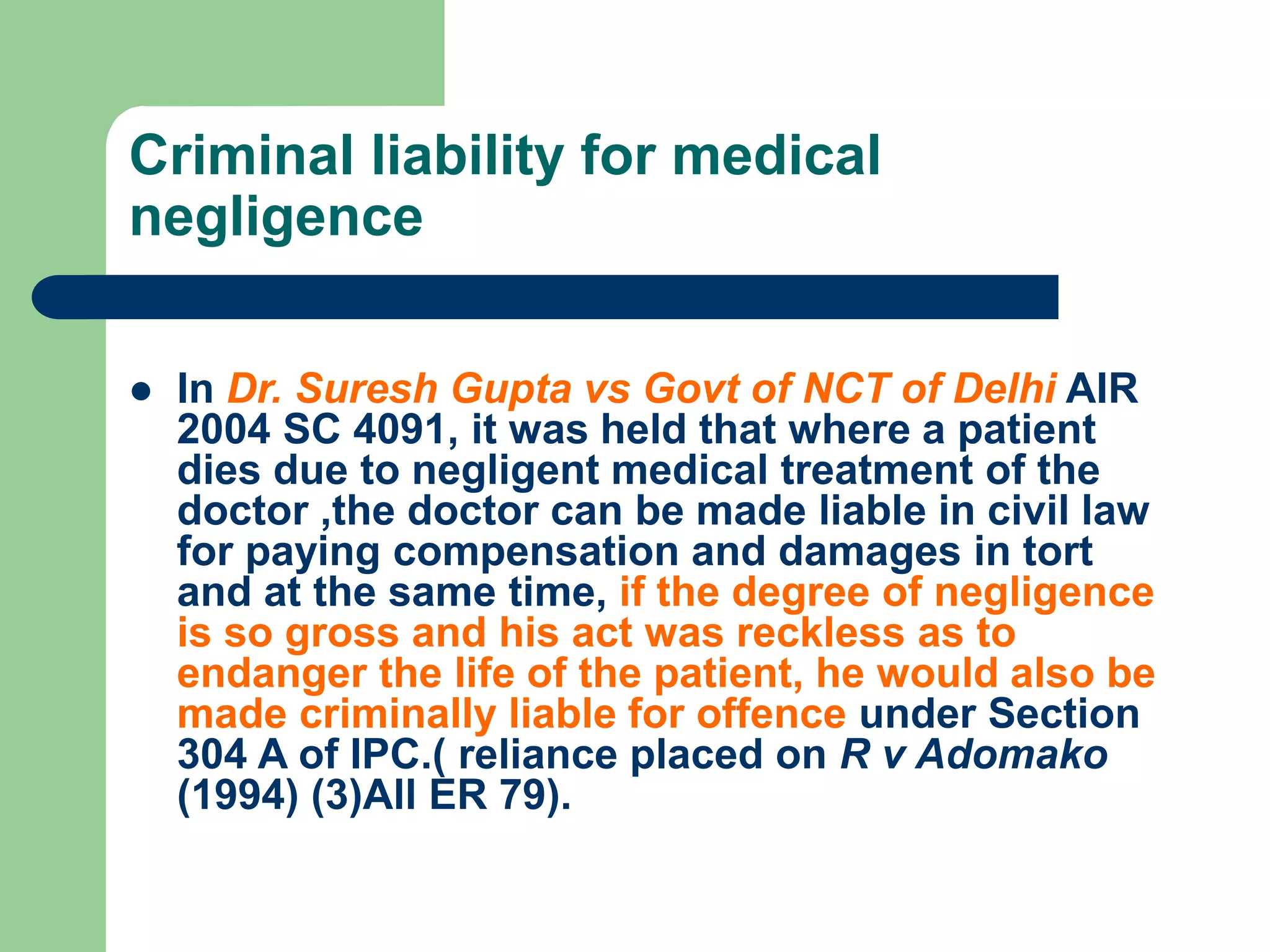
The incident of Netera Sangma’s rabies death has prompted discussions about the legal measures in place regarding medical negligence in Meghalaya. It has become evident that existing laws may not be adequate in holding healthcare providers accountable for their actions or inactions in emergencies. Legal frameworks must evolve to ensure that victims of medical negligence receive justice and that healthcare facilities adhere strictly to emergency treatment guidelines.
As a part of the investigation into this tragic situation, it’s essential for policymakers to reconsider current regulations around emergency care. Laws should explicitly state the obligations of hospitals and care providers, promoting a culture of responsiveness that prioritizes patient welfare above bureaucratic limitations. Much like the implications of landmark cases such as Parmanand Katara vs. Union of India, this incident can serve as a critical touchstone for initiating policy changes that ultimately preserve the right to life and health for all citizens.
The Role of Media in Raising Rabies Awareness
Media coverage plays an instrumental role in shaping public perception and awareness of health crises, including rabies. The incident involving the young girl from Meghalaya has been covered extensively, drawing attention to the dire consequences of medical negligence and the urgent need for public health education. By highlighting such tragedies, media outlets have the ability to foster community engagement on issues of healthcare rights and rabies prevention.
Moreover, media platforms can serve as catalysts for awareness campaigns that inform the public about rabies symptoms, treatment protocols, and the importance of vaccination. By utilizing various media channels, from news articles to public service announcements, communities can be educated on how to respond effectively to animal bite incidents and connect with local health services. The responsibility of the media extends beyond reporting; it also includes supporting initiatives aimed at preventing future occurrences of rabies and advocating for necessary reforms within the healthcare system.
Emergency Preparedness in Rural Health Facilities
The heartbreaking incident in Meghalaya highlights the critical need for improved emergency preparedness in rural health facilities. It is essential for hospitals, particularly in areas like Tura where resources are limited, to develop protocols that anticipate and address uncommon but critical cases such as rabies. Training staff to recognize symptoms, manage emergencies effectively, and coordinate referrals can be lifesaving. Establishing rapid response teams equipped for handling urgent situations will streamline processes during critical moments.
In addition to training, infrastructure upgrades are necessary to ensure facilities can accommodate emergency cases. This could mean increasing bed capacity or ensuring the availability of isolation units specifically designed for treatment of contagious diseases like rabies. A well-prepared health facility not only enhances patient outcomes but also builds trust within the community, encouraging families to seek timely medical attention without fear of denial or misdiagnosis.
Lessons from Rabies Cases: Enhancing Public Health Policies
The death of a child from suspected rabies in Meghalaya serves as a poignant reminder of the need for comprehensive public health policies aimed at preventing rabies and improving healthcare access. Learning from this tragic incident, public health officials and policymakers should prioritize the integration of effective rabies vaccination programs for pets and public education initiatives that raise awareness about the disease. By ensuring that communities have access to reliable information about rabies, families can take proactive measures to protect themselves and their children.
Furthermore, this incident must trigger a review of healthcare policies regarding emergency treatment. Public health authorities should collaborate with medical institutions to reinforce protocols that guarantee immediate care for patients suspected of having rabies or suffering from similar life-threatening conditions. Strengthening public health policies will not only address rabies but also enhance the overall responsiveness of healthcare systems in Meghalaya, ultimately safeguarding the lives of its citizens.
Frequently Asked Questions
What details are known about the recent rabies death in Meghalaya?
The tragic rabies death in Meghalaya involved an 11-year-old girl, Netera Sangma from Azigre village, who allegedly died due to denial of treatment in Tura. After suffering a dog bite months prior, she experienced severe symptoms that led her family to seek medical help. Despite being suspected of having rabies, she was turned away from two hospitals, igniting outrage over possible medical negligence in the West Garo Hills district.
| Key Point | Details |
|---|---|
| Incident Overview | An 11-year-old girl, Netera Sangma, died after being allegedly denied medical treatment for rabies in Tura, Meghalaya. |
| Background | Netera was bitten by a dog several months ago but didn’t inform her family due to fear. |
| Symptoms and Treatment Attempts | Netera began vomiting and initially lied about the cause of her illness before later disclosing the dog bite. |
| Hospital Visits | The family visited two hospitals in Tura but were refused treatment due to bed shortages. |
| Investigation | A formal complaint has been filed against the hospitals for negligence, and an inquiry is set to take place. |
| Public Reaction | The incident has led to widespread outrage and calls for accountability regarding the healthcare system. |
Summary
The Meghalaya rabies incident underscores the tragic consequences of alleged medical negligence and the critical need for accessible healthcare in emergencies. Netera Sangma’s unfortunate demise following a denied treatment highlights the vulnerabilities faced by patients in dire situations. The public outcry and the inquiry into this incident bring to light the urgent need for reforms in the healthcare system to ensure that no one is turned away during critical moments. As authorities investigate, this case may serve as a catalyst for change in how emergency care is delivered in Meghalaya.



























