

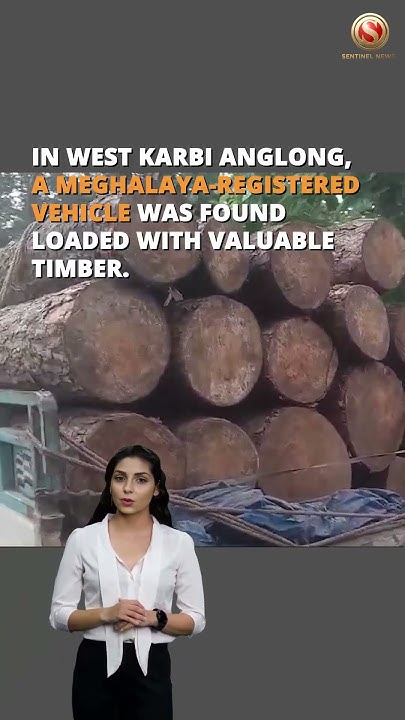
The alarming loss of forests in Karbi Anglong has emerged as a pressing environmental concern, with over 97,000 hectares of forest cover disappearing between 2001 and 2020. This drastic decline in forest area is a significant contributor to Assam’s ongoing environmental degradation, exacerbating issues such as biodiversity loss in Karbi Anglong. Factors like agricultural expansion and increasing urbanization have led to substantial land-use changes in Assam, further intensifying the precarious balance between human activity and nature. Additionally, this loss of habitat has heightened human-wildlife conflict as wildlife is pushed into closer contact with human populations. If these trends persist, the repercussions could jeopardize the ecological integrity of this rich and diverse region, underscoring the urgent need for sustainable management strategies.
The ecological crisis in the Karbi Anglong district represents a critical phase of forest cover decline that poses serious threats to the regional environment. With a significant reduction in tree cover over the last two decades, this area illustrates the broader narrative of Assam’s struggle against environmental challenges. The repercussions of land-use changes are beginning to reveal themselves through escalating human-wildlife conflict and severe biodiversity concerns in the once-thriving ecosystems. The combined pressures from population growth and illegal resource exploitation point to a complex interplay between development needs and conservation efforts. Understanding this ecological crisis through various terms—such as deforestation, habitat degradation, and environmental imbalance—highlights the urgent need for concerted action to protect Karbi Anglong’s unique natural heritage.
The Impact of Karbi Anglong Forest Loss on Biodiversity
The significant loss of forest cover in Karbi Anglong has raised alarming concerns regarding biodiversity loss in this ecologically rich region of Assam. The decline of over 97,000 hectares of forest between 2001 and 2020 has not only diminished the habitat for countless species but has also disrupted the intricate balance of the local ecosystem. As dense forests give way to agricultural land and urban development, many species that once thrived in these environments are now at risk of extinction. This is especially crucial for endemic species, which depend exclusively on these habitats for their survival.
Moreover, the fragmentation of remaining forest areas has exacerbated the situation, leading to isolated wildlife populations that struggle to find food and mates. The increased human-wildlife conflict, as highlighted in recent studies, further underscores the need for immediate intervention. Wildlife such as elephants, which are integral to maintaining forest ecosystems, find their migratory routes blocked due to land-use changes and habitat degradation. As a result, we witness not just a decline in biodiversity but a shift in the ecological balance of Karbi Anglong.
Human-Wildlife Conflict and Its Connection to Forest Cover Decline
The pressing issue of human-wildlife conflict in Assam is intricately linked to the declining forest cover in Karbi Anglong. As forests are systematically destroyed to make way for human activities, wild animals encroach upon cultivated lands in search of food, leading to confrontations with humans. The alarming figures, with over 1,400 human deaths and approximately 1,200 elephant fatalities recorded from 2000 to 2023, highlight the severity of this conflict. It is a testament to the stress that wildlife faces as their natural habitats shrink, forcing them into closer proximity with human populations.
Conservation experts warn that this escalating conflict could have dire consequences for both ecosystems and local communities. The ongoing habitat loss diminishes food sources for wildlife, leading to increased aggression as animals become desperate. Communities in Karbi Anglong are caught in a challenging predicament: the need for agricultural expansion to support a growing population directly impacts wildlife, while diminishing forests threaten their agricultural viability. Addressing this complex interplay requires urgent strategies that foster coexistence between development needs and wildlife preservation.
Land-Use Changes in Assam: A Double-Edged Sword
Land-use changes in Assam, particularly in Karbi Anglong, illustrate a dual challenge facing the region. On one side, the expansion of agricultural land by over 26.69 sq. km and built-up areas exceeding 30 sq. km highlights the need for economic development driven by a rising population. However, the transformation of pristine forested areas into farmland and urban settlements has dire implications for the environment. As forest ecosystems are converted for human use, the loss of vital habitats contributes to biodiversity loss and the weakening of ecological services such as soil stability and water filtration.
This rapid transition in land use also generates a feedback loop that exacerbates environmental degradation. Deforestation increases soil erosion and adversely affects water quality, which in turn impacts agriculture and local livelihoods. Experts note that without sustainable land management practices, Assam risks further degradation, compounding challenges related to food security and ecosystem health. Striking a balance between development and conservation, particularly in vulnerable areas like Karbi Anglong, is pivotal for creating a sustainable future.
Consequences of Environmental Degradation in Karbi Anglong
The long-term consequences of environmental degradation in Karbi Anglong extend beyond immediate ecological impacts. With the rapid loss of forest cover, residents have begun to experience significant changes to their daily lives. Reports have emerged of dwindling water resources, as rivers that once flowed throughout the year have started to dry up. This alarming shift is not merely an inconvenience; it poses a serious threat to agricultural practices that depend on consistent water availability, ultimately affecting food security for the local population.
Furthermore, the interplay between declining biodiversity and soil erosion raises concerns about the sustainability of farming practices in the region. As forests act as natural barriers against soil wear, their absence accelerates the erosion process, resulting in decreased soil fertility over time. Local farmers report diminishing crop yields, prompting a need for increased reliance on chemical fertilizers, thereby introducing new environmental challenges. As these cascading effects unfold, it becomes clear that the consequences of deforestation in Karbi Anglong are multifaceted, necessitating immediate attention and action from policymakers and the community alike.
The Role of Conservation Efforts in Mitigating Forest Loss
In response to the alarming trends of forest cover loss in Karbi Anglong, various conservation efforts have emerged aimed at restoring balance to the region’s fragile ecosystems. Community-led initiatives and governmental programs are focusing on sustainable practices that can help mitigate environmental degradation caused by human activities. These initiatives often involve reforestation efforts, education about sustainable land use, and the promotion of alternative livelihoods that lessen reliance on forest resources, thereby helping to alleviate the pressures of deforestation.
However, the success of these conservation efforts hinges on community involvement and a collective commitment to protecting local biodiversity. By engaging local populations in decision-making processes, conservation programs can address the realities of economic development while prioritizing environmental sustainability. Empowering communities provides them with the tools and knowledge to effectively manage their natural resources, ultimately fostering a coexistence between ecological health and human prosperity in Karbi Anglong.
Challenges in Balancing Development and Environmental Protection
The challenge of balancing development and environmental protection in Karbi Anglong is profound, as reflected in the dual pressures of demographic growth and ecological degradation. As the population surges, so does the demand for land, leading to a relentless push into forested areas for agriculture and infrastructure. This relentless expansion often occurs without adequate planning or consideration of ecological consequences, resulting in significant environmental harm, including habitat loss and increased human-wildlife conflict.
Moreover, the lack of robust regulatory frameworks exacerbates the difficulties faced by conservationists and local communities alike. Unregulated activities such as illegal logging and resource extraction further strip the region of its natural wealth, complicating efforts to rehabilitate degraded areas. Without comprehensive policies that integrate sustainable development principles, Karbi Anglong may continue its trajectory toward severe environmental crises, underscoring the urgency for collaborative solutions that safeguard both livelihoods and the ecosystem.
Local Perspectives on Environmental Changes Over Time
Local residents of Karbi Anglong have observed the prominent changes in their environment, reflecting the broader ecological decline that has occurred over the past few decades. Many have expressed concerns about the thinning of forests that were once a vital part of their lives, supporting both their livelihoods and cultural identity. As the lush greenery gives way to barren land, community members report feelings of loss and uncertainty regarding the future of their natural resources.
Additionally, these observations are corroborated by scientific studies documenting the extent of environmental change in the region. The visible impacts include not only the loss of tree cover but also shifts in wildlife behavior as animals adapt to the changing landscape. As community members grapple with these transformations, their narratives highlight the need for alternative approaches that emphasize local knowledge and practices in addressing the pressing challenges posed by environmental degradation.
Future Implications of Persistent Forest Cover Loss
The persistent loss of forest cover in Karbi Anglong poses significant future implications for both ecological stability and local human communities. Experts warn that continuing trends of deforestation may lead to irreversible damage, including the exacerbation of soil erosion and a sharp decline in water availability. Such environmental stresses can provoke further conflicts over increasingly scarce resources, particularly as agricultural activities expand. The delicate balance between human needs and ecological integrity teeters perilously, demanding immediate and effective interventions.
Moreover, the long-term impacts of biodiversity loss cannot be understated. A reduction in species variety weakens ecosystems, diminishing their resilience to changing climatic conditions. In Karbi Anglong, where the ecological balance has already been disrupted, future generations may face a drastically altered landscape, characterized by diminished natural resources. Recognizing the interconnectedness of human activity and environmental health is essential for crafting sustainable policies that ensure both ecological and community resilience for the future.
The Importance of Sustainable Land Management
Sustainable land management (SLM) emerges as a crucial strategy for addressing the environmental challenges faced by Karbi Anglong. As the region grapples with the consequences of forest cover decline, implementing SLM practices can significantly contribute to restoring ecological balance while meeting the needs of the growing population. Techniques such as agroforestry, permaculture, and organic farming not only protect remaining forests but also enhance agricultural productivity by promoting soil health and biodiversity.
Furthermore, engaging local communities in sustainable practices fosters a sense of stewardship over natural resources. Education and training programs aimed at teaching sustainable land use can empower residents to manage their ecosystems effectively, thereby reducing dependence on unsustainable practices that contribute to deforestation and habitat loss. Ultimately, recognizing the importance of sustainable land management in Karbi Anglong is essential for paving the way toward a balanced coexistence between human activity and ecological preservation.
Frequently Asked Questions
What are the main causes of forest cover decline in Karbi Anglong?
The forest cover decline in Karbi Anglong is primarily due to a combination of factors including rapid population growth, changes in land use for agriculture and urban development, illegal logging, and resource extraction. Between 2001 and 2020, Karbi Anglong lost approximately 97,400 hectares of forest, representing nearly 12% of its total forest area. As more land is converted into agricultural fields and built-up areas, the pressure on the remaining forests increases, leading to further degradation and loss of biodiversity.
| Key Point | Details |
|---|---|
| Forest Loss | Karbi Anglong lost over 97,000 hectares of forest cover (approximately 12% of its forest area) from 2001 to 2020. |
| Agricultural Expansion | Increase in agricultural land by 26.69 sq. km and built-up areas by over 30 sq. km between 2013 and 2023. |
| Population Growth | Population rose from 950,000 in 2011 to an estimated 1.1 million by 2025, increasing demand for land. |
| Illegal Activities | Timber smuggling and over-extraction of resources, including 8 million cubic meters of stone mined illegally. |
| Wildlife Conflict | Human-wildlife conflicts have escalated with over 1,400 human deaths and about 1,200 elephant fatalities due to habitat loss. |
| Environmental Consequences | Potential long-term impacts include soil erosion, water scarcity, and declining biodiversity. |
| Local Observations | Residents report thinning forests and diminishing river flows, indicative of ecological decline. |
Summary
Karbi Anglong forest loss has emerged as a grave concern as extensive deforestation and environmental degradation have taken a toll on an area once rich in biodiversity. Over the last two decades, significant forest areas have vanished due to agricultural expansion, illegal logging, and rising population demands. This drastic decline of over 97,000 hectares represents not just a loss of trees but a collapse of local ecosystems that sustain both wildlife and human communities. Echoes of this loss are heard in the increasing human-wildlife conflicts and the plight of local rivers and wildlife that struggle to survive amidst shrinking habitats. If these trends continue unabated, the deleterious effects will resonate far beyond Karbi Anglong, threatening ecological stability and biodiversity in the broader region. Thus, the preservation of Karbi Anglong’s forests is imperative for maintaining environmental balance and supporting the livelihoods of its communities.



























