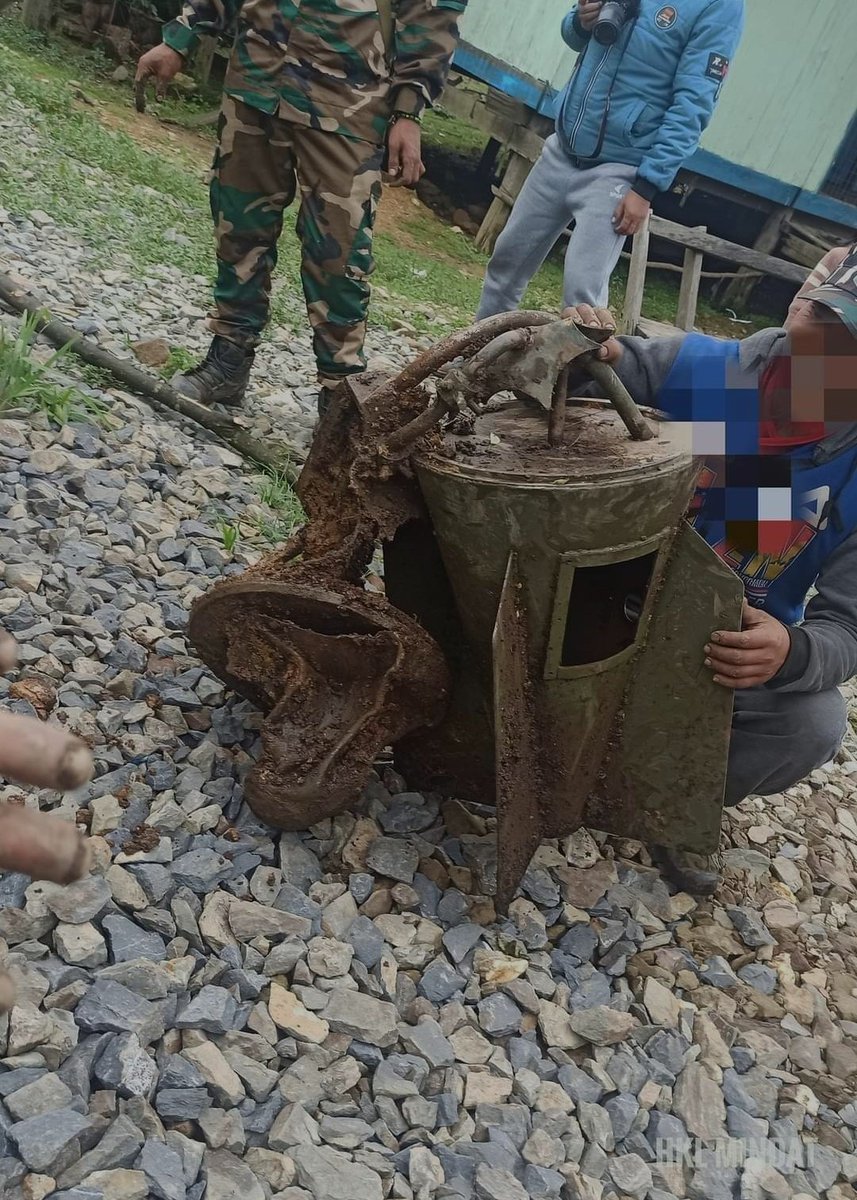
The recent Myanmar airstrike civilian casualties have sparked international outrage, when a military operation tragically targeted Khaupuichiip village in Chin State, resulting in the deaths of seven innocent civilians, including six children. This grievous incident occurred near the India border on a Friday afternoon, as residents witnessed a military jet drop bombs onto a playground, shattering the lives of families and communities. The heartbreaking nature of this attack, where victims ranged from just five months to ten years old, sheds light on the harsh reality of civilian deaths in Myanmar amidst increasing military aggression. As local media and resistance groups report, the casualties from this airstrike are not isolated but part of a larger pattern of Myanmar military attacks against its own citizens. Such airstrike news adds to the growing concerns surrounding the safety of civilians in conflict zones, escalating the call for accountability and protection for vulnerable populations.
In the face of escalating violence, the devastating airstrike incident in Myanmar has become a stark illustration of the perilous situation for civilians amidst military hostilities. The merciless attack on Khaupuichiip village, situated in Chin State, underscores the dreadful risks faced by innocent families caught in crossfire during ongoing military confrontations. As communities grapple with the implications of military actions that lead to such tragedies, the distressing loss of life, particularly among children, highlights an urgent humanitarian crisis. With the ongoing conflict resulting in numerous civilian injuries and fatalities, it has never been more crucial to address the urgent needs of those affected by the Myanmar armed forces’ relentless assaults. The plight of these individuals serves as a poignant reminder of the urgent need for protection and support to prevent further civilian casualties in this conflicted region.
Myanmar Airstrike Civilian Casualties: A Tragic Toll
The recent airstrike in Chin State has raised urgent concerns regarding civilian safety amidst ongoing military operations in Myanmar. This incident struck Khaupuichiip village, resulting in the heartbreaking loss of seven lives, including six innocent children. This tragic event exemplifies the devastating impact that military strategies can have on non-combatants, particularly vulnerable populations like children. The airstrike not only caused immediate physical harm but as reported, has led to profound psychological distress within the community as residents grapple with the trauma of such violence.
The attack has brought renewed attention to the rising civilian deaths in Myanmar due to military aggression. Following a series of Myanmar military attacks in various regions, the situation remains precarious for many. Communities are now caught in a cycle of fear, with many hesitant to gather in public spaces, especially areas frequented by children, like playgrounds. In the wake of the Khaupuichiip village incident, humanitarian organizations and local resistance groups are calling for accountability and an end to these violence-driven military tactics.
The Khaupuichiip Village Incident: A Beacon of Hope for Justice
Following the devastating airstrike that hit Khaupuichiip village, there has been an outpouring of grief and outrage directed towards the Myanmar military. As resistance groups and local communities rally together, there is a growing hope that this incident will spur international attention and drive action toward justice. Eyewitness accounts and reports from local media have detailed the horrific events, prompting global organizations to demand an investigation into the use of military aircraft targeting civilian areas.
This tragic occurrence points to larger struggles faced by civilians amid escalating conflict in the region. Areas like Chin State continue to experience instability, where military attacks disrupt daily life. As the airstrike news spreads, the focus must shift towards advocating for humanitarian aid for the survivors and supporting their recovery from this tragedy. Activists are urging for protections of civilians and expressing that the international community must stand against such human rights violations.
Understanding the Context: Chin State and Ongoing Military Tensions
Chin State has been a focal point of conflict in Myanmar, especially following the recent upsurge in military actions aimed at suppressing resistance groups. The Khaupuichiip village attack occurred shortly after the military regained control of Falam from the Chin Brotherhood, indicating the volatile environment where both military strategy and civilian safety are in constant conflict. The recent surge in civilian casualties, particularly among children, emphasizes the urgent need for dialogue and de-escalation of hostilities in the region.
The public discourse around the Chin State airstrike is vital for understanding the implications of military actions on ordinary lives. It is crucial to examine the narratives surrounding the military’s approach and to hold them accountable for the resultant civilian deaths, as every life lost represents a family shattered and a community mourning. By shining a light on these incidents, advocates hope to mobilize resources and support for those affected, emphasizing the need for international awareness to prevent further tragedies.
The Aftermath of the Khaupuichiip Tragedy: Community Resilience
In the wake of the Khaupuichiip tragedy, the resilience of the affected community has become apparent. Local residents are not only mourning their losses but are also coming together to support one another in this trying time. Many families are stepping up to assist those most affected, providing food, shelter, and emotional support to the survivors of the airstrike. Their collective strength serves as a reminder of the human spirit’s ability to endure even the most harrowing circumstances.
However, resilience must be paired with rebuilding efforts and advocacy. The need for psychological support, medical care for the injured, and assistance for families who have lost their breadwinners is dire. Communities are reaching out to NGOs and regional aid organizations to mobilize resources, emphasizing that healing will require both local efforts and broader systemic changes. The Khaupuichiip village incident serves not only as a tragic reminder of the costs of war but also as a rallying cry for solidarity and healing in the face of adversity.
International Response to Civilian Collateral in Myanmar
The international response to civilian casualties resulting from military actions in Myanmar, like the Khaupuichiip airstrike, has been one of condemnation and calls for accountability. Human rights organizations have urged global powers to intervene, emphasizing the need for sanctions against the Myanmar military and support for the affected communities. The loss of innocent lives, particularly those of children, has sparked discussions about the ethical implications of military engagements and the necessity for protections for civilians trapped in conflict zones.
Diplomatic channels are being leveraged to address these human rights violations, as countries and international bodies collectively emphasize the importance of upholding human dignity amidst conflict. As discussions unfold in global forums, the plight of civilians impacted by the military’s increasingly aggressive tactics is expected to remain at the forefront. The need for humanitarian intervention and sustained advocacy for peace is crucial to prevent further tragedies and support those affected by such devastating incidents.
The Role of Media in Documenting Myanmar Airstrikes
The role of media has never been more critical in documenting the impacts of military airstrikes in Myanmar, particularly in light of events like the recent Chin State attack. Journalists and local media have provided essential narratives that reveal the harsh realities faced by civilians and the often-overlooked consequences of military engagement. By reporting on incidents such as the Khaupuichiip airstrike, media outlets help raise awareness on a global scale, ensuring that these tragedies do not go unnoticed.
However, covering conflict zones presents unique challenges for the media, often resulting in risks to journalists themselves. Despite potential dangers, it is essential for the press to continue shedding light on these issues, holding responsible parties accountable, and captivating international attention toward humanitarian needs. The coverage of airstrike news must include voices from the affected communities, amplifying their stories and advocating for change in the face of ongoing conflict.
Clarity on the Humanitarian Crisis in Myanmar
The humanitarian crisis in Myanmar has deepened due to ongoing military actions, leading to great concern over civilian safety and well-being. Incidents like the airstrike in Khaupuichiip village are emblematic of a larger pattern of military aggression against civilians, creating a mounting death toll and a desperate need for relief. Understanding the scope of this crisis is essential for those looking to provide assistance, as many communities are left grappling with loss and trauma.
Humanitarian organizations are working tirelessly to address the immediate needs of affected civilians, although resource scarcity and access restrictions hinder their efforts. As the public becomes more aware of this ongoing conflict, it is crucial that the international community mobilizes support for aid efforts and advocates for long-term solutions to these conflicts in Myanmar. The voices of the survivors must be amplified to ensure that their plight is not forgotten and that constructive actions are taken to prevent future tragedies.
Seeking Justice for Victims of Myanmar Military Attacks
Justice for the victims of Myanmar military attacks, including the recent airstrike in Khaupuichiip village, remains a vast yet critical undertaking. Advocacy groups are urging for independent investigations into these incidents, calling for accountability for the loss of innocent lives. The tragic loss of seven lives, particularly that of children, underscores the importance of a robust response from the international community to ensure those responsible are held accountable for their actions.
As global discussions about military tactics and civil rights evolve, there is hope that concerted efforts can lead to punitive actions against military leaders and provide a sense of closure for the bereaved families. Moreover, pursuing justice for victims also means advocating for durable peace in Myanmar, ensuring that future generations are safeguarded from the devastation of war and violence. This incident serves as a rallying point for broader movements seeking an end to the cycles of violence affecting innocent civilians.
The Importance of International Solidarity in Myanmar’s Crisis
International solidarity plays a fundamental role in addressing the humanitarian crisis in Myanmar, particularly in the wake of military actions that severely impact civilians. The global response to tragedies like the Khaupuichiip village airstrike signifies the need for a unified front that advocates for human rights and humanitarian assistance. Solidarity can lead to increased visibility of the issues faced by civilians, inspiring broader movements and interventions aimed at alleviating suffering and restoring peace.
Moreover, international partnerships can strengthen local efforts to support those affected by military assaults. This solidarity not only brings in resources and aid but also encourages dialogues about the ramifications of military actions on civilian populations. The tragic events unfolding in Myanmar highlight the urgency of a collaborative approach to ensure that human rights are protected and that all victims receive the necessary support to rebuild their lives in the face of adversity.
Frequently Asked Questions
What happened during the recent airstrike in Chin State, Myanmar that caused civilian casualties?
On Friday, a Myanmar military airstrike targeted Khaupuichiip village in Chin State, resulting in civilian casualties, including the tragic deaths of seven individuals, six of whom were children aged between five months and ten years. The attack occurred when military jets dropped bombs on a playground where children were playing, leading to critical injuries for several other civilians. This incident has raised serious concerns regarding the ongoing impact of Myanmar military attacks on civilian populations.
| Key Points | Details |
|---|---|
| Incident | Myanmar military airstrike in Chin State. |
| Date | April 25, 2023 |
| Location | Khaupuichiip village, Chin State, near Myanmar-India border. |
| Casualties | Seven civilians killed, including six children (ages 5 months to 10 years). |
| Details of Attack | Military jet dropped two 500-pound bombs on a playground. |
| Injuries | About a dozen civilians injured, some critically. |
| Context | Attack followed the military’s regained control of Falam from Chin resistance groups. |
| Government Response | No immediate statement from the military regarding the incident. |
Summary
The recent Myanmar airstrike civilian casualties reflect a tragic and devastating impact on innocent lives. In an attack that occurred in Chin State, seven civilians, including six young children, were killed when bombs struck a village playground. The targeted nature of this strike raises serious concerns about the protection of civilians amidst ongoing conflicts, especially in areas like Khaupuichiip near the India border, where militarized strategies appear to undermine community safety. The youngest victims, ages ranging from five months to ten years, exemplify the grave consequences that civilians face during military operations. Such incidents highlight the urgent need for accountability and protective measures for civilians in conflict zones, drawing attention to the human cost of warfare.