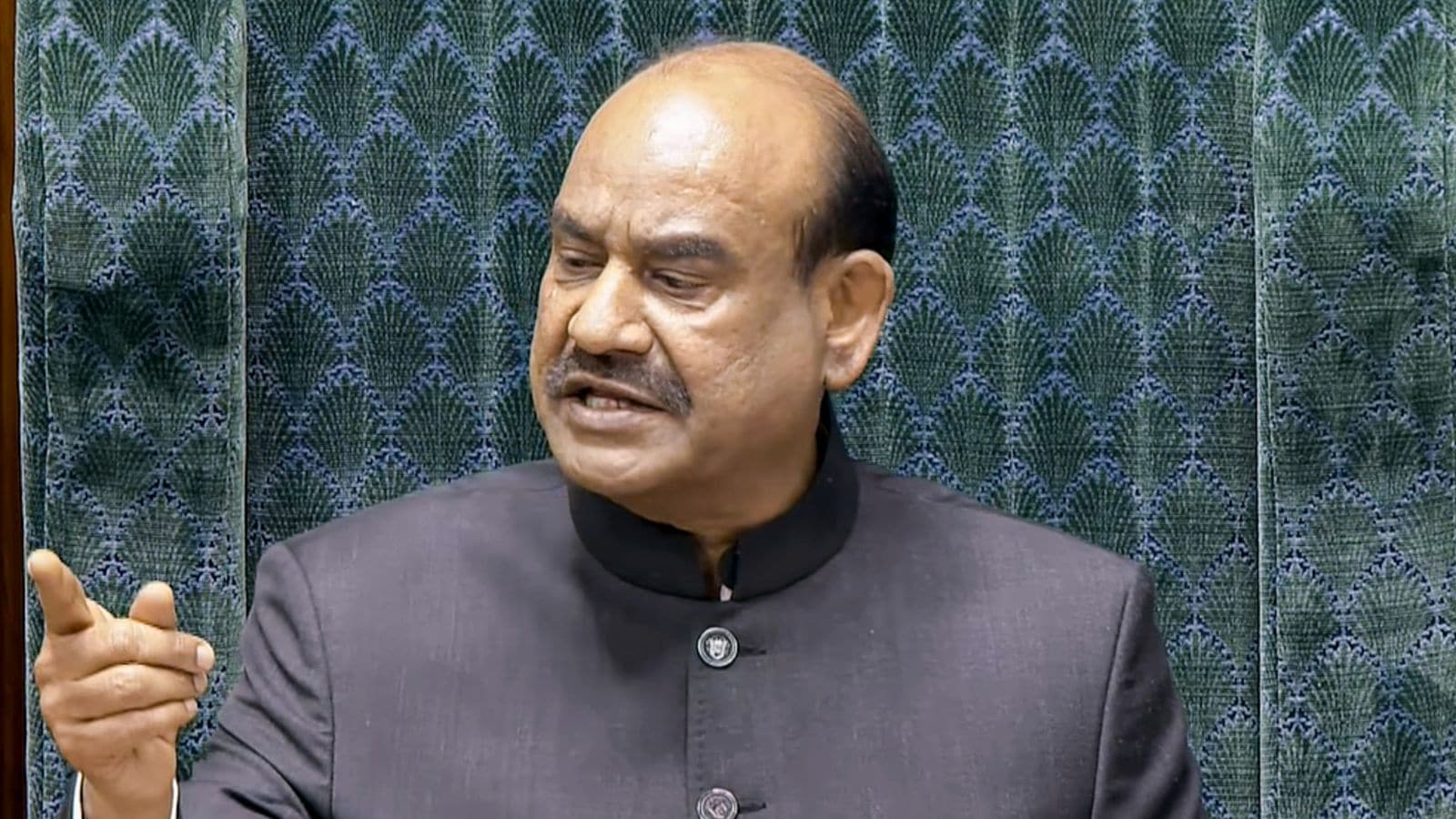
The Sikkim Legislative Assembly, an essential component of the state’s governance, plays a pivotal role in shaping local laws and policies. Recently, the Speaker of the Sikkim Legislative Assembly, Mingma Norbu Sherpa, represented the assembly at a significant meeting of the “Committee of Presiding Officers to Review the Committee System” held at the Rajasthan Legislative Assembly in Jaipur. This gathering was notable not only for the participation of various legislative leaders, including Om Birla, the Speaker of the Lok Sabha, but also for the collaborative spirit evident among attendees from across India. The discussions focused on enhancing legislative procedures, a crucial step for improving governance in all participating states. The Sikkim Legislative Assembly remains committed to engaging in such dialogues, ensuring its relevance in a rapidly evolving political landscape.
The assembly representing the state of Sikkim is a vital institution within the framework of regional governance in India. Known for its legislative effectiveness, this assembly convenes to deliberate on essential state matters and introduces crucial laws. The recent assembly meeting that involved Mingma Norbu Sherpa and other legislative leaders aimed to explore the committee system’s improvements, showcasing an interconnectivity between various state legislatures. Various esteemed speakers from different states, including the Rajasthan Legislative Assembly, gathered to exchange insights on governance best practices. This collaborative approach illustrates the importance of shared governance and legislative efficiency, reinforcing the necessity for ongoing discussions in legislative assemblies across the nation.
Overview of the Sikkim Legislative Assembly Meeting
The recent gathering of the Sikkim Legislative Assembly, led by Speaker Mingma Norbu Sherpa, is a significant event in the context of legislative collaboration and governance in India. The meeting, which took place at the Constitution Club of Rajasthan, aimed to address the efficacy and framework of the committee system within legislative bodies. This initiative is part of a broader effort to enhance legislative functions across various states, showcasing the importance of inter-state dialogue in refining governance mechanisms.
Attending alongside Speaker Sherpa were notable delegates including Secretary Lalit Kumar Gurung and Principal Director Karma Tshering Gyatso Bhutia, who contributed valuable insights during the discussions. The collaborative atmosphere fostered by the committee of presiding officers illustrates a commitment to improving legislative processes. As state speakers from across India congregated, it emphasized the unified goal of enhancing legislative efficiency and systematizing operations within assemblies.
The Role of Mingma Norbu Sherpa in Legislative Development
Mingma Norbu Sherpa’s leadership in the Sikkim Legislative Assembly reflects his commitment to legislative development and governance. His role as Speaker places him at the forefront of discussions aimed at reforming and optimizing legislative practices. At the recent meeting, his participation highlighted the significance of Sikkim in the broader national legislative scenario, allowing for Sikkim’s unique challenges and successes to be shared among peers.
Sherpa’s engagement in the Committee of Presiding Officers is particularly important as it underscores his drive to align Sikkim’s legislative processes with other state assemblies, such as those in Rajasthan and Madhya Pradesh. By fostering such relationships, Sherpa aims to implement best practices that can benefit the Sikkim Legislative Assembly and enhance its operational framework significantly.
Insights from the Committee of Presiding Officers Meeting
The Committee of Presiding Officers meeting, chaired by Madhya Pradesh’s Narendra Singh Tomar, was a crucial confluence of legislative minds aiming to tackle common challenges faced by state assemblies. The conference brought together speakers from various states, igniting discussions on effective governance and the workings of legislative committees. Notable attendees, including Rajasthan Speaker Vasudev Devnani and others, contributed diverse viewpoints that enriched the dialogue.
One of the primary outcomes of this meeting was the decision to review the draft report for the committee system, which will eventually be presented to Lok Sabha Speaker Om Birla. The collaborative nature of the discussions reflects a shared commitment to legislative improvement and accountability, with the endorsements of multiple state leaders suggesting a consolidated approach towards ongoing reforms.
Key Takeaways from the Event
The meeting produced several key takeaways that will influence future legislative actions across states. Emphasis was placed on the relevance of adapting committee systems to contemporary legislative needs, ensuring that all state assemblies can effectively address their constituencies’ concerns. The presence of various assembly speakers also reinforced the necessity for synchronization in legislative practices nationwide.
Moreover, the lunch hosted by Rajasthan Legislative Assembly Speaker Vasudev Devnani served as an informal yet effective platform for networking and deeper discussions among the attendees. This social aspect of the event allowed for the sharing of experiences, fostering camaraderie among legislative leaders who are tasked with similar responsibilities back home.
The Importance of Legislative Assemblies in Indian Democracy
Legislative assemblies play a pivotal role in the functioning of democracy in India, providing a platform for discussion, debate, and decision-making on crucial issues facing the populace. The Sikkim Legislative Assembly, amidst its participation in national dialogues such as the Committee of Presiding Officers meeting, exemplifies the significant contributions that state legislatures make towards national governance.
As representatives of the people, legislative assemblies are responsible for not only law-making but also for overseeing the implementation of policies that affect citizens’ lives. The interactions among speakers from different states highlight a collaborative spirit essential for addressing collective challenges and shaping a harmonious relationship between state and central governance.
Legislative Assembly Trends and Innovations
In recent years, there has been a notable shift towards innovative practices within legislative assemblies across India. This includes the introduction of digital technologies to enhance transparency and accessibility in legislative processes. The discussions at the recent meeting involved exploring how delegates can leverage technology to improve the functioning of their respective assemblies, which is crucial for enabling effective communication with constituents.
Additionally, the consideration for modernizing the committee system indicates a proactive approach to addressing the complexities of contemporary governance. By adopting new methodologies, legislative bodies can ensure that they remain relevant and responsive to the ever-changing political landscape, ultimately fostering a more engaged civil society.
Networking Among Legislative Leaders
Networking among legislative leaders is an essential aspect of such meetings, allowing for the exchange of ideas and best practices that can enhance the functioning of assemblies. The presence of influential figures such as Om Birla and Madhya Pradesh Speaker Narendra Singh Tomar creates avenues for collaboration that can lead to systemic reforms, impacting how governance is executed at both state and national levels.
These interactions often go beyond formal discussions; they build relationships that can facilitate future cooperation on legislative matters. Collaborative efforts can pave the way for unified legislative strategies, ensuring that states can work together towards common goals and objectives, strengthening the democratic framework of the country.
Visiting Legislative Venues for Practical Understanding
A significant part of the Committee of Presiding Officers meeting was the tour of the Rajasthan Legislative Assembly premises. This not only provided delegates with insights into Rajasthan’s legislative practices but also showcased the architectural and historical importance of assembly buildings, which symbolize democracy’s foundation.
By visiting such venues, delegates could witness firsthand how physical environments influence legislative processes and interactions. Experiencing these spaces fosters an appreciation for the traditions and responsibilities that come with the role of a Speaker and invites discussions on how legislative settings can be optimized for better functionality.
Future Directions for the Sikkim Legislative Assembly
The discussions held at the Committee of Presiding Officers meeting signal future directions for the Sikkim Legislative Assembly. By embracing recommendations and insights gathered during such collaborative engagements, the assembly can enhance its legislative processes and bolster its effectiveness.
As the Sikkim Legislative Assembly prepares to implement potential changes arising from the meeting’s discussions, the focus will likely be on increasing engagement with the public and improving legislative accountability. These steps will not only strengthen the assembly’s structure but also reaffirm the commitment of its leaders to uphold the democratic values of transparency and representation.
Frequently Asked Questions
What was the purpose of Mingma Norbu Sherpa’s attendance at the Committee of Presiding Officers meeting related to the Sikkim Legislative Assembly?
Mingma Norbu Sherpa, the Speaker of the Sikkim Legislative Assembly, attended the meeting of the Committee of Presiding Officers to review the committee system. The meeting aimed to discuss and finalize the draft report for submission to the Lok Sabha Speaker, Om Birla, and included other notable participants from various state legislative assemblies, such as Rajasthan and Madhya Pradesh.
| Key Point | Details |
|---|---|
| Meeting Attendance | Mingma Norbu Sherpa, Speaker of the Sikkim Legislative Assembly, attended a meeting at the Constitution Club of Rajasthan. |
| Delegation Members | The delegation included Secretary Lalit Kumar Gurung, Principal Director Karma Tshering Gyatso Bhutia, and PS to the Speaker Aadarsh Chhetri. |
| Committee Chairman | The meeting was chaired by Narendra Singh Tomar, Speaker of the Madhya Pradesh Legislative Assembly. |
| Other Participants | Participants included Speakers from different state assemblies: Vasudev Devnani (Rajasthan), Satish Mahana (Uttar Pradesh), Kuldeep Singh Pathania (Himachal Pradesh), and Surama Padhy (Odisha). |
| Upcoming Submission | The committee plans to review and approve the draft report for submission to Lok Sabha Speaker Om Birla in the next meeting. |
| Delegates’ Tour | Prior to discussions, delegates toured the Rajasthan Legislative Assembly premises. |
| Lunch Host | Lunch was hosted by Rajasthan Legislative Assembly Speaker Vasudev Devnani, attended by Rajasthan’s Chief Minister and Deputy Chief Minister. |
Summary
The Sikkim Legislative Assembly plays a pivotal role in the governance and legislative processes within the state. Recently, Mingma Norbu Sherpa, the Speaker of the Sikkim Legislative Assembly, participated in a significant meeting aimed at reviewing the committee system among state assemblies. This meeting, convened at the Constitution Club of Rajasthan, showcased a collaborative effort among various state speakers, highlighting the importance of inter-state dialogue in legislative practices. The outcomes of such meetings not only enhance the legislative framework but also strengthen cooperative governance across different states, paving the way for refined legislative operations that can benefit the constituents of Sikkim and beyond.