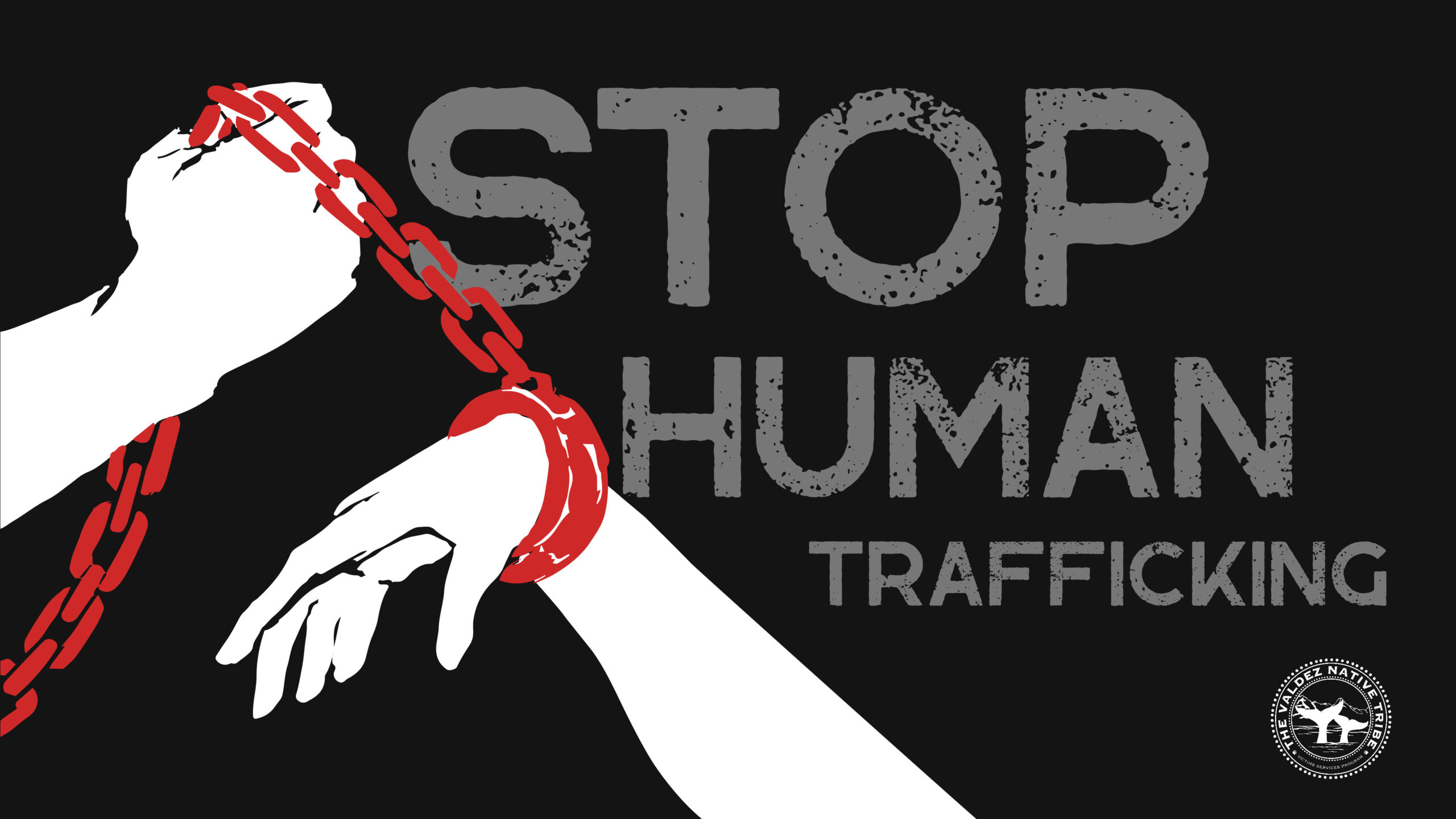
A Pakistani man guilty of human smuggling has been at the center of a high-profile case in a US court, revealing the dark world of international human trafficking. Leading an elaborate smuggling network, 49-year-old Abbas Ali Haider orchestrated the illegal transportation of Pakistani nationals to the United States under the guise of various fake film companies. This notorious conspiracy involved methods such as issuing fake visas and using a convoluted route through Ecuador, Cuba, and Colombia before accessing the US via its southern border. Haider was extradited from Mexico to face serious charges, and following his guilty plea, he faces significant prison time for his actions. The severity of this case highlights the ongoing challenges authorities face in combatting human smuggling and the exploitation often involved in such operations.
The recent conviction of a Sialkot native underscores a critical issue within the realms of illegal immigration and cross-border trafficking. This individual, acting as the leader of a smuggling operation, misused impostor companies to facilitate the travel of unsuspecting Pakistani citizens seeking a better life in the United States. Employing strategies including counterfeit documentation and deceptive visa applications, he exploited vulnerable individuals desperate to escape their circumstances. The case sheds light on the intricate dynamics of human trafficking and illegal migration routes, particularly those that connect South Asia with the Americas, exposing how organized crime continuously finds new ways to circumvent legal barriers. As policymakers and law enforcement intensify efforts to dismantle such networks, it remains crucial to raise awareness about the risks faced by those who engage with these dangerous operations.
Pakistani Man Guilty of Human Smuggling: A Major International Conspiracy
In a shocking revelation, Abbas Ali Haider, a 49-year-old man from Sialkot, has pleaded guilty in a US court for his pivotal role in an international human smuggling organization. This case brings to light the complexities of human trafficking and smuggling networks that exploit vulnerable individuals seeking better opportunities. Haider’s operation involved a sophisticated network that utilized fake companies and visas to facilitate illegal entries into the United States, showcasing a disturbing trend in global human trafficking.
The smuggling ring operated under the guise of legitimate film production, luring Pakistani nationals with the promise of work and social mobility. However, the reality was far from innocent, as these individuals were misled into believing they would be employed through Haider’s fictitious companies. The reality of being charged exorbitant fees of up to $40,000 for such dangerous journeys highlights the severe risks these migrants take in the hope of escaping dire conditions in their home country.
The Role of Fake Visas in Human Trafficking Operations
The use of fake visas in human smuggling cases is a critical tactic that allows traffickers to bypass legal immigration processes and increase their profits at the expense of the vulnerable. In Haider’s case, the provision of fraudulent documentation played a central role in his scheme, enabling his clients to falsely present themselves as legitimate workers in the film industry. This not only illustrates the lengths to which smugglers will go to ensure successful illegal crossings but also highlights the pressing need for stronger measures to combat the forgery of official documents.
By portraying themselves as employees of fictitious film companies, these individuals were able to traverse through Latin American countries such as Panama and Brazil under false pretenses. This process exposes a critical weakness in border security measures, as customs and immigration officials often depend on the validity of such documents in their screening processes. The alarming rise in fake visa incidents underscores the complexity of human trafficking networks, necessitating international cooperation to dismantle these operations.
Impact of Human Smuggling on Migrants and Society
The ramifications of human smuggling extend far beyond the immediate legal implications for traffickers like Haider; they deeply affect the lives of the migrants caught in these webs of deception. Individuals fleeing economic hardship and seeking better futures in the United States find themselves at the mercy of unscrupulous smugglers, who prey on their vulnerability. The trauma and exploitation faced by these migrants can result in lasting psychological impacts, alongside the loss of financial resources, as many families invest their savings in these dubious ventures.
Moreover, the societal consequences are equally dire, as public resources become overburdened by the influx of illegal migrants. This not only strains local communities but also complicates the narratives surrounding immigration and national security. The engagement of smugglers in these operations tends to perpetuate a cycle of crime, making it increasingly imperative for law enforcement agencies to take a proactive stance against international human trafficking and smuggling.
Judicial Consequences of Human Smuggling in the US
The judicial outcomes for individuals convicted of human smuggling, as evidenced by Abbas Ali Haider’s case, serve as a warning to potential traffickers operating similar schemes. The US court system has a strict stance against human trafficking, and Haider’s guilty plea will likely result in significant prison time, with sentences reaching as high as ten years. This clarity in legal repercussions not only seeks to punish perpetrators but also to deter others contemplating similar illegal activities.
As the legal proceedings unfold, they highlight the essential role of the judicial system in combating human smuggling and protecting vulnerable populations. The Department of Justice’s involvement illustrates the level of seriousness with which these crimes are treated, emphasizing that international smuggling networks will be met with stiff penalties when caught. The commitment to holding individuals accountable acts as a deterrent and signals to traffickers that their operations are under scrutiny and vulnerable to legal action.
The Journey through the ‘Dunki’ Route: A Treacherous Path
The ‘dunki’ route, a less conventional path taken by migrants heading to the US, showcases the lengths individuals go to in pursuit of a better life. Abbas Ali Haider’s smuggling network cleverly utilized this route through Ecuador, Cuba, and Colombia, leading to the southern US border under a false pretense of legitimate travel for film production. This highlights not only the creativity of smuggling operations but also the desperation of migrants willing to undertake such dangerous journeys.
Traveling through various Latin American countries, individuals face numerous risks including hostile environments, exploitation, and the constant threat of apprehension. The reliance on smugglers like Haider underscores the perilous position these migrants find themselves in, where they are often left vulnerable and without support. The treacherous nature of the journey perceptibly raises the stakes, making it crucial for authorities to continuously work towards dismantling these smuggling operations and creating safer pathways for migration.
International Cooperation Against Human Trafficking
In the fight against human smuggling and trafficking, international cooperation becomes vital. Countries need to collaborate to share intelligence on human smuggling networks, like the one led by Abbas Ali Haider, to dismantle them effectively. With each nation having unique laws and enforcement methods, a cooperative approach allows for the blending of resources and strategies to combat this global issue. This could include joint operations, training programs for law enforcement, and comprehensive policy development aimed at strengthening border security.
Moreover, addressing the root causes of migration can significantly reduce the dependency on smugglers. Economic development, educational opportunities, and political stability in countries with high emigration rates can help mitigate the factors leading individuals to resort to dangerous and illegal channels in search of a better life. By approaching the issue from both a humanitarian and law enforcement perspective, international communities can build a robust framework to prevent human smuggling and protect those at risk.
Understanding the Dynamics of Human Smuggling Networks
Human smuggling networks are highly organized entities, often comprised of various roles that facilitate the entire operation. With leaders like Abbas Ali Haider orchestrating the scheme from afar, others work on the ground to secure safe passage for migrants through countries fraught with danger and uncertainty. The complexity of these networks involves intricate planning, including the creation of fake identities and the manipulation of visa systems to fool border officials. Understanding this network dynamic is crucial for disrupting these operations.
Additionally, the collaboration between different actors within these networks often leads to increased sophistication in their methods. As authorities develop countermeasures to thwart smuggling activities, smugglers find new ways to adapt, presenting an ongoing challenge for law enforcement agencies. The case of Haider elucidates the necessity for continuous assessment and development of strategies that can keep pace with the evolving tactics used by human smuggling rings and assist in safeguarding individuals from falling into their traps.
Legal Framework Surrounding Human Smuggling in the US
The legal framework governing human smuggling in the US is quite stringent, designed to combat the increasing threat posed by traffickers and smugglers. Individuals like Abbas Ali Haider are prosecuted under severe statutes that reflect the government’s commitment to eradicating human trafficking. The ramifications of these laws extend beyond immediate incarceration; they serve as a deterrent for would-be traffickers who risk hefty penalties and criminal charges if caught.
Understanding the legal intricacies of human smuggling is essential for both law enforcement officials and those working within immigration advocacy. It provides insight into the challenges faced in prosecuting these crimes and the need for persistent efforts to adapt laws as new smuggling techniques arise. Through strict legal repercussions, united with preventative measures and public awareness campaigns, the momentum in combating human smuggling networks can be strengthened.
The Consequences of False Employment Claims in Smuggling Cases
False employment claims are a critical aspect of many human smuggling operations, as epitomized by Haider’s fraudulent use of fictitious film companies. Such practices not only facilitate illegal entry into the US but also exacerbate the normalization of deception that can occur within human trafficking. When migrants falsely represent themselves as employees, they often unwittingly contribute to a cycle of exploitation and further complicate immigration processes for other legitimate applicants.
The ramifications of these deceptive claims extend into broader societal implications, often resulting in a general mistrust towards immigrant populations. Law enforcement and immigration officials must navigate these complex scenarios carefully to ensure fairness and justice while combating smuggling. Educating both migrants on the dangers of such schemes and the public about the underlying issues can foster a more informed discourse on legitimate immigration processes, which highlights the importance of addressing and dismantling smuggling networks.
Frequently Asked Questions
What did the Pakistani man guilty of human smuggling do in the US court?
A 49-year-old man from Sialkot, Abbas Ali Haider, pleaded guilty in a US court for leading an international human smuggling organization. This conspiracy involved orchestrating illegal entry into the US for Pakistani nationals by using fake companies and fake visas. Haider’s smuggling network facilitated the movement of these individuals through a route that included Ecuador, Cuba, and Colombia before reaching the US via the southern border.
| Key Point | Details |
|---|---|
| Plea | Guilty in US court for leading human smuggling organization. |
| Origin | From Sialkot, Pakistan. |
| Charges | Involvement in international human smuggling conspiracy using fake companies and visas. |
| Method | Smuggling through a ‘dunki’ route via Ecuador, Cuba, Colombia, to the US. |
| Extradition | Extradited to the US from Mexico in July 2025. |
| Sentencing | Set for July 30, facing 3-10 years in prison. |
| Financial Aspects | Charged each migrant up to $40,000 for smuggling services. |
| Deception Methods | Used fraudulent documentation and fake employment claims to evade authorities. |
Summary
The Pakistani man guilty of human smuggling, Abbas Ali Haider, represents a significant case in the fight against international trafficking networks. His conviction highlights the alarming practices employed by smugglers to exploit vulnerable individuals aspiring for better opportunities in the United States. By creating deceptive pathways through fraudulent companies and visas, Haider’s actions not only put lives at risk but also challenged the integrity of border security systems. The case serves as a stern warning and a reminder of the ongoing issues related to human trafficking and immigration fraud.