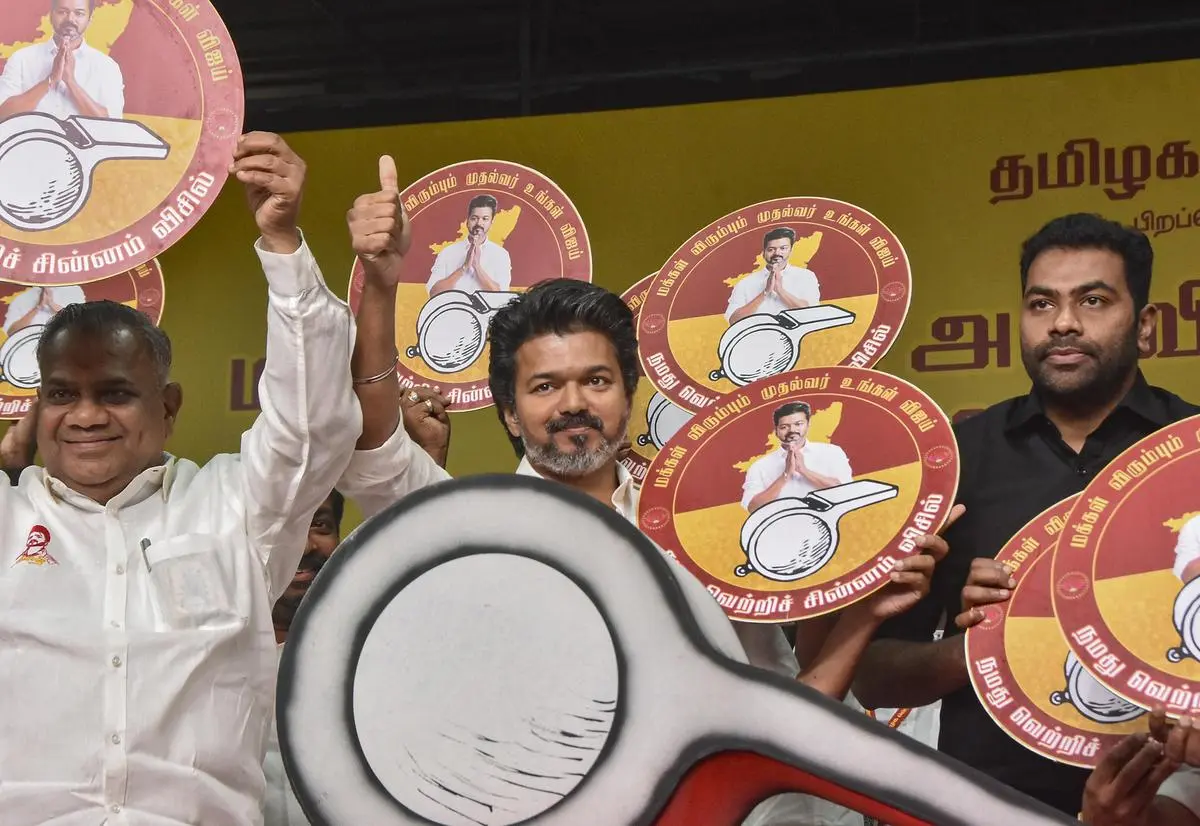
The recent Congress DMK alliance has come to a surprising end, marking a significant shift in the political landscape of Tamil Nadu. Following the DMK’s defeat in the state elections, Congress has chosen to support the Tamil Vaazhvar Katchi (TVK), igniting tensions within the INDIA bloc. This decision follows a remarkable 11-year partnership between Congress and DMK, which now faces criticisms from DMK leaders who perceive this as an act of betrayal. The support for TVK by Congress underscores the evolving political alliances in India, reflective of the shifting loyalties and strategic maneuvers among regional parties. As the dust settles, the ramifications of Congress breaking its alliance with DMK will undoubtedly shape the future of political alliances in the region.
In a stunning political maneuver, the Congress party has dissolved its long-standing partnership with the Dravida Munnetra Kazhagam (DMK), a development that has left many stakeholders and supporters in shock. This unexpected turn of events comes on the heels of DMK’s electoral setbacks in Tamil Nadu, prompting Congress to realign its support towards the Tamil Vaazhvar Katchi (TVK). The fractures within the INDIA bloc, which aimed for a unified opposition front, are now more pronounced, with Congress’s shift being labeled an act of disloyalty by DMK officials. The evolving dynamics of political alliances in India are vividly illustrated by this fallout, raising questions about the stability and future collaborations among regional parties. As political entities navigate these turbulent waters, the consequences of such realignments will resonate throughout the state’s electoral landscape.
Impact of Congress DMK Alliance Breakdown
The recent termination of the alliance between Congress and DMK marks a significant shift in Tamil Nadu’s political landscape. After 11 years of collaboration, Congress’s decision to withdraw support has not only shocked DMK leadership but also raised questions about the future of the INDIA bloc. The ramifications of this split are profound, as it highlights growing tensions within opposing political factions in India, especially in the wake of the DMK’s electoral defeat.
This fracture between Congress and DMK illuminates the delicate nature of political alliances in India, where cooperative efforts can quickly dissolve under pressure from electoral setbacks. The support for TVK by Congress demonstrates a strategic pivot, as they rally their resources toward local leaders like C Joseph Vijay. With Congress’s backing of five MLAs, the landscape becomes even more competitive, potentially reshaping future electoral strategies in Tamil Nadu.
Lessons from the DMK’s Defeat in Tamil Nadu
The DMK’s recent defeat in Tamil Nadu serves as a pivotal learning moment for political parties within the state. Analyzing the factors that led to their downfall is essential for both DMK and its former ally, Congress. The alliance had been aimed at consolidating power against rising competitors, but internal disagreements and ineffective strategies ultimately wreaked havoc on their political ambitions. The evolving political climate necessitates an urgent reevaluation of coalition strategies to avoid further calamities.
Moreover, the DMK’s loss brings light to the complexities of the INDIA bloc divisions. As Congress shifts its allegiances towards TVK, the implications for DMK’s ability to rebuild trust and credibility come into sharp focus. The need for cohesive action and a united front with dependable allies has never been more pronounced. These lessons highlight the importance of adaptability in political alliances, especially in the face of electoral challenges.
The Rising Support for TVK in Tamil Nadu Politics
Following Congress’s endorsement of TVK, the party has emerged as a formidable player in Tamil Nadu politics. The move signifies not just a support for a specific candidate but also an opportunity for TVK to cement its position among voters disillusioned with larger established parties. The strategic backing by Congress could foster a coalition that reflects the shifting dynamics of public sentiment and electoral preferences in the region.
TVK’s ascent is indicative of how grassroots movements can attract substantial party attention, especially when larger alliances like the DMK-Congress coalition falter. As TVK garners support, it presents an alternative narrative that could directly influence voter alignments in upcoming elections. This support, especially from a party like Congress, suggests a possible renaissance in Tamil Nadu’s political narrative where local voices might reclaim relevance.
Exploring INDIA Bloc Divisions Post Congress’s Move
The recent decision by Congress to sever ties with DMK is a stark reminder of the fragility of political alliances, particularly within the INDIA bloc framework. The divisions created by this split not only threaten the unity of the coalition but also raise concerns about its effectiveness in countering opposition forces in the state. Political analysts are now closely monitoring how this fracture will influence voter alignment and party strategies leading up to future elections.
As the INDIA bloc faces internal challenges, the implications of Congress’s newfound support for TVK cannot be understated. The shift illustrates a potential reevaluation of partnership dynamics among regional parties as they navigate the political waters of Tamil Nadu. With growing public sentiments favoring alternatives, the future could witness a dramatic reshaping of alliances that echo beyond current definitions and alliances.
Navigating Political Alliances in India: A Case Study
The termination of the Congress-DMK alliance offers critical insights into the broader spectrum of political alliances in India. History has shown that such collaborations are often formed based on mutual interests and shared goals. However, the rapid changes and unpredictable nature of electoral politics in India can quickly alter the landscape, making it imperative for parties to adapt proactively, as seen in this case.
This case study emphasizes the necessity for political parties to maintain robust communication and strategy adjustments to sustain alliances. The breakdown between Congress and DMK serves as a tangible example of how misalignment and lack of forward-thinking can lead to fragmentation, pushing parties to rethink their alliances and consider new partnerships, particularly as local factions like TVK begin gaining traction.
Analyzing the Fallout from the Breakup
The political fallout from Congress breaking its alliance with DMK underscores the volatility of relationships among parties in electoral politics. This breakup has not only reshaped voter perceptions but also given rise to new dialogues among parties regarding loyalty and support. As Congress now rallies behind TVK, the implications ripple through Tamil Nadu’s political fabric, where former allies must navigate a freshly contoured landscape.
Furthermore, this split catalyzes discussions about the effectiveness of coalition politics in India. The shifting allegiances highlight the continuously evolving nature of party politics where strategic decisions can lead to both opportunities and setbacks. The question remains whether Congress’s pivot to support TVK will foster a stronger opposition to rival parties or complicate its own electoral strategies in the long run.
The Strategic Move: Congress Backs TVK
The recent strategic maneuver by Congress to back TVK after breaking ties with DMK showcases the intricate maneuvering common in Indian politics. This endorsement is not just a tactical shift; it represents a broader attempt to realign political forces in Tamil Nadu. By throwing support behind TVK leader C Joseph Vijay, Congress aims to capture the burgeoning support base of a party that resonates with disenchanted voters.
This shift also represents a fascinating study in political realignment, as regional players like TVK gain traction and influence amid larger party failures. The backing of Congress can potentially redefine political narratives in Tamil Nadu, illustrating how parties can mobilize to reallocate support in response to changing electoral landscapes.
Consequences of Breaking Political Alliances
The decision by Congress to dissolve its long-standing alliance with DMK will have significant repercussions in the political arena. Breaking political alliances often triggers a cascade of events, influencing voter sentiments and party dynamics. In this particular situation, such a split not only signals discontent within the INDIA bloc but also empowers opposition parties to capitalize on disarray among traditional allies.
Moreover, the breakdown opens a dialogue about the sustainability of political alliances in a rapidly evolving electoral environment. As both parties reassess their strategies moving forward, the ripple effects of Congress’s decision may lead to a reevaluation of political tactics and voter engagement strategies for future elections.
The Role of Leadership in Political Alliances
Leadership plays a crucial role in sustaining political alliances. The breakdown in the Congress-DMK relationship reflects the importance of effective communication and shared vision among leaders. In the wake of electoral defeat, the ability of leaders like Rahul Gandhi and MK Stalin to navigate differences and maintain solidarity can determine the success or failure of political coalitions.
As we observe the shifting alliances, it becomes clear that leaders must be adept at managing both internal and external pressures. The Congress’s backing of TVK may appear to be a strategic necessity, but it underscores the need for leaders to stay responsive to voter sentiments while carefully balancing the dynamics of coalition governance.
Frequently Asked Questions
Why did Congress end its alliance with the DMK in Tamil Nadu?
Congress ended its 11-year alliance with the DMK following the latter’s recent defeat in Tamil Nadu elections. This breakup is significant, as Congress has chosen to support the Tamilaga Vazhvurimai Katchi (TVK) instead, potentially deepening the divisions within the INDIA bloc. Political analysts suggest that this decision marks a shift in political alliances in India, affecting future collaborations.
| Key Point | Details |
|---|---|
| End of Alliance | Congress ends its 11-year alliance with DMK, realigning with TVK. |
| Support for TVK | Congress pledges support for TVK’s Joseph Vijay and backs its five MLAs. |
| Criticism from DMK | DMK criticizes Congress for supporting an opposing ally, reflecting division in the coalition. |
| INDIA Bloc Tensions | The split reveals deepening tensions within the INDIA bloc after DMK’s recent electoral defeat. |
Summary
The Congress DMK alliance has recently faced a pivotal moment as Congress has decided to terminate its 11-year relationship with the DMK, opting instead to extend its support towards TVK and its leader, C Joseph Vijay. This significant shift not only demonstrates the shifting political landscape in Tamil Nadu but also underscores the fractures within the INDIA bloc. The DMK’s harsh criticism of Congress highlights the ongoing tensions and challenges that arise when political alliances shift. As Congress aligns with TVK, it raises questions about the future dynamics of coalition politics in the region, spotlighting the delicate balance of support and loyalty that parties must navigate.