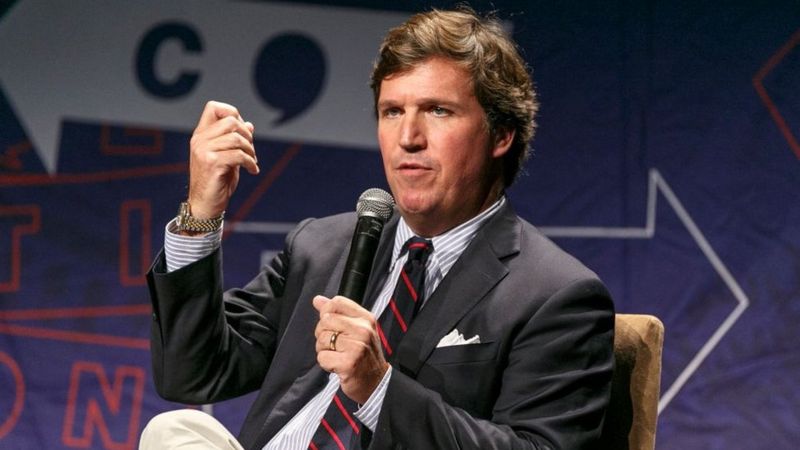
Candace Owens has emerged as a polarizing figure within conservative media dynamics, particularly amid the unfolding disputes surrounding Turning Point USA. Recently, Owens publicly confronted TPUSA producer Blake Neff, igniting discussions that delve deep into the organization’s leadership and its ties to the late founder, Charlie Kirk. The conflict escalated on X, where Neff criticized Owens for her provocative videos and livestreams aimed at TPUSA and Kirk’s widow, Erika Kirk. His scrutiny highlighted Owens’ contentious content, including her commentary on high-profile scandals like Jeffrey Epstein, as well as her controversial remarks about Daily Wire co-founder Jeremy Boreing. This ongoing drama not only exposes rifts in conservative circles but also reflects the broader tensions shaping contemporary political discourse in America.
Candace Owens has become a focal point in the ongoing saga surrounding Turning Point USA, particularly as tensions rise over its leadership and legacy. This recent clash with producer Blake Neff has unleashed a torrent of reactions across social media, underscoring the contentious relationship between pundits and established conservative organizations. Critics have weighed in, not just on Owens’ provocative discussions about Erika Kirk but also on her broader influence within conservative commentary. As the narrative surrounding TPUSA evolves, discussions about alleged betrayals and controversial statements further complicate the picture, highlighting the complexities of media influence in political debates. The controversies surrounding these figures offer a lens into the shifting landscape of right-leaning commentary and the challenges of navigating public perception.
Candace Owens and Blake Neff: The Clash Over TPUSA’s Legacy
The online feud between Candace Owens and Blake Neff highlights the growing tensions within the conservative media landscape, particularly surrounding Turning Point USA (TPUSA) and its controversial founder, Charlie Kirk. Owens, known for her provocative commentary, has taken aim at both TPUSA and Kirk’s widow, Erika Kirk, which Neff challenged by sharing critical screenshots. This public confrontation not only shows the rift in conservative ideology but also reflects deeper issues within the organization itself. Critics argue that this battle encapsulates a larger struggle for influence and authority within conservative media, making it a focal point for discussions about loyalty and betrayal in the movement.
As Owens continues to voice her opinions through her digital platforms, her critiques underscore a willingness to challenge established norms and leaders within the conservative sphere. The fallout from the TPUSA controversy raises questions about the direction of conservative media dynamics and the implications for influential figures like Kirk and Neff. When public figures engage in conflicts of this nature, it serves to shift the narrative within the conservative community, potentially altering how followers perceive their leaders and the values those leaders represent.
Furthermore, this dispute exemplifies the complexities of navigating personal relationships intertwined with professional engagements. Owens’ past criticisms of the Daily Wire’s Jeremy Boreing signify a pattern of confrontational rhetoric that often positions her as a lone wolf in conservative circles. The reaction from figures like Blake Neff, who defend TPUSA’s legacy, illustrates the loyalty many feel toward their organizations amid public scrutiny. This dynamic raises crucial questions about accountability in leadership roles and the consequences of dissenting opinions within high-profile movements.
Ultimately, the confrontation between Owens and Neff encapsulates a significant moment in conservative media, providing insight into the evolving landscape of ideology and advocacy. As both parties continue to express their views, observers are left to ponder the long-term impact on TPUSA and the broader conservative community, which is increasingly defined by such public disputes.
The Impact of Charlie Kirk’s Controversial Leadership on TPUSA
Charlie Kirk’s leadership of Turning Point USA has been marked by controversy, which has recently resurfaced following the public clash between Candace Owens and Blake Neff. Kirk, a polarizing figure, has played a pivotal role in shaping the organization’s conservative agenda, garnering both fervent support and staunch criticism. As the dust settles from the recent conflicts, many are evaluating how Kirk’s actions and decisions have influenced the ongoing power struggles within TPUSA, especially in light of his sudden passing. His legacy continues to evoke strong emotions, not just among his followers, but also among those who have found themselves at odds with his vision and leadership style.
The debate over Kirk’s tactics, including his relationships with other key players in conservative media, also sheds light on the implications for TPUSA as it moves forward in this contentious environment. Supporters argue that Kirk’s strategies effectively engaged young conservatives, while detractors claim that they fostered division and mistrust. This conflict has brought to the forefront important discussions about the future of the organization, including who will steer it and how it will adapt to the changing political landscape that includes figures like Owens and Neff, who are vocal and unyielding in their positions.
Furthermore, the nature of Kirk’s leadership has also galvanized public discourse surrounding the ethics of conservative media dynamics. As Owens publicly critiques Kirk’s handling of TPUSA, the fallout from these discussions amplifies the importance of understanding how personal relationships and public personas can influence the broader ideological terrain. The challenges of leadership in such a high-stakes environment emphasize the need for accountability and transparency in conservative movements. The aftermath of Kirk’s leadership and the events unfolding between Owens and Neff serve as a case study in ideological conflict, and the ripple effects may redefine how younger conservatives engage with established institutions and their leaders.
In summary, the impact of Charlie Kirk’s contentious leadership style will likely shape the future of TPUSA and the conservative movement as a whole. His legacy is being scrutinized through the lens of recent confrontations, influencing how both supporters and critics engage with the organization. As TPUSA navigates these turbulent waters, the ongoing conflicts bring greater attention to the evolving landscape of conservative media and the individuals who inhabit it.
Navigating the Conservative Media Landscape: Owens, Neff, and the Future of TPUSA
The recent conflict between Candace Owens and Blake Neff highlights the tensions present in the conservative media landscape, particularly surrounding organizations like Turning Point USA (TPUSA). As both commentators rub up against each other’s ideologies, there is a growing discourse on how individuals within this space navigate their relationships and build their platforms. This is especially pertinent as Owens challenges not only Kirk’s legacy but also raises questions about the direction TPUSA is headed without its founder. The dynamics between Owens and Neff are indicative of a broader struggle for influence and acceptance in an evolving conservative narrative that seeks to attract younger audiences while retaining traditional values.
Moreover, the tension between these two figures illustrates the challenges of unity within a movement often characterized by its plurality of beliefs. As they address issues surrounding ethics, loyalty, and betrayal, individuals who follow these exchanges are left to contemplate their own positions within the conservative spectrum. The discord serves as a microcosm of the larger ideological battles being waged, forcing conservatives to reassess not just their organizational affiliations, but also the principles that underpin their advocacy.
Looking ahead, the escalating rivalry between Owens and Neff could shape the contours of future conservative media dynamics. Those engaged in or influenced by TPUSA will need to grapple with the implications of these public disputes, particularly as younger generations seek authenticity in their political engagement. In contrast to traditional conservative narratives, figures like Owens are challenging the status quo, demanding more accountability from established leaders like Neff and Kirk. This friction suggests a potential pivot in how conservative institutions adapt to emerging voices while maintaining cohesive messaging.
As the conservative landscape continues to evolve, the friction between Owens and Neff may signal a new era for TPUSA and its followers. How these conflicts are resolved—whether through reconciliation or continued dissent—will likely have far-reaching implications for the future of conservative media and its role in shaping public discourse.
Frequently Asked Questions
What recent controversy involving Candace Owens and Blake Neff highlights tensions within TPUSA?
The recent controversy centers on Candace Owens publicly challenging Blake Neff, a producer at Turning Point USA (TPUSA). This conflict arose amidst ongoing leadership struggles related to TPUSA’s late founder, Charlie Kirk. Owens criticized Neff after he shared screenshots that questioned her multiple posts targeting both TPUSA and Erika Kirk, Charlie Kirk’s widow. Owens’ videos also included controversial topics like Jeffrey Epstein theories and donor accusations, heightening scrutiny within conservative media dynamics.
| Key Point | Details |
|---|---|
| Conflict Between Owens and Neff | Candace Owens challenged Blake Neff publicly regarding criticisms of her content focused on TPUSA and Charlie Kirk. |
| Content Critique | Neff critiqued Owens for targeting TPUSA and Erika Kirk in her videos, highlighting specific thumbnails from her ‘Candace’ episodes. |
| Previous Controversy | Owens previously called Daily Wire co-founder Jeremy Boreing a ‘literal deranged stalker’ after her termination from the company. |
| Negative Tone | Neff characterized their conversation as non-productive, indicating it was like reasoning with ‘a maniac brandishing a knife.’ |
Summary
Candace Owens finds herself at the center of a heated dispute within conservative circles involving accusations of targeting fellow members of the community, notably Charlie Kirk’s widow, Erika Kirk. The escalating conflict emphasizes the ongoing leadership battles at Turning Point USA, a significant conservative organization. As Owens navigates these criticisms from Blake Neff, her strategy of discussing controversial topics like donor behaviors and allegations against other conservative figures raises questions about her role and the broader implications on conservative discourse. This situation epitomizes the tensions within the movement that Owens is deeply entwined in, showcasing the challenges she faces in maintaining her brand amidst internal conflicts.