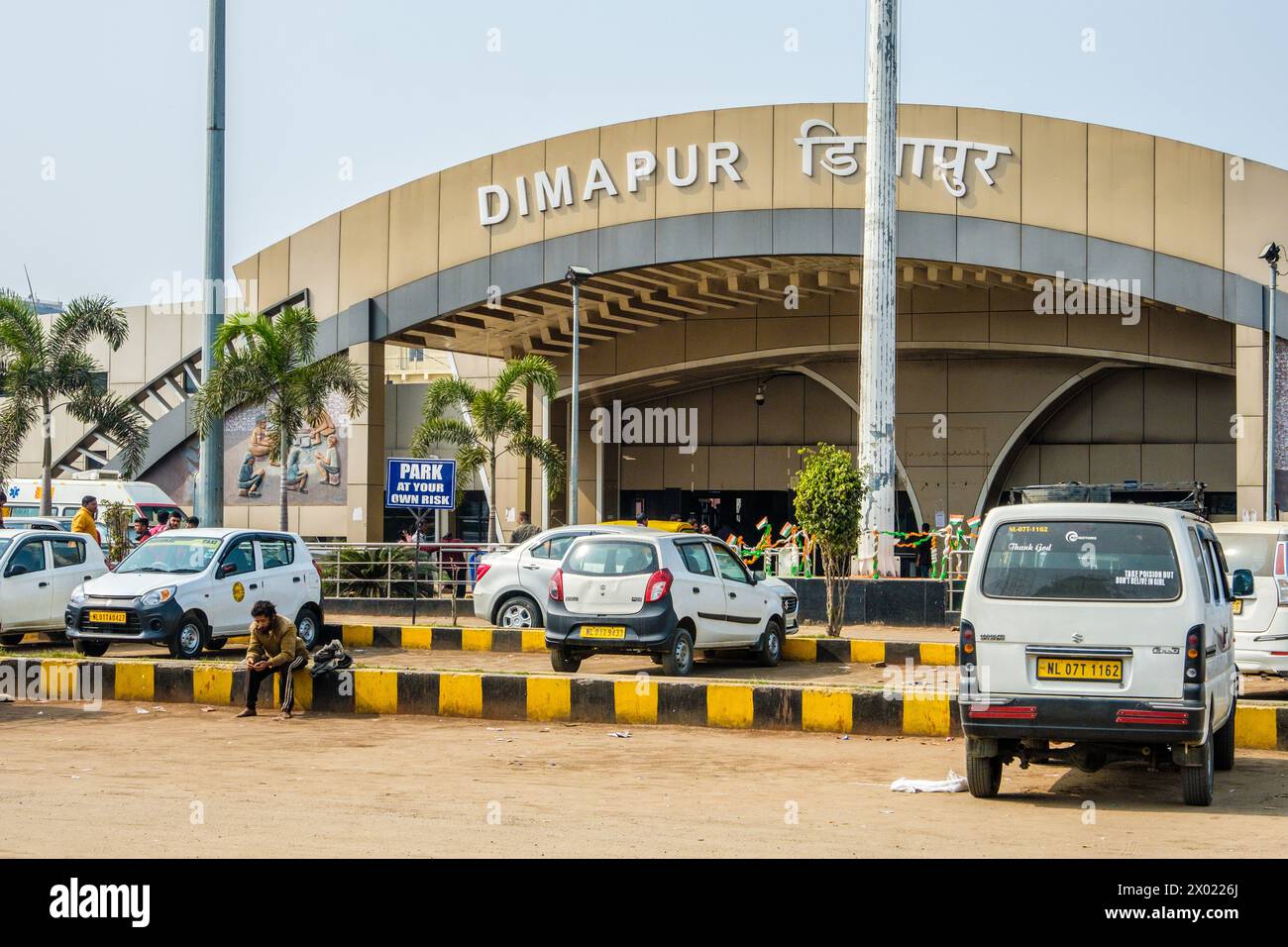
Dimapur Railway Station stands at the heart of an ambitious initiative, embraced by civil society organizations in the region seeking its redevelopment into a modern transport hub. This station, a critical node in the Indian Railways network, is currently embroiled in land disputes that could threaten its revitalization efforts. During a recent meeting organized by the Naga Council Dimapur, stakeholders emphasized the urgent need to resolve these conflicts to pave the way for the modernization project. The commitment of local organizations reflects a broader desire to enhance infrastructure while addressing the complexities of land ownership among 96 patta holders. Ultimately, the successful transformation of Dimapur Railway Station could set the stage for significant economic growth and community benefits, reinforcing its importance in Nagaland’s development narrative.
At the center of Dimapur’s urban development plans lies the train station, a fundamental element that is poised for a major overhaul. Local advocacy groups, alongside the Naga Council Dimapur, have rallied for the enhancement of this travel facility, all the while pushing for a swift resolution to overlapping land claims. The redevelopment of the station, a key component of railway modernization endeavors, promises not only to improve transportation efficiency but also to inject vitality into the local economy. Engaging in discussions to advocate for landholder rights and public interests, these organizations express strong sentiment against the potential relocation of the station. As efforts to address land disputes continue, the focus shifts towards uniting the community for the successful completion of this pivotal infrastructure project.
The Importance of Civil Society Organizations in Dimapur’s Development
Civil society organizations (CSOs) play a crucial role in advocating for community interests and fostering local development initiatives in Dimapur. Their involvement in the redevelopment of the Dimapur Railway Station showcases their commitment to enhancing local infrastructure while addressing the needs of the community. By endorsing the modernization of the railway facility, CSOs are not only supporting economic growth but are also ensuring that residents have access to improved transportation services. Their active participation is vital in bridging the gap between the government’s plans and the public’s expectations.
Moreover, CSOs have been instrumental in rallying support for the redevelopment while simultaneously highlighting the pressing issue of land disputes that threaten to derail progress. During consultative meetings led by the Naga Council Dimapur, these organizations have underscored the importance of finding amicable solutions to land grievances. They advocate for the rights of both landowners and the public interest, emphasizing that resolving these disputes will facilitate the modernization process effectively.
Resolving Land Disputes: A Key Challenge for Dimapur Railway Station Redevelopment
One of the most significant hurdles in the redevelopment initiative for the Dimapur Railway Station is the ongoing land disputes involving numerous patta holders. With over 96 claims currently complicating the project, it becomes imperative for all stakeholders to engage in serious dialogue to seek resolutions. The president of the Naga Council Dimapur, K. G. Kenye, expressed concerns that prolonged legal battles could not only delay the project but also result in relocation outside of Nagaland. This possibility has raised alarms among community members and CSOs alike, who firmly believe that the railway station should remain within Dimapur to continue serving the local population effectively.
The complexity of these land disputes requires a collaborative approach involving CSOs, landowners, and governmental authorities. By forming committees and sub-committees, the Naga Council Dimapur aims to foster constructive discussions that could lead to resolutions. Engaging with all parties involved, including the disputing patta holders, is critical in promoting understanding and finding solutions that balance development with land rights. With the commitment of local leaders and activists, there is hope that negotiations will yield positive outcomes, allowing the modernization project to advance as planned.
The Role of Landowner Engagement in Railway Modernization
Engaging landowners is vital to the successful modernization of the Dimapur Railway Station, as their participation directly impacts the project’s timeline and feasibility. The Naga Council Dimapur has recognized this need and is actively working to include landowners in the redevelopment discussions. By facilitating open lines of communication, the council aims to alleviate concerns regarding land loss and compensation. This engagement not only helps clear misunderstandings but also builds trust between stakeholders, paving the way for a more harmonious redevelopment process.
Moreover, encouraging landowners to withdraw contentious legal claims is a strategic move that could expedite the project’s progression. Many CSOs are advocating for this approach, emphasizing the greater community benefits of modernization. The hope is that by prioritizing collective well-being over individual disputes, all parties can reach a consensus that allows the railway station redevelopment to proceed without further legal entanglements. This collaborative spirit is crucial for enhancing Dimapur’s infrastructure and improving the quality of life for its residents.
Naga Council Dimapur’s Efforts to Counter Misinformation
In the face of growing misinformation surrounding the Dimapur Railway Station redevelopment project, the Naga Council Dimapur (NCD) is taking proactive steps to inform and engage the public. The dissemination of accurate information is crucial, especially regarding the alleged eviction of religious structures from the site. By convening discussions with various CSOs, including non-tribal representatives, the council seeks to address public concerns and clarify any misconceptions about the redevelopment. This transparent communication approach is essential in maintaining community trust and ensuring that the project is understood in its true context.
Additionally, NCD’s efforts to create a platform for dialogue among diverse community groups reflect a commitment to inclusivity in the redevelopment process. They aim to foster a sense of shared ownership among residents and stakeholders, thereby reducing opposition and increasing support for the project. Such initiatives not only help alleviate fears of unjust disruptions but also reinforce the notion that the railway modernization is a collective effort aimed at enhancing Dimapur’s infrastructure and economy.
The Vision for Dimapur Railway Station Redevelopment
The vision for the redevelopment of the Dimapur Railway Station is to transform it into a world-class facility that meets the needs of a growing population. With advancements in railway modernization, the project aims to enhance service efficiency and passenger experience significantly. The proposed changes are expected to include upgraded amenities, improved accessibility, and increased capacity to accommodate more passengers and freight, positioning Dimapur as a key transportation hub in the region.
However, this vision is currently hindered by land disputes and the challenges posed by patta holders. The commitment of civil society organizations to mobilize and support this vision underscores the critical role of community involvement in achieving development goals. Ensuring that diverse voices are heard in the planning stages not only enriches the project but also aligns it with the community’s aspirations, ultimately making the redevelopment beneficial for all residents of Dimapur.
Economic Impacts of Modernizing the Dimapur Railway Station
Modernizing the Dimapur Railway Station could have far-reaching economic impacts, benefiting not just the city itself but the entire northeastern region of India. Enhanced railway infrastructure can lead to improved connectivity, attracting business investments, and facilitating trade across borders. This economic upliftment can result in job creation, both during the construction phase and in the long run, once the station is operational and supporting increased passenger and freight traffic.
Moreover, the improved railway services are expected to stimulate tourism, as travelers will find it easier to access Dimapur and its surrounding areas. By integrating modern facilities with cultural promotion, the redevelopment can serve as a catalyst for local businesses, encouraging growth and sustainability. This multifaceted economic impact underscores the importance of resolving land disputes swiftly to pave the way for this significant modernization project.
Strengthening Community Engagement in the Redevelopment Process
Community engagement is essential in the redevelopment process of the Dimapur Railway Station to ensure that the voices of residents and stakeholders are considered. The active involvement of civil society organizations (CSOs) plays a pivotal role in this context, as they advocate for community concerns and collaborate with governing bodies to address potential issues. By promoting transparency and inclusivity, these organizations help build consensus and alleviate any fears regarding the project.
Furthermore, fostering strong relationships between the Naga Council Dimapur and the community can encourage a participatory approach to the redevelopment. Engaging with residents through public meetings and feedback sessions enables the council to better understand local sentiments and incorporate valuable insights into the planning process. This collaborative framework is key to ensuring that the modernization efforts reflect the desires and needs of Dimapur’s diverse population.
Challenges and Opportunities in Dimapur’s Redevelopment Initiatives
The redevelopment initiatives for the Dimapur Railway Station present both challenges and opportunities. On one hand, ongoing land disputes and legal claims from various patta holders pose significant obstacles to progress. These issues not only threaten project timelines but also raise concerns about the potential for displacement and community backlash. Without swift resolutions, the modernization efforts could face debilitating delays, hindering the long-term vision of transforming Dimapur into a contemporary transportation hub.
On the other hand, these challenges also present an opportunity for stakeholders to engage in meaningful dialogue and collaborative problem-solving. The active involvement of CSOs and public advocacy can help steer the conversation towards constructive negotiations. By fostering a spirit of cooperation between landowners, the Naga Council, and local government, stakeholders can work to find solutions that benefit both the community and the redevelopment objectives. Ultimately, addressing these challenges effectively could set a precedent for future projects in the region, showcasing how collaborative efforts can steer positive outcomes.
Future Prospects for Dimapur’s Transportation Development
The future of transportation development in Dimapur looks promising, particularly with projects like the modernization of the railway station at the forefront. As the government, in conjunction with CSOs, prioritizes the redevelopment of essential infrastructure, there lies an opportunity to not only improve local transportation but also boost overall economic growth in the region. The anticipated improvements are projected to position Dimapur as an essential transit hub in the northeastern railway network, facilitating better access and support for commerce.
As Dimapur embarks on this journey of transformation, it will be vital for the stakeholders to stay committed to resolving land disputes amicably and efficiently. With a clear focus on modernization and community involvement, the transport development project can unlock numerous benefits for residents and the local economy alike. Engaging in transparent planning and prioritizing the needs of the community will ensure that the redevelopment of the railway station fulfills its vision of becoming a cornerstone of Dimapur’s transportation landscape.
Frequently Asked Questions
What is the status of the Dimapur Railway Station redevelopment project and the related land disputes?
The Dimapur Railway Station redevelopment project is currently endorsed by civil society organizations (CSOs) in Dimapur, who are advocating for a swift resolution to ongoing land disputes. The first phase of the project requires approximately 7.3 acres, but legal challenges involving 96 patta holders could delay the railway modernization efforts. The Naga Council Dimapur (NCD) is actively working with stakeholders to resolve these disputes, ensuring the project remains on track.
| Key Points |
|---|
| Civil society organizations (CSOs) in Dimapur have supported the redevelopment of the Dimapur Railway Station. |
| CSOs are urging for a swift resolution of land disputes to prevent project delays. |
| A consultative meeting led by the Naga Council Dimapur (NCD) included various stakeholders. |
| Land disputes involve 7.3 acres required for phase one of the project and 96 patta holders. |
| Legal battles by 38 patta holders could delay the project and risk relocation. |
| NCD’s committees are addressing the issues with landowners and government officials. |
| The modernization project is of high importance for Dimapur, and CSOs are fully committed to it. |
Summary
Dimapur Railway Station is poised for a significant redevelopment, a move highly endorsed by civil society organizations in Dimapur. This reform aims to transform the station into a modern, world-class facility while addressing pressing land dispute issues that threaten the initiative’s progress. The commitment of CSOs reflects a deep-rooted desire for urban development and modernization in Dimapur, emphasizing the importance of timely resolutions to legal conflicts over land use. As stakeholders rally to support this transformation, ensuring collaboration among all parties involved will be essential for the success of the railway station’s modernization.