

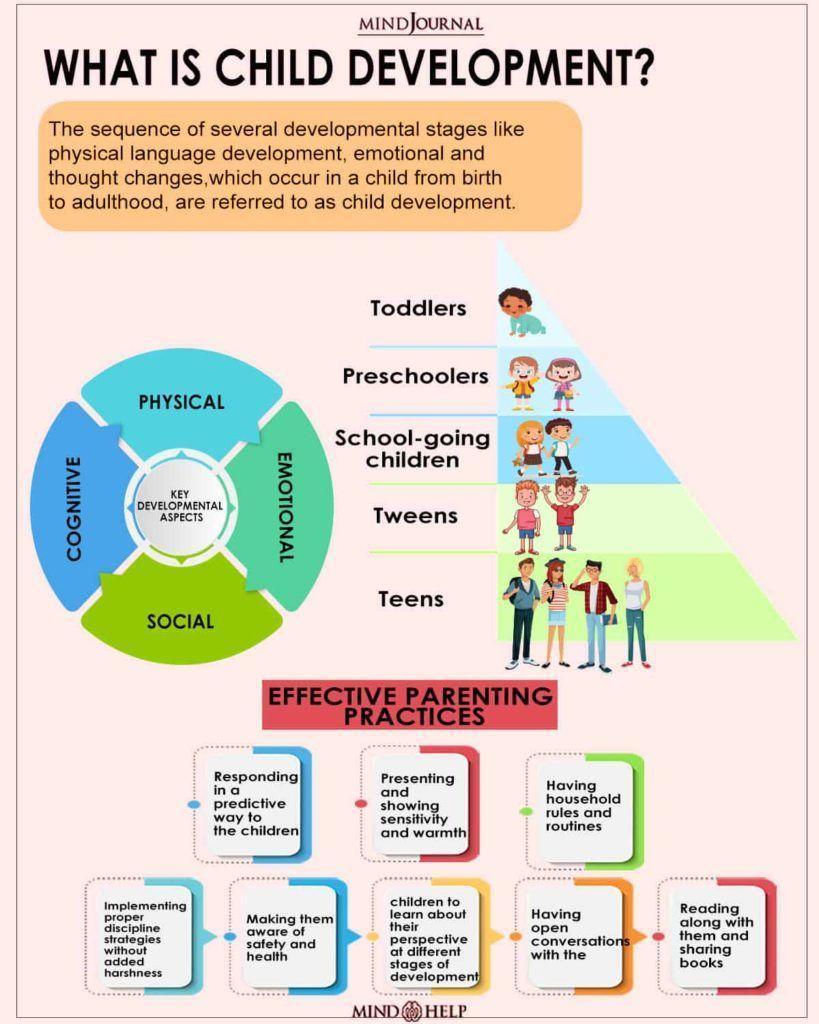
Good enough parenting offers a refreshing perspective in today’s fast-paced world, emphasizing the importance of connection over striving for perfection. The notion challenges traditional parenting styles that equate effectiveness with flawless execution, encouraging parents to prioritize bonding with their children instead. This healthier approach recognizes that overcoming perfectionism can significantly reduce the parenting challenges many face daily. By acknowledging that it’s normal to make mistakes, parents can foster genuine emotional connections that support their children’s overall development. Ultimately, good enough parenting is less about avoiding errors and more about nurturing resilient, emotionally intelligent kids who can navigate life’s ups and downs.
In the realm of child-rearing, the idea of satisfactory parenting champions a nuanced view of nurturing that values emotional engagement above idealized standards. Rather than aiming for unattainable perfection, satisfied caregivers focus on establishing strong, supportive relationships with their children. This conceptual shift aligns with current understanding in child development, which suggests that fostering resilience through manageable challenges is crucial. Instead of viewing parenting as a high-stakes performance, it’s more effective to embrace an approach that allows for human imperfection and emotional authenticity. By creating an environment where children feel safe to express themselves, parents can cultivate emotional connections that promote healthy development.
The Philosophy of Good Enough Parenting
Good enough parenting is a concept pioneered by British pediatrician Donald Winnicott, who emphasized that striving for perfection in parenting can often lead to more harm than good. Rather than aiming to be flawless, parents should focus on meeting their children’s emotional needs and fostering a secure attachment. This approach not only promotes healthy child development but also alleviates the burdens that come from unrealistic expectations. Essentially, it allows parents to embrace their imperfections and recognize that allowing children to encounter challenges is crucial to building resilience.
The early years of life are pivotal for child development, and when parents focus on being ‘good enough’, they set the stage for their children to grow and adapt. By allowing their children to face age-appropriate disappointments, parents help instill a sense of competence and autonomy in their kids. An environment that prioritizes emotional connection over perfection serves to reinforce a child’s self-esteem and encourages them to explore, learn, and ultimately thrive. This philosophy also lightens the emotional load from the parents, allowing for a healthier family dynamic.
Why Striving for Perfection Can Backfire
Striving for perfection in parenting can create a detrimental environment filled with anxiety and undue pressure. Parents who continuously chase after idealized standards may unintentionally foster a home atmosphere where fear of failure overshadows the joy of discovery. For instance, when parents react negatively to every misstep or struggle, children may become less willing to take risks or express their true feelings, which stunts their emotional growth. The fixation on perfection can convert routine parenting challenges into crises, impacting both the parent and child negatively.
A child’s early experiences play a significant role in their emotional development. When parents equate their worth with their children’s perfection, it can lead to the introduction of perfectionism in their kids. Constant focus on achieving higher grades, winning competitions, or performing flawlessly in activities can set unrealistic expectations for children, which may lead to anxiety or a feeling of inadequacy. Instead, embracing a philosophy of good enough parenting encourages children to value their efforts amid challenges, which ultimately fosters a healthier mindset and robust emotional connections.
Emphasizing Connection: The Key to Healthy Parenting
In the world of child development, fostering a strong emotional connection is vital for children’s well-being. Parents who prioritize building secure attachments over perfect performance are more likely to raise emotionally intelligent and resilient children. These parents focus on understanding their child’s feelings, validating their emotional experiences, and providing a safe space for expression. This deep bond forms the foundation for a child’s capacity to trust others and navigate relationships later in life.
Moreover, connections built through empathy and active listening create a nurturing environment where children feel valued and understood. This emotional security promotes open communication and resilience, allowing children to embrace vulnerabilities without fear of judgment. When parents practice good enough parenting, they cultivate not just compliance but trust and cooperation, teaching their children the importance of forming and maintaining strong emotional ties with those around them, which is essential in overcoming various life challenges.
Navigating Parenting Challenges with a Good Enough Mindset
Parenting involves navigating numerous challenges that can often lead to self-doubt and disillusionment. The good enough parenting philosophy encourages parents to approach these hurdles with flexibility and compassion for themselves and their children. This mindset allows for mistakes and misunderstandings to be viewed as learning opportunities rather than failures. Additionally, it equips parents to handle issues such as behavior management or academic pressures with a balanced perspective, advocating for a supportive rather than punitive approach.
When parents embrace the idea of being good enough, they empower their children to take charge of their learning and personal growth. This approach negates the pressure for children to always succeed and promotes a healthier view of failure as a stepping stone to success. Thus, parenting becomes less about meeting societal benchmarks of excellence and more about nurturing individuality and growth, ultimately leading to a more enriched family experience.
Cultivating Resilience through Good Enough Parenting
Resilience is a crucial trait in child development, enabling young individuals to bounce back from setbacks and challenges. Good enough parenting plays an instrumental role in fostering this characteristic by allowing children to encounter and navigate difficulties themselves, thus building confidence in their problem-solving abilities. Parents who resist the urge to rescue their children from every minor setback promote a growth mindset, letting kids learn firsthand the value of perseverance.
Moreover, resilience nurtured through good enough parenting leads to better emotional regulation and coping skills in children. As they face various life transitions, knowing they can depend on their abilities rather than parental perfection provides them with a strong sense of agency. This independence fosters a mindset that values effort and learning from mistakes, further enhancing their self-esteem and preparing them for future adulthood challenges.
Overcoming Perfectionism: A Parent’s Journey
Parents often find themselves caught up in ideals that define what being a ‘good parent’ looks like, resulting in overwhelming perfectionist tendencies. Acknowledging that perfectionism can hinder their effectiveness can initiate a profound shift in how they engage with their children. By redefining success in parenting—not as flawlessness, but as nurturing, connecting, and allowing room for growth—parents can create a more positive atmosphere in their homes.
Overcoming perfectionism requires conscious effort and the willingness to practice self-compassion. Parents can reflect on their experiences, set realistic goals, and seek support from their communities. Emphasizing the joys of authentic parenting, with all its quirks and imperfections, teaches children to appreciate the beauty in their own unique journeys, confident in knowing that mistakes are simply part of the learning process.
The Role of Emotional Intelligence in Parenting
Emotional intelligence is a pivotal element of effective parenting, allowing parents to navigate the complexities of child-rearing thoughtfully and sensitively. Parents who cultivate their emotional intelligence can better identify their feelings and those of their children, facilitating a deeper connection. This connection amplifies communication, making it easier to address feelings and concerns openly, fostering a secure and trusting environment for children to express themselves.
Furthermore, promoting emotional intelligence in parenting extends beyond understanding emotions to include the education of empathy and social skills within children. Good enough parenting provides a platform for children to learn how to recognize their emotional states and those of others, encouraging them to build meaningful relationships. This skill is paramount in helping children navigate peer relationships and face challenges, as they learn the importance of support and compassion in any interaction.
Strengthening Family Bonds through Good Enough Parenting
Good enough parenting provides an opportunity for families to strengthen their bonds by allowing imperfections to surface naturally. When parents openly admit their mistakes and articulate their feelings, they model authentic behavior for their children, reinforcing the idea that it’s alright to be flawed. This open dialogue can significantly deepen family relationships by encouraging mutual understanding and support.
Moreover, cultivating a family culture rooted in acceptance rather than perfection paves the way for shared experiences and memories that enhance emotional connections. Through the arts of forgiveness, understanding, and compromise, families can navigate conflicts with grace, ultimately fortifying their bonds. Good enough parenting fosters resilience not only in children but throughout the family unit, creating a nurturing haven where everyone feels valued and understood.
Embracing the Journey of Parenthood Over Perfection
The journey of parenthood is characterized not by an endpoint marked by ideal performance but rather by shared experiences that involve learning, growth, and adaptation. Embracing the idea of good enough parenting allows parents the freedom to explore this journey authentically, finding joy in the ups and downs of daily life with their children. Understanding that perfection is unattainable liberates parents to form genuine connections and foster an atmosphere of unconditional love and support.
This perspective encourages parents to focus on the long-term emotional health of their children rather than short-term achievements. By valuing the lessons learned along the way, they can develop a more profound appreciation for the beauty of parenthood itself. Good enough parenting becomes a celebration of love, discipline, and emotional bonding, providing a roadmap toward nurturing well-rounded, resilient children who are equipped to handle life’s complexities with grace.
Frequently Asked Questions
What is the concept of good enough parenting in relation to overcoming perfectionism?
Good enough parenting is a concept introduced by psychoanalyst Donald Winnicott, emphasizing that parents do not need to be perfect to raise well-adjusted children. Instead of striving for unrealistic standards, good enough parents focus on building emotional connections with their children and providing supportive environments where children can navigate challenges. This approach helps in overcoming perfectionism by recognizing that making mistakes is a part of the parenting process and essential for child development.
| Key Points |
|---|
| Good Enough Parenting focuses on being ‘good enough’ rather than perfect. |
| The pursuit of perfection can lead to exhaustion and guilt for parents. |
| Winnicott emphasized that children need not have perfect caregiving to thrive. |
| Perfectionism can create unnecessary pressures for both parents and children. |
| ‘Good enough’ parents allow children to face disappointments to build resilience. |
| Connection and secure relationships are more important than perfection for children’s development. |
Summary
Good enough parenting is about embracing imperfection and focusing on building strong emotional connections with children. Rather than striving for an unattainable ideal, parents should prioritize secure relationships that foster resilience and empathy. Understanding that it is okay to make mistakes allows both parents and children to grow together, leading to healthier family dynamics and happier children.



























