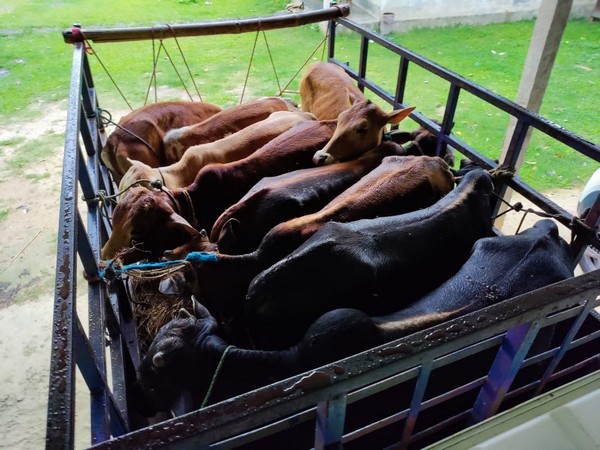
Cattle smuggling in Assam has become a significant concern for law enforcement agencies, especially in light of recent anti-smuggling operations. On May 8, 2023, police officials in the Rupahi area of Nagaon district executed a successful raid, seizing 32 cattle and two vehicles linked to illegal cattle transport activities heading towards Bangladesh. The operation, prompted by intelligence reports, highlights the ongoing battle against illegal cattle smuggling networks that exploit the region’s porous borders. While two suspects managed to escape, authorities apprehended the driver and handyman, ensuring that some measure of justice was served. This incident not only emphasizes the need for continued vigilance against Bangladesh smuggling cases but also demonstrates the responsiveness of local police to curb such illegal activities.
The illicit trade of livestock across borders has reached alarming levels in Assam, often manifesting in organized trafficking rings. Authorities have been intensifying their crackdown on such operations, with recent news from Nagaon district spotlighting the urgent measures taken by law enforcement. Police actions in areas like Rupahi serve as crucial interventions in the fight against illegal animal transport, particularly involving the smuggling of cattle into neighboring Bangladesh. Smuggling activities undermine local farming communities and challenge officials tasked with maintaining border security. Thus, the proactive response by police reflects a broader commitment to curbing these illegal practices and safeguarding the livelihoods of local residents.
Rising Concerns Over Cattle Smuggling in Assam
Cattle smuggling has become a pressing issue in Assam, particularly in the Rupahi area of Nagaon district, which has seen a surge in illegal activities related to the transport of livestock. The recent operation by local police is a direct response to the alarming trend of illegal cattle transport aimed at smuggling these animals into Bangladesh. Such activities not only threaten the livelihoods of farmers, but they also pose significant challenges to law enforcement agencies striving to maintain order and legality. Law enforcement officials are keen on curbing this menace, which has persisted as a black market thriving under the cover of darkness.
In-depth investigations reveal that the illegal trade of cattle is often orchestrated by networks that are well-versed in evading detection. The involvement of local communities in this nexus complicates the enforcement of anti-smuggling operations, making it imperative for police forces to work collaboratively with local stakeholders. As evidenced by recent news in Nagaon district, quick and decisive action is crucial in disrupting these illegal cattle transport routes—an endeavor that has garnered increased attention from both the media and government authorities.
Impact of Anti-Smuggling Operations in Nagaon District
The effectiveness of anti-smuggling operations in the Nagaon district is becoming increasingly evident, particularly with the recent seizure of thirty-two cattle and two vehicles in a police raid at Rupahi. This operation was not only aimed at catching individuals engaged in illegal cattle transport but also served as a potent reminder of the ongoing fight against transboundary smuggling activities. Each successful operation reinforces law enforcement’s commitment to curbing illegal activities and sends a strong message to potential smugglers regarding the risks involved.
However, the challenges remain significant; despite the police’s efforts, certain individuals continue to engage in illegal cattle smuggling. For instance, during the recent raid, the suspects managed to flee, demonstrating the cunning and premeditated nature of these operations. It is essential for police in the Nagaon district to bolster their intelligence-gathering strategies and collaborate with community members to ensure more robust responses to these illegal operations. As they adapt their methods, continued public awareness campaigns about the consequences of cattle smuggling may reduce involvement and support for such illegal activities.
The Role of Local Law Enforcement in Curbing Illegal Cattle Transport
Local law enforcement plays a pivotal role in addressing the issue of illegal cattle transport in Assam, especially in areas like Rupahi where smuggling is rampant. The coordinated efforts of the Rupahihat Police Station, exemplified by their recent operation, highlight the importance of targeted intelligence and quick action. Officials have been actively working to create a safer environment for livestock owners while also protecting the region’s agricultural integrity. By intercepting smugglers and seizing illegally transported cattle, they are setting a precedent for future anti-smuggling operations.
The ongoing investigations into these illegal activities showcase the complexity of the problem, as it often involves organized groups with multiple layers of operation. The arrests of the driver and handyman during the recent police action indicate the proactive measures being taken, yet the escape of two suspects points towards the need for more comprehensive strategies. Ramping up community engagement initiatives and strengthening inter-police cooperation across districts could lead to greater successes in disrupting cattle smuggling, ultimately benefiting both the local economy and societal welfare.
Understanding the Illegal Cattle Trade to Bangladesh
The illegal cattle trade between India and Bangladesh is a complicated issue fueled by a myriad of socio-economic factors. Assam, with its proximity to Bangladesh, has unfortunately become a hotspot for cattle smuggling, facilitated by the demand for cattle across the border. The economic incentives driving these operations often outweigh the risks involved for the smugglers, making efforts to eradicate this practice more challenging. Recent reports from Nagaon district illustrate the lengths to which smugglers will go when trying to transport cattle illegally, showcasing the need for effective international cooperation to tackle smuggling on both sides of the border.
Additionally, the involvement of organized crime in the illegal cattle trade complicates the situation further. The nexus between local smugglers and broader criminal gangs often makes it difficult for law enforcement to dismantle these networks completely. Recent anti-smuggling operations not only prove the ongoing issues but also highlight the urgent need for stronger legislative frameworks and enforcement mechanisms that can impose harsher penalties on such illicit activities. Addressing illegal cattle transport requires a multi-faceted approach that accounts for socio-economic realities while reinforcing law enforcement capabilities.
Challenges Faced by Police During Cattle Smuggling Operations
Despite the commendable efforts of police in Nagaon district and the recent success of their operations, significant challenges remain in combating cattle smuggling. One notable obstacle is the geographic landscape of Assam, which includes dense forests and riverine areas that provide cover for smugglers. These natural features create strategic advantages for those engaged in illegal activities, allowing them to evade capture during enforcement busts. Additionally, the speed at which these operations are conducted often leaves law enforcement in a reactive position rather than a proactive one.
Moreover, the issue of local complicity cannot be overlooked. In many cases, local residents may turn a blind eye to smuggling activities out of economic necessity or fear of retribution from those involved. Thus, building trust within the communities through outreach and education about the legal consequences of cattle smuggling is critical. Police must not only enhance their operational strategies but also invest in community building to foster a collective commitment to safeguarding local livestock and combating the illegal trade effectively.
Recent Police Actions and Their Outcomes in Assam
Recent anti-smuggling operations have yielded notable outcomes in Assam, particularly in Nagaon district. The aggressive tactics employed by local law enforcement have resulted in significant cattle seizures, disrupting established smuggling routes. The operation carried out on May 8 in the Rupahi area is a testament to the dedication of police to enforce the law and prevent illegal cattle transport. Every successful intervention raises awareness about the risks associated with smuggling and ultimately aims to deter potential smugglers willing to exploit the system.
However, it is essential to recognize that such outcomes do not guarantee long-term success without continued diligence. The patterns of smuggling can quickly adapt in response to law enforcement efforts. Thus, a sustained focus on intelligence-led operations, alongside community involvement, is vital in maintaining the pressure on these illicit networks. The collaboration between various law enforcement agencies will be crucial in ensuring that recent successes are not just temporary but form part of a larger strategy to eradicate cattle smuggling in the region.
The Economic Implications of Cattle Smuggling
Cattle smuggling not only poses legal implications but also leads to severe economic ramifications for local communities. The illegal transport of cattle can undermine the agricultural sector by disrupting local markets and unfairly competing against legitimate farmers. In Assam, where agriculture plays a significant role in the economy, rampant smuggling can create an unstable market environment, adversely affecting the livelihoods of hardworking farmers. Furthermore, the financial losses from stolen or smuggled cattle can contribute to a cycle of poverty and hinder community development.
Understanding the economic landscape that fosters cattle smuggling is essential for implementing effective countermeasures. Policymakers must consider alternative livelihood programs and resource allocations to help communities engaged in smuggling transition to legal farming practices. By investing in education and awareness about the legal consequences and economic benefits of maintaining solid agricultural practices, it is possible to create an ongoing dialogue that encourages lawful behavior and curtails smuggling activities.
Community Engagement: Key to Combating Illegal Activities
Community engagement plays a critical role in successfully combating illegal cattle smuggling in regions like Assam. The involvement of local residents fosters a sense of ownership and responsibility toward protecting local livestock and practices. Initiatives that promote awareness about the impact of cattle smuggling and the legal repercussions associated with it can stimulate community action against such activities. When community members feel equipped with knowledge, they are more likely to cooperate with law enforcement, assist in intelligence-sharing, and act as deterrents to smuggling.
Moreover, building partnerships between police and local organizations can enhance the effectiveness of anti-smuggling operations. Outreach programs can educate communities about sustainable farming practices, reducing their reliance on the illegal cattle trade. Incorporating local perspectives and insights into law enforcement strategies not only strengthens community ties but also cultivates trust between the police and the public. As such, community engagement becomes a cornerstone in the multifaceted approach required to tackle illegal cattle transport effectively.
Long-Term Strategies for Curbing Cattle Smuggling in Assam
Developing long-term strategies to curb cattle smuggling requires a comprehensive understanding of the various factors at play. Policymakers and law enforcement agencies must assess the underlying economic drivers that compel individuals to engage in the illegal trade. By implementing agricultural reforms and promoting local economic development, authorities can alleviate the financial pressures that often lead to smuggling activities. Investments in technology and training for law enforcement can also enhance their capabilities in detecting and intercepting illegal transport operations.
Furthermore, continuous community education initiatives are paramount. Educating local populations about the importance of legal livestock trading and the negative impacts of smuggling can shift social attitudes and diminish the stigma surrounding law enforcement efforts. Collaborative efforts among various government departments, NGOs, and local communities can develop a cohesive strategy that addresses both the immediate issues of cattle smuggling and the long-term welfare of the agricultural economy in Assam.
Frequently Asked Questions
What recent anti-smuggling operations in Assam have targeted cattle smuggling?
On May 8, an anti-smuggling operation in the Rupahi area of Nagaon district, Assam, led by Rupahihat Police, resulted in the seizure of thirty-two cattle and two vehicles. The operation was carried out based on specific intelligence regarding illegal cattle transport aimed at smuggling to Bangladesh. This operation highlights ongoing efforts to combat cattle smuggling in the region.
| Date | Location | Details of Cattle Seizure | Involved Parties | Status |
|---|---|---|---|---|
| May 8, 2023 | Rupahi, Nagaon District, Assam | 32 cattle and 2 vehicles seized | Suspected smugglers: Faruk, Mustafa; Arrested: Wasim Akram, Salman Ali | Ongoing investigation |
Summary
Cattle smuggling in Assam has become a pressing issue, as highlighted by the recent seizure of thirty-two cattle and two vehicles in the Rupahi area of Nagaon district. This operation, carried out by police on May 8, showcases the persistent challenges faced in curtailing illegal transportation of livestock intended for smuggling to neighboring countries, particularly Bangladesh. Following specific intelligence, the Rupahihat Police Station successfully intercepted the vehicles involved, although some suspects managed to escape. The incident is a reminder of the ongoing efforts required to combat cattle smuggling in Assam and to ensure the safety and security of livestock within the region.