

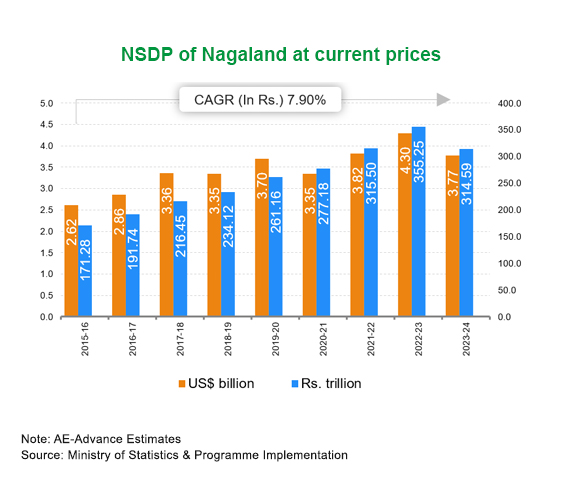
Income disparity in Nagaland is a pressing concern that has been underscored by recent reports revealing significant income inequality within the state. With a Gini coefficient of 0.46, the economic issues in Nagaland manifest in stark differences in wealth distribution among its population. This disparity not only affects economic stability but also fuels social inequality that can lead to broader societal tensions. The Nagaland income report highlights the urgent need for policy interventions to address these inequalities and foster a more equitable economic environment. As such, understanding the dynamics of income inequality in Nagaland is crucial for driving meaningful change and promoting inclusive development.
The issue of financial imbalance in Nagaland, often referred to as wage disparity or wealth unevenness, reveals profound challenges in the region’s socio-economic landscape. Analyzing the metrics and implications of this inequality, such as the Gini coefficient, provides crucial insights into the economic issues facing the state. Social stratification further complicates this picture, as disparities in income can lead to significant ramifications in community relations and overall quality of life. By exploring the factors contributing to economic inequality in Nagaland, stakeholders can better address the root causes of wealth imbalances and work towards sustainable solutions. Ultimately, a comprehensive understanding of income distribution will pave the way for social reform and economic accountability.
Understanding Income Disparity in Nagaland
Income disparity in Nagaland is a pressing issue, highlighted by a Gini coefficient of 0.46, indicating a significant level of income inequality within the state. This statistic reflects the gap between the rich and poor, illustrating that wealth is concentrated in the hands of a few while a considerable portion of the population struggles to make ends meet. An analysis of this disparity reveals not only economic issues but also the social implications that arise from such inequality, with marginalized communities often bearing the brunt of limited access to resources and opportunities.
The income report for Nagaland sheds light on various interrelated factors contributing to this disparity. Economic challenges such as limited industrial opportunities and a reliance on agriculture and informal labor can exacerbate income inequality. As policymakers strive to implement measures aimed at economic development, it is crucial to consider the underlying social inequalities that persist and how they influence the overall economic landscape of Nagaland.
Economic Issues Contributing to Income Inequality
Several economic issues contribute to income inequality in Nagaland, primarily reflecting the state’s transition from traditional practices to a more modern economy. The Gini coefficient of Nagaland points towards structural economic challenges, including inadequate infrastructure, poor access to education, and limited employment opportunities. Many residents depend on subsistence agriculture, which does not yield sufficient income or stability, thereby perpetuating cycles of poverty.
Moreover, the lack of investment in key sectors such as education and healthcare limits upward mobility for many families. Addressing these economic issues is essential to reduce the income inequality evident in the region. By promoting inclusive economic policies and providing greater access to education and vocational training, Nagaland can begin to close the income gap, thereby fostering a more equitable society.
Social Inequality and Its Effects on Income Distribution
Social inequality in Nagaland exacerbates income disparity by creating barriers that prevent equitable access to opportunities for all citizens. Factors such as caste, ethnicity, and gender play pivotal roles in determining an individual’s social mobility. This social stratification can lead to marginalized groups facing discrimination in hiring practices, access to quality education, and healthcare services, directly impacting their economic prospects and the overall income distribution in the state.
Furthermore, social inequality often influences policy decisions, which can disproportionately affect disadvantaged communities. For instance, resource allocation for public services may not adequately consider the needs of poorer populations, reinforcing cycles of poverty and widening the income gap. Tackling social inequality is not only necessary for moral and ethical reasons but also fundamental for reducing economic disparities in Nagaland.
Government Policies Addressing Income Inequality
To combat income inequality, the government of Nagaland has initiated several policies aimed at improving economic conditions for underprivileged communities. These initiatives focus on boosting local industries, enhancing agricultural productivity, and investing in education and training programs. By creating jobs and encouraging entrepreneurship, policymakers aim to reduce the income disparity reflected in the Gini coefficient, thus fostering a more balanced economic environment.
However, the effectiveness of these policies often hinges on proper implementation and oversight. Ensuring that resources reach the intended beneficiaries is critical in achieving the desired outcomes. Continued assessment of government strategies and adaptive measures will be necessary to bridge the income gap and promote sustainable development across Nagaland’s diverse communities.
The Role of Education in Bridging Income Gaps
Education plays a crucial role in bridging the income disparity in Nagaland. Access to quality education equips individuals with the skills necessary to secure better-paying jobs, significantly impacting their earning potential. Despite the importance of education, many children from low-income families in Nagaland still face barriers to educational access, including financial constraints and insufficient infrastructure. Addressing these challenges is imperative to ensure that all children have the opportunity to succeed.
Moreover, educational initiatives must aim to be inclusive and culturally relevant, fostering a sense of belonging among diverse ethnic groups in Nagaland. By developing curricula that reflect local cultures and histories, educators can empower students and enhance their engagement. Improving educational access and quality is essential for promoting a level playing field, thereby working towards reducing the income inequality that persists in the region.
Impact of Tribal Identity on Economic Opportunities
In Nagaland, tribal identity significantly influences economic opportunities and income levels. Various tribes have distinct cultural practices and economic structures, which can impact their access to resources and markets. Some tribes may have better access to traditional economic networks, while others might face discrimination or exclusion from emerging economic sectors. This tribal dynamic can contribute to the income disparity illustrated by the Gini coefficient, as certain groups may remain economically marginalized.
Policymakers in Nagaland must consider the unique needs of different tribes when designing economic interventions. Emphasizing tribal inclusivity in developmental policies can ensure that the benefits of economic growth are equitable across all communities. Empowering tribal entrepreneurs and fostering community-based enterprises can be vital strategies in addressing the entrenched economic disparities associated with tribal identity.
Exploring Poverty Rates in Relation to Income Inequality
The poverty rates in Nagaland are closely interconnected with income inequality, as reflected in the recent income report highlighting the state’s economic challenges. High poverty rates often coincide with elevated income disparity, creating a cycle that is difficult to break. Many families living in poverty find it challenging to access essential services, ultimately limiting their capability to improve their economic status.
Addressing poverty requires a multifaceted approach that goes beyond economic growth alone. Social programs aimed at food security, health care, and education must be prioritized to lift families out of poverty and reduce income inequality. Collaboration between government, non-governmental organizations, and community leaders is essential in creating sustainable solutions that can lead to long-term economic stability in Nagaland.
The Significance of Community-Based Initiatives
Community-based initiatives are critical in addressing income disparity and fostering equitable economic development in Nagaland. These initiatives often empower local populations to take charge of their economic futures, promoting entrepreneurship and self-sufficiency. By leveraging local resources and traditional knowledge, communities can create sustainable livelihoods that help mitigate the effects of income inequality.
Moreover, community-driven projects often emphasize collaboration and mutual support, enhancing social cohesion and giving individuals a sense of agency in their development journey. Promoting local artisans, agricultural cooperatives, and skill development programs can enhance income levels and promote social equity, ultimately leading to a more balanced economy in Nagaland.
Future Directions for Income Equality in Nagaland
Looking ahead, addressing the issues surrounding income disparity in Nagaland will require innovative strategies and sustained commitment from all sectors of society. Policymakers must prioritize inclusive economic growth that encompasses the needs of marginalized communities and actively works to dismantle structural barriers that perpetuate inequality. Additionally, fostering collaboration among stakeholders, including government, civil society, and the private sector, can facilitate holistic approaches to economic development.
Creating a comprehensive roadmap for reducing income inequality will also involve regular assessments of economic policies, ensuring they adapt to changing circumstances and emerging challenges. Focusing on education, healthcare, and economic diversification can create a foundation for a more even distribution of wealth and resources, ultimately paving the way for a more equitable Nagaland.
Frequently Asked Questions
What is the Gini coefficient for income disparity in Nagaland?
The Gini coefficient for income disparity in Nagaland is reported to be 0.46, indicating a significant level of income inequality within the state.
How does income inequality impact economic issues in Nagaland?
Income inequality in Nagaland exacerbates economic issues by limiting access to resources and opportunities, leading to a cycle of poverty and hindering overall economic growth.
What are the main factors contributing to social inequality in Nagaland?
Several factors contribute to social inequality in Nagaland, including unequal access to education, employment opportunities, and regional disparities that impact income distribution.
What does the Nagaland income report indicate about the state’s economic health?
The Nagaland income report highlights ongoing challenges in economic health, showcasing the pronounced income disparity that affects social cohesion and development.
How can understanding the Gini coefficient help address income inequality in Nagaland?
Understanding the Gini coefficient helps identify the extent of income inequality in Nagaland, guiding policymakers in implementing targeted interventions to reduce disparities and promote equitable growth.
What are some government initiatives to tackle income disparity in Nagaland?
The government of Nagaland has launched various initiatives aimed at improving education, encouraging entrepreneurship, and enhancing infrastructure to address income disparity and economic inequality.
Are there any indicators of improvement in income inequality in Nagaland?
While the Gini coefficient remains at 0.46, certain initiatives and community programs have begun to show promise in improving income distribution, though significant challenges remain.
| Key Point | Details |
|---|---|
| Income Inequality | The Gini coefficient for Nagaland stands at 0.46, indicating significant income disparity in the state. |
Summary
Income disparity in Nagaland is a pressing issue characterized by a Gini coefficient of 0.46, reflecting significant inequality among the state’s residents. This disparity raises concerns about economic equity and highlights the need for targeted interventions to address the unequal distribution of wealth and resources.



























