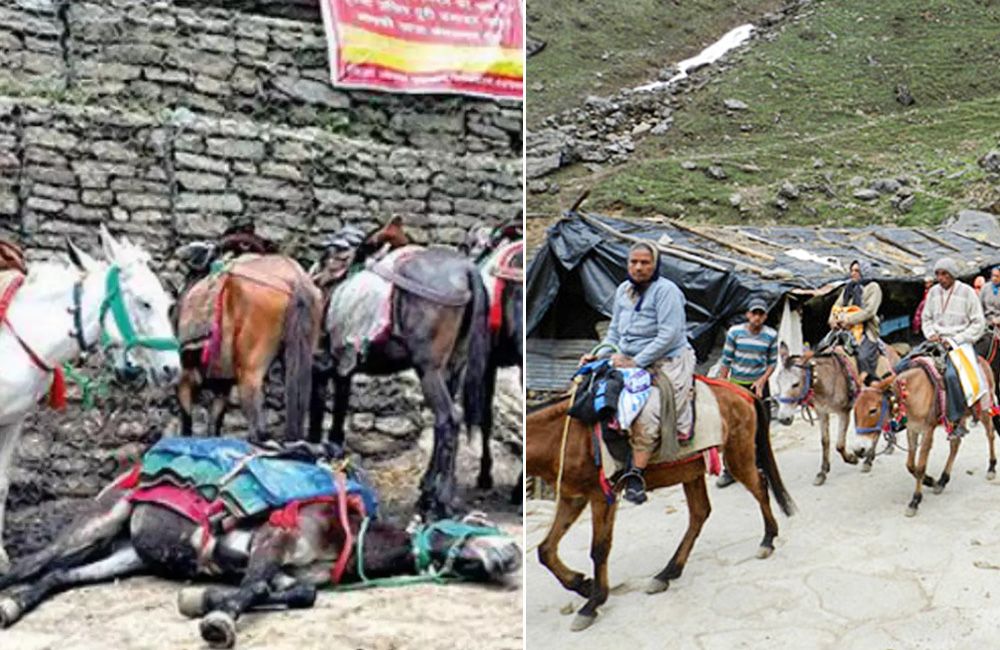
The recent Kedarnath Yatra death of a young woman from Assam has shocked many, highlighting the dangers associated with the Char Dham pilgrimage. Papori Deka, a resident of Morigaon district, tragically succumbed to altitude-related complications while trekking towards the sacred Kedarnath shrine. This heartbreaking incident, which occurred during the ongoing pilgrimage season, brings to light the importance of awareness about altitude sickness cases that can affect even the most adventurous spirits. As friends and family mourn her untimely passing, news of Papori’s struggles resonates with countless others planning their journey to this revered site. The Kedarnath Yatra continues to attract pilgrims, but this incident serves as a solemn reminder of its inherent risks.
In the realm of Himalayan pilgrimages, the recent tragedy during the Kedarnath journey has raised critical discussions around the safety and health of devotees. Known for its breathtaking beauty and spiritual significance, Kedarnath attracts thousands as part of the revered Char Dham pilgrimage. However, incidents related to altitude sickness, like the heartbreaking case involving a woman from Assam, remind pilgrims to prioritize their health while navigating the challenging terrain. As more news emerges about the Kedarnath shrine incident, there is an urgent call for better preparation and awareness among travelers about the potential dangers they may face on their spiritual journeys. Understanding the risks associated with high-altitude travel is vital for ensuring a safe and fulfilling experience at one of India’s most sacred destinations.
Tragic Incident of Kedarnath Yatra Death
The recent death of a young woman during the Kedarnath Yatra has sent shockwaves through the community and highlighted the risks associated with high-altitude pilgrimages. Papori Deka, a 26-year-old resident of Assam’s Morigaon district, tragically succumbed to altitude-related complications while trekking towards the revered Kedarnath shrine. This incident sheds light on the increasing number of altitude sickness cases documented during the Char Dham pilgrimage, making it crucial for travelers to understand the risks involved with such high-altitude conditions as they embark on their spiritual journeys.
Altitude sickness can affect anyone, irrespective of their physical fitness, making preparation for the Kedarnath Yatra paramount. The trek, known for its breathtaking views, can pose serious health threats, particularly for individuals unacquainted with sudden changes in elevation. The heartbreaking circumstances surrounding Papori’s death have led to calls for heightened awareness regarding the symptoms and prevention of altitude sickness, urging future pilgrims to recognize early signs of distress while traveling to such sacred sites.
Kedarnath Yatra: A Spiritual Journey with Risks
The Kedarnath Yatra is not just a pilgrimage; it is a profound spiritual experience for millions seeking solace at the Kedarnath shrine. However, as with many spiritual journeys, it is accompanied by notable risks, particularly for those who may not be acclimatized to the heights of the Himalayan terrain. The incident involving Papori Deka, who died while participating in the ongoing Char Dham pilgrimage season, emphasizes the importance of being prepared for the rigors associated with such trips, including potential health complications.
For devotees, the allure of the Kedarnath Yatra is immense, promising a connection with the divine amidst majestic landscapes. Yet, it is essential to be well-informed about the challenges posed by the steep trails and changing weather conditions. The tragic loss of life, such as in Papori’s case, serves as a somber reminder of the need for preparedness and awareness surrounding altitude sickness and other hazards during the Kedarnath Yatra.
Family and Community Mourning After Kedarnath Shrine Incident
The community’s grief following Papori Deka’s death during the Kedarnath Yatra has been palpable, with family and friends gathered to pay their respects. Her sudden passing has echoed through the village of Dalongghat, bringing attention to the emotional impacts of such tragedies on families preparing for monumental life events, like weddings. Papori’s fiancé, Jyoti Prasad Dutta, honoring her memory with a traditional ritual alongside her body, underscores the deep cultural practices that surround loss, intertwining love and sorrow.
This heartbreaking incident has not only disrupted a joyous occasion but also sparked conversations around safety measures and the mental well-being of those undertaking the Kedarnath Yatra. As communities mourn such losses, the hope is that more educational resources will be made available to ensure travelers can embark on their journeys prepared for any eventuality. Events like these serve to remind travelers about the fragility of life and the importance of safety when participating in challenging pilgrimages.
Altitude Sickness and Its Implications on Kedarnath Yatra Pilgrims
Altitude sickness, known medically as acute mountain sickness (AMS), has become a serious concern for many pilgrims undertaking the Kedarnath Yatra each year. With sharp elevations leading to a drastic drop in oxygen levels, many who venture into the higher regions are unprepared for the sudden changes their bodies must accommodate. The unfortunate death of Papori Deka due to such complications during her trek emphasizes the critical need for recognition and education on the signs of altitude sickness, particularly for large groups participating in the Char Dham pilgrimage.
Understanding altitude sickness is essential not just for preventing fatalities, but also for preserving the sanctity of such spiritual journeys. Symptoms can escalate quickly, with early signs including headaches, nausea, and dizziness. It is imperative that travelers take these warnings seriously, as in Papori’s case, neglecting the symptoms led to devastating outcomes. By promoting awareness and allowing for proper acclimatization, future pilgrims can ensure a safer journey towards the divine.
Community Support Following Death During Kedarnath Yatra
The small village of Dalongghat has come together in solidarity following the loss of one of their own during the Kedarnath Yatra. Gathering to support Papori Deka’s family in their time of grief illustrates the community’s strength and unity, as they share in the tragedy that has affected them all. This kind of communal support is vital during trying times, and it has provided a soothing backdrop as her family navigates through their sorrow and plans for memorializing Papori’s life.
Additionally, the collective mourning provides an opportunity for community dialogue about the risks associated with the Kedarnath Yatra. The tragic circumstances surrounding Papori’s death have sparked conversations about enhancing safety protocols and preparing better for the challenges of high-altitude trekking. As families rally together to remember lost loved ones, they can also advocate for safer practices that could prevent such incidents from occurring in the future.
The Impact of Kedarnath Yatra News on Safety Awareness
Recent news reports surrounding Kedarnath Yatra incidents have focused on the need for improved safety measures for pilgrims. Following the death of Papori Deka, there has been a surge in discussions on platforms and among local authorities about elevation-related health risks. This heightened awareness is crucial, as it urges individuals to adopt proactive measures, such as advanced training for trekkers and better resources for health monitoring at key checkpoints along the pilgrimage route.
Ultimately, the dialogues spurred by tragic events will hopefully result in concrete actions taken by organizations involved in managing the Char Dham pilgrimage. Increased preparedness can enhance both safety and the overall experience of pilgrims seeking to connect spiritually at the Kedarnath shrine. As communities reflect on such heartbreaking news, it can pave the way for advocating greater accountability and responsibilities amongst tour operators, and underscore the significance of traveler education.
Understanding the Risks of Char Dham Pilgrimage
The Char Dham pilgrimage, encompassing sites like Kedarnath, is one of the most revered spiritual journeys in India. However, the risks associated with these high-altitude treks cannot be overstated. The tragic passing of Papori Deka has shed light on the lack of awareness surrounding the physical challenges and health implications of the pilgrimage. Understanding factors such as high altitude and unpredictable weather is vital for all devotees preparing for such journeys.
Pilgrims are often unaware of the importance of proper acclimatization and the necessity of recognizing altitude-related symptoms. Many travelers might discount their discomfort as mere fatigue rather than a signal of impending health issues. By prioritizing knowledge about the risks tied to the Char Dham pilgrimage, particularly cases like altitude sickness, future journeys can become safer and more fulfilling experiences for all.
Preparing for High-Altitude Challenges at Kedarnath
Preparation for high-altitude trekking, particularly in a challenging location like Kedarnath, is essential for ensuring the safety of pilgrims. In light of recent tragedies, including the alarming incidence of altitude sickness seen during the Yatra, it is vital for trekkers to engage in proper training and research before embarking on the spiritual pilgrimage. Simple preparedness steps such as physical conditioning, understanding altitude sickness, and ensuring adequate hydration can significantly enhance one’s ability to cope with the demands of the trek.
As travelers seek spiritual fulfillment at the Kedarnath shrine, equipping themselves with knowledge and resources can empower them to make informed decisions. Incorporating health checks, acclimatization periods, and never hesitating to turn back if feeling unwell can save lives. The tragic loss experienced by Papori’s family serves as a vital reminder of the importance of respecting the mountains and being prepared for their challenges.
Ensuring Safe Travel During the Kedarnath Yatra Season
During the Kedarnath Yatra season, safety should be a top priority for all pilgrims. The high influx of visitors aiming for spiritual salvation underscores the urgent need for coordination between local authorities and health organizations to establish safety protocols for altitude-related health risks. With heartbreaking incidents like Papori Deka’s death highlighting the reality of altitude sickness, it becomes imperative for travel agencies and temple management committees to enforce guidelines that underscore the significance of safety during treks.
Additionally, educating pilgrims through workshops, pamphlets, and digital platforms about recognizing early symptoms of altitude sickness can potentially prevent future tragedies. As more individuals undertake the pilgrimage, the measure of a successful season will not be only in the numbers of pilgrims who reach the shrine but in the safeguards established to protect their well-being during their sacred journey.
Frequently Asked Questions
What happened to the young woman from Assam during the Kedarnath Yatra that resulted in her death?
Papori Deka, a young woman from Assam’s Morigaon district, tragically died due to altitude-related complications while participating in the Kedarnath Yatra. She fell ill while trekking towards the Kedarnath shrine on May 5, experiencing severe breathing difficulties. Unfortunately, she collapsed just 500 meters from the temple and could not be resuscitated despite efforts.
| Key Point | Details |
|---|---|
| Deceased | Papori Deka, a young woman from Morigaon district, Assam. |
| Incident Date | May 5, during the Kedarnath Yatra pilgrimage season. |
| Cause of Death | Altitude-related complications while trekking. |
| Location of Incident | Approximately 500 meters from the Kedarnath temple. |
| Emotional Impact | Community gathered to pay respects; fiancé performed final rites. |
| Family | Survived by parents Dulal Chandra Borah and Chandimai Borah. |
Summary
The Kedarnath Yatra death of Papori Deka has left a profound impact on her community in Assam. This tragic incident illuminates the risks associated with high-altitude treks, especially during pilgrimage seasons, highlighting the importance of awareness and preparation for such journeys. Papori’s aspiration to visit the revered Kedarnath shrine ended in heartbreak, as she succumbed to altitude sickness while descending from the temple, just moments from her spiritual destination. The collective sorrow of her family and friends underscores the life-altering impact of this event, made even more poignant by her imminent marriage. The community’s mourning is a reminder of the fragility of life as they honor her memory during this sorrowful time.