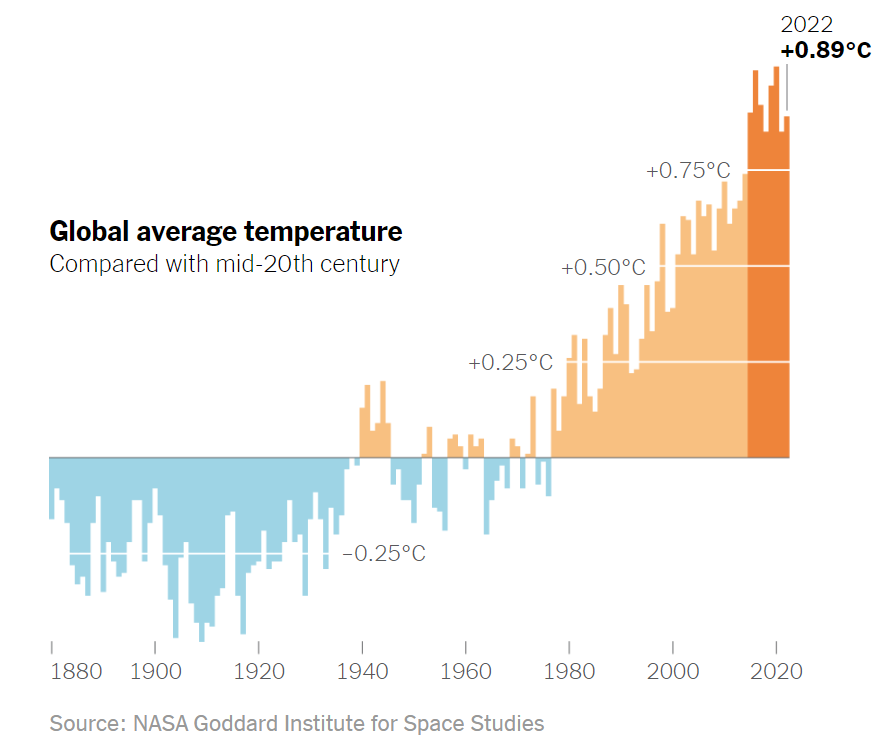
The phenomenon of super El Niño is poised to reshape our understanding of climate dynamics, potentially driving 2027 to be the hottest year on record. As global warming escalates, the interplay between elevated sea temperatures and weather patterns is becoming increasingly critical. Experts predict that regions around the world could face heightened extremes, from crippling drought to unprecedented rainfall. This concerning development emphasizes the urgent need to address climate change, as the effects of a super El Niño may amplify existing environmental challenges. Understanding these changes is essential for societies worldwide as we adapt to a shifting climate landscape.
The upcoming super El Niño, often referred to as a significant climatic event, signals a dramatic shift in global weather patterns. As the planet grapples with mounting climate challenges, this intense phase could lead to severe consequences for both drought-prone areas and those expecting increased rainfall. Scientists are closely monitoring this event, recognizing its potential to exacerbate the already severe impacts of climate fluctuations. The interplay of temperature extremes and shifting precipitation patterns underscores the urgency with which we must address the factors contributing to global warming. By analyzing these atmospheric phenomena, we can better prepare for the challenges that lie ahead.
The Impact of Super El Niño on Global Weather Patterns
The anticipated arrival of a super El Niño event is set to disrupt global weather patterns significantly. El Niño, a climate phenomenon resulting from the warming of ocean waters in the central and eastern Pacific, typically leads to a cascade of climatic shifts that can manifest as altered rainfall distributions, drastic temperature changes, and increased frequency of extreme weather events. As we advance towards 2027, meteorologists warn that this super El Niño could exacerbate already severe consequences of climate change, potentially making 2027 the hottest year recorded. Regions that are already vulnerable to extreme weather, such as drought-stricken areas or those prone to flooding, could experience even more intense conditions, raising concerns over agricultural losses and water supply issues across continents.
In the context of global warming, the super El Niño phenomenon may serve as a catalyst for heightened climate instability. As ocean temperatures continue to rise, these patterns are progressively shifting, contributing to unpredictable seasonal cycles and local climate variations. For example, areas that typically celebrate consistent rainfall may face unprecedented drought, while others may contend with torrential downpours and flooding, complicating efforts to manage water resources effectively. The interplay between super El Niño and global warming thus amplifies the urgency for adaptive measures to mitigate the potential adverse effects on human populations and ecosystems alike.
Global Warming and the Hottest Years Yet to Come
In the backdrop of ongoing climate change, global warming has resulted in alarming temperature statistics, making recent years some of the hottest ever recorded. The Intergovernmental Panel on Climate Change (IPCC) emphasizes that human activities, particularly the burning of fossil fuels and deforestation, have significantly altered the Earth’s energy balance. As we continue to witness these shifts, each subsequent year threatens to break previous temperature records, and projections suggest 2027 could become a threshold year as civilization grapples with the compounded effects of climate change and phenomena like super El Niño.
The implications of reaching the hottest year ever recorded extend beyond mere numbers; they forecast a future fraught with challenges. Elevated temperatures contribute to myriad environmental issues, including increased incidence of wildfires, accelerated ice melt in polar regions, and extended heatwaves, which collectively compromise biodiversity and pose health risks to entire populations. The urgency for immediate action against climate change is underscored by scientists, as they warn that without concerted global efforts, the projected trends could spell significant economic and social upheaval, particularly in vulnerable regions already battling the consequences of climate variability.
Preparing for the Consequences of Super El Niño
As we approach the super El Niño event, preparedness is crucial for minimizing its potential impacts on communities around the world. Governments, scientists, and local organizations must collaborate to develop adaptive strategies to protect populations from the anticipated weather extremes. This includes enhancing infrastructure to withstand flooding in susceptible regions, implementing water conservation measures in drought-prone areas, and ensuring emergency services are ready to respond to heatwaves and wildfires. Effective communication of potential risks and available resources is essential for public awareness, empowering individuals and families to prepare for climatic disruptions.
Furthermore, investment in research and technology is vital to understand the dynamics of super El Niño and its interaction with climate change. Improved predictive models can offer better insights into forthcoming weather patterns and their probabilities, allowing for timely interventions. Furthermore, these efforts can inform strategies aimed at reducing carbon footprints, fostering sustainable agricultural practices, and conserving energy, all of which play pivotal roles in mitigating climate change. It’s imperative that we remain proactive and vigilant as we navigate towards a future where phenomena like super El Niño will likely become more prevalent due to the ongoing effects of global warming.
Climate Change: The Role of Super El Niño
Climate change has set the stage for variations in global atmospheric patterns, with super El Niño being a notable player in this narrative. It is essential to understand how climate change fuels the intensity and frequency of these El Niño events. The deeper the ocean temperatures rise, the more significant the atmospheric feedback mechanisms that can amplify weather disruptions worldwide. This brings heightened attention to the interrelationship between short-term climate phenomena like El Niño and the long-term trends driven by global warming, creating a vicious cycle that can lead to extreme weather conditions.
Interestingly, the interplay between super El Niño and climate change raises critical questions regarding our oceanic health and its long-term sustainability. As we face rising sea levels and evolving marine ecosystems, scientists are keenly observing how such climatic events will influence fish stocks, marine habitats, and coastal communities. There is an urgent need for integrated approaches that encompass both immediate responses to super El Niño and sustained efforts to combat climate change, ensuring that we safeguard our oceans while preparing for more extreme weather events that could emerge in the coming years.
Drought and Rainfall Trends in a Warming World
The growing occurrence of drought and shifting rainfall patterns represent one of the most dramatic consequences of climate change, exacerbated by phenomena such as super El Niño. Areas historically characterized by reliable rainfall may face prolonged dry spells, impacting agriculture and water supply systems. Conversely, regions accustomed to moderate conditions may encounter unexpected deluges, leading to floods and landslides. This dichotomy of weather impacts poses a significant challenge for farmers, policymakers, and communities striving to adapt to unpredictable soil and water conditions.
With the threat of extreme weather driven by super El Niño looming large, it becomes imperative to develop innovative water management strategies that prioritize conservation and optimization. Collecting rainwater, investing in drought-resistant crops, and implementing advanced irrigation techniques are potential solutions that can help mitigate the adverse effects of these climatic challenges. By fostering resilience in agriculture through sustainable practices, societies can better prepare for the forthcoming changes in drought and rainfall patterns while contributing to broader efforts to combat climate change.
The Scientific Community’s Response to Climate Change
In response to the accelerating pace of climate change, the scientific community is stepping up efforts to understand and combat its effects, particularly as we approach the daunting prospect of a super El Niño. Collaborative research initiatives are underway, aimed at improving climate models and enhancing forecasting capabilities. These scientific endeavors are crucial in generating insights into how shifting weather patterns will affect ecosystems and human health in the near future. As we brace for 2027, science plays a pivotal role in translating complex climate data into actionable strategies that societies can implement.
Moreover, scientists are advocating for greater public engagement in climate issues. Educational campaigns about the causes and impacts of global warming and extreme weather are essential to foster a more informed populace. Encouraging open discourse around the importance of sustainable practices and the role individuals can play in mitigating climate change can significantly amplify collective response efforts. The intersection of scientific understanding and community action is vital in creating a resilient society prepared to face the consequences of phenomena like super El Niño in the age of climate change.
Understanding Extreme Weather Events
Extreme weather events are becoming increasingly prevalent in discussions surrounding climate change, with the looming super El Niño underscoring the potential for heightened severity and frequency. Weather phenomena such as hurricanes, droughts, and heavy rainfall are being influenced by shifts in climatic patterns amplified by human-induced global warming. Consequently, researchers are working diligently to predict these events with greater accuracy, allowing communities to prepare and adapt accordingly. Understanding the mechanics behind these extreme weather occurrences is imperative for policy makers and citizens alike.
By enhancing our grasp of how super El Niño interacts with climate change and influences extreme weather, we can develop more comprehensive responses to these challenges. Resilience-building initiatives can be tailored to equip vulnerable communities with the tools they need to withstand these hardships. Additionally, fostering global collaboration on climate data sharing and research will provide a clearer picture of future scenarios, aiming to mitigate the devastating impacts of extreme weather events exacerbated by super El Niño and climate change.
The Future of Climate and Its Relation to Super El Niño
Looking ahead, the relationship between climate change and super El Niño is expected to evolve, showcasing the challenges and opportunities that lie ahead. Climate models indicate that, as global temperatures continue to rise, the frequency and intensity of super El Niño events might increase, complicating the already precarious situation of global climate stability. These future scenarios necessitate a robust response from governments and organizations worldwide, emphasizing the need for integrated climate adaptation and mitigation plans that consider super El Niño as a central factor in climate forecasting.
Preparing for the future means not only adapting to change but actively seeking solutions to reduce greenhouse gas emissions that drive global warming. Embracing renewable energy sources, improving energy efficiency, and supporting reforestation efforts are critical steps toward a more sustainable future. As we navigate this complex relationship between super El Niño and ongoing climate change, collective action, informed by science and a commitment to sustainability, will be crucial in shaping a resilient trajectory for the planet.
Frequently Asked Questions
How will the super El Niño affect global weather patterns in 2027?
The looming super El Niño is expected to have a significant impact on global weather patterns in 2027, potentially making it the hottest year recorded. This phenomenon is characterized by rising sea temperatures, which can exacerbate conditions such as drought and intense rainfall in various regions. As global warming continues to intensify climate change, the effects of super El Niño might lead to more extreme weather, including prolonged droughts in some areas and increased rainfall in others, highlighting the urgent need for adaptation strategies.
| Key Point | Details |
|---|---|
| Super El Niño Impact | The ‘super’ El Niño is predicted to contribute to the hottest recorded year in 2027. |
| Climate Change | Ongoing climate change is exacerbating the effects of El Niño. |
| Weather Patterns | Changes in sea temperatures are leading to altered weather patterns globally. |
| Extreme Weather | Regions may face intensified conditions such as drought, extreme heat, or heavy rainfall. |
| Future Implications | The combination of El Niño and global warming raises concerns for future climate stability. |
Summary
The looming ‘super’ El Niño is set to have a profound impact on global temperatures, with predictions indicating that 2027 may become the hottest year ever recorded. As this extraordinary climatic phenomenon unfolds, it amplifies the already critical issues posed by climate change, leading to worrying shifts in weather patterns around the world. Scientists emphasize that rising sea temperatures will negatively impact various regions, making them more susceptible to extreme weather events, including severe droughts, relentless heat waves, and torrential rains. The projected intensification of such conditions exemplifies the troubling intersection of El Niño’s effects and the persistent challenges of a warming planet, underscoring the urgent need for strategies to mitigate climate change and prepare for its consequences.