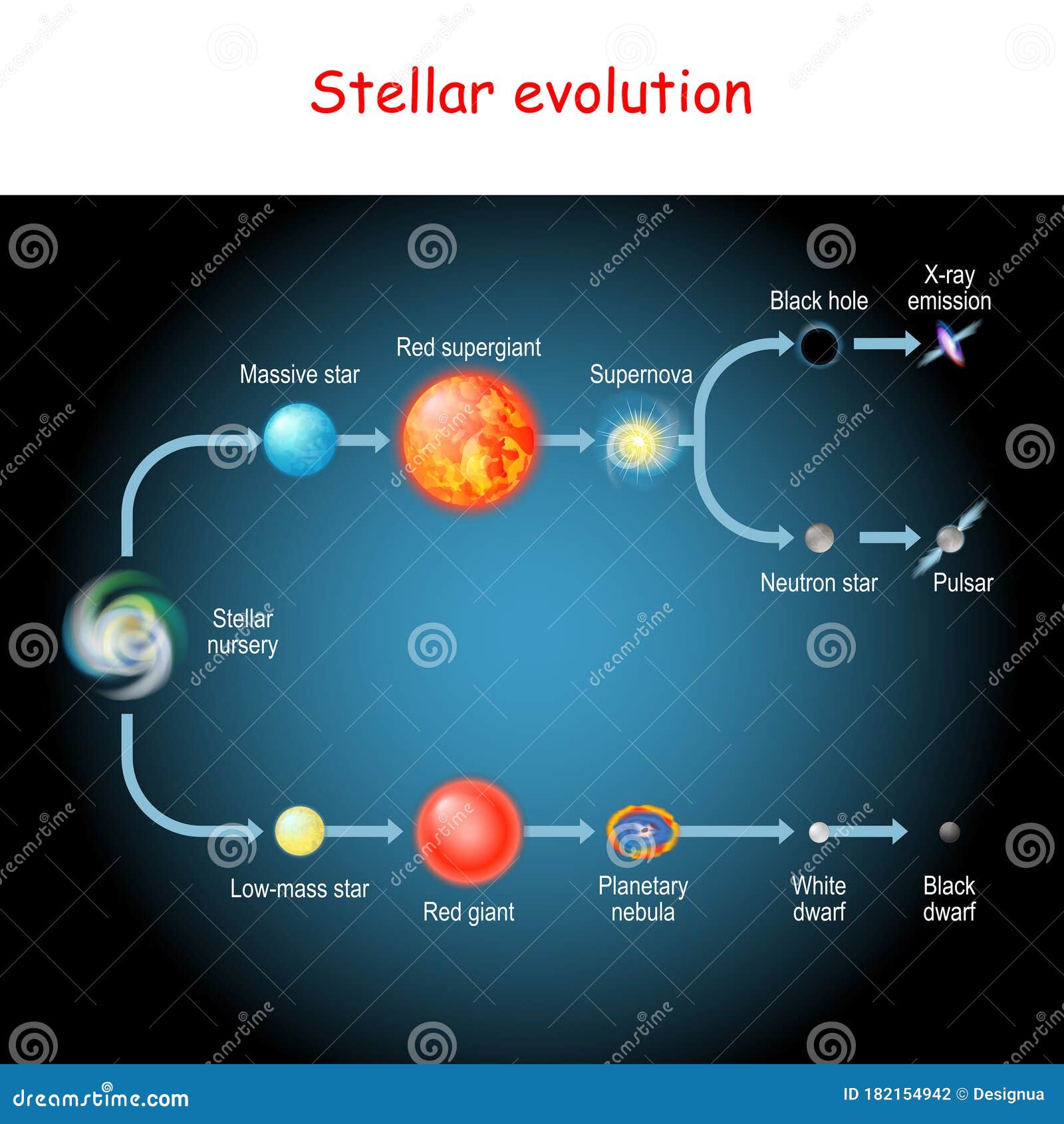
Black holes are some of the most enigmatic cosmic objects in our universe, captivating scientists and stargazers alike with their immense gravitational pull and mysterious nature. Recent studies suggest that rather than forming from the collapse of a single star, these structures might grow through a series of violent black hole mergers. This process, which involves repeated collisions between gravitational titans, challenges our understanding of stellar evolution and unveils the unexpected dynamics of the cosmos. As we probe deeper into the phenomena surrounding these black holes, the data reveals how they can produce gravitational waves during these collisions, marking a fascinating chapter in our quest to comprehend the universe’s surprises. Understanding the origins and evolution of black holes not only deepens our knowledge of these monsters but also sheds light on the intricate ballet of cosmic interactions that give rise to ever-greater celestial giants.
The formation of gravitational behemoths, known in layman’s terms as black holes, presents a formidable puzzle for astrophysicists. These celestial phenomena may not only emerge from the catastrophic end of massive stars but could also evolve through a process of repeated merging. Such cosmic collisions create formidable entities which redefine our concepts of cosmic structure and evolution. By analyzing the data from gravitational wave events, researchers are beginning to unlock the secrets of these stellar mergers, reshaping our understanding of how these powerful entities impact the fabric of the universe. As we delve into this intricate web of stellar interactions, the fascinating dynamics of massive cosmic entities continue to surprise and intrigue scientists worldwide.
The Formation of Black Holes in Cosmic Clusters
Black holes, particularly those that exist as supermassive entities, are often thought to form from the remnants of massive stars that undergo gravitational collapse. However, recent findings suggest that these cosmic beings may actually originate and evolve through a sequential process within dense globular clusters. In such star-rich environments, tight gravitational bindings facilitate the regular interactions between stars and black holes, leading to a series of mergers. This mechanism of formation unfolds as black holes gain mass through the accretion of stellar material and the aggregation of smaller black holes, which are themselves the remnants of former stellar explosions.
As observational studies, particularly through LIGO and Virgo detecting gravitational waves, have revealed a plethora of black hole mergers, scientists are now reassessing the traditional models of stellar evolution. Instead of solitary black holes forming from dying stars, we are looking at an intricate tapestry of cosmic dynamics where black holes can merge repeatedly. These events not only highlight the explosive activity within clusters but also illustrate a new pathway in understanding how black holes can grow and evolve in the universe.
Understanding Black Hole Mergers and Their Impact
The study of black hole mergers has uncovered fascinating insight into the nature of these cosmic objects. Analyzing data from 153 recorded mergers in the GWTC4 catalogue provides a wealth of information about how black holes interact in their environment. Each merger produces gravitational waves, ripples in spacetime that carry information about the colliding mass, speed, and, ultimately, the formation of new, larger black holes. This invites questions about the black hole mass gap—the mystery surrounding a range of black hole masses where we would not expect objects to be formed directly from stellar collapse. This gap challenges our long-held theories and urges a revision in our understanding of cosmic formations.
Moreover, the repeated mergers of these black holes can give rise to even more massive, rapidly spinning entities. Each collision releases enormous energy, transforming the landscape of our understanding about the gravitational dynamics at play. The incredible forces involved in these cosmic events may ignite future research into the interaction of black holes with surrounding matter and their effects on stellar populations within galactic structures.
The Enigma of Cosmic Black Hole Mass Gaps
The existence of the black hole mass gap presents a significant perplexity in astrophysics. This range of masses, particularly between 2 and 5 solar masses, appears devoid of black holes formed through conventional stellar processes. This anomaly raises crucial inquiries regarding stellar evolution: how stars that might culminate in such mass ranges are seemingly absent from observational data. Theories propose that these missing black holes could be the products of primordial star formations or might indicate a transition zone where the formation mechanisms change.
Understanding this mass gap could have profound implications for the entire cosmic structure. If we can unravel the reasons behind this void, it could reshape our approaches to studying stellar evolution and the lifecycle of cosmic objects in general. Researchers are eager to glean insights from gravitational wave detections that may illuminate factors contributing to the formation pathways that result in the observed black hole population.
The Role of Gravitational Waves in Black Hole Studies
Gravitational wave astronomy has revolutionized our understanding of black holes and their interactions. Detecting these minute ripples in spacetime from colossal events provides direct evidence of black hole mergers, enabling scientists to observe phenomena that were previously theoretical. Each detection adds to our knowledge of the masses and spins of black holes, enhancing our grasp of how they form and evolve within the universe.
Moreover, this emerging field of study bridges the gap between theoretical astrophysics and observational data. With every wave detected, researchers can analyze the dynamics that lead to these colossal collisions and the resulting creation of even larger black holes. The synergy between theoretical predictions and observational data from instruments such as LIGO and Virgo offers profound insights that fundamentally alter our cosmological landscape.
How Mergers Lead to Larger Black Holes
Black hole mergers are not merely cosmic accidents; they are pivotal processes that can lead to the creation of larger and faster-spinning black holes. When two black holes merge, the resultant mass is greater than the sum of the individual masses due to the conversion of energy during the collision, as described by Einstein’s famous equation, E=mc². This process reflects the immense gravitational forces at play, highlighting the violent nature of these celestial encounters and their potential to influence nearby cosmic objects.
These repeated mergers offer a glimpse into the life cycles of massive structures within galaxies. As black holes continue to collide and unite, they can either disrupt existing stellar systems or draw in surrounding stars, intensifying their growth. This overarching framework not only reveals how these space giants accumulate mass over time but also invites further questions about their structural integrity and behavior in densely populated stellar environments.
Significance of Black Hole Research for Cosmic Understanding
The study of black holes extends beyond mere curiosity about these celestial phenomena; it provides valuable insights into the fundamental nature of our universe. Understanding how black holes form and evolve helps astrophysicists decipher the processes that govern celestial dynamics and the evolution of galaxies. This knowledge has far-reaching implications for our comprehension of cosmic history and the overall architecture of the universe.
Moreover, as research progresses, the implications of black hole studies intertwine with other astronomical inquiries, revealing interconnected themes in cosmology, stellar evolution, and even the fate of the universe itself. As detection techniques and analytical methods improve, new findings will likely lead to unforeseen revelations about the nature of existence and the cosmos we inhabit.
Future Directions in Black Hole Research
The future of black hole research is filled with intrigue and potential discoveries that may reshape our understanding of the universe. As technology continues to advance, so too does the capability to observe gravitational waves and other cosmic phenomena associated with black holes. Upcoming projects and experiments aim to deepen our understanding of the intricacies of black hole mergers, their impact on the surrounding stellar environment, and their role in cosmic evolution.
Astrophysicists are also exploring the possibility of even larger cosmic structures, potentially formed through the merger of supermassive black holes at the centers of galaxies. These quests for knowledge will not only help fill the gaps in our understanding but may also reveal new physical laws that govern the universe, sparking a reevaluation of current astrophysical models and expanding the horizons of our cosmic knowledge.
Black Holes and Their Connection to Universe Surprises
Black holes consistently present some of the most remarkable surprises that the universe has to offer. Each new discovery—whether it be an unexpected merger event or a new type of black hole—challenges existing paradigms in physics and often leads to more questions than answers. These surprises highlight the complexity and dynamism of the cosmos, reminding us that our understanding is continually evolving.
The connection between these enigmatic structures and the unpredictable nature of the universe emphasizes the importance of ongoing research. As scientists delve deeper into the mysteries of black holes—from their formation and growth to their interactions with other celestial bodies—they unveil a narrative that speaks not only of cosmic evolution but also of the very fabric of reality itself.
Frequently Asked Questions
How do black hole mergers contribute to the formation of larger cosmic objects?
Black hole mergers are a critical process that significantly contributes to the formation of larger cosmic objects. When two black holes collide, they can combine their masses, leading to the creation of a more massive black hole. This merger process, observed through gravitational waves, suggests that the growth of these powerful cosmic entities often occurs step by step in dense star clusters, rather than from a singular stellar collapse. Such repeated mergers are believed to be the driving force behind the formation of giant black holes in the universe.
| Key Points | Details |
|---|---|
| Formation of Black Holes | Black holes may not form from a single collapse but instead grow within dense star clusters through successive mergers. |
| Research Data | Analysis of 153 black hole mergers from the GWTC4 catalogue reveals insights into the formation process. |
| Mass Gap Phenomenon | A gap exists in black hole masses that challenges traditional theories of stellar evolution, indicating a complex formation history. |
| Mergers Lead to Larger Black Holes | Repeated mergers create larger, faster-spinning black holes, indicating an ongoing cycle of growth. |
| Implications for Research | These findings reshape our understanding of black hole evolution and the dynamics within cosmic clusters. |
Summary
Black holes are some of the most enigmatic entities in the universe, revealing much about cosmic evolution. Recent studies suggest that rather than forming in isolation, these massive objects evolve through a series of violent mergers, particularly in densely packed star clusters. This process not only challenges traditional views on how black holes develop but also highlights the intricate and chaotic nature of the universe itself. By analyzing gravitational wave data, scientists have uncovered a pattern where smaller black holes collide to create even larger ones, significantly impacting our understanding of astrophysics and the fate of cosmic structures.