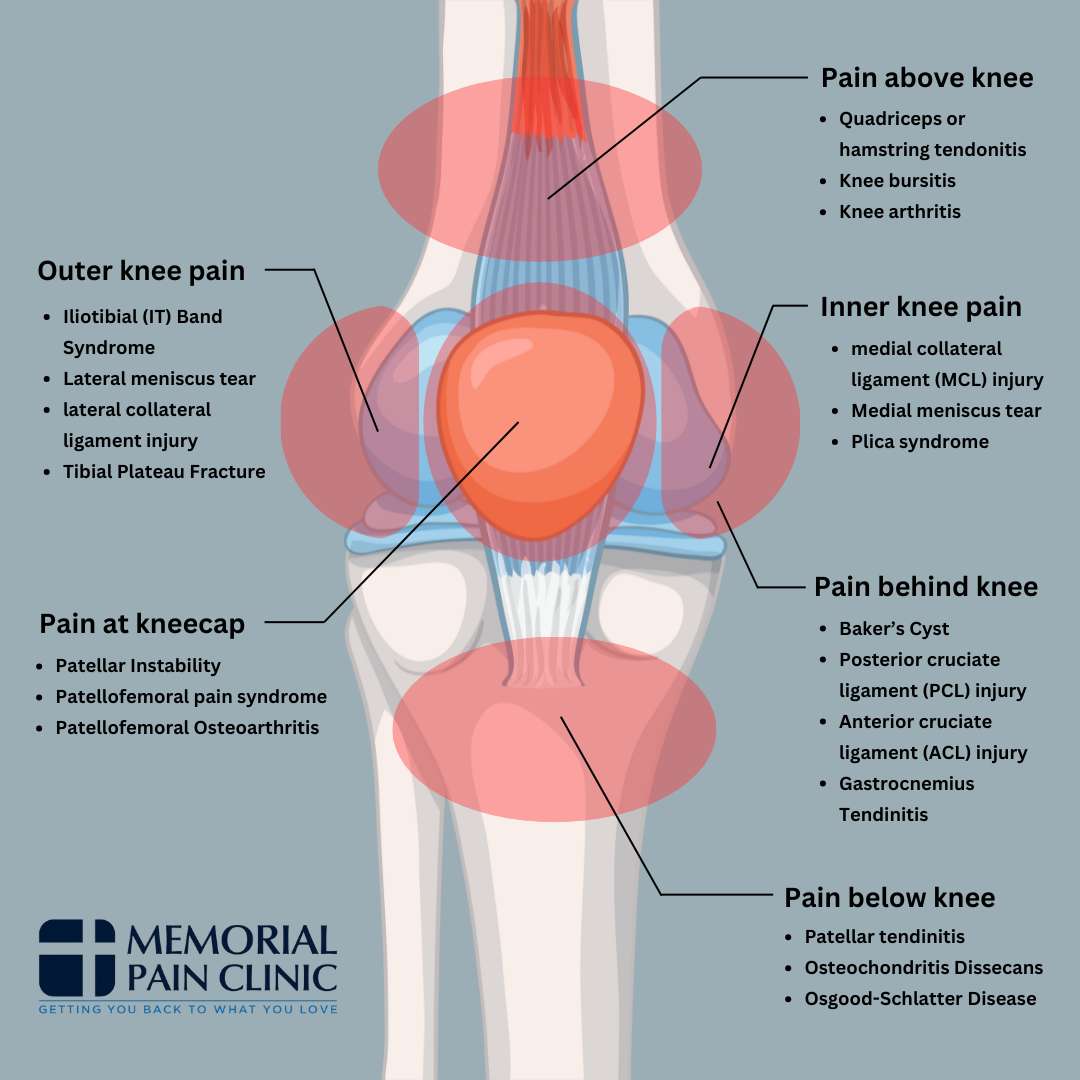
Knee pain in your 30s is becoming increasingly common, raising concerns for many young professionals. While some may dismiss early signs of knee pain as mere byproducts of aging or a sedentary lifestyle, these sensations can indicate significant underlying issues. The origins of knee pain can vary, ranging from patellofemoral pain syndrome to the more innocuous knee stiffness after sitting for extended periods. If you’ve experienced knee pain when descending stairs or noticed discomfort after prolonged activity, it’s crucial to address these symptoms rather than ignore them. Understanding the causes and potential solutions to knee pain can lead to effective management and prevention strategies, ensuring you remain active and pain-free.
Experiencing discomfort in your knees during your 30s can be alarming, especially when degenerative conditions were once perceived as issues for the elderly. This phenomenon, often linked to conditions like patellofemoral pain syndrome, manifests through various symptoms, such as stiffness after sitting or sharp pains when navigating stairs. Many individuals may find themselves puzzled by the sudden onset of knee pain, particularly when returning to exercise after long periods of inactivity. As we delve into the implications of knee pain in younger adults, it becomes evident that recognizing these early signs is essential for long-term joint health and mobility. By uncovering the root causes, individuals can better approach their treatment options, fostering a proactive stance towards maintaining knee function.
Understanding Knee Pain in Your 30s
Knee pain in your 30s is becoming increasingly common, as many young adults lead sedentary lifestyles and suddenly engage in intense physical activities. These changes can lead to various issues, including patellofemoral pain syndrome, which often manifests as discomfort when descending stairs. This early symptom is a crucial indicator of potential joint problems. Recognizing this pain and understanding its significance is essential for proactive management.
Moreover, younger individuals often misconstrue knee pain as a normal part of aging or simply a sign of overexertion. However, addressing the early signs of knee pain, such as stiffness after sitting or discomfort during stair descent, can prevent more serious conditions. By acknowledging these symptoms and seeking appropriate interventions early, individuals can significantly improve their long-term knee health.
The Importance of Early Detection
Early detection of knee pain is vital, particularly in individuals in their 30s, where the choices made can have lasting impacts. Many ignore the early signs of knee pain, such as stiffness after prolonged sitting or discomfort during activities like descending stairs. These symptoms shouldn’t be taken lightly; they can indicate underlying issues, such as patellofemoral pain syndrome or weak quadriceps, which can worsen if left untreated.
Healthcare professionals like Dr. Sancheti stress the importance of not overlooking these warning signs. The key takeaway is that early detection and intervention can help reverse knee problems that may develop into debilitating conditions later in life. It’s essential for individuals experiencing these early signs to consult with a healthcare provider to assess their knee health and formulate a plan.”}]},{
Frequently Asked Questions
What are early signs of knee pain in your 30s?
Early signs of knee pain in your 30s can include discomfort when descending stairs, knee stiffness after prolonged sitting, and a clicking sound when moving your knee. These symptoms may indicate issues like patellofemoral pain syndrome, which stems from knees not receiving adequate support, often due to weak quadriceps muscles. It’s essential to monitor these warning signs and address them early to prevent more severe knee issues.
| Key Points |
|---|
| Knee pain is increasingly common in individuals in their 30s, often perceived as minor discomforts. |
| Warning signs include pain while descending stairs, stiffness after prolonged sitting, and clicking sounds accompanied by pain. |
| Muscle weakness, particularly in quads, is a common underlying issue contributing to knee problems. |
| Body weight exacerbates knee stress significantly; even slight weight gain can increase joint wear. |
| Improper exercise execution and sudden high-intensity workouts can lead to acute knee issues. |
| Early intervention is crucial; physiotherapy, weight management, and muscle strengthening can reverse damage. |
Summary
Knee pain in your 30s is becoming increasingly recognized as a significant health concern, not just a sign of aging. For many individuals experiencing this condition, it often stems from the combination of sedentary lifestyles and sudden bursts of activity, which stress the knee joint. Early warning signs like pain while descending stairs, stiffness after sitting for prolonged periods, and persistent clicking should not be overlooked. Strengthening the quadriceps and maintaining a healthy weight are essential preventative measures, underscoring the need for early intervention to avoid long-term complications. Addressing these symptoms and seeking professional guidance can help mitigate pain and foster a healthier lifestyle, ultimately preserving knee function as one ages.