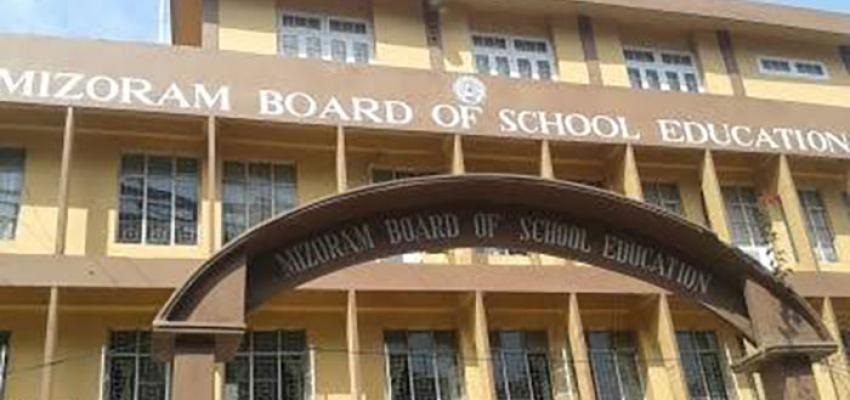
Mizoram education is at a crossroads as recent changes by the Mizoram Board of School Education (MBSE) have sparked significant debate among educators and stakeholders. The introduction of a new result format, which eliminates merit lists, has raised concerns about the future of academic competitiveness in Mizoram. Critics, including the Mizoram Independent Schools’ Association (MISA), argue that this decision undermines student motivation and disregards the achievements of high-performing individuals and schools. As the discussion unfolds, many are left wondering how this new format will affect the academic landscape and the aspirations of students eager to excel. With education in Mizoram under scrutiny, the implications of these changes could reshape the way students view their pursuit of excellence and recognition in their academic endeavors.
The educational framework in Mizoram is undergoing significant scrutiny following the recent modifications made by the MBSE regarding examination result disclosures. Departing from traditional practices, the board has opted not to publish lists of merit and distinctions, which some feel could dampen the competitive spirit among students. Stakeholders, including private school associations, are voicing their concerns over how this shift might affect student enthusiasm and academic performance levels. This situation is particularly highlighted by the ongoing discussions surrounding student recognition and benchmarking excellence within schools. As the educational community in Mizoram grapples with these changes, the emphasis on maintaining high standards and motivating students remains paramount.
Impact of Changing Mizoram Education Policies on Academic Competitiveness
The recent changes in the Mizoram education policies, specifically the removal of merit lists by the Mizoram Board of School Education (MBSE), raise crucial concerns about the overall academic competitiveness in the region. Previously, the merit lists served as a key motivator for students, encouraging them to strive for excellence and attain high ranks in their respective schools. By eliminating these rankings, the MBSE aims to shift the focus from rote memorization to competency-based learning. However, critics argue that this could inadvertently diminish the drive among students to perform at their best, ultimately lowering academic standards across schools in Mizoram.
Moreover, the Mizoram Independent Schools’ Association (MISA) has voiced strong objections regarding this new format. They argue that healthy competition, reflected through merit lists and academic achievements, plays a pivotal role in fostering student motivation and encouraging them to excel in their studies. By treating all students equally without recognizing individual talent, the initiative might erase the very encouragement that drives academic success. Without clearly defined distinctions and recognition of high achievers, there is a concern that students may lose interest in their studies, affecting their long-term ambitions and the overall educational landscape in Mizoram.
MISA’s Criticism of the MBSE’s Decision
MISA’s criticism of the MBSE’s decision to redefine the result format highlights the fundamental concerns regarding student motivation in Mizoram. MISA President Lalnunkunga Sailo emphasizes that recognizing exceptional academic performance through merit lists not only celebrates individual achievements but also promotes a culture of academic excellence within schools. According to Sailo, the previous system that showcased the top-performing students created a tangible goal for others to aspire to, enhancing the academic competitiveness that is essential for personal development. This feedback reflects a larger concern that the new direction set by the education board could lead to complacency among students.
Additionally, MISA has indicated that the reasoning provided by MBSE for the changes—such as alleviating student stress and discouraging rote learning—are insufficient to justify the removal of merit lists. The association calls for a balance between fostering a competitive spirit and promoting mental well-being. They argue that competition, when healthy and well-directed, contributes positively to a student’s educational experience, enhancing motivation and engagement. As Mizoram’s educational landscape evolves with these new policies, finding effective means to maintain motivation and competitiveness among students will be vital for sustaining high academic standards.
Reactions from Students and Parents on the New Result Format
The removal of merit lists has sparked mixed reactions among students and parents in Mizoram, with many expressing concern over the potential decline in academic motivation. Students, who once looked forward to seeing their names on the merit lists, feel that the new result format may lead to a sense of entitlements among peers, as everyone is treated equally despite varying levels of effort and achievement. This change has left students questioning the recognition of their hard work and dedication, which was previously acknowledged through academic rankings and distinctions.
Parents too have voiced their apprehensions, noting that the drive to excel has been an integral part of their children’s educational journey. They argue that without a clear benchmark for success, students might not feel compelled to strive harder or exceed their limits. Furthermore, the lack of distinction may lead to a flattening of academic performance across the board, which could eventually disadvantage ambitious students aiming for higher education opportunities. In a region where educational aspirations are high, this shift in policy could lead to broader implications for how young minds perceive success and work towards achieving it.
The Importance of Academic Recognition in Mizoram
In Mizoram, academic recognition through systems like merit lists plays a significant role in shaping student aspirations. The existence of rankings fosters a competitive atmosphere that encourages students to strive hard and realize their potential. Recognizing top-performing students not only motivates individuals but also acts as a benchmark for schools to evaluate their educational effectiveness. With the recent changes by MBSE, the concern is that the absence of such recognition may dilute the ambition among students, leading to a decline in academic rigor that the region has traditionally been known for.
Moreover, the critique from MISA strongly underlines the cultural importance of academic accomplishments within Mizoram. Schools that previously celebrated their students’ achievements through merit lists fostered an environment where hard work was celebrated. This culture not only fueled competition but also encouraged collective school improvement, as schools aspired to have the highest achievers. Maintaining a system that honors and recognizes academic excellence may be crucial in ensuring that students remain motivated to pursue their studies with vigor and determination, reflecting the core values of Mizoram’s educational ethos.
Effects of the New Format on Higher Education Aspirations in Mizoram
The shift in the result format implemented by MBSE may also have significant ramifications for higher education aspirations among Mizoram’s students. Traditionally, students have viewed high rankings as essential milestones on their route to pursuing further studies, whether in prestigious institutions in India or abroad. This competitive streak not only encourages academic excellence but also shapes students’ profiles for college admissions. The discontinuation of merit lists could undermine students’ clarity on what is needed to stand out in highly competitive college application processes.
Additionally, with prominent discussions around academic competitiveness in Mizoram, the fear of complacency looms larger. As MISA representatives pointed out, without the incentive of being recognized among academically top-performing individuals, students may lack the motivation to aim for high achievements. Potentially, this shift could dissuade students from aspiring to higher educational goals, which require not only foundational knowledge but also a commitment to outperform peers. In the long run, this may affect the professional landscape in Mizoram, as fewer students may emerge equipped to tackle the demands of higher education and the workforce.
Balancing Competitiveness and Mental Well-Being in Education
A critical aspect of the debate surrounding the new educational policies in Mizoram is finding a balance between maintaining academic competitiveness and ensuring mental well-being among students. As MISA points out, competition often drives excellence, but it is equally important to address the mental health needs of students in what can be a high-pressure environment. While the removal of merit lists aims to relieve students from significant stress, its execution must consider the inherent motivation that such competitive structures provided.
Educational stakeholders in Mizoram need to explore alternative recognition systems that celebrate academic success while promoting a healthy, supportive atmosphere. Implementing awards for improvement, personal bests, or other recognition mechanisms could help maintain motivation among students without the stress that the top-ranking competition might entail. By innovatively rethinking the approach to academic recognition, the educational landscape in Mizoram can develop a system that prioritizes both achievement and the mental health of its students, fostering an environment conducive to holistic development.
Long-Term Implications for Educational Standards in Mizoram
The long-term implications of the MBSE’s decision to remove merit lists may significantly alter the educational standards in Mizoram. With the reduction of competitive incentives, there is a risk of a gradual decline in academic excellence as students may not feel compelled to push their limits. The establishment of rigorous educational standards is vital not just for individual student success but also for the integrity of the education system as a whole. As academic benchmarks disappear, so too might the essence of striving for greatness, potentially affecting the reputation of Mizoram’s education at larger regional and national levels.
Moreover, the educational environment in Mizoram could face a shift in dynamics, where schools become less likely to innovate or improve their teaching methods due to the lack of accountability. Schools previously motivated to enhance their academic performance in order to compete for top rankings might struggle to maintain high educational standards. Therefore, it is crucial for policymakers to ensure that while promoting a less competitive atmosphere among students, measures are still in place to encourage continuous improvement and excellence within schools. The balance between reducing stress and maintaining high educational standards is essential for the future of Mizoram’s education.
Frequently Asked Questions
How is the new result format from MBSE affecting academic competitiveness in Mizoram education?
The recent decision by the Mizoram Board of School Education (MBSE) to eliminate merit lists and distinctions in the result format has raised concerns about its impact on academic competitiveness in Mizoram education. Critics, notably the Mizoram Independent Schools’ Association (MISA), argue that this change undermines healthy competition among students, which is essential for promoting excellence in schools. By not recognizing top performers, the new format may diminish motivation and the drive for academic achievement, potentially leading to complacency among students.
| Key Points | Details |
|---|---|
| Changes to Result Format | The Mizoram Board of School Education (MBSE) will no longer publish merit lists, distinctions, or divisions in the results for Classes 10 and 12. |
| MISA’s Discontent | The Mizoram Independent Schools’ Association (MISA) has expressed disappointment, claiming the new format reduces competitiveness among students. |
| Criticism of Motivation Impact | MISA President Lalnunkunga Sailo criticized that eliminating merit lists demotivates students and diminishes academic competitiveness. |
| Impact on Educational Standards | The new system is viewed as a dilution of educational standards, potentially blurring the distinction between high-performing and average schools. |
| Reasons for Change | MBSE aimed to reduce rote learning and student stress, and to align with practices of ICSE and CBSE boards. |
| Concerns for Future | MISA warns that the new result format could deter ambitious students and lead to complacency. |
Summary
Mizoram education is experiencing significant changes with the recent decision by the Mizoram Board of School Education (MBSE) to alter the result publication format for Classes 10 and 12. This move, criticized by the Mizoram Independent Schools’ Association (MISA), aims to promote quality education by removing merit lists and divisions, but it has sparked concerns regarding student motivation and educational standards. Stakeholders fear the new approach may dilute academic competitiveness, undermining the achievements of high-performing students and schools. This ongoing debate highlights the delicate balance between fostering a healthy academic environment and encouraging excellence within Mizoram’s educational landscape.