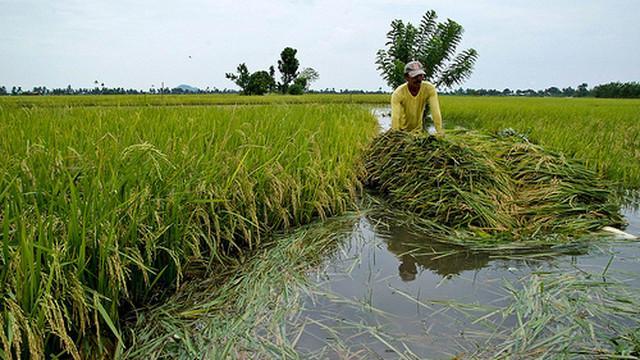
Assam rice varieties are not just staples of the local diet; they embody a rich heritage and significant agricultural potential. Highlighted by renowned scientist Arun Kumar Pathak, these rice varieties are pivotal for boosting rice production in Assam, particularly amid the challenges posed by climate change. Among the most notable are high-yield and flood-resilient rice types, such as Ranjit and Bahadur, which promise improved livelihoods for farmers in the region. With ongoing agricultural research aimed at enhancing these varieties, it’s crucial that farmers develop trust in the newly introduced seeds to ensure their successful adoption. The synergy of traditional practices and innovative developments is key to transforming Assam’s agricultural landscape and securing food sustainability in the years ahead.
In the realm of agriculture, rice cultivation holds a prominent position, especially in Assam, where diverse paddy strains flourish. Known for its distinctive qualities, Assam’s rice is intertwined with the culture and economy of the region. Scientists like Arun Kumar Pathak emphasize the necessity of fostering confidence among cultivators regarding these enhanced variants, which include both robust and high-productive types. The focus is not only on addressing local agricultural needs but also adapting to environmental challenges through flood-resilient strains. Embracing advanced agricultural practices through research will ultimately elevate Assam’s standing as a key player in rice production.
Understanding the Importance of Assam Rice Varieties
Assam rice varieties hold immense significance not only for the local economy but also for food security within the region. With its unique climatic and soil conditions, Assam is home to a diverse array of rice types that are well-suited to the challenges of local agriculture. Among these, high-yield varieties such as Ranjit and Bahadur showcase the potential for increased production, which could significantly impact the livelihood of farmers. However, despite the advancements in rice research by experts such as Arun Kumar Pathak, the acceptance of these new varieties remains a critical hurdle that needs to be overcome.
The adoption of improved rice varieties can lead to a more sustainable agricultural model, particularly in the face of climate challenges. For instance, flood-resilient rice varieties like Kushal and Bhogali are specifically bred to withstand the heavy monsoons that Assam experiences. By embracing these varieties, farmers can mitigate the risks associated with unpredictable weather, contributing to increased stability in rice production. Pathak’s emphasis on gaining farmers’ trust highlights the essential role of education and outreach in facilitating this transition towards high-yield and resilient rice cultivation.
Advancements in Agricultural Research for Rice Production
Agricultural research represents a cornerstone for enhancing rice production in Assam. Scientists like Arun Kumar Pathak are at the forefront of developing innovative strategies and new rice varieties that can adapt to changing environmental conditions. Through initiatives focusing on biotechnology, researchers are identifying traits that improve yield and resilience in rice plants, enabling farmers to maximize their outputs while minimizing losses due to pests and floods. This ongoing research is vital for ensuring that Assam remains competitive in the rice market both domestically and internationally.
Furthermore, the integration of cutting-edge technologies into rice farming practices is set to revolutionize the agricultural landscape in Assam. Tools such as robotics and precision agriculture are emerging, allowing for more efficient planting, cultivation, and harvesting processes. These advancements offer the potential to improve efficiency, reduce labor costs, and increase productivity substantially. The collaboration between scientific research and technology fosters an environment where high-yield, flood-resilient rice varieties can thrive, ultimately benefiting both farmers and consumers.
Building Farmer Trust in Improved Rice Varieties
The successful implementation of any agricultural innovation hinges on the trust and acceptance of the farming community. Despite the availability of scientifically advanced rice varieties, farmers must be convinced of their benefits and reliability. Arun Kumar Pathak emphasizes that building this trust is paramount, as resistance from farmers can stall the progress of agricultural advancements. Programs aimed at demonstrating the success and practicality of these new varieties through field trials and peer-to-peer testimonials are essential for encouraging adoption.
Educational initiatives that inform farmers about the advantages of high-yield rice varieties and their resilience against flooding play a critical role in fostering confidence. Workshops, demonstration farms, and direct outreach can help bridge the knowledge gap, enabling farmers to see firsthand the potential benefits of varieties such as Jalashree and Luit. When farmers witness tangible improvements in their yields and overall agricultural resilience, they are more likely to adopt these innovative solutions, paving the way for enhanced rice production across the region.
The Role of Community in Agricultural Advancement
Community engagement is an often-overlooked element in the success of agricultural research initiatives. In Assam, associations like the Doomdooma Senior Citizens’ Association have become crucial platforms for disseminating information about new rice varieties and farming practices. By fostering discussions among local farmers and agricultural researchers, these community-based groups can facilitate the acceptance and adoption of innovative techniques. Arun Kumar Pathak’s address to this association underscores the importance of community collaboration in bridging the gap between science and practice.
Empowering local communities through education and participation in agricultural research initiatives not only drives acceptance of new rice varieties but also helps create a support network for farmers. As they share their experiences and insights, farmers can collectively assess the effectiveness of innovations like high-yield and flood-resilient rice varieties. This collaborative approach enhances resilience not only in rice production but also in the social fabric of farming communities, empowering them to adapt and thrive amidst challenges.
Future Prospects for Rice Research in Assam
As Assam continues to grapple with the challenges posed by climate change and food security, the future of rice research presents exciting opportunities. With scientists like Arun Kumar Pathak leading the charge in developing adaptable rice varieties, there is hope for the evolution of farming practices that prioritize sustainability and productivity. Agriculture in Assam stands on the brink of transformation, and further investment in research can lead to breakthroughs that significantly uplift rice production in the region.
Moreover, the incorporation of modern techniques along with traditional farming wisdom can foster a holistic approach to agricultural development. As researchers collaborate with farmers, new insights can lead to the development of high-quality rice varieties that meet both market demands and resilience requirements. Emerging technologies hold promise for automating agricultural processes, reducing labor burdens, and ultimately enhancing the economic stability of rice farmers in Assam.
Comparing Traditional and Modern Rice Varieties
The landscape of rice cultivation in Assam is shaped by both traditional and modern farming practices. Traditional rice varieties, revered for their cultural significance and local adaptation, often struggle to compete with newer, high-yield varieties like Ranjit and Jalashree. While these modern variants offer improved productivity and flood-resilience, it is essential to acknowledge and preserve the unique characteristics of traditional rice types. Striking a balance between tradition and innovation is crucial for sustainable agricultural practices.
Research efforts led by experts like Arun Kumar Pathak are focusing on the benefits of integrating traditional varieties with modern breeding techniques. By combining the resilience of heirloom rice with the high yield potential of new varieties, it is possible to develop hybrids that maintain local adaptability while enhancing productivity. This integration not only helps sustain agricultural biodiversity in Assam but also strengthens the overall ecosystem of rice farming, benefiting both farmers and the environment.
Impact of Climate Change on Rice Farming in Assam
Climate change poses one of the most significant threats to rice farming in Assam. With unpredictable weather patterns leading to increased instances of floods and droughts, farmers face mounting challenges in ensuring consistent yields. Arun Kumar Pathak highlights the importance of developing flood-resilient rice varieties that can withstand these environmental stresses. Varieties like Bhogali have been specifically bred to thrive in such conditions, showcasing the potential for resilience in the face of climate adversity.
Adaptation strategies, including the adoption of high-yield rice varieties, play a key role in mitigating the impact of climate change on agriculture. Understanding the specific climate challenges faced by farmers in various regions of Assam is fundamental to informing breeding programs. Encouraging the farmers to embrace flood-resilient rice varieties can lead to a more robust agricultural system, not only enhancing food security for their families but also ensuring sustainable livelihoods in the long run.
The Future of Rice Production in Assam
Looking ahead, the future of rice production in Assam appears promising, particularly with the ongoing advancements in agricultural research. Experts like Arun Kumar Pathak are dedicated to pushing the boundaries of rice variety development, ensuring that farmers have access to the best seeds available. The ongoing commitment to enhancing high-yield and flood-resilient rice varieties will be pivotal as Assam strives to meet growing food demand and adapt to climate challenges.
Continued investment in agricultural research and community education will be essential in fostering a thriving rice sector in Assam. By bringing together scientists, farmers, and agricultural organizations, the development and adoption of new rice varieties can be accelerated. This collaborative approach will ultimately empower farmers, improve rice production, and strengthen the regional economy, ensuring that Assam remains a cornerstone of rice cultivation in India.
Innovations in Farming Techniques for Rice Cultivation
The evolution of rice farming in Assam is closely linked to innovations in cultivation techniques. Traditional methods are increasingly being supplemented with modern farming practices that enhance efficiency and yield. Techniques such as precision farming, which utilizes data analytics and technology to optimize inputs, are transforming how rice is cultivated. Researchers are encouraging farmers in Assam to adopt these innovations, combined with high-yield rice varieties, to maximize production potential.
Furthermore, advancements such as robotics and automated systems are set to revolutionize the rice farming landscape in the next few years. These technologies can significantly reduce the manual labor required, allowing farmers to focus their efforts on areas that will improve overall productivity and sustainability. By integrating these innovations into their practices, farmers in Assam will not only improve rice cultivation outcomes but also position themselves favorably in a rapidly changing agricultural market.
Frequently Asked Questions
What are some high-yield rice varieties developed for rice production in Assam?
In Assam, several high-yield rice varieties have been developed to enhance rice production, including Ranjit, Bahadur, and Kushal. These varieties not only provide higher yields but are also tailored to withstand local climatic challenges. Agricultural scientist Arun Kumar Pathak has been pivotal in creating over 20 such varieties, which focus on improving both productivity and resilience against floods.
| Key Point | Details |
|---|---|
| Importance of Farmer Trust | Farmers must accept and trust new rice varieties for them to be successfully adopted in agriculture. |
| Role of Agricultural Research | Agricultural research thrives on the effective adoption of improved seed varieties in the field. |
| Key Rice Varieties | Highlighted varieties include Ranjit, Bahadur, Kushal, Bhogali, Luit, Kopili, and Jalashree for high yield and flood resilience. |
| Emerging Technologies | Technologies like robotics are expected to advance agricultural practices in the future. |
Summary
Assam rice varieties are crucial for enhancing agricultural productivity and sustainability in the region. Notably, the success of these rice varieties depends heavily on the trust and acceptance of farmers. Arun Kumar Pathak, a distinguished rice researcher, has developed multiple high-yield and flood-resilient varieties that stand to significantly benefit local agriculture. By fostering a culture of trust in these innovations, along with embracing modern technologies, Assam can achieve remarkable advancements in rice production, ultimately securing food resources and promoting farmer welfare.