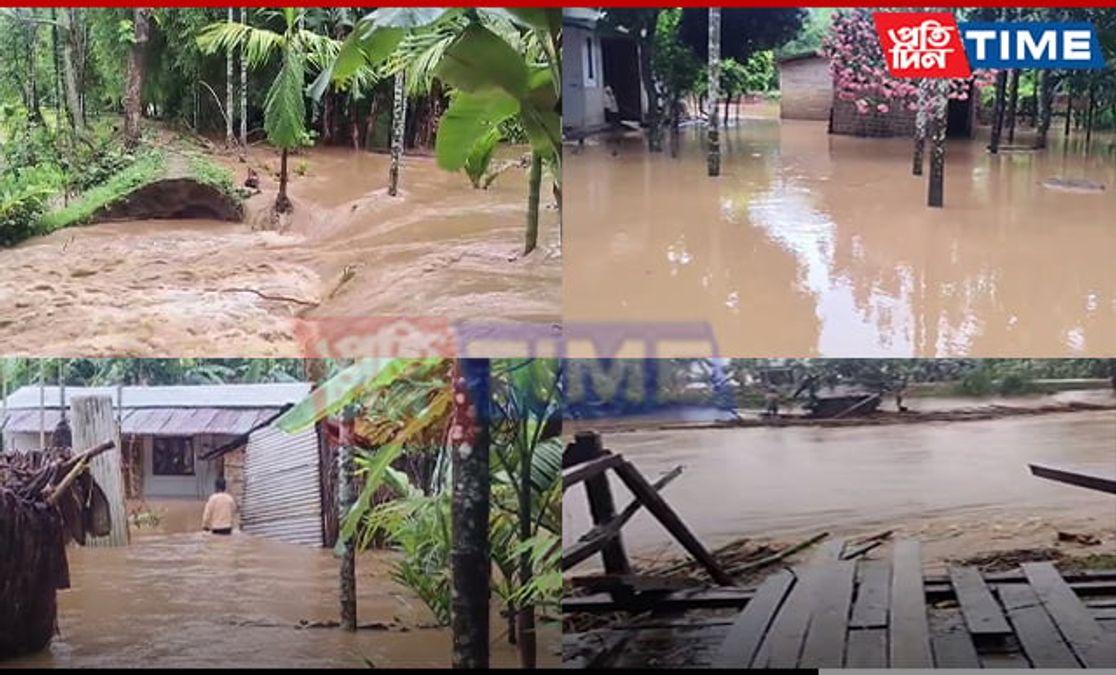
Panyor Lower Hydroelectric Power Station, located in the picturesque Keyi Panyor district of Arunachal Pradesh, recently faced an unexpected disaster when a devastating flash flood struck its residential colony. This extreme weather event was triggered by localized rainfall that, according to the North Eastern Electric Power Corporation (NEEPCO), was entirely unrelated to the operations of their reservoir or powerhouse. The flood, which occurred early in the morning, led to rampant overflow from nearby streams, resulting in significant damage to community infrastructure and tragic loss of life. NEEPCO’s prompt response included clarifications around the flood’s causality, ensuring that safety measures and disaster response teams were mobilized swiftly to aid affected residents. As the region grapples with the aftermath of this localized rainfall disaster, the focus remains on recovery and support for those impacted by the residential damage in floods.
The Panyor Lower Hydroelectric Power Station is at the heart of an unfolding crisis in Arunachal Pradesh, showcasing the vulnerability of communities to natural disasters. This hydroelectric facility, managed by NEEPCO, was completely unrelated to the recent floods that have devastated surrounding residential areas. The intense and sudden rain events have led to a surge in local streams, catching residents off guard and prompting an urgent call for disaster management interventions. As search and rescue efforts commence, it’s crucial to understand the dynamics of localized weather phenomena and their catastrophic consequences on human settlements. The incident has spurred an extensive evaluation of early warning systems and disaster preparedness protocols to mitigate future risks and enhance safety for local populations.
Impact of Flash Floods in Arunachal Pradesh
Flash floods pose a significant threat in regions like Arunachal Pradesh, particularly due to the intense localized rainfall often experienced in the area. Such incidents can lead to devastating consequences, including destruction of infrastructure and loss of lives. The recent flash flood at the Panyor Lower Hydroelectric Power Station colony serves as a critical reminder of how these natural disasters can strike unexpectedly and result in extensive residential damage. During such events, communities often face the immediate challenge of recovery and rebuilding, while grappling with the emotional toll of loss.
The aftermath of flash floods typically depends heavily on local government and disaster response teams’ efficiency. In Arunachal Pradesh, organizations like the State Disaster Response Force (SDRF) play a vital role in providing immediate help during emergencies. Their ability to mobilize resources quickly and conduct search and rescue operations is crucial for minimizing casualties and aid those affected by incidents like the one in Panyor. This highlights the importance of adequate disaster preparedness and response strategies for mitigating the risks associated with flash flooding.
Understanding NEEPCO’s Role in Flood Management
The North Eastern Electric Power Corporation (NEEPCO) holds a pivotal role in managing hydroelectric projects in regions such as Arunachal Pradesh. Following the flash flood incident at the Panyor Lower Hydroelectric Power Station, NEEPCO clarified that the flood was not attributable to any operations of the reservoir or powerhouse. Instead, the corporation continued to stress that the flash flood resulted solely from excessive localized rainfall. Understanding the distinction is crucial to avoid misconceptions that flood management practices could have contributed to the disaster.
NEEPCO’s Early Warning System (EWS) was designed to monitor fluctuations in rainfall and reservoir levels, providing vital data to prevent potential crises. The recent flash flood incident underscored the system’s effectiveness, as there were no reported abnormalities in rainfall or inflow just prior to the tragedy. However, this event illustrates the critical need for ongoing enhancements in monitoring and preparedness protocols to better anticipate localized weather phenomena that can lead to catastrophic outcomes like residential damage and emergency evacuations.
Rescue Operations Following the Flood Incident
In the wake of the flash flood that impacted the Panyor Lower Hydroelectric Power Station colony, swift action was taken by local authorities and disaster response teams. The complex nature of flood-related rescue operations often requires multi-agency coordination, which was evident as the district administration, SDRF, and Indian Air Force joined forces to conduct search and rescue missions. Their combined efforts have been focused on locating individuals who were unaccounted for, as well as providing urgent medical aid to those injured, illustrating the critical effectiveness of rapid emergency response.
Disaster response teams work tirelessly during such operations, often facing treacherous conditions. The challenges of navigating flooded landscapes can complicate rescue efforts significantly, bringing attention to the importance of advanced training and resource allocation for these teams. The response to the situation at Panyor exemplifies the essential balance between immediate local action and systemic disaster management practices, aimed at minimizing impacts and supporting communities in peacetime and crises alike.
Local Community Resilience in the Face of Disasters
The recent flash flood event in Arunachal Pradesh not only highlights the vulnerability of communities like those surrounding the Panyor Lower Hydroelectric Power Station but also their resilience. Resilience in the face of disasters is characterized by how communities come together to support one another during recovery. Shared experiences, mutual support systems, and active participation in disaster preparedness initiatives significantly contribute to the strength and resilience of local populations in times of crisis.
In response to the calamity, initiatives focusing on community awareness and education regarding disaster risks and safety protocols are critical. Strategies such as workshops, drills, and community meetings can aid in empowering residents with the knowledge they need to respond effectively in emergencies. This proactive approach not only prepares communities for future incidents but fosters a sense of solidarity and collective responsibility that enhances overall resilience.
The Environmental Context of Flash Floods
The geographical and environmental characteristics of regions like Arunachal Pradesh contribute significantly to the risk of flash floods. The steep terrain and heavy rainfall patterns create conditions that can lead to rapid water accumulation, resulting in overwhelming flooding events like that seen in Panyor. Furthermore, the impact of climate change and localized weather patterns amplifies the frequency and severity of such phenomena, emphasizing the need for comprehensive environmental assessments and sustainable management practices.
Awareness of the environmental context surrounding flash floods can help in developing better flood management strategies. It is essential for local authorities and organizations like NEEPCO to engage in proactive measures that consider hydrological factors, land use planning, and the implications of natural disaster response. By prioritizing environmental sustainability alongside infrastructural development, future risks associated with localized rainfall disasters can be mitigated.
Learning from the Panyor Flood Disaster
The flash flood disaster at the Panyor Lower Hydroelectric Power Station has sparked a critical conversation about disaster risk management in Arunachal Pradesh. One of the primary lessons learned involves enhancing the capabilities of local infrastructure to withstand extreme weather events. Vigilance, preparedness, and the implementation of robust engineering standards can help build resilience against future floods.
Responses to past disasters can inform better strategies moving forward. Analyzing failures and successes from the Panyor incident offers valuable insights that can drive policy changes and warrant improvements in emergency management protocols. Continuous learning from such tragedies will bolster local capacity, ensuring communities are equipped to face the uncertainties posed by climate impacts.
Community Recovery and Long-Term Support
Following any significant disaster, including the recent flash flood in Arunachal Pradesh, long-term recovery and community support are vital. The rebuilding process, particularly in areas that suffered extensive damage like the Panyor colony, requires collaborative efforts between government agencies, NGOs, and the affected community members. Addressing the physical reconstruction of homes, infrastructure, and livelihood sources is essential for returning to normalcy.
Moreover, psychological support during the recovery phase is equally important, as many affected individuals may suffer from trauma or anxiety. Community welfare programs focusing on mental health resources, alongside material assistance, can aid in helping residents rebuild their lives. A coordinated approach ensuring both physical and emotional rehabilitation gives communities a more holistic path to recovery.
Infrastructure Resilience in Hydropower Regions
The vulnerability of hydropower infrastructure, such as the Panyor Lower Hydroelectric Power Station, to natural disasters like flash floods prompts a reevaluation of design and operation standards. Enhanced structural resilience is paramount; thus, security measures and infrastructure audits should be considered essential components for development projects in susceptible areas. This approach underlines the importance of anticipating extreme weather events influenced by climate pressures.
Research and development can foster innovations that protect energy facilities from adverse conditions. This may include upgrades to existing infrastructure, diversifying energy sources, and implementing advanced monitoring technologies like Early Warning Systems. Investing in such upgrades not only ensures operational continuity but also safeguards local communities from the potential devastating impacts of natural disasters.
The Role of Government Policy in Disaster Management
Effective government policies are crucial for enhancing disaster preparedness and response systems. The flash flood incident at Panyor highlights a pressing need for integrated planning that encompasses all aspects of disaster management, including risk assessment, resilience building, and community engagement. Policymakers must prioritize funding and establish frameworks that support timely interventions and resources when emergencies occur.
Moreover, collaboration between various levels of government and organizations is necessary for successful disaster response. By fostering partnerships among local governments, non-profit organizations, and the private sector, resources can be pooled for maximum impact. Transparent communication and coordination can significantly improve community readiness and the efficiency of disaster response actions, ensuring that populations are protected and supported when crises arise.
Frequently Asked Questions
What caused the flash flood at the Panyor Lower Hydroelectric Power Station colony in Arunachal Pradesh?
The flash flood at the Panyor Lower Hydroelectric Power Station colony was caused by highly localized and intense rainfall, which began early on June 24, leading to overflow of two nearby streams. The North Eastern Electric Power Corporation (NEEPCO) confirmed that this incident was not related to the operations of the reservoir or powerhouse.
| Key Points | Details | |
|---|---|---|
| Incident Description | A flash flood impacted the Panyor Lower Hydroelectric Power Station colony due to localized and intense rainfall. | |
| Date and Time of Incident | June 24, around 6:30 AM, after heavy rain began around 3:00 AM. | |
| Damage Assessment | 24 residential buildings destroyed; several others damaged. | |
| Casualties and Missing Persons | 1 confirmed dead; 4 individuals unaccounted for. | |
| Rescue Efforts | Conducted by local district administration, SDRF, and Indian Air Force, including airlifts of injured. | |
| NEEPCO’s Statement | The incident is unrelated to the reservoir or powerhouse operations and was solely due to heavy rainfall. | |
| Early Warning System Report | No significant high rainfall or abnormal inflow to the reservoir was reported at the time of the incident. | |
| Impact on Downstream Areas | The flash flood did not affect downstream areas according to NEEPCO. | |
Summary
Panyor Lower Hydroelectric Power Station faced a devastating flash flood on June 24, resulting from a severe localized rainfall that led to the overflowing of nearby streams. This calamity not only destroyed 24 residential buildings in the Power Station colony but also resulted in one fatality and left four individuals unaccounted for. The incident, clarified by the North Eastern Electric Power Corporation (NEEPCO), was entirely separate from any operations associated with the hydroelectric project, emphasizing that the operations of the reservoir and powerhouse did not contribute to this natural disaster. Immediate rescue efforts were launched by various agencies, highlighting a robust response to this tragic event.