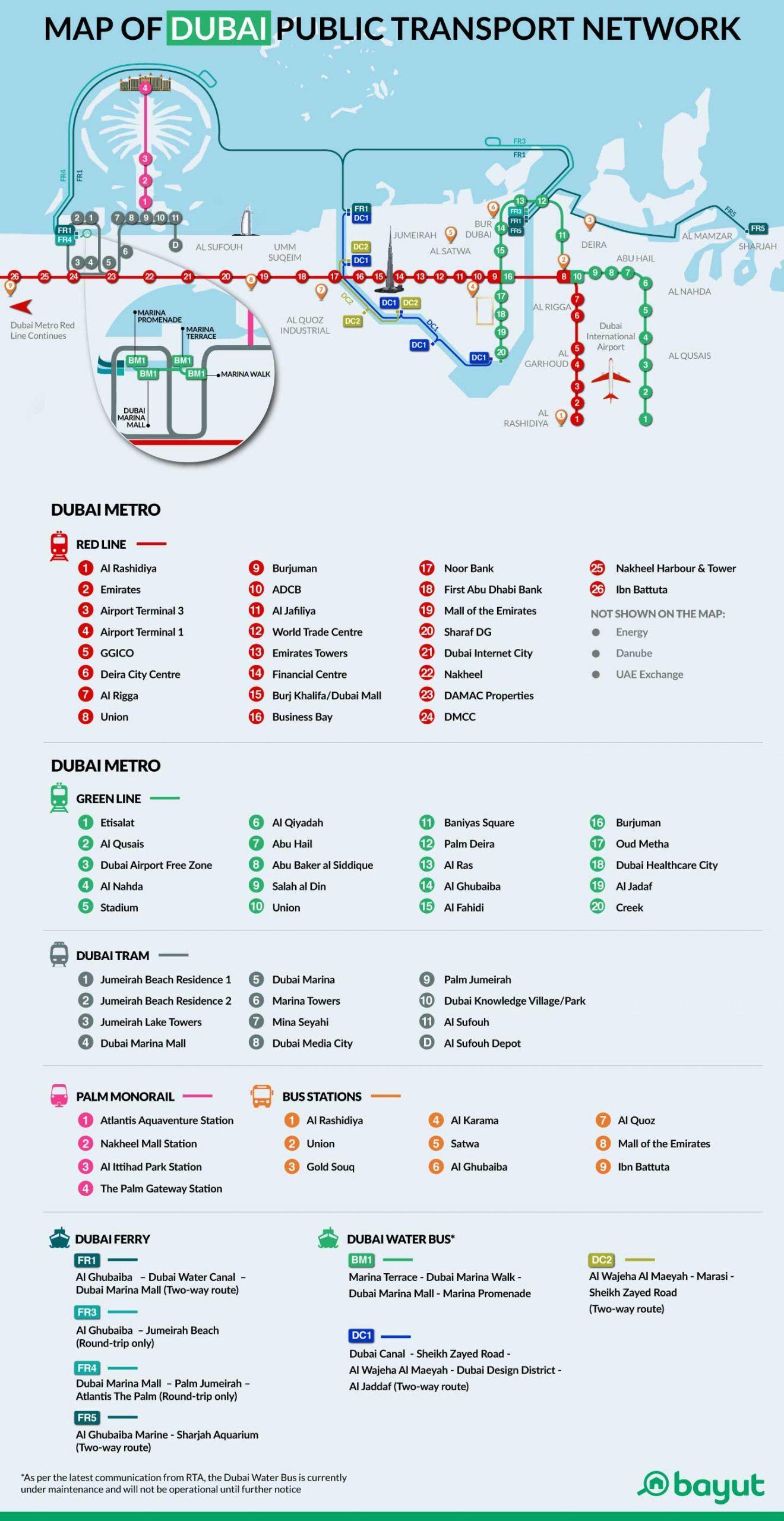
Dubai smart bus station marks a revolutionary milestone in the city’s public transportation system, furthering the initiative of smart mobility in Dubai. Located at the iconic Mall of the Emirates, this station integrates cutting-edge artificial intelligence technology in transportation, creating a seamless commuting experience for residents and visitors alike. Designed with sustainability in mind, the Dubai smart bus station provides 24/7 digital services that not only enhance efficiency but also significantly reduce waiting times for passengers. By facilitating better passenger flow, it encourages a shift towards public transport, showcasing Dubai’s commitment to innovative transport solutions. With its strategic connections to key areas, including Al Quoz and Dubai Production City, this station is poised to transform how people travel across the emirate.
The debut of the integrated smart bus terminal in Dubai is a testament to the city’s dedication to enhancing urban mobility. Situated adjacent to the well-known Mall of the Emirates, this transport hub embraces state-of-the-art AI technology in commuting. It promises to enrich the travel experience for users by incorporating smart services that prioritize safety, convenience, and environmental sustainability. The terminal’s role in connecting a range of neighborhoods and attractions highlights the significance of effective public transport management in enhancing city life. This pioneering project is a clear indication of Dubai’s vision for a smart transportation future, setting a standard for cities worldwide.
Exploring the Features of Dubai’s Smart Bus Station
The newly launched smart bus station at the Mall of the Emirates redefines the commuting experience in Dubai by integrating advanced artificial intelligence technology into its operations. With features such as AI-powered cameras, the station can effectively monitor crowd movements and manage passenger flow. This not only helps streamline the boarding process but also ensures safety by detecting any violations instantaneously. The emphasis on smart mobility in Dubai aligns with the city’s vision to embrace technology for enhancing public transport efficiency.
In addition to AI capabilities, the smart bus station also prioritizes sustainability, demonstrating Dubai’s commitment to green transport initiatives. By offering 24/7 digital services and reducing waiting times, it encourages more residents and tourists to choose public transportation over private vehicles, thus minimizing traffic congestion. The seamless connectivity provided to various neighborhoods, including Al Quoz Industrial Area and Dubai Production City, further enhances the appeal of using public transport in a city that is rapidly urbanizing.
The Impact of Smart Mobility on Public Transport in Dubai
Smart mobility represents a transformative shift in how urban transportation operates, particularly in a bustling city like Dubai. The implementation of AI technology in commuting enhances not just the efficiency of public transport but also the overall traveler experience. Innovations such as real-time information systems at the bus station provide passengers with up-to-date details about bus arrivals and departures, which significantly reduces uncertainty and enhances travel planning. More residents are likely to rely on public transport as a result, fostering a culture of community connection and sustainability.
Moreover, the integration of smart bus stations into the public transport network is expected to significantly reduce environmental impact. As commuting becomes more efficient, it minimizes the reliance on individual car use, leading to lower emissions and a cleaner urban ecosystem. With direct routes connecting major attractions like the Dubai Miracle Garden, the public transport system becomes an essential asset for both residents and visitors. The shift towards smart mobility in Dubai plays a crucial role in achieving the city’s goals towards sustainable urban development.
AI Technology Revolutionizing Dubai’s Commuting Experience
Artificial intelligence is at the forefront of revolutionizing the commuting landscape in Dubai, particularly within the newly inaugurated smart bus station. The AI-powered systems not only enhance operational efficiency but also improve the overall user experience. For instance, AI technology monitors bus occupancy levels, providing insights that allow the Roads and Transport Authority to adjust services dynamically based on passenger demand. This responsiveness transforms how individuals plan their journeys, making commuting more reliable and convenient.
Furthermore, the integration of AI technologies into bus stations ensures that commuters have access to valuable information at their fingertips. With digital screens displaying real-time updates and alerts, passengers can swiftly adapt their travel plans based on any service changes or delays. This commitment to utilizing advanced technology demonstrates Dubai’s ambition to create a future-ready transport system that is intricately tied to smart mobility goals, ultimately setting a benchmark for major cities around the world.
Connecting Communities through Dubai’s Smart Infrastructure
The smart bus station at the Mall of the Emirates represents a significant investment in urban infrastructure aimed at connecting various communities within Dubai. With routes serving residential areas such as Al Barsha and neighborhoods like Jumeirah Village Circle, the station simplifies access to essential services and recreational venues. This interconnectedness not only eases daily commutes but also fosters socioeconomic interactions among diverse populations, showcasing the importance of public transport in urban community building.
Ultimately, the strategic planning behind Dubai’s public transport enhances accessibility and encourages mass transit use, making the city more livable for its residents. The addition of routes connecting to key tourist attractions like the Global Village and Dubai Science Park broadens the appeal of public transit, helping visitors experience the city without the hassles of parking and traffic congestion. Such infrastructure advancements underscore Dubai’s commitment to maintaining a vibrant, interconnected urban landscape.
The Future of Public Transport in Dubai: Innovations and Trends
Looking ahead, the future of public transport in Dubai is poised for significant innovations, driven largely by ongoing advancements in smart technology. The smart bus station serves as a prototype for possible future expansions across the city, suggesting a trend towards increasing automation and integration in urban mobility systems. As smart mobility concepts evolve, we can expect further enhancements to passenger experiences via passenger-centric digital services.
Additionally, the increased emphasis on sustainability within the public transport sector positions Dubai as a model for other cities striving for eco-friendly solutions in urban transport. The growing reliance on AI technology will likely pave the way for further operational efficiencies, potentially leading to reduced costs for both commuters and the governing transportation authorities. The combination of innovation and sustainability will define the future of Dubai’s public transport, ultimately contributing to a smarter, more connected city.
Enhancing Passenger Experience with Digital Services
The launch of the smart bus station represents a significant leap in enhancing the passenger experience through innovative digital services. With 24/7 availability of information and assistance, passengers are now empowered to navigate the public transport network with confidence. Enhanced mobile applications provide real-time schedules, route information, and updates about transit progress, ensuring commuters are well-informed throughout their travels. This immediate access to information is a game-changer, particularly in a busy urban environment like Dubai.
Furthermore, the integration of user-friendly digital kiosks at the smart bus station allows passengers to complete transactions conveniently, such as topping up their nol card or planning routes without the need for human interaction. This level of service caters to the demands of modern commuters, who seek efficiency and ease during their journeys. The focus on improving passenger experience through technological advancements solidifies Dubai’s reputation as a leader in smart transportation solutions.
Reducing Traffic Congestion: A Vision for Sustainable Urban Mobility
As Dubai continues to grow, reducing traffic congestion has become a central goal for the city’s transport authorities. The smart bus station at the Mall of the Emirates plays a pivotal role in this vision by providing a reliable alternative to car travel. By encouraging a shift towards public transport, it aims to alleviate pressure on the city’s roadways, which are often burdened by high volumes of traffic. The strategic placement of the station near major commercial hubs also facilitates easy access for commuters looking to avoid travel delays.
Moreover, as more passengers opt for the bus services offered by the station, the anticipated decline in carbon emissions contributes to Dubai’s broader environmental objectives. Efforts to enhance public transit align with global trends emphasizing sustainability and smart urban mobility. By investing in such innovative solutions, Dubai not only addresses current congestion issues but also lays a foundation for future generations, envisioning a more balanced approach to urban transportation.
The Role of AI in Modernizing Dubai’s Public Transport System
The incorporation of artificial intelligence into Dubai’s public transport system marks a significant modernization effort that aligns with global trends in smart city development. AI technology enhances operational efficiencies through improved monitoring and management of transit systems, allowing for rapid adjustments based on real-time data. With the help of AI-powered analytics, transportation authorities can optimize bus routes and schedules to meet fluctuating demands, ensuring a seamless travel experience for commuters.
In addition to operational improvements, AI tools also enhance safety and security within the public transport network. The deployment of smart surveillance systems provides valuable insights into passenger behavior and helps identify potential risks, thereby enhancing the safety of both commuters and transport staff. As AI continues to evolve, it opens new avenues for innovation in Dubai’s public transport landscape, driving ongoing improvements that benefit all users.
Integrating Public Transport with Key Attractions
One of the core features of the smart bus station is its integration with key attractions around Dubai. By facilitating easy access to popular destinations such as the Mall of the Emirates and Dubai Miracle Garden, the station significantly enhances the experience for both residents and tourists. This interconnected transport network not only simplifies travel logistics but also encourages visits to diverse attractions within the city, contributing to a vibrant tourism sector.
Additionally, the routes planned from the smart bus station foster greater inclusivity by linking residential neighborhoods with major city highlights. This design encourages greater public transport use, effectively reducing reliance on personal vehicles. As access to cultural and leisure activities expands through public transport options, the entire urban experience is enhanced, showcasing the transformative power of well-planned public transit in a dynamic city like Dubai.
Frequently Asked Questions
What features make the Dubai smart bus station at Mall of the Emirates a key advancement in Dubai public transport?
The Dubai smart bus station at the Mall of the Emirates represents a significant leap in Dubai public transport. It is the first fully integrated smart bus station, utilizing artificial intelligence to enhance the commuting experience. Features include AI-powered cameras for monitoring crowd movements, digital services available 24/7, and a focus on sustainability, all designed to reduce waiting times and improve passenger flow.
| Key Feature | Details |
|---|---|
| Location | Mall of the Emirates |
| Launch Date | Recently unveiled by RTA |
| Technology | AI-powered cameras for crowd monitoring and passenger flow management |
| Sustainability Features | Incorporates green technology and services available 24/7 |
| Bus Routes | Includes routes like F29, F30, F33, F35, F36, F37, and Route 106 |
| Community Impact | Reduces waiting times and enhances public transport usage |
| Connections to Key Areas | Links to Al Quoz, Dubai Production City, The Greens, Arabian Ranches, and main tourist attractions |
Summary
The Dubai smart bus station represents a transformative leap in the city’s public transportation system, strategically positioned at the Mall of the Emirates. With its innovative use of AI technology and sustainability measures, this station is set to redefine urban mobility in Dubai. By enhancing passenger flow, reducing congestion, and providing round-the-clock services, the station not only benefits daily commuters but also encourages more residents and tourists to embrace public transport. As Dubai continues to evolve into a smart city, the smart bus station stands as a shining example of how technology can improve transportation solutions.