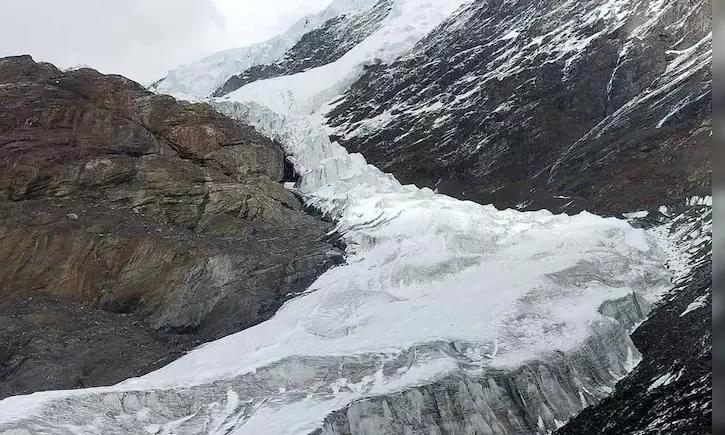
Glacial lake outburst floods represent a significant and alarming threat, particularly highlighted by the recent findings related to the Khangri glacier in Arunachal Pradesh. As scientists study the region, they’ve discovered alarming signs of potential outburst floods originating from newly identified proglacial lakes in the Mago Chi basin. The risks associated with such floods extend beyond mere environmental concerns, threatening local communities and ecosystems within the expansive Brahmaputra basin. Climate change impact is exacerbating glacial melt, thereby increasing the likelihood of these catastrophic events. Urgent measures are critical to address the dangers posed by these floods and to safeguard the future of areas vulnerable to proglacial lake threats.
Also known as catastrophic lake failures, glacial lake outburst floods occur when a glacial lake’s dam, often composed of ice or loose sediment, collapses unexpectedly. This phenomenon can unleash devastating torrents of water and debris, impacting the surrounding regions dramatically. Moreover, the Mago Chi basin’s precarious balance among natural water bodies is increasingly threatened due to climate shifts and glacial retreat. As investigations into the dangers of the Khangri glacier continue, understanding the dynamics of these flooding events is essential for mitigating risks in environments linked to significant river systems like the Brahmaputra. Awareness of proglacial lake vulnerabilities is crucial to develop effective flood management strategies and protect at-risk communities.
Understanding Glacial Lake Outburst Floods: A Growing Threat
Glacial lake outburst floods (GLOFs) are a significant environmental concern, particularly in regions like Arunachal Pradesh, where glaciers are rapidly melting due to climate change. These floods occur when a dam or moraine holding back a glacial lake fails, releasing vast quantities of water downstream in a short period. Scientists are particularly worried about the Khangri glacier, as recent expeditions revealed a proglacial lake in the Mago Chi basin, which is susceptible to such catastrophic events. The potential for GLOFs not only threatens ecosystems but also endangers local communities.
The risks associated with GLOFs are exacerbated by climate change, which accelerates the melting of glaciers and increases the volume of water in proglacial lakes. As temperatures rise, the structural integrity of the moraines that retain these lakes can be compromised, leading to sudden and destructive flooding. In the Brahmaputra basin, such floods can disrupt rivers, destroy livelihoods, and pose a grave threat to infrastructure. Understanding the dynamics of GLOFs is crucial for implementing effective risk management strategies to mitigate the impacts of these disasters.
The Dangers of Proglacial Lakes in the Mago Chi Basin
The Mago Chi basin stands out as a region of critical environmental importance, as it serves as a key headwaters area for the larger Brahmaputra basin system. The identification of a proglacial lake in this basin raises alarms among researchers and environmentalists. These lakes are formed by the melting of glaciers and can become unstable over time. If the proglacial lake near the Khangri glacier bursts, it could unleash devastating floods downstream, threatening agricultural lands, settlements, and critical infrastructure.
Floods originating from proglacial lakes like the one in Mago Chi can lead to rapid water accumulation downstream in the Brahmaputra basin. The resulting floods can wipe out entire communities and disrupt the ecological balance within the watershed. Additionally, as the climate continues to change, the frequency and intensity of such events are likely to increase. This scenario calls for heightened monitoring and assessment of glacial lakes in the region to develop effective early warning systems and to implement necessary safety measures.
Climate Change Impact on Himalayan Glaciers and Flood Risks
The impact of climate change on Himalayan glaciers is becoming increasingly evident as global temperatures continue to rise. Melting glaciers, particularly in regions like Arunachal Pradesh, contribute to heightened concerns surrounding glacial lake outburst floods. The Khangri glacier, known for its unique characteristics, is experiencing accelerated melt rates, leading to the formation of potentially hazardous proglacial lakes. The climate change-induced accelerated melting increases the overall volume of water, creating conditions ripe for catastrophic flooding events.
The implications of this ongoing climate crisis extend beyond just immediate flood risks. The Himalayan ecosystem, which relies on glacial meltwater, is undergoing significant transformations due to changing weather patterns. In the long term, these changes could disrupt water availability for millions of people living in the Brahmaputra basin and its surrounding areas. Mitigating climate change impacts through effective policies and conservation efforts is essential to safeguard both the environment and the communities that depend on these vital resources.
Risks Associated with Brahmaputra Basin and Local Communities
The Brahmaputra basin is not only one of the largest river systems in the world but also serves as a lifeline for millions of people. However, the increasing incidence of glacial lake outburst floods poses significant risks to local communities. The potential for GLOFs originating from the Khangri glacier could affect agriculture, drinking water supplies, and infrastructure, destabilizing the livelihoods of countless individuals. Studies have shown that the socio-economic impacts of these floods are vast, leading to displacement and loss of property.
Moreover, the interconnectedness of environmental and human systems means that these floods can exacerbate tensions over water resources in the region. With climate change expected to alter rain patterns and melt dynamics further, understanding and addressing these risks becomes critical. Community engagement, public education, and infrastructure development that accounts for potential flooding are essential components of resilience planning in the Brahmaputra basin.
Mitigation Strategies for Glacial Lake Outburst Floods
As the threat of glacial lake outburst floods grows, developing effective mitigation strategies is essential for protecting vulnerable communities and ecosystems. One of the primary strategies involves regular monitoring of proglacial lakes, especially those like the one in the Mago Chi basin linked to the Khangri glacier. By utilizing remote sensing technology and on-ground observations, scientists can assess the stability of moraines and the volume of water in glacial lakes, which can help in early warning systems for potential GLOFs.
Additionally, implementing infrastructure improvements such as enhanced drainage systems and flood barriers can significantly reduce risk in areas downstream from proglacial lakes. It is also crucial to engage local communities in disaster preparedness and response training. By informing residents about the nature of GLOFs and incorporating their knowledge into flood risk management, authorities can create a well-rounded and effective approach to safeguard lives and assets.
The Role of Science in Understanding Glacial Flood Dynamics
Scientific research plays a critical role in understanding the dynamics of glacial lake outburst floods and their associated risks. In the context of the Khangri glacier and the Mago Chi basin, interdisciplinary studies involving climatology, hydrology, and geology can shed light on the mechanisms behind glacial melt and lake formation. Such research is essential for predicting how these lakes evolve and the potential for sudden outbursts, helping policymakers and disaster response teams prepare for possible scenarios.
Moreover, involving local communities in scientific research initiatives helps in gathering indigenous knowledge and data that may not be captured through traditional scientific methods. By combining local insights with scientific approaches, researchers can better assess risks and foster greater community resilience to natural disasters. Continuous scientific inquiry into the effects of climate change on Himalayan glaciers will inform adaptive strategies aimed at minimizing the impact of glacial lake outburst floods.
Ecosystem Impacts of Glacial Lake Flooding
Glacial lake outburst floods are not only a threat to human safety but also to surrounding ecosystems. When floodwaters surge from a proglacial lake, they can significantly alter the local environment. The sudden influx of water can lead to erosion, habitat destruction, and changes in biodiversity within the affected areas. The Brahmaputra basin, rich in flora and fauna, can face disturbances that disrupt food chains and the overall health of the ecosystem.
Additionally, the sediment and debris carried by GLOF events can transform river morphology, affecting aquatic life and water quality downstream. The changes in ecosystems are often long-lasting, as species struggle to adapt to the new conditions. Protection of these ecosystems, therefore, requires a comprehensive understanding of potential flood impacts on biodiversity and habitat maintenance, which is crucial in developing ongoing conservation efforts.
Community Preparedness for Flood Events
Preparing communities for the risks associated with glacial lake outburst floods is critical for minimizing impacts. Community preparedness involves equipping local populations with knowledge and resources necessary to respond effectively in the event of a flood. Implementing early warning systems, evacuations plans, and conducting regular drills are essential methods to ensure that residents understand the risks and appropriate responses to GLOFs, especially in the Mago Chi basin.
Furthermore, building community resilience through education around climate change and its impacts can empower residents to engage in proactive measures. By fostering collaboration among local governments, NGOs, and the communities themselves, strategies can be developed that not only address immediate flood risks but also encompass long-term climate adaptation efforts. Building a culture of preparedness can significantly reduce panic and facilitate timely evacuations when faced with the threat of GLOFs.
Global Perspectives on Glacial Flood Risks
Understanding glacial lake outburst floods is a global concern since many mountainous regions around the world are witnessing accelerated glacial melt due to climate change. The risks posed by GLOFs are not unique to the Khangri glacier; regions in the Himalayas, Andes, and Alps are all experiencing similar threats. By examining experiences from different global contexts, researchers can develop a broader understanding of best practices and mitigation strategies that can be applied across various landscapes.
International collaboration among scientists, policymakers, and communities can facilitate knowledge exchange and resource sharing to tackle the challenges of glacial lake outburst floods. Global climate initiatives must also recognize the interconnectedness of these water systems, ensuring that vulnerable regions receive the necessary support to adapt. Engaging with this global perspective enables a comprehensive approach to mitigating risks associated with GLOFs, protecting environments, and safeguarding communities worldwide.
Frequently Asked Questions
What are glacial lake outburst floods and why are they a concern?
Glacial lake outburst floods (GLOFs) are sudden releases of water from glacial lakes, which can happen due to various triggers like ice or moraine dam failure. They are a concern because they can lead to catastrophic flooding downstream, endangering communities and ecosystems. Specifically, recent studies highlight risks associated with GLOFs from the Khangri glacier in Arunachal Pradesh, which can impact the Brahmaputra basin.
How do climate change effects influence glacial lake outburst floods?
Climate change accelerates glacial melt, leading to the formation of proglacial lakes that are more prone to outburst floods. The worsening conditions in the Mago Chi basin illustrate this risk, as scientists note that increased temperatures and erratic weather patterns heighten the likelihood of catastrophic GLOFs, posing threats to surrounding communities in the Brahmaputra basin.
What specific dangers do proglacial lakes in the Mago Chi basin pose?
Proglacial lakes in the Mago Chi basin create significant dangers such as the potential for glacial lake outburst floods. These floods can result from the destabilization of the ice or moraine surrounding the lakes, leading to rapid water release that can devastate local villages and ecosystems. The Khangri glacier region shows urgent need for monitoring these lakes.
How can communities in the Brahmaputra basin prepare for glacial lake outburst floods?
Communities in the Brahmaputra basin can prepare for glacial lake outburst floods by developing early warning systems, engaging in local risk assessments, and creating emergency response plans. Awareness programs about climate change impacts and GLOFs, especially regarding threats from the Khangri glacier and Mago Chi basin, are essential for community resilience.
What role do scientists play in monitoring glacial lake outburst floods?
Scientists play a crucial role in monitoring glacial lake outburst floods by conducting field research in high-risk areas like the Mago Chi basin. They analyze data on glacial melt rates, lake water levels, and potential breaches in ice dams, particularly from the Khangri glacier. Their research helps inform local governments and communities about risks associated with GLOFs in the Brahmaputra basin.
What measures are being taken to mitigate the risk of glacial lake outburst floods in Arunachal Pradesh?
To mitigate the risk of glacial lake outburst floods in Arunachal Pradesh, authorities are investing in research and monitoring programs. Collaborative efforts between scientists and local governments aim to enhance understanding of lake dynamics near the Khangri glacier and implement safety measures in vulnerable communities of the Mago Chi basin.
How does the geography of the Brahmaputra basin affect glacial lake outburst flood risks?
The geography of the Brahmaputra basin, characterized by its mountainous terrain and numerous glaciers, elevates the risk of glacial lake outburst floods. The presence of proglacial lakes formed by glaciers like the Khangri glacier can lead to dire flooding situations if they breach, particularly in the vulnerable Mago Chi basin where critical watershed dynamics are at play.
| Key Point | Details |
|---|---|
| Location of Concern | Khangri glacier in Arunachal Pradesh |
| Identified Risk | Proglacial lake potentially leading to glacial lake outburst floods. |
| Expedition Details | Researchers explored the Mago Chi basin and documented findings. |
| Environmental Importance | Mago Chi basin is a crucial headwaters region for the Brahmaputra basin system. |
| Climate Change Impact | Increasing glacial melt heightens risks of outburst floods. Necessary precautions are urged. |
Summary
Glacial lake outburst floods pose a significant threat to communities and environments near the Khangri glacier in Arunachal Pradesh. As scientists raise alarms about a proglacial lake identified during a recent expedition in the Mago Chi basin, it becomes evident that the dangers associated with these floods are increasing due to climate change. The Mago Chi basin’s vital role as a headwaters region for the larger Brahmaputra system further amplifies the need for immediate action to mitigate these risks.