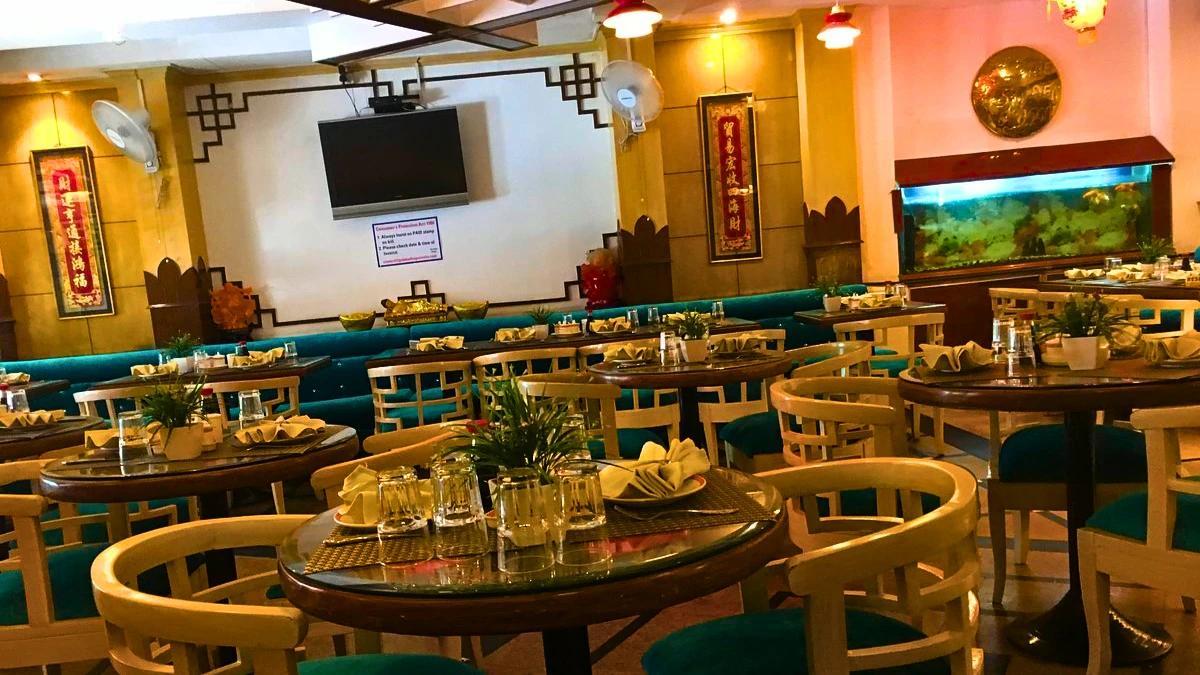
Women-led cafe Sikkim has officially opened its doors, situated at an impressive altitude of 13,000 feet near the historic Baba Harbhajan Singh Shrine in East Sikkim. This pioneering initiative not only showcases the culinary talent of local women, but it also serves as a beacon of women empowerment initiatives aimed at boosting economic growth in Sikkim. By attracting tourists to this remote area, the cafe is set to enhance tourism in Sikkim while providing sustainable employment opportunities to the community. Supported by the Trishakti Corps cafe project, this establishment embodies collaboration between military and civil sectors, driving significant local progress. As visitors flock to enjoy local delicacies, they simultaneously contribute to a greater cause of promoting gender equality and economic resilience in the region.
The newly inaugurated cafe, operated entirely by women, is a remarkable addition to the landscape of high-altitude dining in Sikkim. Positioned at 13,000 feet, this cafe not only serves food but also stands as a testament to female entrepreneurship and empowerment in the area, aligning with broader efforts to stimulate economic growth in Sikkim through innovative tourism strategies. By tapping into the potential of border tourism and promoting local heritage, the cafe provides visitors with a unique cultural experience and supports the livelihoods of its female workforce. The Trishakti Corps cafe project is a significant example of successful military-civil partnerships that encourage community development. This initiative not only aims to increase tourist traffic but also reinforces the importance of inclusive growth and sustainable practices in the region.
Empowering Women Through the Women-Led Cafe in Sikkim
The establishment of the women-led cafe at an altitude of 13,000 feet marks a significant step towards women empowerment in Sikkim. This initiative showcases the capabilities of local women, not only providing them with employment opportunities but also enabling them to take on leadership roles in their communities. By creating an inclusive work environment, the cafe actively contributes to breaking traditional gender roles and enhances the social fabric of the region.
Such women empowerment initiatives are crucial in remote areas like East Sikkim, where economic growth can be stunted due to limited job opportunities. This cafe not only serves as a business but also as a beacon of hope and possibility for aspiring female entrepreneurs. As the local women manage the cafe, they develop skills that could lead to further business ventures in the future, thus promoting an entrepreneurial spirit within the community.
Tourism and Economic Growth Linked to the Cafe at 13000 Feet
The cafe created near the Baba Harbhajan Singh Shrine is expected to significantly boost tourism in the area. This locality, characterized by breathtaking views and rich cultural heritage, stands to attract more visitors thanks to the presence of a dedicated cafe. Enhanced tourism in border areas is not just about recreation; it is closely tied to economic growth in Sikkim, providing a steady stream of income to local businesses and households.
The collaboration between the Trishakti Corps and local stakeholders exemplifies the importance of military-civil cooperation in driving development. By promoting the cafe as part of the broader Ranbhoomi Darshan initiative, the project highlights the strategic importance of these border areas while also showcasing the cultural aspects that make them unique destinations for tourists.
Sustainable Development Initiatives Supporting Local Communities
Sustainable development is a key goal of the women-led cafe initiative, as it integrates tourism with local employment creation. Each visitor to the cafe not only experiences Sikkim’s rich culture but also supports local families by choosing to patronize a business that prioritizes inclusivity and community welfare. This establishment exemplifies a model where economic activities are aligned with sustainable practices, ensuring that the unique environment and resources of Sikkim are preserved for future generations.
As tourist traffic increases, more opportunities arise for local communities to participate in the economy, leading to an improved standard of living overall. The cafe stands as a model for future projects aimed at harnessing the potential of local resources and businesses to promote economic resilience and sustainability, which are crucial for long-term development in Sikkim.
Military-Civil Relations and Their Role in Development
The successful establishment of the women-led cafe highlights the vital role of military-civil relations in fostering development in border areas. Through the Trishakti Corps’ support, local women have been empowered to manage and operate this cafe, bridging the gap between military efforts and community needs. This relationship not only reinforces trust but aims to ensure that initiatives reflect the actual needs of the local population.
Moreover, the Indian Army’s involvement illustrates a commitment to not just defense but also socio-economic development in vulnerable regions. By strategically promoting tourism through such cafes, they are fostering a sense of community while ensuring that the local populace reaps the benefits of increased economic activity.
Cultural Significance of the Baba Harbhajan Singh Shrine
The Baba Harbhajan Singh Shrine holds immense cultural significance for the local population and visitors alike. As one of the prominent landmarks in East Sikkim, the shrine attracts pilgrims and tourists, making it an ideal location for the women-led cafe. By positioning the cafe strategically near this revered site, the initiative enhances visitor experiences that immerse them in the region’s rich cultural tapestry.
The shrine’s status not only draws individuals interested in spirituality but also curious tourists eager to explore the area’s history. This convergence of interests allows the cafe to become a cultural hub, where stories of the shrine’s legends are shared, enabling visitors to connect with Sikkim’s heritage on a deeper level.
The Future of Women Entrepreneurship in Sikkim
The establishment of the women-led cafe marks a transformative moment for women entrepreneurship in Sikkim. It serves as a case study for aspiring female entrepreneurs, providing a roadmap on how to leverage local resources while contributing to community development. The initiative empowers women by offering hands-on experience that could inspire more similar ventures, potentially leading to an entrepreneurial surge within the region.
As women gain visibility and confidence from running the cafe, they inspire others in their communities to explore entrepreneurial pursuits. This newfound spirit of entrepreneurship can catalyze further economic growth, providing empowerment opportunities that extend beyond the cafe, ensuring that women in Sikkim continue to break barriers and pave the way for future generations.
The Impact of Travel on Local Economic Development
Travel and tourism play a crucial role in regional economic development, as seen with the women-led cafe initiative in Sikkim. By attracting tourists to the area, local businesses can thrive, creating a ripple effect that stimulates the regional economy. Visitors not only contribute financially but also promote cultural exchanges that benefit both locals and travelers.
The cafe serves as an exemplary model of how tourism can be harnessed for economic benefits. With increased awareness and promotion of such initiatives, Sikkim is likely to see a sustained influx of tourism, further supporting local enterprises and enhancing the overall quality of life for its residents.
Inclusion of Local Communities in Tourism Initiatives
The women-led cafe initiative underscores the importance of including local communities in tourism strategies. Ensuring that they have a stake in the tourism economy fosters a sense of ownership and responsibility, leading to better outcomes for all parties involved. The active participation of locals, especially women, helps create a more equitable tourism landscape that benefits everyone.
By incorporating the voices and perspectives of local communities, tourism projects like the cafe can ensure culturally sensitive practices are in place, respecting traditions while promoting business. This holistic approach promises to create sustainable tourism development that uplifts local populations, while also enriching the visitor experience.
Showcasing the Strategic Importance of Sikkim
The establishment of the women-led cafe plays an essential role in showcasing not just the hospitality of local people but also the strategic importance of Sikkim as a border state. With the Indian Army backing initiatives like the cafe, there’s a dual focus on promoting tourism while ensuring national security interests are met. This approach serves to highlight how civilians and military resources can work together for regional development.
As tourism flourishes in areas highlighted by the cafe’s presence, it can contribute to a heightened awareness of Sikkim’s unique geopolitical position. This not only attracts tourists but can also serve to educate visitors about the region’s complexities, fostering greater appreciation for its cultural and strategic narratives.
Frequently Asked Questions
What is the Women-led Cafe in Sikkim located at 13,000 feet?
The Women-led Cafe in Sikkim, located near the Baba Harbhajan Singh Shrine at an altitude of 13,000 feet, is an initiative aimed at boosting local tourism and economic growth in Sikkim. Operated by an all-female team, the cafe highlights women’s empowerment and supports sustainable development in remote areas.
How does the Women-led Cafe in Sikkim contribute to tourism in the region?
The Women-led Cafe in Sikkim enhances tourism by providing a unique experience for visitors at 13,000 feet, while showcasing local culture and heritage. Supported by initiatives like the Trishakti Corps cafe project, it attracts tourists to the Baba Harbhajan Singh Shrine, thereby stimulating the local economy.
What role does the Trishakti Corps play in the Women-led Cafe project in Sikkim?
Trishakti Corps plays a crucial role in facilitating the Women-led Cafe project in Sikkim by collaborating with civil administration and local stakeholders. This initiative not only promotes tourism in border areas but also emphasizes women empowerment and economic growth in the region.
What are the benefits of the Women-led Cafe for local communities in Sikkim?
The Women-led Cafe in Sikkim generates local employment opportunities, particularly for women, fostering economic empowerment in remote areas. This initiative supports sustainable development and aims to increase tourist traffic, benefiting the overall community.
How does the Women-led Cafe initiative align with women empowerment initiatives in Sikkim?
The Women-led Cafe initiative is a significant example of women empowerment initiatives in Sikkim, as it provides women with the opportunity to lead a business in a high-altitude area. This project contributes to their financial independence and enhances their role in the local economy, promoting gender equality.
What impact does the Women-led Cafe have on economic growth in Sikkim?
The Women-led Cafe positively impacts economic growth in Sikkim by creating jobs, particularly for women, and enhancing tourism in border regions. By attracting more visitors to the area, the cafe helps to stimulate local businesses and increase overall economic activity.
How does the Women-led Cafe reflect military-civil collaboration in Sikkim?
The Women-led Cafe exemplifies effective military-civil collaboration in Sikkim by combining the efforts of the Indian Army’s Trishakti Corps with local stakeholders. This partnership aims to empower women, promote tourism, and improve livelihoods in remote communities, showcasing a commitment to inclusive growth.
What is the significance of the Baba Harbhajan Singh Shrine for the Women-led Cafe initiative?
The Baba Harbhajan Singh Shrine serves as a key landmark for the Women-led Cafe initiative, attracting tourists at 13,000 feet. The cafe enhances the visitor experience while providing a platform for cultural exchange and supporting local economic growth through increased tourism.
How can visitors contribute to the success of the Women-led Cafe in Sikkim?
Visitors can contribute to the success of the Women-led Cafe in Sikkim by patronizing the establishment, sharing their experiences, and promoting the initiative through word-of-mouth and social media. Support from tourists helps sustain local employment and enhances the visibility of women empowerment projects in the area.
| Key Points | Details |
|---|---|
| Location | Near Baba Harbhajan Singh Shrine, East Sikkim at an altitude of 13,000 feet. |
| Initiative | Women-led cafe, supported by Trishakti Corps and local administration. |
| Aim | To boost local economy, create employment, and enhance tourism. |
| Impact | Creates local employment opportunities, especially for women, promoting economic empowerment. |
| Significance | Showcases region’s heritage, promotes sustainable development, strengthens military-civil relations. |
Summary
Women-led cafe Sikkim represents a significant initiative that not only empowers local women but also enhances the tourism landscape in East Sikkim. Situated at a remarkable elevation of 13,000 feet, this cafe aims to uplift the local economy by providing employment opportunities and attracting visitors to the culturally rich Baba Harbhajan Singh Shrine. With the backing of the Indian Army and local stakeholders, this project stands as a model of resilience and cooperation, embodying sustainable development and inclusive growth that can inspire other regions. The focus on women’s empowerment epitomizes the vital role of local communities in driving tourism while respecting and showcasing regional heritage.