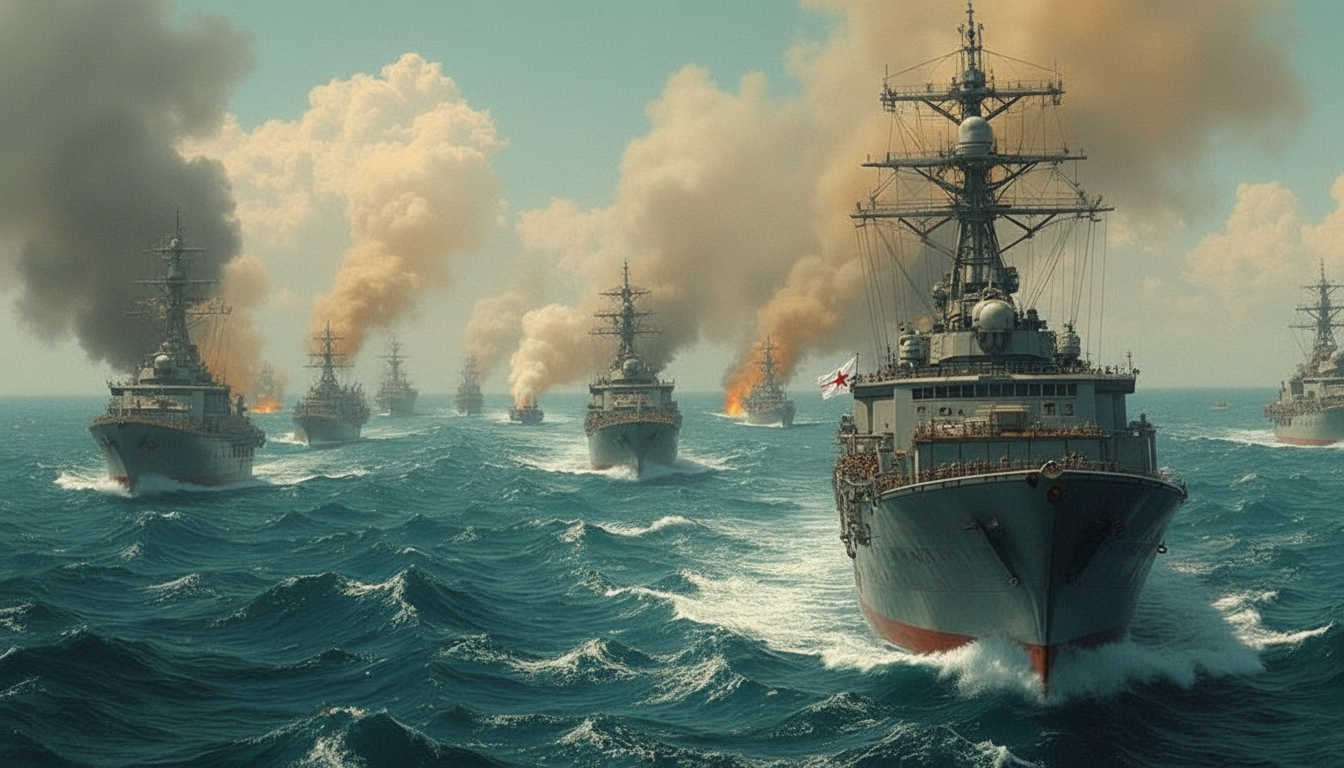
In a critical response to the escalating Gulf region tensions, India has initiated the evacuation of ships in Hormuz, launching a high-priority operation to safely navigate 13 Indian-flagged vessels out of the volatile Strait of Hormuz. With the ongoing Hormuz Strait crisis heightening maritime risks, the Indian government is fully committed to the safety of its seafarers, ensuring their well-being amidst rising uncertainties. The successful transit of the crude oil tanker, Nissos Keros, illustrates India’s proactive maritime operations that are crucial for safeguarding not only its vessels but also the livelihoods of Indian seafarers who continue to operate in these challenging waters. As authorities coordinate efforts to assist Indian nationals in the region, the evacuation of ships in Hormuz serves as a testament to India’s unwavering dedication to maritime safety and crisis management. Through these actions, India aims to reinforce secure trade routes while empathetically addressing the immediate concerns of its maritime community.
As conflicts simmer in the Middle Eastern waters, India has embarked on a significant mission to facilitate the safe passage of its merchant vessels from the precarious Strait of Hormuz. This strategic maneuver underscores the government’s focus on ensuring the welfare of Indian sailors, providing critical support as tensions rise in the Gulf region. The operation reveals not only India’s commitment to protecting its maritime interests but also highlights the essential nature of Indian maritime operations in safeguarding trade routes and economic stability. Furthermore, the evacuation initiative is designed to reassure families and communities back home that their seafarers are being prioritized in these tumultuous times. In light of the prevailing crisis, India’s efforts serve to solidify its reputation as a responsible maritime power dedicated to resolving challenges through humanitarian and strategic approaches.
Immediate Evacuation of Ships in Hormuz: A Strategic Move by India
In light of the escalating tensions in the Gulf region, India has swiftly launched an operation to evacuate 13 Indian-flagged vessels from the volatile waters of the Strait of Hormuz. This strategic move highlights India’s commitment to safeguard its maritime interests and protect its seafarers, ensuring that no incident threatens their safety amid the ongoing Hormuz Strait crisis. The successful transit of vessels, such as the Nissos Keros, indicates the effectiveness of India’s maritime operations in navigating through high-risk areas while maintaining the integrity of its shipping logistics.
The evacuation of ships not only prioritizes the safety of Indian seafarers but also emphasizes the role of international maritime law in securing safe passage through critical shipping routes. With rising threats in the region, Indian authorities are coordinating closely with maritime agencies to facilitate this evacuation. The proactive measures taken underscore India’s resolve to uphold its maritime operations while ensuring that Indian nationals remain out of harm’s way during these tumultuous times.
The Role of Indian Authorities in Ensuring Seafarer Safety
The welfare of Indian seafarers is paramount, especially during crises such as the ongoing tensions in the Gulf region. Authorities have stated that their top priority is to ensure the safety and well-being of Indian nationals working on ships in affected regions. Embassies and consulates are actively working alongside local agencies to offer support, which includes everything from crisis communication to repatriation plans for seafarers wishing to return home. This concerted effort not only reassures the families of seafarers but also maintains trust in India’s maritime operational capabilities.
Moreover, the Indian government is equipped with a robust plan to assist its citizens abroad, particularly in crisis navigation like the Hormuz Strait crisis. By providing thorough consular services and extending support through various channels, Indian authorities demonstrate their commitment to protecting its citizens at sea. This reassures Indian seafarers that their safety and security are prioritized, reinforcing India’s reputation as a nation that honors its responsibilities towards maritime personnel.
Maritime Operations and Their Impact on Indian Commercial Vessels
As tensions increase in the Gulf region, India’s maritime operations have been significantly affected. The evacuation initiative has become essential not only for securing the safe passage of vessels but also for safeguarding the economic interests of India in international trade. With the Strait of Hormuz being a critical corridor for oil tanker routes, the movement of Indian commercial vessels is vital for maintaining a steady flow of resources into the country. The involvement of Indian flagged vessels in these operations signifies their critical role in sustaining India’s trade dynamics, especially during crises.
The Indian government’s active participation in shipping operations amidst the Gulf region tensions illustrates a strategic approach to ensuring commercial vessels can continue their vital services. Efforts toward coordination with international entities and external maritime agencies further enhance the safety of operations being conducted in these challenging waters. With a focus on securing Indian vessels, the government aims to mitigate any potential disruption to maritime trade, ensuring that Indian interests remain unscathed during volatile periods.
Air Travel and Its Role in Supporting Evacuations
Alongside maritime actions, air travel plays a pivotal role in supporting evacuation efforts for Indian nationals caught in the Gulf crisis. The reopening of airspaces within Iraq, Kuwait, and Bahrain has allowed for strategic flight operations to transport Indian citizens back home. Air India, alongside other airlines, has continued to operate flights, providing essential links for those needing to return from regions affected by the conflict. This dynamic air travel network not only complements maritime evacuations but also showcases India’s comprehensive crisis management approach.
The availability of air travel operates as a lifeline for many Indians, keeping them connected with their homeland while ensuring their safety. As evacuations from maritime routes continue, the options for air travel allow for a flexible response to the evolving situation, merging secure transport modalities. Indian authorities remain vigilant and proactive, working to assess and facilitate air travel for their citizens, thus reinforcing a dual strategy of safety through both maritime and aerial means.
International Relations and Maritime Security during Tensions
The ongoing crisis in the Gulf region highlights the importance of international relations in the context of maritime security. Countries operating in the Strait of Hormuz must navigate complex geopolitical dynamics while ensuring the security of shipping lanes. India’s diplomatic efforts to strengthen ties with regional partners serve as a foundation for collaborative maritime operations that prioritize the safety of commercial vessels traversing these critical waters. Maintaining dialogues with neighboring states is crucial for ensuring that all vessels, regardless of nationality, can operate without the fear of conflict.
Furthermore, maritime security in areas like the Hormuz Strait is enhanced through collective international cooperation, helping to mitigate risks associated with shipping routes in times of crisis. India’s approach to securing maritime corridors emphasizes the roles of partnerships and mutual agreements in promoting safety at sea. By actively participating in international discussions and contributing to security frameworks, India bolsters its maritime operational strategy while aligning with global solidarity for free navigation.
Lessons Learned from Past Maritime Evacuations
Examining past maritime evacuations provides valuable insights into how countries can enhance their operational responses to crises like the one unfolding in the Gulf region. Historical instances of evacuation underscore the need for real-time assessment of risk levels and swift deployment of resources to ensure safe exits for vessels and personnel facing emergent threats. India’s comprehensive evacuation plan currently being implemented reflects these learnings, showcasing an evolved strategy that prioritizes efficiency and security simultaneously.
Moreover, lessons from previous evacuations emphasize the significance of thorough planning and preparedness. Establishing communication networks among seafarers, government bodies, and maritime agencies can streamline evacuation efforts, helping to protect lives during uncertain times. Through adaptive strategies and improved operations, India aims to enhance not only the safety of Indian seafarers but also the effectiveness of its maritime activities in response to global challenges.
Protecting Indian Seafarers: A Top Priority
The safety of Indian seafarers remains a monumental concern for the government, particularly in light of heightened risks in maritime zones such as the Strait of Hormuz. The Centre’s initiatives to ensure the protection of its nationals working onboard commercial vessels underline the gravity of this commitment. The recent operations to provide assistance and facilitate evacuations amplify the focus on prior arrangements aimed at the well-being of seafarers, showcasing India’s holistic approach to safeguarding its maritime workforce.
Additionally, ensuring that Indian seafarers feel secure in their professional environments is paramount. With previous incidents in mind, authorities are setting up emergency protocols and educational programs to better equip seafarers for challenges they might face. By fostering a culture of awareness and preparedness, while concurrently managing operations in high-stakes regions, India is reinforcing the message that the safety and security of its seafaring community cannot be compromised at any cost.
Future Navigation Strategies amidst Global Uncertainty
In light of the current Gulf region crisis, it is essential for maritime nations, including India, to develop forward-thinking navigation strategies. The volatility in the Hormuz Strait necessitates robust response frameworks that can adapt to emerging challenges. Planning for future contingencies will involve not only evacuation protocols but also strategic collaborations with other countries to enhance maritime safety in contested waters. Emphasizing innovation and technology in these strategies can better safeguard vessels against threats while maintaining crucial global trade operations.
Moreover, as international maritime dynamics evolve, India must focus on strengthening its naval capabilities and mutual defense pacts. These enhancements will foster a safer maritime environment, creating conditions where shipping routes remain accessible and secure for all. India’s commitment to revisiting and revising its navigation strategies plays a crucial role in sustaining its maritime influence, ensuring that challenges do not hinder its maritime aspirations amidst ongoing global uncertainties.
Conclusion: The Importance of Maritime Vigilance
In conclusion, the evacuation of ships in the Hormuz Strait exemplifies the critical need for maritime vigilance in the face of escalation and conflict. With tensions in the Gulf region influencing international trade and the safety of seafarers, India’s strategic operations emphasize the importance of being prepared. By effectively coordinating maritime activities and ensuring the safety of its nationals, India not only safeguards its interests but also adheres to its moral responsibility towards its citizens.
As the geopolitical landscape continues to shift, maintaining vigilance and readiness in maritime operations will remain an enduring priority for India. The lessons gleaned from current and past crises will shape the country’s approach to future challenges. Ultimately, India’s proactive stance reflects a commitment to ensuring the safety and stability of its maritime operations, affirming its position as a responsible player in the global maritime arena.
Frequently Asked Questions
What is the current situation regarding the evacuation of ships in Hormuz amid Gulf region tensions?
The evacuation of ships in Hormuz has become a priority operation for India as tensions continue to escalate in the Gulf region. The Indian government is focusing on guiding 13 Indian-flagged commercial vessels safely through the Strait of Hormuz, ensuring the safety of Indian seafarers and maritime operations amid ongoing instability.
| Key Points | Details |
|---|---|
| High-Priority Operation for Ship Evacuation | India is evacuating 13 Indian-flagged commercial vessels from the Strait of Hormuz due to escalating tensions in the region. |
| Incident-Free Evacuation | No incidents affecting Indian seafarers have been reported, ensuring their safety during these operations. |
| Safe Transit of Crude Oil Tanker | The Marshall Islands-flagged tanker, Nissos Keros, safely traversed the Strait carrying 270,000 metric tons of crude oil, expected to reach Visakhapatnam. |
| Continued Port Operations | Port operations across India remain normal without congestion, ensuring ongoing commercial activities. |
| Air Travel for Indian Nationals | Air India and several airlines are facilitating the return of Indian nationals via open airspaces in Qatar, Kuwait, Bahrain, and Iraq. |
| Assistance for Indian Seafarers | Indian authorities are offering consular support and coordination for safe returns of Indian nationals stuck in the region. |
Summary
The evacuation of ships in Hormuz has become a critical focus for India as geopolitical tensions rise in the Gulf region. In response to these escalating threats, the Indian government has prioritized the safe withdrawal of its commercial vessels from this strategic waterway. With careful planning and execution, they have managed to maintain a standard of safety for their seafarers and navigate through the volatile environment. The swift actions taken not only reflect India’s commitment to maritime security but also demonstrate their proactive approach in ensuring the welfare of their nationals abroad. Continued monitoring and support for Indian citizens in the region will be pivotal in maintaining safety during this crisis.