

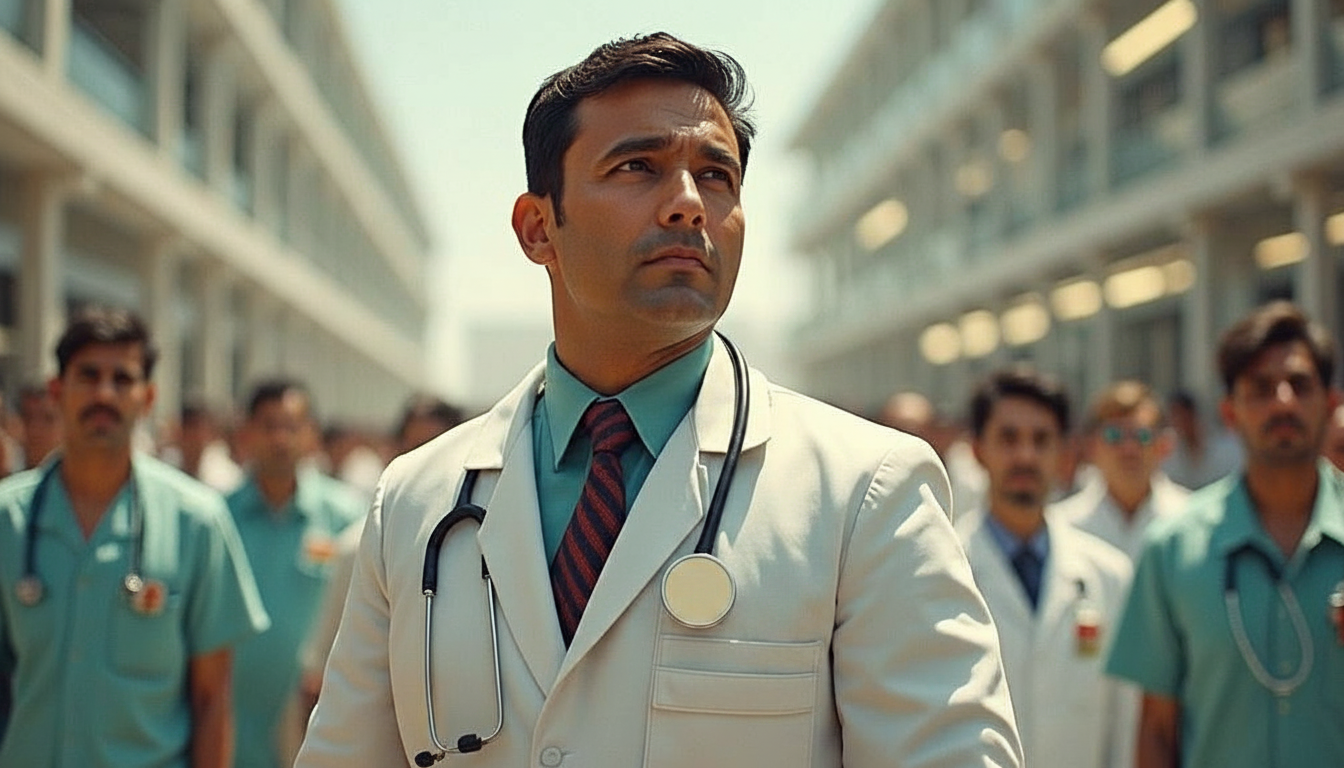
The All India Medical Service (AIMS) represents a groundbreaking initiative aimed at establishing a national cadre of doctors in India, akin to the Indian Administrative Service (IAS) and the Indian Police Service (IPS). With the increasing focus on enhancing the quality of medical service in India, this proposal seeks to streamline doctors’ recruitment India-wide and ensure that skilled medical professionals are uniformly accessible across the nation. The vision of the All India Medical Service is to fortify the healthcare infrastructure by deploying well-trained medical practitioners to every corner of the country, thus addressing disparities in healthcare availability. Currently under the review of the Union health ministry, this plan has been in the pipeline for over seven years, awaiting consultations with various states and Union Territories. As India strives to improve its healthcare outcomes, the implementation of such a service could significantly transform the landscape for medical professionals all over India, fostering a more efficient and cohesive health system.
The proposed All India Medical Service, often referred to as a unified medical cadre for the country, aims to revolutionize healthcare administration in India. By establishing a standardized framework for the recruitment and deployment of physicians, this initiative not only mirrors the structure of prestigious services like the IAS and IPS but also addresses the challenges faced in delivering medical care. The initiative’s focus is on fostering collaboration among states and the Union government to ensure that healthcare resources are equitably distributed across regions. As the Union health ministry considers feedback from various stakeholders, the importance of a well-organized medical workforce becomes increasingly clear. The potential outcomes of such a reform could lead to a more integrated medical system, enhancing the overall standard of health services nationwide.
Overview of the All India Medical Service Initiative
The initiative for an All India Medical Service (AIMS) has been in discussion for over seven years, yet it remains a work in progress. This proposed service aims to create a national cadre of doctors that would function similarly to the Indian Administrative Service (IAS) and Indian Police Service (IPS). The objective of this initiative is to streamline medical services across the country and ensure that qualified medical professionals are readily available in both urban and rural settings. Such a centralized system could significantly improve the efficiency of the healthcare system in India by fostering better coordination among medical professionals.
The project has the potential to enhance the landscape of medical service in India by providing a standardized approach to recruitment and deployment of doctors. The Union health ministry is currently awaiting detailed responses from various states and Union Territories to finalize the structure and framework of the AIMS. This initiative could pave the way for more comprehensive healthcare policies, ultimately impacting the availability of medical professionals all over India, especially in underserved regions.
Role of the Union Health Ministry in Establishing AIMS
The Union health ministry plays a pivotal role in the establishment of the All India Medical Service. As the primary governing body, it is responsible for consulting with state governments to gather feedback and suggestions on the proposed framework and operational guidelines of AIMS. The ministry aims to assess the needs and challenges faced by different regions, ensuring that the final model addresses the diverse healthcare demands across the country.
Furthermore, the Union health ministry is tasked with creating a robust recruitment strategy that aligns with the initiative’s objectives. By proposing a structured recruitment plan, the ministry can ensure that there is a steady supply of qualified doctors to serve in various capacities. This approach not only targets the immediate healthcare needs but also considers future challenges in the medical field, thus fostering a well-prepared and responsive medical service in India.
Additionally, the health ministry’s engagement with state authorities underscores the importance of a collaborative approach in implementing such a comprehensive healthcare initiative. By working together, they can address potential obstacles while also promoting better integration of medical services across the nation.
Implications for Doctors Recruitment in India
The establishment of the All India Medical Service would significantly alter the landscape of doctors’ recruitment in India. Currently, recruitment processes vary from state to state, often leading to inconsistencies in standards and regulations. With a national cadre, recruitment could be standardized, ensuring that all medical professionals meet uniform qualifications. This could enhance the overall quality of medical practice across different regions, ultimately benefiting patients nationwide.
Moreover, a centralized recruitment system can help alleviate the geographic disparities in doctor placements, ensuring that areas with acute shortages receive appropriate medical personnel. By using a systematic approach to assigning doctors based on regions’ needs, the All India Medical Service could address the uneven distribution of medical professionals, particularly in rural and underserved areas. This could lead to improved healthcare outcomes and a more equitable system for accessing medical services across the board.
Enhancing Medical Professional Services Across India
The proposed All India Medical Service aims to significantly enhance medical professional services across India. By creating a cohesive national framework, the initiative not only seeks to unify the strengths of medical professionals but also establishes a clear pathway for career progression within the healthcare sector. This can lead to greater job satisfaction and retention among medical workers, as they see an established support system and opportunities for advancement.
In addition, the integration that comes with AIMS could foster enhanced collaboration among medical professionals. With a structured national cadre, knowledge sharing, mentorship programs, and coordinated healthcare missions could see substantial improvement. The synergy created will likely enhance patient care and health outcomes nationwide, making it beneficial for both professionals and patients alike. By building a robust support network, the All India Medical Service can ensure that health workers are motivated and equipped to meet the healthcare challenges facing the nation.
Responses from States and Union Territories
As the Union health ministry awaits responses from various states and Union Territories, the importance of local input cannot be overstated. Each state has unique healthcare challenges and requirements, and their insights will be vital in shaping an effective All India Medical Service. Effective consultation will allow the ministry to tailor the service to fit the diverse needs of the population, ultimately ensuring that the initiative’s execution leads to practical benefits on the ground.
States’ responses will also reflect their readiness to adapt to a unified medical service system. It is crucial that local governments understand the implications of this national cadre of doctors and how it will influence healthcare delivery in their regions. By participating actively in the discussion, states can ensure that their specific needs and strengths are incorporated into the final framework, creating an AIMS that is not only nationally effective but regionally applicable.
Future Prospects of All India Medical Service
Looking ahead, the All India Medical Service represents a significant opportunity for reform within the Indian healthcare system. Once implemented, AIMS could establish a model of excellence within the medical community, encouraging enhanced standards of care and fostering a culture of continuous professional development among doctors. It has the potential to inspire confidence in the healthcare system among citizens, as they can expect a more standardized and responsive service.
Additionally, the successful implementation of AIMS may serve as a proof of concept for other sectors of public service in India. It could prompt discussions on creating similar centralized services in education, public safety, and other sectors, leading to a more integrated and effective public service framework across the nation. This initiative not only aims to improve healthcare outcomes but can also set a precedent for effective management and optimization of public resources in India.
Integration of Technology in AIMS
Integrating technology into the All India Medical Service presents an exciting frontier that could enhance service delivery and operational efficiency. The use of digital platforms for training, recruitment, and information sharing could significantly streamline processes, allowing for quicker deployments of medical professionals where they are needed most. With the advent of telemedicine and health apps, AIMS could also integrate modern technological tools to provide healthcare services, particularly in remote areas.
Moreover, employing data analytics and health informatics within AIMS can lead to better resource planning and management. By closely monitoring healthcare delivery metrics, the service can adjust its strategies in real time to address immediate needs and predict future healthcare demands. Such innovations would not only empower medical professionals but also yield improved outcomes for patients throughout India, making the healthcare system more proactive and responsive.
Public Awareness and Education on AIMS
As the All India Medical Service continues to develop, raising public awareness and education about the initiative will be crucial. A well-informed citizenry is essential for the successful implementation and acceptance of any healthcare reform. Through outreach programs, public seminars, and informative campaigns, stakeholders can ensure that the public understands the potential benefits of AIMS, including improved access to healthcare and enhanced quality of medical service.
Furthermore, increasing awareness can also foster a sense of ownership among communities over their healthcare systems. Engaging citizens in discussions about how AIMS will impact their local healthcare services can lead to stronger advocacy for policies that promote health equity and accessibility. This grassroots involvement will be essential in creating a sustainable and effective All India Medical Service that meets the needs of all, thus ensuring better outcomes in the long run.
Challenges Ahead for AIMS Implementation
Despite the promising prospects of the All India Medical Service, various challenges lie ahead that need to be addressed. Resistance to change among existing medical bureaucracies and potential differences in state regulations regarding healthcare can complicate implementation efforts. It’s essential for the Union health ministry to foresee these obstacles and engage in proactive dialogue with stakeholders to smooth the path for a unified national medical service.
Moreover, logistical challenges relating to the training, deployment, and management of a centralized cadre of doctors will require meticulous planning. By adopting a phased approach and ensuring flexibility in the implementation process, the AIMS initiative can navigate these hurdles effectively. Emphasizing collaboration between state healthcare authorities and local communities will be crucial in overcoming these challenges and ensuring the successful establishment of a national cadre of doctors that serves the entirety of India efficiently.
Frequently Asked Questions
What is the All India Medical Service and how does it differ from existing medical services in India?
The All India Medical Service is a proposed national cadre of doctors aimed at standardizing medical service in India, similar to the Indian Administrative Service (IAS) and Indian Police Service (IPS). Unlike existing medical services, this centralized model would facilitate better coordination and deployment of medical professionals across the country, ensuring uniform healthcare delivery. As of now, the Union health ministry is still consulting with states and Union Territories to finalize this initiative.
| Key Point | Details |
|---|---|
| Creation of All India Medical Service | Proposed national cadre of doctors akin to IAS and IPS. |
| Duration of Proposal | The idea has been in discussion for over seven years. |
| Current Status | The plan is still under consideration as responses are awaited from states and Union Territories. |
Summary
The All India Medical Service aims to establish a national framework for the training and deployment of medical professionals across the country. This initiative, which has been under discussion for over seven years, seeks to standardize medical service delivery similar to the prestigious IAS (Indian Administrative Service) and IPS (Indian Police Service). Currently, the Union health ministry is in the process of seeking feedback from various states and Union Territories. This collaborative approach is crucial for ensuring that the service meets the diverse healthcare needs of India’s vast population. As the discussions progress, the establishment of the All India Medical Service holds the potential to significantly elevate the standards of healthcare services in India, ensuring uniformity and quality across the healthcare landscape.



























