The Assam Meghalaya farming dispute has long been a contentious issue, hindering agricultural activities in the border areas separating these two states. Located in the Tapat-Lapangap sector, farmers from both sides have experienced direct repercussions due to unclear inter-state borders. Recently, the resumption of farming activities signaled a breakthrough in this ongoing conflict, fueled by collaboration between the Karbi community agriculture of Assam and the Khasi-Pnar community from Meghalaya. This development highlights the critical need for effective mechanisms in resolving border disputes that have persisted since Meghalaya’s formation in 1972. As local communities come together to cultivate their shared agricultural land, hopes of fostering deeper cooperation between Assam and Meghalaya remain strong.
The ongoing border conflict between Assam and Meghalaya over agricultural land usage has drawn significant attention, particularly in the Tapat-Lapangap region. This unresolved struggle for farming rights not only affects the livelihoods of local farmers but also highlights the complex relationship between the two neighboring states. Recent initiatives aimed at reconciling the interests of the Karbi and Khasi-Pnar communities suggest a path forward, focusing on collaborative farming efforts. Addressing these border challenges is crucial for the sustainable development of rural economies in both Assam and Meghalaya. Through dialogue and cooperation, the two states can aspire to resolve their disputes and cultivate a better understanding among their people.
Resumption of Farming in the Assam Meghalaya Border Area
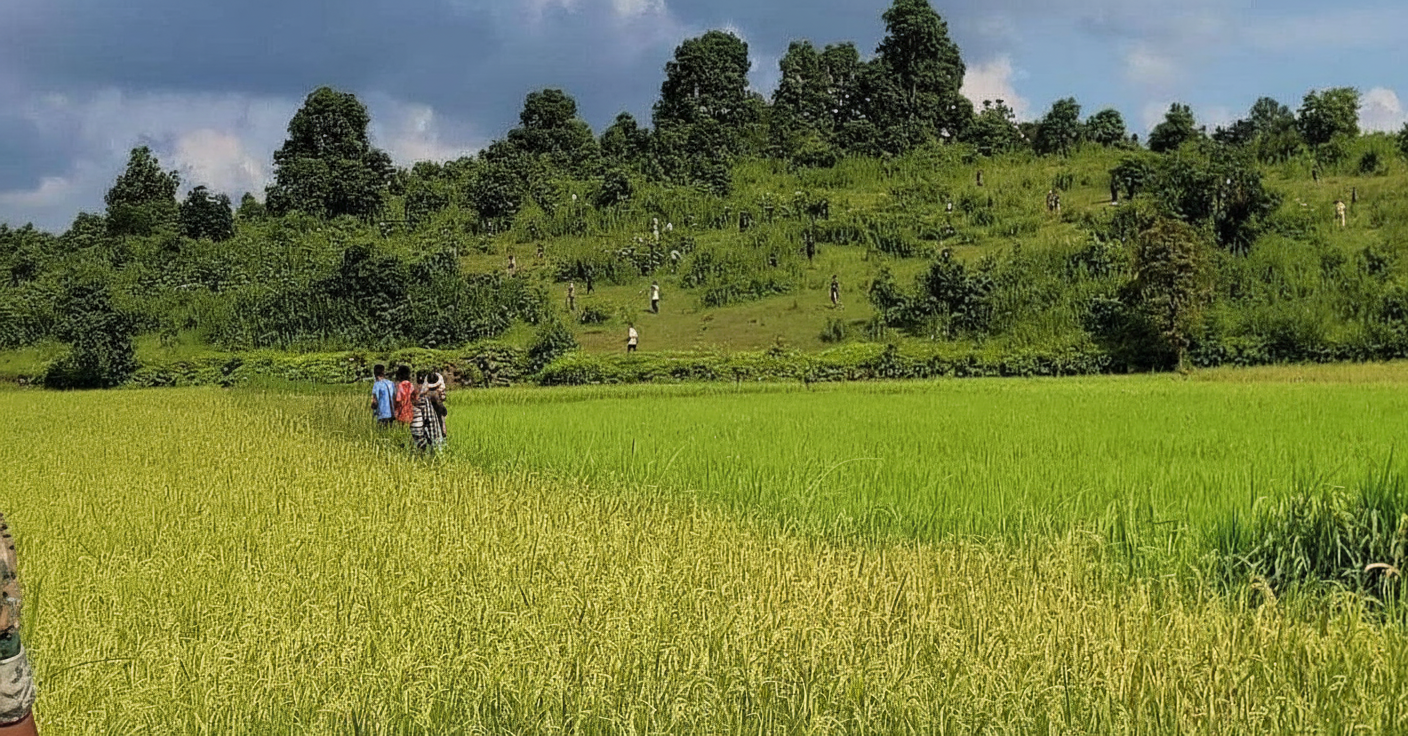
On June 3, 2026, villagers from Assam and Meghalaya resumed their farming activities in the disputed border area of Tapat-Lapangap, marking a significant step towards peace and cooperation between the two states. The decision came after a collaborative meeting between local representatives and state officials aimed at resolving ongoing tensions that have affected the agricultural productivity of the region. This resumption is not merely a return to agriculture; it signifies the community’s resilience and their dependence on farming for their livelihoods. Farmers were notably relieved as they could finally cultivate their lands without the fear of conflict, having faced disruptions during the spring season.
The Tapat-Lapangap sector, rich in agricultural potential, has witnessed a troubled history in the context of the Assam-Meghalaya border disputes. The agreement reached during negotiations involved the Karbi community farmers from Assam tending to their crops on fields claimed by Meghalaya while the Khasi-Pnar community would reciprocate in the opposite fields. This innovative solution reflects a promising direction towards harmonious farming practices amidst disputes, showcasing how collaboration can pave the way for increased productivity and shared prosperity. Local sentiments expressed by farmers highlighted a collective hope that this cooperation would lead to more sustainable agricultural practices and foster community bonds.
Farming in Tapat-Lapangap: A Cooperative Approach
The farming practices in Tapat-Lapangap demonstrate a unique cooperative approach that has emerged between the Karbi community of Assam and the Khasi-Pnar farmers of Meghalaya. This settlement allows both communities to utilize the disputed lands for a specified agricultural season, thus ensuring that both sides benefit from the fertile soil without escalating conflicts. Such a groundbreaking arrangement not only helps in maintaining agricultural activities but also supports community relations in a historically contentious area. By leveraging each other’s capabilities, these farmers are setting the stage for future collaborations that can transcend the boundaries set by the political landscape.
The Tapat-Lapangap region, with its diverse agricultural crops and rich soil, holds immense potential for boosting local economies. The cooperative farming initiative serves as a model for conflict resolution, emphasizing the importance of mutual respect and collaboration among neighboring communities. Under this plan, both communities can share resources and learn from one another’s agricultural techniques, potentially leading to enhanced productivity and sustainability in long-term farming practices. Such a teamwork approach not only addresses the immediate conflict but also lays the groundwork for ongoing dialogue and cooperation, ultimately benefitting the farmers of both states.
The Role of the Karbi Community in Agriculture
The Karbi community plays a vital role in the agricultural landscape of the Assam-Meghalaya border, particularly in the Tapat-Lapangap area. With rich traditions rooted in farming, the Karbi people are known for their resilience and adaptability in agricultural practices, often cultivating a variety of crops suited to the region’s climate. Their participation in the recent agreements to farm the disputed areas reinforces their commitment to agricultural development while navigating the challenges posed by the border disputes. Furthermore, the ingenuity shown in adapting to shifting political circumstances reflects the community’s deep connection to the land and their dependency on agriculture for sustenance.
As the Karbi farmers resume work on their fields, there is a renewed focus on sustainable agricultural practices that can yield better results while respecting ecological balances. The collaborative measures in farming not only provide immediate relief for these communities but also serve to inspire a new approach to agriculture that encourages coexistence. Enhanced agricultural productivity through shared techniques could eventually lead to more robust economic outcomes, reducing dependency on external support and fostering self-reliance among the Karbi community.
Khasi-Pnar Cooperation: Bridging Agricultural Practices
The Khasi-Pnar community’s cooperation with the Karbi farmers is pivotal in fostering peace and stability in the contested Tapat-Lapangap region. A significant aspect of this collaboration is the shared understanding of the agricultural needs and practices unique to both communities. By engaging in cooperative farming, the Khasi-Pnar farmers are not only contributing to their own economic needs but also extending their support to their neighboring Karbi counterparts, showcasing an admirable spirit of solidarity amidst historical disputes. Such cooperation strengthens community ties and paves the way for lasting peace between the two groups.
The Khasi-Pnar community is well-regarded for its traditional agricultural knowledge, and their engagement in the upcoming farming season will likely introduce new efficiencies in cultivation and crop management into the Tapat-Lapangap sector. Through joint efforts, both communities can exchange techniques and experiences that bolster food security and enhance biodiversity in their agricultural practices. This spirit of cooperation is seen as a crucial step in mitigating the impacts of politics on local livelihoods and promoting a harmonious relationship grounded in mutual respect and agricultural collaboration.
Resolving Border Disputes: Lessons from Tapat-Lapangap
The Tapat-Lapangap farming agreement represents a significant move towards resolving long-standing border disputes between Assam and Meghalaya. By facilitating joint agricultural activities, both states have demonstrated the potential for pragmatic solutions that prioritize community welfare over territorial conflicts. Rather than letting disputes hinder development, this initiative serves as a model that other contested areas could emulate, highlighting the importance of diplomacy and cooperation in achieving peace. The alignment of interests between the Karbi and Khasi-Pnar communities illustrates how local needs can supersede political boundaries, fostering a collaborative spirit that benefits all.
Additionally, successful conflict resolution in the Tapat-Lapangap area underscores the importance of grassroots participation in discussions about land use and border management. Local leaders and farmers have taken active roles in negotiating terms that not only serve immediate agricultural needs but also establish frameworks for long-term collaborative governance. This participatory approach may hold the key to resolving similar disputes across the Indian subcontinent, where agricultural communities often find themselves caught in the crossfires of governmental disagreements. By prioritizing dialogue and shared agricultural goals, communities can rebuild trust and secure a more sustainable future.
Impact of Dispute on Local Farming Communities
The farming communities in the disputed Tapat-Lapangap area have felt the direct impact of border conflicts over the years, leading to financial losses and a fracturing of community ties. The inability to cultivate lands during the conflict period has severely affected the livelihoods of farmers, particularly in a region where agriculture is a primary source of income. Tensions not only disrupt farming activities but also create a cycle of distrust and animosity that can take years to mend. The recent resumption of farming is, therefore, a crucial step towards rebuilding these vital socio-economic relations.
Moreover, the instability created by these disputes necessitates a reevaluation of agricultural advisories and support systems for the affected communities. Policymakers must recognize that agriculture is not merely an economic activity; it is intertwined with cultural identity and community cohesion. As farming resumes in Tapat-Lapangap, it is imperative that both state governments invest in programs that promote sustainable practices and facilitate dialogues among farmers to foster cooperation. Strengthening agricultural support systems can help mitigate the adverse effects of future conflicts and build more resilient farming communities.
Future Prospects for Farming in Assam and Meghalaya
The future of farming in the Assam-Meghalaya border area looks promising with the recent steps taken to resolve disputes peacefully. The collaborative farming approach not only serves immediate agricultural needs but sets a precedent for continuous cooperation in managing shared resources. By embracing dialogue and partnership, both Assam and Meghalaya can evolve strategies that prioritize the interests of their farming communities while addressing long-standing grievances. This could also foster an environment where disputes are resolved through cooperative means rather than violence.
Additionally, the success of the Tapat-Lapangap farming agreement could encourage further initiatives to address other areas of agricultural conflict along the 855-km border. A focus on developing bilateral agricultural policies and programs that promote joint cropping ventures can lead to more secure food systems while improving economic conditions for both states. As communities see tangible results from cooperation, it may inspire a cultural shift that encourages peaceful methods of conflict resolution in the future, paving the way for more collaborative agricultural opportunities across the region.
Community Resilience in Face of Disputes
The resilience shown by the communities in the Tapat-Lapangap sector amid ongoing border disputes is laudable. Despite the past tensions, both the Karbi and Khasi-Pnar communities have demonstrated a commitment to their lands and livelihoods. The recent agreements to cultivate disputed fields reaffirm their dedication to farming and community sustenance, showcasing their willingness to pursue peace over conflict. This spirit of resilience is crucial for both social cohesion and economic recovery in the region.
In facing the challenges posed by border disputes, the local populations are learning to adapt and advocate for their rights effectively. Engaging local leaders in negotiations has proven beneficial, as they understand the cultural and agricultural nuances essential for sustainable development in the region. This resilience bolsters hopes of a brighter future where agriculture can thrive in a harmonious setting. As tensions dissipate and agricultural activities grow, the cooperative framework could become a model for other regions facing similar disputes.
Long-term Strategies for Agricultural Development
For sustainable agricultural development in the Assam-Meghalaya border region, long-term strategies are necessary. This includes the establishment of cooperative frameworks that extend beyond temporary agreements, focusing on shared agricultural goals and practices that maximize the potential of the land while addressing disputes. Integrating environmental stewardship into farming practices can ensure that resources are managed wisely, supporting both current and future generations of farmers on both sides of the border.
Moreover, investing in infrastructure such as irrigation systems, transportation, and market access will be critical for the growth and viability of agriculture in Tapat-Lapangap. Providing support for modern agricultural techniques and education will empower farmers to increase their productivity and economic stability, reducing the impacts of any future conflicts on their livelihoods. By developing these long-term strategies, the Assam and Meghalaya governments can create a framework within which agricultural communities thrive, fostering peace and reducing the risk of conflict over resources.
Frequently Asked Questions
What is the current status of the Assam Meghalaya farming dispute in the Tapat-Lapangap sector?
As of June 3, 2026, villagers in the disputed Tapat-Lapangap sector have resumed farming activities after a temporary agreement was reached between Assam and Meghalaya. This arrangement will allow farmers from the Karbi community in Assam to cultivate fields claimed by Meghalaya, while Khasi-Pnar farmers from Meghalaya will work in fields claimed by Assam.
How does the Karbi community agriculture approach affect the Assam Meghalaya border disputes?
The Karbi community agriculture approach is impacted by the Assam Meghalaya border disputes as it restricts farming opportunities for local farmers. The recent cooperation allows Karbi farmers to cultivate crops in contested areas, providing a temporary solution aimed at fostering goodwill and potential long-term resolution of border conflicts.
What role does Khasi-Pnar cooperation play in resolving the Assam Meghalaya farming dispute?
Khasi-Pnar cooperation is pivotal in resolving the Assam Meghalaya farming dispute, particularly in the Tapat-Lapangap sector. By agreeing to share agricultural responsibilities in disputed fields, both communities demonstrate a commitment to peaceful coexistence, which could aid in addressing broader border issues.
What were the causes of the escalation in the Assam Meghalaya farming dispute?
The escalation in the Assam Meghalaya farming dispute was sparked by a violent clash in October 2025 during paddy harvesting, leading to tensions between communities over land usage. This highlighted the urgent need for resolution in the contested Tapat-Lapangap sector along the Assam Meghalaya border.
How does the Assam Meghalaya border impact local farming activities?
The Assam Meghalaya border significantly impacts local farming activities, as ongoing disputes hinder access to arable land for many farmers. The recent agreement allows temporary farming in contested fields, but the long-term resolution is necessary for sustainable agricultural practices in the region.
Why is the Tapat-Lapangap sector important in the Assam Meghalaya farming dispute?
The Tapat-Lapangap sector is crucial in the Assam Meghalaya farming dispute due to its historical tensions and its impact on local communities’ livelihoods. This sector remains one of the last unresolved areas following previous agreements, making it a focal point for current negotiations and conflict resolution efforts.
What measures are being taken to ensure peace in the Assam Meghalaya border disputes?
Measures to ensure peace in the Assam Meghalaya border disputes include negotiations between state representatives, temporary agricultural agreements that promote community cooperation, and ongoing discussions aimed at finding lasting solutions to the conflicts affecting sectors like Tapat-Lapangap.
| Key Points |
|---|
| Villagers in Assam and Meghalaya resumed farming in the disputed border area on June 3, 2026, ending weeks of conflict. |
| An agreement was reached by representatives of both state governments to allow for cultivation in the contested Tapat-Lapangap sector. |
| Farmers from the Karbi community in Assam will cultivate land claimed by Meghalaya, while Meghalaya’s Khasi-Pnar community will tend to fields claimed by Assam. |
| Disputes between Assam and Meghalaya have been ongoing since 1972, with 12 sectors currently contested along an 855-km border. |
| The Tapat-Lapangap sector is one of six unresolved areas following a broader agreement signed in March 2022 between the two states. |
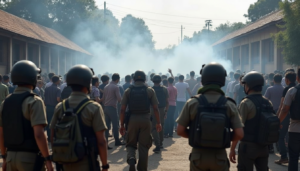
| Following violent clashes in October 2025, farming activities were temporarily halted, but a new peace effort has been initiated. |
Summary
The Assam Meghalaya farming dispute has seen a recent development with villagers resuming their agricultural activities after a brokered agreement between the two states. This temporary arrangement is seen as a significant step towards addressing the lingering border issues, fostering cooperation between the communities, and possibly leading to a longer-term resolution. As the farmers take advantage of this window of opportunity, their resilience in the face of adversity highlights the importance of dialogue and collaboration in resolving disputes.