

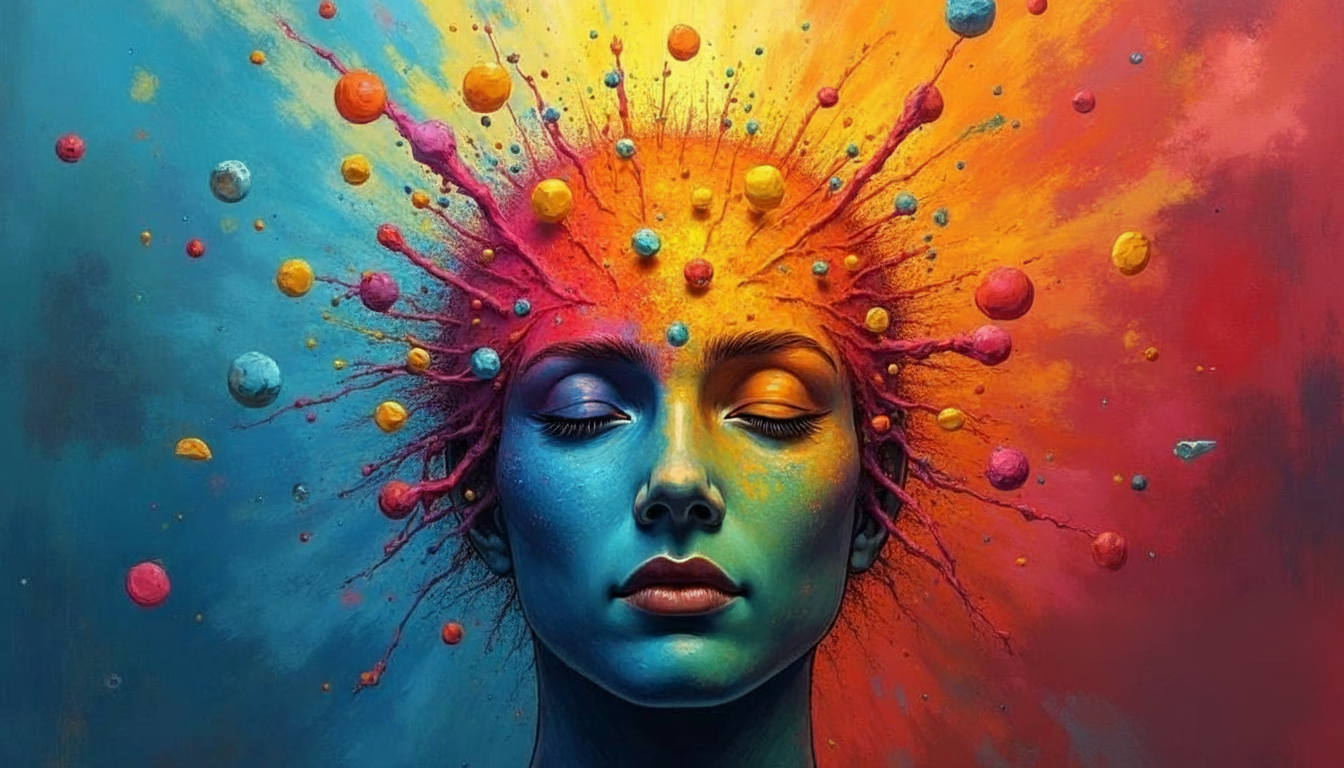
Color psychology explores how colors can influence our emotions, behavior, and even our decision-making processes. Understanding the psychological impact of colors, such as those assessed through the Lüscher Colour Test, reveals profound insights into our emotional state and personality traits. Each color has its own set of meanings and can evoke specific responses that reflect our subconscious needs. For example, vibrant hues may ignite feelings of enthusiasm and creativity, while muted tones can promote calmness and reflection. By delving into the psychology of colors, we discover how colors affect mood and can be harnessed to improve our well-being and interactions.
The study of color perception and its effects on human behavior has opened a fascinating realm of understanding regarding emotional responses. This discipline, often referred to as color theory, encompasses various concepts including the emotional state color meanings and the relationship between colors and personality. Delving into the essence of how we are drawn to certain shades can provide valuable insights into our psyche and coping mechanisms. Understanding the behavioral implications of color can empower individuals to create environments that promote desired emotional outcomes. By acknowledging the interplay of shades in our lives, we can better comprehend their influence on everyday experiences.
Color Psychology: Understanding Your Emotional State
Color psychology is a fascinating field that explores how colors influence our emotions and behaviors. The colors we are drawn to can reveal a lot about our inner thoughts and feelings, serving as a gateway to understanding our subconscious. For instance, shades like blue might evoke feelings of calmness and trust, while colors like red can stir passion and excitement. This emotional resonance with colors is intricately tied to our experiences, cultural backgrounds, and even personality traits, which makes the study of color psychology both complex and intriguing.
One prominent method used in this exploration is the Lüscher Colour Test, developed by Dr. Max Lüscher. This test posits that our color preferences reflect our emotional states and needs. For example, individuals drawn to warm colors might be seeking stimulation while those who prefer cooler shades may prioritize peace and serenity. Understanding these nuances can empower individuals to make choices that promote emotional wellness, be it through interior design, fashion, or art.
Decoding Color Preferences: The Lüscher Colour Test
The Lüscher Colour Test stands out in the realm of psychological tools as it connects color preference with emotional state in profound ways. By analyzing a person’s choice of colors, one can gain insight into their psychological condition and coping mechanisms. For example, someone who opts for green may seek balance and stability in their life, reflecting their self-worth and capability. In contrast, a preference for brown may signify a desire for safety and comfort, suggesting a person is currently striving for tranquility amid chaos.
This understanding of colors and personality can be incredibly valuable. By recognizing what certain colors can imply about our emotional state, we can learn to navigate our feelings in a healthier manner. The implications of the Lüscher Colour Test can be applied therapeutically, helping individuals articulate unspoken emotions that they might otherwise struggle to express, leading to personal growth and emotional healing.
How Colors Affect Mood and Behavior
The impact of colors on mood is more significant than many people realize. Certain colors can invigorate, calm, or even inspire feelings of happiness or sadness. For instance, studies have shown that warm colors like yellow and orange can uplift moods and spark enthusiasm, making them popular choices for spaces intended for creativity and collaboration. Conversely, cooler colors like blue and grey are often linked to relaxation and introspection, but excessive exposure to grey can lead to feelings of detachment or sadness.
This interplay between color and mood highlights the essential role of color selection in environments, whether at home or in a workspace. Designers often harness these principles to create atmospheres that promote desired emotional responses. For example, a medical office might lean towards soft green and blue hues to instill feelings of peace and safety, drawing on the psychology of colors and their proven influences on human behavior.
Emotional State Color Meanings Explained
Understanding the emotional state color meanings can offer valuable insights into human behavior and preferences. Each color evokes different psychological responses, often rooted in our collective experiences and cultural symbolism. For example, red is often associated with passion and action, drawing individuals who seek intensity in their lives. Those who gravitate towards violet may be more inclined towards fantasy and emotional depth, reflecting a journey into self-exploration and aesthetic appreciation.
By recognizing these emotional cues tied to colors, we can better navigate our relationships and environments. An individual who prefers yellow might thrive in dynamic settings that foster innovation and optimism, while someone drawn to black may be in a transition phase, seeking closure or radical change. This understanding helps in tailoring experiences and interactions that align with one’s emotional needs, fostering healthier relationships and environments.
Exploring Colors and Personality Traits
The concept of colors and personality is an intriguing area of study that intertwines with various psychological theories. Each color is thought to represent certain personality traits, influencing how individuals express themselves and interact with the world. For instance, an individual preferring blue might be perceived as trustworthy and reliable, someone who values harmony and stability. On the other hand, those who lean towards red may exude confidence and assertiveness, reflecting a driven and passionate nature.
Understanding the link between colors and personality traits aids in personal development and enhancing interpersonal dynamics. By recognizing one’s color preferences, individuals can tap into their inherent qualities, embracing strengths while confronting areas of growth. This holistic approach not only illuminates personal identity but also enhances relationships as individuals learn to appreciate and celebrate the diverse emotional landscapes that colors illuminate.
The Healing Power of Color Therapy
Color therapy, also known as chromotherapy, harnesses the psychological effects of colors as a form of healing. This therapeutic approach posits that colors can influence moods and promote emotional and physical well-being. For example, warm colors are believed to stimulate and energize, making them effective for those needing motivation or relief from lethargy. In contrast, cool colors are used to soothe and calm, often recommended for individuals dealing with anxiety or agitation.
Integrating color therapy into daily life—through art, decor, or personal style—can create a nurturing atmosphere conducive to healing. Individuals can experiment with different colors in their environment to see which shades resonate with their emotional needs. For example, incorporating green into a workspace can promote balance and rejuvenation, while splashes of yellow in living spaces can invigorate the spirit, aligning with the personal healing journey.
How to Use Colors in Personal Space Design
Designing personal spaces with consideration of color significance can drastically alter the ambiance and emotional response to the environment. Choosing colors intentionally can create a sanctuary that aligns with one’s emotional state and desired feelings. For example, using soft blues in a bedroom can promote tranquility and restfulness, encouraging better sleep and relaxation, while vibrant reds in a dining area can stimulate appetite and conversation.
In considering how colors affect mood, individuals should take into account not only their preferences but also the intended function of the space. For instance, a workspace might benefit from greens to foster concentration and stability, while a creative nook might lean towards yellows and oranges for inspiration and energy. Being mindful of these color associations can allow individuals to curate their environments in a way that enhances their emotional and psychological well-being.
Cultural Influences on Color Preferences
Cultural influences play a significant role in shaping color preferences and the emotional responses associated with them. Different cultures often attribute various meanings to colors, which can influence how individuals relate to and perceive these colors within their environments. For example, in Western cultures, white is often associated with purity and new beginnings, while in some Eastern cultures, it can symbolize mourning. These cultural distinctions highlight the complex relationship between color, emotion, and identity.
Understanding these cultural influences can provide deeper insights into interpersonal interactions and global perspectives. When decorating, working, or creating, recognizing the colors that resonate with different cultural backgrounds can lead to more inclusive and harmonious environments. A conscious awareness of these associations helps in bridging potential gaps and fostering a sense of understanding and respect across diverse groups.
Personal Development through Color Awareness
Becoming aware of how color preferences reflect inner emotions can be an empowering aspect of personal development. Individuals can gain invaluable insights into their emotional states by simply observing which colors they are naturally drawn to. For instance, someone who consistently opts for earth tones may be seeking stability and comfort, while those who favor vibrant hues might be yearning for excitement and new experiences. This self-awareness can guide individuals in making choices that align more closely with their emotional needs.
Moreover, using colors deliberately in one’s clothing or workspace can serve as an expression of emotional state and personal growth. For example, someone navigating a life transition may choose a palette that signals change, such as blacks and grays for reflection before emerging into more vibrant colors symbolizing renewal. This conscious approach allows individuals to articulate their journeys through color while promoting emotional intelligence and self-acceptance.
Frequently Asked Questions
What is color psychology and how does it relate to emotional state color meanings?
Color psychology is the study of how colors affect human behavior, emotions, and decision-making. It examines how different colors can influence our mood and perception of events. For example, warm colors like red and yellow are often associated with feelings of excitement and positivity, while cooler colors like blue and green are linked to calmness and stability. The Lüscher Colour Test further illuminates how our color preferences reveal our emotional state, highlighting the subconscious needs behind our attraction to specific colors.
| Color | Key Psychological Association | Emotional State / Desire |
|---|---|---|
| Brown | Physical wellness and security | Craving comfort and simplicity; seeking stability. |
| Yellow | Forward-thinking and curiosity | Desiring new beginnings and freedom. |
| Grey | Emotional detachment and control | Seeking neutrality and quiet; emotionally tapped out. |
| Violet | Emotional idealism and fantasy | Longing for beauty, depth, and personal connection. |
| Green | Resilience and stability | Valuing self-worth and respect; needing boundaries. |
| Black | Internal resistance and crisis | Craving a clean break and change. |
| Red | Survival instinct and passion | Desiring intensity and action; frustrated with stagnation. |
| Blue | Harmony and reliability | Needing emotional safety and consistency. |
Summary
Color psychology reveals that our preferences for certain colors often reflect our inner emotional landscape and subconscious needs. This fascinating interplay between color and emotion suggests that the colors we are drawn to can indicate not just our current moods but also our desires for comfort, adventure, stability, and connection. Each color holds unique associations and meanings, offering insight into our personalities and emotional states, thereby helping us understand ourselves better.



























