

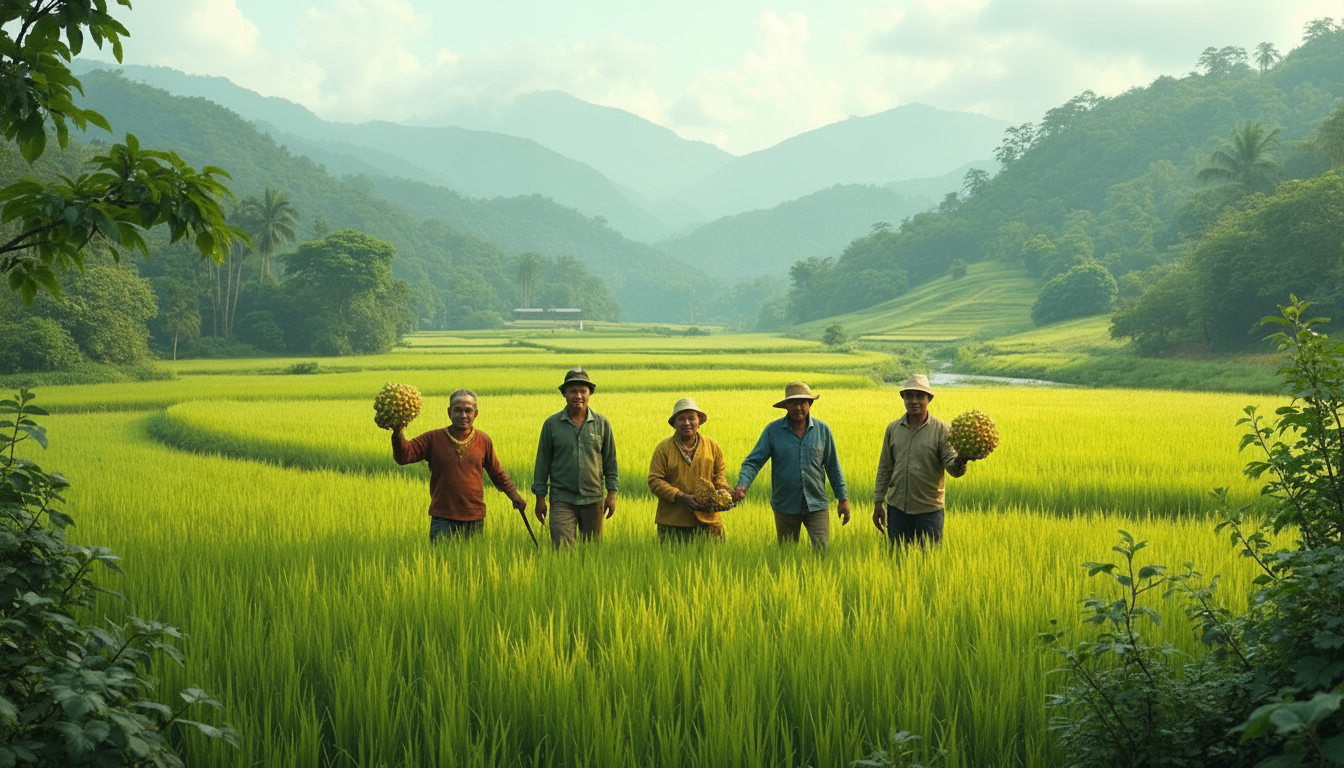
The recent Meghalaya Assam farming agreement marks a significant development in resolving the agricultural disputes in the Lapangap sector, allowing farmers from both states to resume their traditional cultivation practices. This accord aims not only to foster cooperative farming between communities but also to address pressing Meghalaya Assam border issues that have troubled local farmers for weeks. With the agreement, farming rights in Meghalaya have been reasserted, enabling Pnar farmers to grow rice while their Karbi Anglong counterparts cultivate upland crops like bananas and ginger. As this agricultural collaboration unfolds, it brings to light not only the importance of Lapangap agricultural practices but also the broader context of farming rights and community relations across the Meghalaya-Assam border. In this light, the Lapangap farming news serves as a beacon of hope for both regions, emphasizing the need for sustained dialogue amid ongoing challenges.
The recent arrangement between Meghalaya and Assam to facilitate farming activities in the contested Lapangap area represents a crucial resolution for local agriculture. This pact signifies a collaborative effort to manage longstanding border disputes while ensuring that communities can maintain essential agricultural practices. Farmers from both states are now allowed to work their lands, which is critical not only for their livelihoods but also for sustainable agricultural development in this region. As news about the efforts to harmonize farming rights in Meghalaya spreads, it becomes evident that innovative approaches to conflict resolution can benefit all stakeholders involved. Ultimately, the restoration of agricultural activities in Lapangap highlights the importance of bridging community relations across state lines to foster mutual growth and stability.
Understanding the Meghalaya Assam Farming Agreement
The recent Meghalaya Assam farming agreement represents a significant step towards resuming traditional agricultural practices in the contentious Lapangap area. Following intense discussions between the leaders of both states, farmers from Meghalaya and Assam can now cultivate their lands without fear of interruption, which is crucial for the local economy. This interim agreement arises amidst ongoing boundary disputes but aims to facilitate a cooperative approach to farming that benefits both communities involved.
The collaboration underscores the importance of agriculture to the residents of these regions, particularly for Pnar farmers who predominantly engage in rice farming. Meanwhile, farmers from Tapat in Assam are now free to grow various crops, including bananas and ginger. This agreement not only signifies agricultural continuity but also highlights a diplomatic effort to manage and alleviate the long-standing conflicts over the Meghalaya-Assam boundary.
Impact of Lapangap Agricultural Practices on Local Farmers
Farming in the Lapangap sector is characterized by unique agricultural practices that have been passed down through generations. For the Pnar community, rice production is not just a means of subsistence; it forms the bedrock of their cultural identity. The partnership created by the Meghalaya Assam farming agreement allows these traditional farming methods to continue, providing local farmers with the security they need to maintain their agricultural heritage.
In contrast, Karbi Anglong farmers focus on diverse crops that thrive in the upland areas, such as bananas and pineapples. The union of these distinct agricultural practices has the potential to foster interdependence between the communities, promoting agricultural exchange and better stability in the region. The continuation of these farming practices is vital, especially given the prevailing tensions surrounding boundary issues and farming rights in Meghalaya.
As the governments work together to address ongoing boundary disputes, it is essential for both communities to appreciate each other’s agricultural strategies and challenges. This cooperative spirit can pave the way for enhanced agricultural productivity, ensuring that the local economies remain resilient despite political uncertainties.
Challenges Faced by Farmers in Lapangap
Despite the positive developments from the Meghalaya Assam farming agreement, farmers in Lapangap continue to face significant challenges. The historical context of Meghalaya Assam border issues has created an atmosphere of fear where farmers have reportedly encountered aggression that inhibits their farming activities. Many have faced threats of violence and intimidation, prompting demands for increased security to facilitate safe harvesting and cultivation.
The plight of farmers is compounded by bureaucratic delays and political negotiations, which distract from their primary concern: their farms and livelihoods. Local organizations such as the Hynniewtrep Border Dispute Redressal Forum (HBDRF) highlight the ongoing struggles tied to access to farmland affected by these disputes. Adequate measures must be taken to protect farmers and ensure their right to farm remains unchallenged.
The Role of Community Leaders in Mediating Conflict
Community leaders have become crucial mediators in the conflict surrounding the Meghalaya Assam border issues, particularly in the Lapangap region. These leaders play an essential role in representing the voices of farmers, emphasizing the need for their concerns to be heard during negotiations. By advocating for farmers’ rights and interests, they help to create a more inclusive dialogue between Meghalaya and Assam officials.
Furthermore, the involvement of community leaders ensures that the cultural and historical significance of the land is recognized in discussions about agricultural practices. As key stakeholders, they can bridge the gap between local farmers and government authorities, promoting cooperation and understanding. This collaboration is vital for fostering trust and addressing fears of conflict in their agricultural communities.
Future of Farming in the Lapangap Sector
The future of farming in the Lapangap sector hinges on the successful implementation of the Meghalaya Assam farming agreement and the ongoing negotiations regarding boundary disputes. As both states engage in dialogue, it is critical for farmers to remain optimistic about securing their agricultural rights while anticipating the outcome of negotiations that could redefine land ownership.
In the long term, establishing a clear delineation of farming rights in Meghalaya could provide farmers with the certainty they need to invest in their land and improve agricultural practices. Continuous collaboration, with input from local communities, will ensure that the farming landscape evolves positively, allowing farmers in both Meghalaya and Assam to thrive amidst changing political dynamics.
The Importance of Agricultural Cooperation in Border Regions
Agricultural cooperation between border regions is crucial for maintaining peace and fostering economic stability. In the case of the Lapangap sector, the Meghalaya Assam farming agreement reflects a recognition of the interdependence of communities on either side of the border. By allowing farmers to engage in joint agricultural activities, the potential for conflict can be reduced, creating a harmonious environment for growth.
This spirit of cooperation extends beyond farming; it can serve as a foundation for broader collaborative initiatives aimed at addressing the socio-economic needs of both regions. Through shared agricultural projects, farmers can learn new practices, utilize resources more efficiently, and ultimately contribute to the regional economy. Such initiatives foster mutual respect and understanding, laying the groundwork for solving complex border issues.
Addressing Security Concerns for Farmers in Lapangap
Security concerns have emerged as a significant barrier to farming activities in the Lapangap region. Reports of harassment and violence against farmers underscore the urgent need for protective measures in place. The HBDRF’s calls for increased police presence during farming operations illustrate the importance of safeguarding farmers’ rights and ensuring their safety while cultivating crops.
Improving security protocols will enable farmers to work their lands without the constant anxiety of potential confrontation. It is vital for both state governments to prioritize the safety of their citizens, creating a conducive environment where agriculture can thrive uninterrupted. Ensuring that police forces accompany farmers is a proactive step, fostering trust in the government’s commitment to their well-being.
Navigating the Complexities of the Meghalaya-Assam Boundary Settlement
Navigating the complexities of the Meghalaya-Assam boundary settlement requires deft negotiation and understanding of local issues. Recent discussions have indicated that boundary disputes are deeply tied to historical claims and agricultural rights, particularly for those farming in the Lapangap sector. This complexity is compounded by the need to respect the rights of indigenous communities while finding equitable solutions.
As various stakeholders come to the table, it is essential to consider the outcomes of past demarcation processes as a reference point. Continuous dialogue with representatives from both sides will be pivotal in crafting an agreement that satisfies all parties involved and addresses the significant agricultural implications of boundary definitions.
The Socio-Economic Impact of Farming Agreements
The socio-economic impact of farming agreements, such as the recent Meghalaya Assam farming agreement, can be transformative for local communities. By ensuring that farmers from both states can access their farmlands, these agreements nurture economic stability, secure livelihoods, and enhance food security in a region that heavily relies on agriculture. With farming being a significant source of income, uninterrupted agricultural activities contribute to reducing poverty and improving living standards.
Moreover, farming agreements can create a ripple effect in associated sectors, including trade and transportation. Increased agricultural output leads to higher demand for goods and services, benefiting local economies. The cooperative spirit fostered through such agreements can also empower women and youth involved in agriculture, leading to greater community resilience and socio-economic growth.
Frequently Asked Questions
What is the Meghalaya Assam farming agreement regarding the Lapangap sector?
The Meghalaya Assam farming agreement allows farmers from both states to continue their traditional agricultural practices in the disputed Lapangap sector. This includes Pnar farmers cultivating rice and communities from Tapat in Karbi Anglong growing crops like bananas, pineapples, and ginger, while broader boundary issues are resolved.
How does the Meghalaya Assam border dispute affect farming rights in Meghalaya?
The Meghalaya Assam border dispute has impacted farming rights in Meghalaya, leading to uncertainties for farmers in disputed areas like Lapangap. However, the recent agreement allows farmers to resume agricultural activities, maintaining the status quo while further discussions on boundary demarcation are scheduled.
What crops are included in the Lapangap agricultural practices as per the agreement?
Under the Meghalaya Assam farming agreement for Lapangap, Pnar farmers are permitted to continue growing rice, while farmers from Tapat in Karbi Anglong can cultivate crops such as bananas, pineapples, and ginger, ensuring livelihood continuity for both communities.
Why is the Lapangap farming news significant for local farmers?
The Lapangap farming news is significant because it provides clarity and reassurance to local farmers in Meghalaya and Assam that they can continue their agricultural activities despite the ongoing border disputes. The agreement aims to secure their livelihoods and establish a framework for peaceful coexistence.
What measures are being taken to ensure safety for farmers in Lapangap during the ongoing border issues?
The Meghalaya government has committed to providing adequate security for farmers in Lapangap. This includes deploying Meghalaya Police personnel to accompany farmers, ensuring their safety from potential violence or intimidation, as they resume their agricultural activities in the disputed region.
How will the final boundary alignment between Meghalaya and Assam be addressed?
The final boundary alignment between Meghalaya and Assam will be examined by a state-level mechanism created to address these issues comprehensively. Until a definitive agreement on territorial claims is reached, local farmers will be allowed to continue farming under the temporary agreement.
What role did the Hynniewtrep Border Dispute Redressal Forum play in the farming agreement?
The Hynniewtrep Border Dispute Redressal Forum (HBDRF) played a crucial role by highlighting the challenges faced by Lapangap villagers in accessing their farmlands. They facilitated discussions between the Meghalaya government and Assam, leading to the agreement that permits farming activities to continue while ensuring farmer safety.
Are there any historical records that support Meghalaya’s claims over the disputed farming areas?
Yes, according to HBDRF advisor Thomas A. Passah, historical records indicate the presence of Khasi-Pnar settlements in the disputed farming areas, which are fundamental to Meghalaya’s claims over the territories involved in the border dispute with Assam.
What outcomes can farmers expect from the Meghalaya Assam farming agreement in the coming months?
Farmers can expect stability and the ability to continue their agricultural practices in the Lapangap region without interruption. Additionally, further discussions on boundary settlement are anticipated, aiming to clarify land ownership and provide a long-term resolution to the border issues.
How is the Meghalaya Assam farming agreement expected to evolve in the future?
The Meghalaya Assam farming agreement is expected to evolve as ongoing dialogues between the two states continue, focusing on addressing boundary issues and ensuring the interests of local farmers are protected while striving for a peaceful resolution to the disputes.
| Key Points | Details |
|---|---|
| Agreement Resumed | Meghalaya and Assam have reached an interim agreement allowing farming activities to resume in Lapangap. |
| Involved Parties | The agreement was shaped through discussions between Chief Ministers and various officials from both states. |
| Farming Activities | Pnar farmers can cultivate rice, while farmers in Tapat can grow bananas, pineapples, and ginger. |
| Mechanism for Boundary Issues | An appropriate state-level mechanism will examine ownership and boundary alignment. |
| Security Concerns raised | Concerns were raised about farmers’ safety during farming activities due to potential violence. |
| Future of Boundary Settlement | Discussions on boundary settlements will continue, with a focus on understanding established historical records. |
Summary
The Meghalaya Assam farming agreement is a significant development, allowing farmers in the disputed Lapangap sector to recommence their agricultural activities amid ongoing boundary negotiations. This agreement represents a collaborative effort to safeguard the interests of farmers while ensuring peace and stability in the area. By permitting both Pnar and Tapat farmers to cultivate their respective crops, the states have demonstrated a commitment to maintaining livelihoods and addressing pressing concerns surrounding land ownership. The continued dialogue and proposed security measures further reinforce the importance of cooperation between Meghalaya and Assam as they work towards a long-term resolution of their territorial disputes.



























