

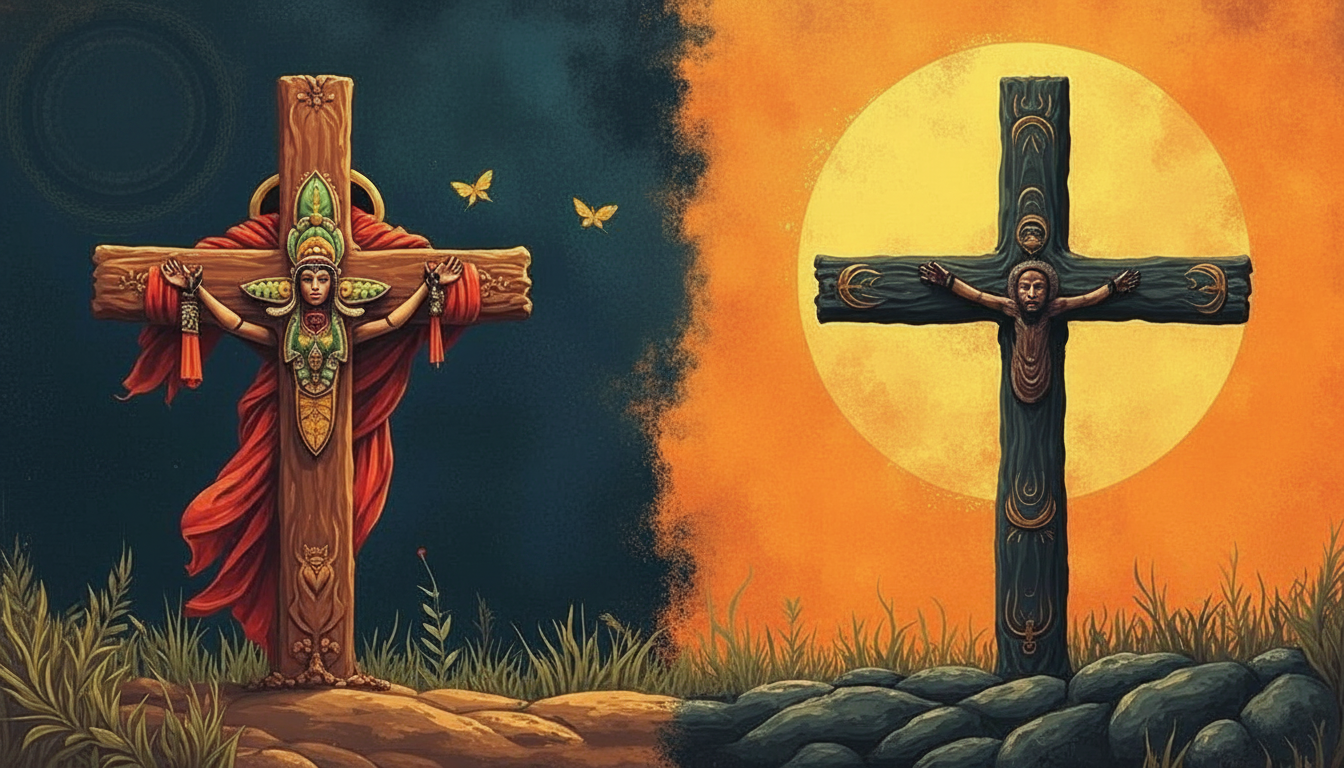
The Arunachal Pradesh Freedom of Religion Act (APFRA) has recently ignited considerable debate, as it seeks to revise the state’s approach to religious conversions. Initially established in 1978, this legislation gained renewed attention following a directive from the Gauhati High Court for the enforcement of its rules, which had long been neglected. Christians in Arunachal Pradesh, who make up a significant minority, are particularly concerned about the implications of the Act, which some critics argue targets their practices under the guise of preventing forced conversions. With ongoing discussions surrounding religious freedom in India, the APFRA controversy has raised critical questions about how tribal identity and religion intersect in a rapidly changing socio-political landscape dominated by the BJP in Arunachal Pradesh. As the debate unfolds, the potential ramifications on the cultural fabric and the rights of Christians and other minority groups remain at the forefront of public concern.
The proposed revival of the Arunachal Pradesh Freedom of Religion Act is a contentious issue as stakeholders consider the ramifications for all religious communities in the state. The Act, which is meant to prevent forced conversions, is viewed by many as a potential impediment to authentic religious expression and individual choice. As tribal identity intertwines significantly with faith practices in Arunachal Pradesh, the implications for the predominantly Christian population cannot be understated. The conversations surrounding this legislation have prompted a reevaluation of the delicate balance between upholding indigenous religions and ensuring the fundamental right to religious freedom in India. Consequently, dialogues on the APFRA reveal deeper societal dynamics at play, particularly regarding the influence of the ruling BJP and the ongoing challenges faced by minority communities.
Understanding the Arunachal Pradesh Freedom of Religion Act
The Arunachal Pradesh Freedom of Religion Act (APFRA) of 1978 was intended to prevent forced conversions in the state. However, its implementation remained inactive due to a lack of enabling rules that should have been established to enforce the law. This longstanding ambiguity has allowed the Act to exist more as a concept than a functional legal framework, raising multiple questions about its intent and potential impact on religious minorities, particularly Christians in Arunachal Pradesh.
With the recent push from the BJP-led government to revive and operationalize the APFRA, apprehension has surfaced among Christian communities. The directive from the Gauhati High Court in 2024 has sparked controversy, with supporters of the Act claiming it protects traditional tribal identities, while opponents argue it seeks to suppress Christianity by portraying it in a negative light. Understanding the stakes involved, particularly the preservation of religious freedom in India, is crucial as this legislation comes into broader public discourse.
The APFRA Controversy and Its Implications
The APFRA controversy primarily revolves around accusations that its revival is aimed at facilitating discrimination against Christians, the second-largest religious group in India. The law’s provisions could lead to unnecessary scrutiny and regulation of conversions, creating an environment where individuals may feel coerced to adhere to their original faith. Critics express concerns that such an environment adversely affects the process of voluntary faith adoption, thereby stifacing religious freedom and individual agency.
Furthermore, the potential enforcement of the Act carries significant implications for tribal identity and religion in Arunachal Pradesh. Critics argue that Christians who wish to convert to or embrace Christianity should not be subjected to governmental oversight that undermines the fundamental right to freedom of belief. The fear is that the governance of religious conversions will not only lead to a decline in the growth of Christianity among the tribal population but may also serve as a broader tool for cultural assimilation into the majority Hindu identity, thus diluting the rich tapestry of multiculturalism in the region.
Christianity and Tribal Identity in Arunachal Pradesh
The nexus between tribal identity and religion in Arunachal Pradesh is complex, with the Donyi Polo faith representing a significant aspect of cultural heritage for the Adi tribe. The revival of the APFRA comes at a time when the tribal populations fear losing their identity amid increasing conversions to Christianity. For these communities, being recognized as distinct in their beliefs is fundamental to their sense of social, cultural, and spiritual integrity.
Christianity has historically intersected with tribal life in Arunachal Pradesh, providing avenues for education and healthcare. The role of missionaries in establishing schools and services cannot be understated. However, fears voiced by tribal leaders suggest that religious conversion could jeopardize their status as indigenous peoples, hence fostering hostilities against Christian populations. This delicate balance between retaining tribal uniqueness and embracing Christianity is at the forefront of the social landscape in Arunachal Pradesh, posing risks of fragmentation within communities.
The Role of the BJP in Shaping Religious Discourse
The Bharatiya Janata Party (BJP) has been pivotal in shaping the religious narrative within Arunachal Pradesh, particularly with initiatives like the APFRA that align closely with their broader ideological objectives. The BJP’s political strategy has often sought to consolidate support among various demographics, including those who identify with indigenous faiths. This raises questions about genuine representation versus political maneuvering, especially for tribal Christians who face increasing scrutiny.
As the BJP continues to advocate for Hindu primacy in the state, its policies may inadvertently marginalize other religious groups. The framing of indigenous beliefs in opposition to Christianity under the APFRA highlights the political use of religion to galvanize tribal identity as a tool for electoral success. It is essential to approach this discourse critically, acknowledging the complexity of faith free from political exploitation.
Challenges for Christians in Arunachal Pradesh
The challenges facing Christians in Arunachal Pradesh are multifaceted, particularly with the looming possibility of the APFRA being enforced. Suspicion around faith conversions can create a culture of fear, deterring individuals from exploring or transitioning to Christianity freely. Amidst these pressures, individuals who find solace or a sense of belonging in Christianity may encounter obstacles that infringe upon their personal liberties.
These challenges also extend into the social and economic realms for tribal Christians, who may fear losing their Scheduled Tribe (ST) benefits due to potential changes brought about by religious classifications. The intersection of faith and identity raises pressing concerns over justice and equality, which truly reflect the constitutional guarantee of religious freedom in India. Addressing these challenges requires a concerted effort to ensure that the rights of minority communities remain intact and that free expression of faith is upheld.
Impact of the APFRA on Community Dynamics
The APFRA’s enactment would likely reshape community dynamics significantly within Arunachal Pradesh. By mandating that all religious conversions be reported to district authorities, the Act encroaches upon the individuals’ right to privacy, an intrinsic aspect of faith. The prospect of communal oversight on personal spiritual choices can breed mistrust and tension within communities, making the atmosphere hostile for those seeking to change their religious beliefs.
Moreover, the potential repercussions of the law on communal relations are profound. The document can become an instrument for political groups aiming to create rifts between different faiths, leading to a societal environment marked by suspicion rather than trust. The continuing discourse on the APFRA must stress the importance of maintaining communal harmony and the commitment to respecting the diverse spiritual landscape that characterizes Arunachal Pradesh.
Perspectives on Religious Freedom in India
Religious freedom remains a cornerstone of democracy in India, yet numerous challenges persist, particularly for minority communities. While the Constitution guarantees individuals the right to practice their religion, developments like the proposed revival of the APFRA illustrate the fragility of these freedoms in contemporary society. As various groups assert their identity through faith, tensions have escalated, particularly with the BJP’s emphasis on Hindu nationalism.
The ongoing situation in Arunachal Pradesh underscores a broader narrative across India where minority rights are increasingly under scrutiny. Advocates for religious freedom emphasize the need for dialogue and understanding among diverse faiths to mitigate further division. The once-celebrated ethos of secularism and pluralism must be reinvigorated to ensure that every citizen’s choice of faith is respected and protected.
Cultural Heritage and Religious Conflict
At the heart of the APFRA debate lies the intersection of cultural heritage and religious identity. For tribes like the Adi, maintaining their indigenous beliefs against Christian conversions is crucial for preserving their cultural practices. The BJP’s perceived agenda to reinforce indigenous identities in opposition to Christianity raises questions about the state’s role in monitoring faith conversions and the potential for cultural conflict.
Cultural heritage serves as a cornerstone of community resilience in Arunachal Pradesh, but the revival of laws like the APFRA poses risks to this heritage by creating an environment that fosters division. As various factions advocate for their voices to be heard, it’s essential to highlight that a mature dialogue respecting both cultural identities and religious practices can pave the way for coexistence in a diverse society.
Looking Ahead: The Future of Religious Freedom in Arunachal Pradesh
The future of religious freedom in Arunachal Pradesh hinges significantly on the outcomes related to the APFRA. As the law potentially navigates through legal frameworks and public opinion, it can either reinforce or undermine religious liberties extended to minority groups such as Christians. The ongoing discussions amongst community leaders, political representatives, and civil societies will shape the trajectory of religious freedom in this state.
Addressing immediate concerns around individual rights and community dynamics is essential in the face of the APFRA. Advocacy for inclusive policy frameworks that recognize and protect the rights of all religious groups will be vital. This engagement will determine the extent to which Arunachal Pradesh can embrace its identity as a pluralistic society where diversity in faith is celebrated rather than suppressed.
Frequently Asked Questions
What are the main concerns regarding the Arunachal Pradesh Freedom of Religion Act (APFRA)?
The main concerns surrounding the Arunachal Pradesh Freedom of Religion Act (APFRA) include fears of excessive scrutiny on voluntary conversions, particularly targeting Christians. Critics argue that the Act, which prohibits forced conversions, may be misused to inhibit people from converting to Christianity. Additionally, the requirement to report conversions to district authorities raises privacy and liberty issues.
How does the Arunachal Pradesh Freedom of Religion Act (APFRA) affect Christians in Arunachal Pradesh?
The Arunachal Pradesh Freedom of Religion Act (APFRA) disproportionately affects Christians by placing restrictions on religious conversions. Critics assert that terms like “inducement” within the Act could undermine the charitable work conducted by Christian missionaries in education and healthcare, thus impacting the conversion rates and the freedom of choice for individuals.
Is the APFRA associated with the BJP’s broader agenda in Arunachal Pradesh?
Yes, the revival of the Arunachal Pradesh Freedom of Religion Act (APFRA) has been viewed as part of the BJP’s agenda to consolidate support from indigenous faiths while undermining Christianity. Observers note that the BJP aims to promote a narrative that aligns with their Hindu base, potentially marginalizing tribal Christians in the process.
How does the Arunachal Pradesh Freedom of Religion Act (APFRA) compare with religious freedom in India?
The Arunachal Pradesh Freedom of Religion Act (APFRA) raises questions about the overall state of religious freedom in India. While the Constitution guarantees freedom of religion, critics argue that laws like the APFRA create barriers specifically for Christian converts in Arunachal Pradesh, reflecting a trend of diminishing religious freedoms since 2014.
What is the historical context of the Arunachal Pradesh Freedom of Religion Act (APFRA)?
The Arunachal Pradesh Freedom of Religion Act (APFRA) was established in 1978 but has remained largely unenforced due to the lack of specific rules. The recent push by the BJP-led state government to implement enforcement measures follows a directive from the Gauhati High Court in 2024 and raises concerns about public consultation and the motivations behind its revival.
What implications does the APFRA have for tribal identity and religion in Arunachal Pradesh?
The implications of the Arunachal Pradesh Freedom of Religion Act (APFRA) for tribal identity and religion are significant. The Act could redefine religious conversions and classifications, particularly affecting tribal Christians by imposing scrutiny on their beliefs. Critics fear it may perpetuate efforts to assimilate tribal identities into broader Hindu categories, threatening their cultural heritage.
Why is there a pushback from Christians against the Arunachal Pradesh Freedom of Religion Act (APFRA)?
Christians in Arunachal Pradesh are pushing back against the Arunachal Pradesh Freedom of Religion Act (APFRA) due to fears that it will limit their religious freedom and discourage voluntary conversions. They believe the Act is designed to target Christian influence and undermine their community’s growth and integration within the state.
How might the APFRA impact education and healthcare services run by Christian missionaries?
The Arunachal Pradesh Freedom of Religion Act (APFRA) could have negative consequences for education and healthcare services run by Christian missionaries. Since these services are often linked to outreach programs, restrictions under the APFRA may lead to suspicion and reduced engagement, ultimately affecting the quality and accessibility of these essential services.
| Key Points |
|---|
| Christians in Arunachal Pradesh are concerned about the revival of the Arunachal Pradesh Freedom of Religion Act (APFRA), 1978, due to its potential impact on religious conversions. |
| The APFRA was ineffective for decades due to the lack of rules for enforcement, raising questions about the motivations behind its revival. |
| The BJP-led government intends to create enforcement rules for the APFRA following a 2024 court directive, but with minimal public consultation. |
| The Act aims to prevent forced conversions but could disproportionately target Christian conversions, ignoring the complexities of voluntary faith changes. |
| Critics argue the terms in the Act, such as “inducement,” may mischaracterize missionary activities and complicate charitable efforts. |
| Concerns arise that the enforcement of the APFRA may lead to increased scrutiny of conversions, particularly targeting Christians. |
| The Act requires religious conversions to be reported to authorities, raising privacy and individual liberty concerns. |
| Indigenous faith followers fear that conversion trends may lead to minority status and loss of cultural identity. |
| Calls for a national discussion on the implications of the APFRA highlight the need for careful consideration of its impact on tribal communities. |
Summary
The Arunachal Pradesh Freedom of Religion Act (APFRA) raises significant concerns regarding religious freedom and individual rights in the region. While it aims to prevent forced conversions, many see it as a mechanism to hinder voluntary religious transitions, particularly towards Christianity. The lack of public consultation and potential misinterpretation of terms related to conversion pose additional challenges for Christian missionaries. As discussions around the APFRA continue, it is crucial to balance the enforcement of religious laws with the protection of individual liberties and the cultural identities of indigenous populations in Arunachal Pradesh.



























