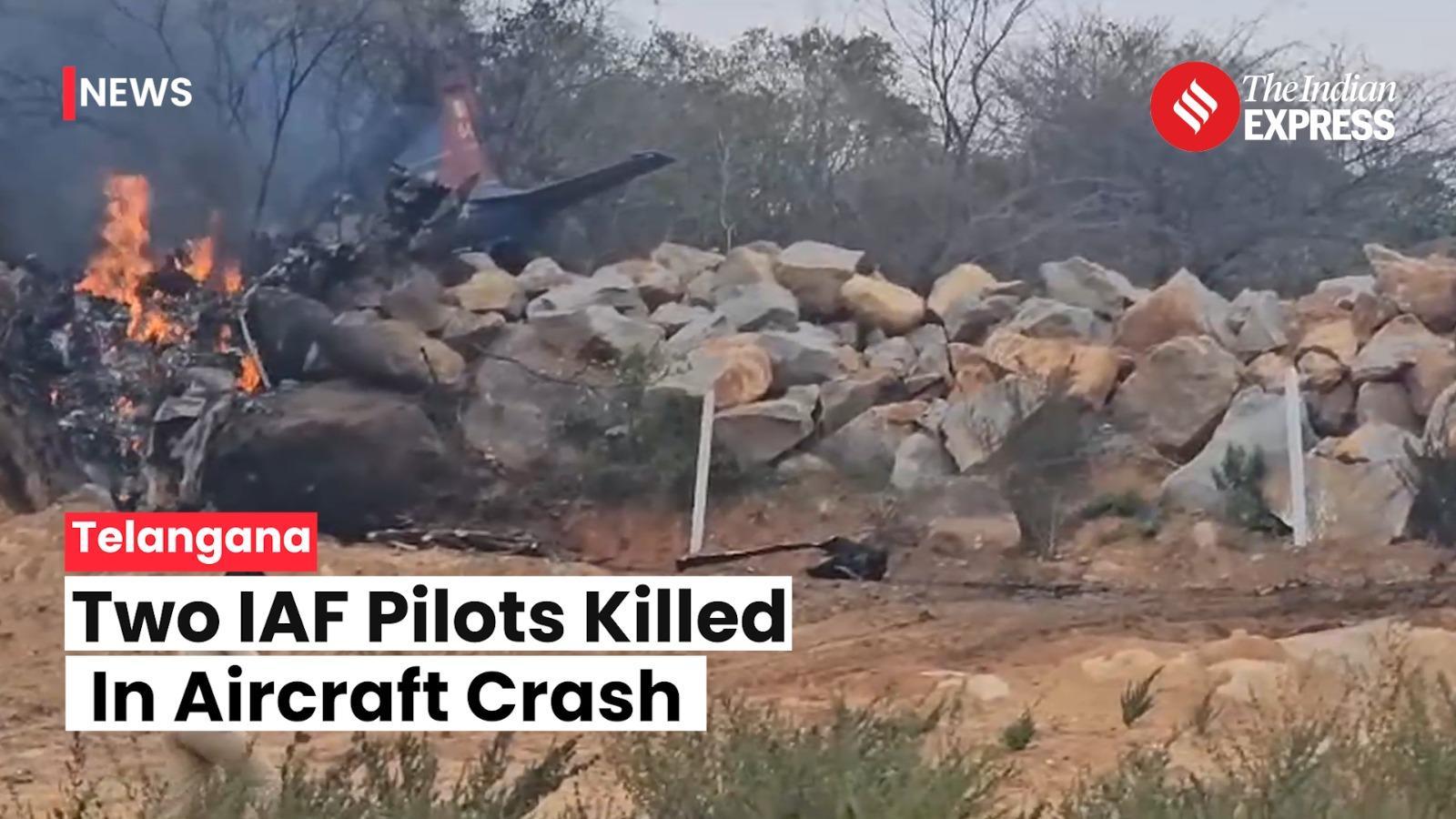
In a tragic incident that has sent shockwaves through the nation, the recent IAF aircraft crash has claimed the lives of five brave IAF personnel during a routine sortie in Assam. The An-32 aircraft crash near Jorhat has not only highlighted the perils of military aviation but also underscores the sacrifices made by our armed forces. Reports confirm that Sqn Ldr Prashant Singh, Flt Lt Shubham Kumar, Sgt Jitendra Sharma, Agniveervayu Khemaram Kumawat, and Agniveervayu Danish Alam were tragically killed in this unfortunate incident. The IAF has expressed its profound condolences to the families of the fallen heroes, reaffirming its commitment to supporting them through this devastating time. As investigations into the Assam aircraft incident commence, the nation mourns the loss of these valorous individuals who dedicated their lives to serving the country.
The recent crash of an Indian Air Force aircraft has spotlighted the inherent dangers associated with military aviation. This unfortunate accident, which resulted in the loss of five dedicated service members, has raised important discussions about safety protocols and operational pressures faced by armed forces. In the wake of the Jorhat crash news, communities across the nation are reflecting on the sacrifices made by personnel in the line of duty. The An-32 aircraft incident serves as a reminder of the risks that military aviators encounter as they carry out their responsibilities with unwavering resolve. Collectively, we honor the memory of those IAF personnel killed and acknowledge their service to our security and defense.
Tragic IAF Aircraft Crash in Assam: The An-32 Incident
On June 13, 2026, the Indian Air Force (IAF) suffered a tragic loss as an An-32 aircraft crashed during a routine sortie in Jorhat, Assam. The unfortunate incident resulted in the deaths of five dedicated IAF personnel: Squadron Leader Prashant Singh, Flight Lieutenant Shubham Kumar, Sergeant Jitendra Sharma, and two Agniveervayu pilots, Khemaram Kumawat and Danish Alam. These brave servicemen exemplified courage and commitment, and their sacrifice in the line of duty has left a profound impact on their families, colleagues, and the nation as a whole. The IAF has expressed its deepest condolences, offering support to the grieving families during this devastating time of loss.
The crash site management is underway, with investigators examining the situation to ascertain the causes behind this catastrophic event. This incident highlights the inherent risks associated with military aviation, shining a light on the stringency with which the IAF conducts its operations. Each sortie carried out by the IAF’s highly trained personnel is a testament to their professionalism, yet tragedies such as this remind us of the constant dangers involved in ensuring national security. The tragic losses reinforce the need for ongoing improvements in aircraft safety protocols and emergency response strategies.
As the investigations progress, the IAF emphasizes its commitment to transparency and accountability, aiming to prevent similar tragedies in the future. Preliminary inquiries are focused on various factors, including flight conditions and maintenance records, as they seek to provide answers to the families and the nation. While military aviation accidents can occur due to a variety of reasons, understanding these complexities is crucial in advancing air safety. The An-32 aircraft, known for its versatility and utility in varied roles, has been a reliable workhorse for the Indian Air Force, and this incident calls for a reassessment of its operational protocols to safeguard the lives of personnel engaged in flights. In remembrance of the fallen heroes, the IAF is likely to conduct memorials and tributes, honoring those who paid the ultimate price in service to their country.
The Impact of the IAF Aircraft Crash on Military Aviation Safety
The recent IAF aircraft crash in Assam raises critical questions about military aviation safety standards. With five personnel killed in the An-32 incident, there is an urgent need to analyze current safety measures and protocols within the Indian Air Force. Each aircraft’s design, maintenance routines, and pilot training must undergo rigorous evaluation to identify any shortcomings that may contribute to accidents. Organizations that oversee military aviation must implement advanced technologies and safety systems to safeguard our servicemen and women during their operations. Ensuring the highest safety conditions is an essential part of the IAF’s commitment to their personnel and their families, as even the slightest lapse can lead to devastating consequences.
Moreover, this tragedy serves as a stark reminder of the sacrifices made by IAF personnel every day. Every routine sortie is fraught with potential hazards, and the vigilance and preparedness of the crew are crucial factors in preventing such accidents. Continued education and training programs focusing on emergency responses and flight safety can not only enhance preparedness but also provide the workforce with the tools needed to navigate unforeseen challenges. By addressing these critical aspects, the IAF can enhance its operational readiness and ensure that similar incidents are less likely to occur in the future.
In light of the An-32 crash, the IAF is likely to accelerate the review of existing safety measures pertaining to military aviation. This includes potential updates to the protocols of aircraft involved in routine operations, contributing to a culture of safety within the ranks. The loss of IAF personnel due to aircraft incidents can have long-lasting implications, not only affecting the armed forces’ operational capability but also leading to public scrutiny of military aviation safety. By proactively addressing these safety concerns, the IAF can restore confidence among its personnel and the public, thus honoring the legacy of those who lost their lives in service.
In the aftermath of the Jorhat crash news, broader discussions regarding military aviation safety protocols will likely emerge. Emphasizing transparency in inquiries and responses to accidents can facilitate an ongoing dialogue aimed at preventing future tragedies. The IAF’s commitment to a thorough investigation will not only validate the sacrifices made by its personnel but will also serve as a crucial step towards fostering a safer environment for all involved in military aviation.
Frequently Asked Questions
What happened in the recent IAF aircraft crash involving An-32 in Assam?
The recent IAF aircraft crash involved an An-32 aircraft that occurred during a routine sortie in Jorhat, Assam. Tragically, five IAF personnel were killed in this incident, including Sqn Ldr Prashant Singh and Flt Lt Shubham Kumar. The Indian Air Force (IAF) has expressed its deep condolences to the families of the deceased and is conducting initial inquiries into the crash.
| Key Points | Details |
|---|---|
| Incident | An-32 Aircraft Crash in Jorhat, Assam |
| Date | June 13, 2026 |
| Casualties | 5 IAF Personnel killed |
| Names of Deceased | 1. Sqn Ldr Prashant Singh 2. Flt Lt Shubham Kumar 3. Sgt Jitendra Sharma 4. Agniveervayu Khemaram Kumawat 5. Agniveervayu Danish Alam |
| IAF Response | The IAF expressed condolences to the bereaved families and is conducting investigations into the crash. |
Summary
The IAF aircraft crash that occurred on June 13, 2026, near Jorhat, Assam, tragically resulted in the loss of five brave personnel. This unfortunate event highlights the inherent risks involved in military aviation operations. The Indian Air Force (IAF) has shown its commitment to supporting the families of the deceased during this difficult time, assuring them of continued support and respect for their sacrifice. As investigations proceed, it is crucial for authorities to gather comprehensive insights to prevent such incidents in the future, further ensuring the safety of our airmen and enhancing the operational standards of the IAF.