

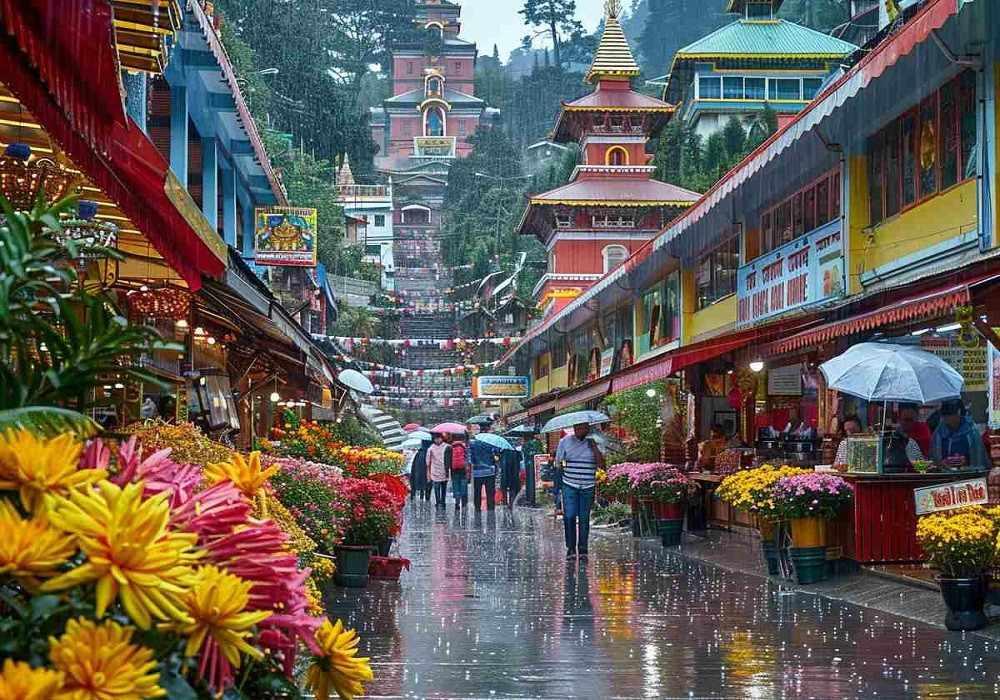
Nestled in the lap of the Himalayas, Sikkim is often acclaimed as ‘heaven on earth’ due to its breathtaking landscapes and vibrant culture. This northeastern gem has become a focal point for sustainable tourism, attracting travelers eager to experience its eco-friendly practices. Bollywood actress Bhumi Pednekar recently visited Sikkim, marveling at iconic attractions such as the serene Tsomgo Lake and the spiritual Rumtek Monastery. She passionately advocated for responsible tourism, emphasizing the importance of respecting both the environment and local traditions during Sikkim travel. As a part of the growing movement towards eco-conscious exploration, Sikkim stands out as a pioneering model for those looking to embark on responsible adventures in nature-rich locales.
Sikkim, a pristine state nestled amongst the towering peaks of the Himalayas, presents an ideal destination for travelers committed to sustainability and environmental conservation. Often described through various lenses, from a serene escape to an eco-tourism haven, it invites visitors to explore its breathtaking scenery and rich cultural heritage. During her recent journey, actress Bhumi Pednekar highlighted the state’s commitment to sustainable practices, drawing attention to the exceptional initiatives that prioritize eco-friendly travel. With landmarks like Nathula Pass and Baba Harbhajan Singh Mandir serving as focal points, travelers are encouraged to engage in responsible tourism that enriches both their experience and the local community. The allure of Sikkim lies not just in its stunning landscapes, but in its dedication to fostering a harmonious relationship between nature and humanity.
Exploring Sikkim: A Sustainable Traveler’s Paradise
Sikkim, often referred to as ‘heaven on earth’, offers a unique and unparalleled experience for eco-friendly travelers. With its breathtaking landscapes and commitment to sustainable tourism, the state sets a remarkable example for responsible travel. Tourists can immerse themselves in the region’s natural beauty while embracing practices that protect the environment. From the majestic peaks of the Himalayas to the serene lakes dotting the landscape, Sikkim embodies a travel experience that’s both enriching and sustainable.
Traveling in Sikkim allows visitors to participate in eco-friendly initiatives that benefit both the environment and local communities. As highlighted by Bollywood actor Bhumi Pednekar, the state’s efforts in banning single-use plastics and promoting sustainable practices make it a role model for environmental conservation. By supporting local artisans and engaging in responsible tourism, travelers can enjoy a meaningful connection to the region while fostering its preservation for future generations.
Bhumi Pednekar’s Journey: Lessons in Responsible Tourism
During her recent visit to Sikkim, Bhumi Pednekar emphasized the importance of responsible tourism and respecting local cultures. She encourages everyone embarking on their travel adventures to consider the impact they have on the places they visit. Pednekar’s message is clear: when exploring new destinations, tourists should prioritize sustainability and minimize their ecological footprint. This involves not just enjoying the natural beauty but also ensuring they leave it untouched and pristine.
Pednekar’s experiences at sites like the Rumtek Monastery and Tsomgo Lake further reinforce the need for responsible engagement with Sikkim’s communities and environments. Visitors are urged to appreciate the cultural significance of these locations while being conscientious of their own behaviors. The essence of responsible tourism lies in fostering a respectful relationship with the land and its people, embodying the love and compassion that Sikkim inspires in its guests.
The Cultural Richness of Sikkim: Discovering Stories and Traditions
Sikkim is not just a visual delight; its cultural tapestry is woven with rich traditions and folklore that resonate deeply with every visitor. Bhumi Pednekar noted the profound stories behind each destination, making every experience more than just a sightseeing trip. From the spiritual ambiance of the Baba Harbhajan Singh Mandir to the sacred philosophies upheld by the Buddhist community at Rumtek, Sikkim’s diverse culture invites travelers to engage on a deeper level.
This cultural richness further contributes to the sustainable tourism ethos. By respecting and understanding local traditions, travelers can foster an environment of mutual respect and appreciation. Each story shared with tourists enhances the connection between visitors and the local populace, promoting a cultural exchange that is vital for responsible tourism. As Bhumi Pednekar remarked, witnessing the faith and spirituality of the locals adds an enriching layer to the Sikkim experience.
Eco-Friendly Travel Tips for Sikkim Adventurers
Travelers looking to explore Sikkim should prioritize eco-friendly practices to fully embrace the state’s commitment to sustainability. This includes carrying reusable water bottles, refusing plastic bags, and opting for local guides who promote sustainable tourism. Bhumi Pednekar’s advocacy for responsible travel aligns perfectly with these practices; by leaving no trace of your visit, you help maintain Sikkim’s pristine environment while also supporting the local economy.
Additionally, tourists should engage in activities that contribute positively to Sikkim’s ecology, such as participating in local conservation efforts or visiting community projects. Responsible interaction with nature and local communities helps preserve the natural beauty and cultural integrity of Sikkim, ensuring that future generations can also experience this ‘heaven on earth’.
Visiting Monasteries: Spirituality in Sikkim
Sikkim is home to numerous monasteries, each rich with spirituality and history. The Rumtek Monastery, a prominent center for Tibetan Buddhism, is not only a visual feast but also a sanctuary for meditation and reflection. As Bhumi Pednekar experienced, visiting such sacred places adds a profound dimension to any travel experience, allowing for personal introspection and a connection with age-old traditions.
These visits also highlight the importance of respectful tourism in spiritual settings. Travelers are encouraged to observe local customs and behave respectfully while visiting these religious sites, ensuring that their presence does not disturb the peace and sanctity that define these locations. Bhumi’s appreciation for the spiritual atmosphere of Sikkim underscores the need for mindfulness when engaging with the cultural heritage of the region.
Embracing Nature’s Beauty: Sikkim’s Landscapes and Ecosystems
The natural beauty of Sikkim is simply breathtaking. From the snow-capped peaks of the Himalayas to the vibrant flora and fauna found in its forests, the state is a paradise for nature enthusiasts. Bhumi Pednekar’s awe at the picturesque landscapes is a shared sentiment among many who visit this green haven. Each site, whether it’s the pristine Tsomgo Lake or the lush valleys, serves as a reminder of the importance of conserving these natural wonders.
To truly appreciate Sikkim’s landscapes, travelers must adopt eco-friendly travel practices. This includes engaging in activities like trekking and bird-watching while adhering to Leave No Trace principles. By absorbing the beauty of Sikkim responsibly, visitors can contribute to the preservation of its ecosystems, ensuring that this paradise remains intact for years to come.
Bhumi Pednekar: A Voice for Sustainable Tourism
As an influential figure, Bhumi Pednekar carries a significant responsibility to raise awareness about sustainable tourism. Her recent comments during her visit to Sikkim reflect a commitment to advocating for eco-friendly practices and highlighting the importance of responsible travel. By using her platform to emphasize the unique environmental policies in Sikkim, she encourages others to follow suit, both in India and around the world.
Pednekar’s interaction with the local communities and her respect for the environment resonate strongly with travelers looking to make a positive impact. Her emphasis on respecting local cultures and minimizing waste directly aligns with the principles of responsible tourism. Leveraging her fame to promote these ideals can inspire many to consider the way they travel and the choices they make during their adventures.
Sikkim’s Environmental Accomplishments: Leading by Example
Sikkim stands as a beacon of environmental accomplishments, showcasing how a state can prioritize sustainability and green policies. The state’s pioneering ban on single-use plastics is an example of how collective action can lead to significant environmental change. Bhumi Pednekar’s visits and comments serve to further highlight the need for other regions to adopt similar measures, allowing sustainable tourism to flourish.
The commitment to sustainability doesn’t just benefit the environment; it enhances the overall travel experience. Tourists visiting Sikkim are often more engaged and willing to learn about active conservation efforts, leading to a deeper connection with the state. As demonstrated by the initiatives in Sikkim, responsible tourism is not just an obligation—it enriches the lives of both tourists and locals, paving the way for a future where nature and culture can thrive together.
Sikkim: A Destination for Future Generations
Sikkim’s sustainable tourism model is an inspiration that other states can emulate. By prioritizing the environment, local culture, and responsible travel practices, Sikkim ensures that it remains an alluring destination for future generations. Bhumi Pednekar’s hope to return to Sikkim speaks volumes about the lasting impression this state leaves on its visitors.
To secure this future, both tourists and policymakers must continue to advocate for eco-friendly practices and sustainable tourism. By fostering a community of responsible travelers, we can preserve Sikkim’s natural beauty and rich traditions, ensuring that it continues to be a ‘heaven on earth’ for years to come.
Frequently Asked Questions
What makes Sikkim a popular destination for responsible tourism?
Sikkim is renowned for its commitment to sustainable tourism, as highlighted by Bollywood actor Bhumi Pednekar. The state prioritizes environmental conservation through initiatives such as a ban on single-use plastics and promoting eco-friendly travel practices. Tourists are encouraged to respect local culture and nature, making Sikkim a model for responsible tourism.
Which famous sites did Bhumi Pednekar visit in Sikkim?
During her visit to Sikkim, Bhumi Pednekar explored iconic locations such as Rumtek Monastery, Nathula Pass, Tsomgo Lake, and Baba Harbhajan Singh Mandir. These sites reflect Sikkim’s rich cultural heritage and stunning natural beauty.
How can tourists practice responsible tourism while traveling in Sikkim?
Tourists can practice responsible tourism in Sikkim by respecting the local culture, carrying their waste back, and being mindful of their impact on the environment. Bhumi Pednekar emphasizes that visitors should leave no garbage behind and honor the traditions and language of the local communities.
What are some eco-friendly travel practices recommended for visitors to Sikkim?
Visitors to Sikkim are advised to engage in eco-friendly travel practices such as minimizing plastic use, supporting local businesses, and participating in community activities. These practices align with Sikkim’s reputation as one of India’s greenest states and contribute to its sustainable tourism efforts.
Why did Bhumi Pednekar describe Sikkim as ‘heaven on earth’?
Bhumi Pednekar referred to Sikkim as ‘heaven on earth’ due to its breathtaking landscapes and commitment to sustainability. Her experiences in the state’s natural beauty, coupled with its rich spiritual and cultural heritage, left a profound impact on her, highlighting Sikkim’s allure as a travel destination.
What is the significance of sustainable tourism in Sikkim?
Sustainable tourism is vital in Sikkim as it helps preserve the state’s unique ecosystems and cultural heritage. The emphasis on responsible practices allows for the protection of natural resources while promoting eco-friendly travel, aligning with Bhumi Pednekar’s advocacy for climate-first policies.
| Key Points |
|---|
| Bhumi Pednekar praises Sikkim as “heaven on earth” and emphasizes its natural beauty. |
| She visited significant sites such as Rumtek Monastery, Nathula Pass, and Tsomgo Lake. |
| Pednekar highlights Sikkim’s commitment to sustainability and responsible tourism. |
| She experienced a profound connection to the state’s spiritual and cultural richness. |
| Pednekar encourages respectful tourism practices and emphasizes environmental preservation. |
| She hopes other states will adopt Sikkim’s climate-first initiatives. |
Summary
Sikkim is increasingly recognized as a premier destination for responsible tourism and environmental conservation. Bollywood actress Bhumi Pednekar’s recent visit highlighted the state’s stunning natural beauty and commitment to sustainability, advocating for a deeper respect for local cultures and environments amongst tourists. Her call to adopt responsible tourism practices aligns with Sikkim’s values, positioning it as a model for eco-friendly travel and a significant contributor to sustainable tourism in India.



























