

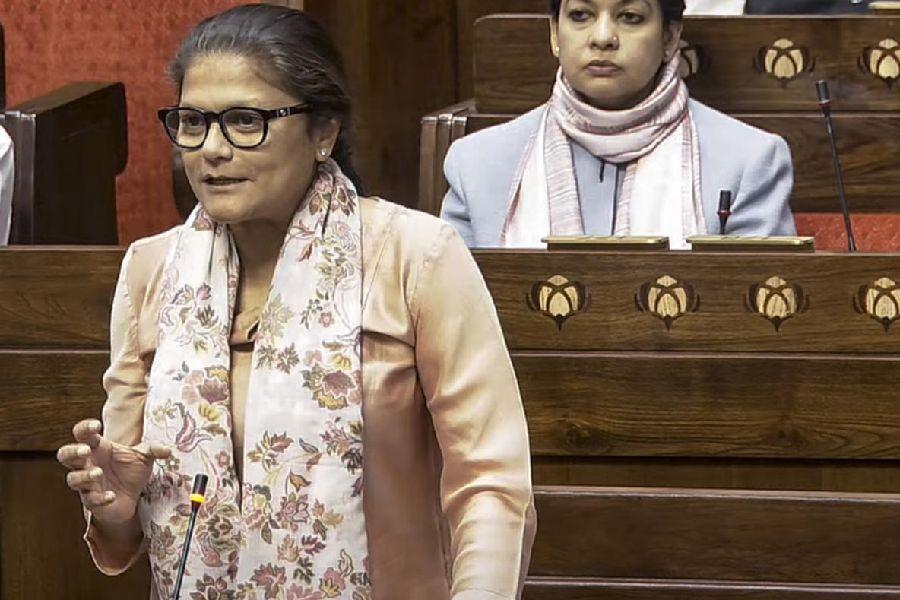
Sushmita Dev’s resignation from the Trinamool Congress has sent ripples through the Assam political landscape, raising questions about her future in politics. On June 13, the former Rajya Sabha MP publicly announced her departure, citing personal and political factors that influenced her decision. In a move that underscores her commitment to ethical standards, Dev also relinquished her Rajya Sabha membership, stating that such a step was necessary after leaving the party. Her statement offered a hint of what lies ahead, as she encouraged her supporters to remain patient while she clarifies her next political aspirations. As Sushmita Dev steps away from TMC, the implications of her resignation could reshape the dynamics of Trinamool Congress politics in Assam and beyond.
The recent exit of Sushmita Dev from her role within the Trinamool Congress marks a significant turning point in her political career. As a prominent figure once associated with the party, Dev’s departure raises curiosity about her future moves in the political arena. By stepping down from her Rajya Sabha position alongside her resignation, she emphasized the importance of ethical practices in political transitions. This moment not only signals a shift for Dev but also highlights the evolving nature of party politics in Assam. Observers of the political scene are now left wondering how her departure will impact Trinamool Congress and what direction her ambitions will take next.
Sushmita Dev’s Strategic Resignation from the Trinamool Congress
Sushmita Dev’s resignation from the Trinamool Congress has sent ripples across the Assam political landscape. The former Rajya Sabha MP expressed her intent to leave the party primarily due to personal and political reasons. In a statement made on June 13, she emphasized that her decision stemmed from a need to find a more suitable platform to advance her political aspirations. This move illustrates a significant shift in the dynamics of Trinamool Congress politics in Assam, where Dev has been a prominent figure. The timing of her resignation raises questions about the internal workings of the party and the ongoing rivalry among regional factions.
In her remarks post-resignation, Sushmita Dev called upon her supporters to maintain patience as she navigates her next political steps. She underscored the importance of aligning one’s political journey with the right environment, revealing her belief that the current landscape within the Trinamool Congress did not foster her ambitions. This resignation also reflects her ethical stance, as she relinquished her Rajya Sabha membership, acknowledging that the seat she occupied was granted by the party she has now exited. This principled decision highlights her commitment to integrity in her political career and could potentially position her as a player for future opportunities in Assam’s evolving political scenario.
Future Political Aspirations of Sushmita Dev
With Sushmita Dev’s departure from the Trinamool Congress, the question on everyone’s mind is where she’ll head next in her political journey. Her comments indicate that she is contemplating her next move seriously, aiming to align herself with a political environment that better supports her ambitions in Assam. The political landscape is changing rapidly, and many believe that her exit could be the precursor to a significant realignment within Assam’s political parties. By distancing herself from the Trinamool Congress, she may be setting the stage for a potential new alliance or other political endeavors that would resonate more closely with her vision for Assam.
Dev’s resignation is not just a personal decision but also a reflection of the broader sentiments expressed by many political leaders in Assam who feel stifled in their current affiliations. Her ability to navigate the Assam political landscape effectively will depend on her capacity to leverage her experience and popularity. As she rebuilds her political identity, she may soon gain traction among constituents dissatisfied with current leadership dynamics within the state. It is crucial for Dev to stay engaged with her base and utilize social media and grassroots initiatives to maintain visibility as she weighs her options for re-entering Assam politics.
Impact of Sushmita Dev’s Departure on Trinamool Congress
Sushmita Dev’s resignation has significant implications for the Trinamool Congress, particularly within the context of Assam’s political scene. Her exit removes a key voice from the party that had previously garnered attention for its attempts to solidify a foothold in the northeastern state. The absence of experienced leaders like Dev could weaken the party’s influence during upcoming electoral battles in Assam, jeopardizing its hopes of regaining competitive strength against regional opponents. Political analysts speculate that this departure may also prompt other party members to reevaluate their positions, potentially leading to further fragmentation within Trinamool Congress.
The effect of her departure could also influence the party’s strategies and voter outreach efforts. As Trinamool Congress grapples with maintaining its relevance in Assam, Dev’s resignation might catalyze a reconsideration of leadership practices and party policies aimed at fostering growth among its members. With rising competition from alternative parties that resonate more strongly with local sentiments, the TMC may need to rethink its approach to maintain its standing in Assam’s complex political landscape.
Sushmita Dev and the Rajya Sabha Connection
The connection between Sushmita Dev and her Rajya Sabha membership has been a focal point in discussions following her resignation from the Trinamool Congress. Dev made a noteworthy decision to resign from her Rajya Sabha seat simultaneously with her departure, a step she deemed ethically proper given that the seat was bestowed upon her by the party. This proactive choice signals her intention to move away from affiliations that she feels no longer serve her political interests. The link between party membership and legislative representation often complicates political exits; thus, Dev’s actions are particularly significant.
Furthermore, relinquishing her Rajya Sabha membership underscores a strategic decision to prioritize her political integrity over continued association with a party that fails to support her ambitions. This scenario highlights the complicated nature of political loyalities and the lengths to which leaders must go to preserve their principles. As the discussions surrounding her future unfold, it remains to be seen how her experiences in the Rajya Sabha will inform her next moves in the volatile Assam political landscape.
The Changing Dynamics of Assam Politics
Sushmita Dev’s resignation is emblematic of the shifting dynamics in Assam’s political realm. The departure of prominent leaders often heralds a period of transformation, wherein new parties and candidates emerge to redefine the political narrative. Assam’s political landscape has historically been characterized by regional loyalties and shifting alliances, making Dev’s decision particularly relevant as observers analyze the implications for the Trinamool Congress and its competitors. By stepping away, she’s not only vocalizing her dissatisfaction with the current environment but potentially opening doors for new dialogues in Assam politics.
Dev’s resignation also reflects a broader trend seen across many regional parties in India where leaders are increasingly seeking platforms that align with their personal values and aspirations. In light of this, the response from both Trinamool Congress and other parties in Assam will be critical as they attempt to strategize around retaining their influence and adapting to evolving voter expectations. The political landscape is undoubtedly poised for changes that could reshape the future of governance in Assam, and Sushmita Dev’s next moves may play a crucial role in these developments.
Reactions to Sushmita Dev’s Exit from the Trinamool Congress
The reactions to Sushmita Dev’s resignation from the Trinamool Congress have been a mixture of surprise and speculation. Among her supporters, there is an understanding of her choices, as many recognize the challenges presented within the party’s current political structure in Assam. Conversely, political analysts have expressed concern that Dev’s departure might signify deeper issues within the Trinamool Congress that need to be addressed to prevent further attrition among influential leaders. Such concerns raise crucial questions about the party’s future trajectory and its ability to retain effective leadership.
In the wider political community, reactions have also sparked discussions on potential shifts in public sentiment. Many view Sushmita Dev as a political leader equipped with the experience and insight necessary to navigate the complexities of Assam’s diverse electorate. Observers speculate that her future political moves could significantly alter the landscape, especially if she chooses to align with another party or even spearhead a new movement. The unfolding events around her resignation may well set the stage for pivotal changes in Assam’s political dynamics.
Sushmita Dev’s Legacy in Assam Politics
Sushmita Dev’s contributions to Assam politics, particularly during her tenure with the Trinamool Congress, have laid a noteworthy foundation for her future endeavors. Known for her strong leadership and commitment to women’s rights and regional issues, Dev has made an indelible impact through her legislative work in the Rajya Sabha. Her resignation raises questions about her legacy, as she departs from a party that has seen both successes and setbacks in the state. Her future commitments will likely influence how she is remembered within Assam’s political heritage.
Furthermore, as she embarks on her next journey, Sushmita Dev carries with her the experiences and lessons learned from her time in the Trinamool Congress. The narrative of her career thus far is one intertwined with the larger political evolution of Assam. Should she choose to champion new causes or establish a different political identity, the legacy she creates could inspire future generations of politicians in the region. As Assam continues to navigate through its complex political landscape, Dev’s trajectory will certainly be one to watch closely.
Potential Political Alliances for Sushmita Dev
In the wake of her resignation from the Trinamool Congress, Sushmita Dev’s next political alliance has become a topic of keen interest in Assam’s political circles. Considering her established rapport with constituents and political acumen, potential collaborations with emerging parties or leaders could broaden her appeal and enhance her political prospects. The transformation happening within many parties in Assam presents an opportunity for Dev to align with platforms that resonate with the aspirations of the electorate, particularly in matters affecting development and social justice.
Furthermore, her ability to forge alliances may be critical in positioning herself as a prominent figure in Assam’s political landscape. As the state’s voter base becomes increasingly discerning and demands robust representation, strategic partnerships can amplify her influence. Observers are looking forward to seeing whether she leverages her past experience and connections to create alliances that could lead her to a renewed political role, making her a formidable contender in the evolving dynamics of Assam.
The Role of Women in Assam Politics: Insights from Sushmita Dev
Sushmita Dev’s journey highlights the critical role of women in Assam politics and the broader challenges they face in gaining representation. Her departure from the Trinamool Congress serves as a reminder of the obstacles even established female leaders encounter in their political pursuits. Dev has been an advocate for women’s rights throughout her career, and her exit prompts a deeper examination of gender dynamics within Assam’s political framework. The complexities of navigating a male-dominated political sphere have implications not only for Dev but for all women aspiring to make their mark in similar environments.
Dev’s experiences also open the door to discussions about the need for greater gender parity in political representation. As she ventures beyond her former party, her future endeavors may include lobbying for more inclusive practices that empower women in politics across Assam. Whether through mentorship, grassroots mobilization, or public advocacy, Sushmita Dev’s continuing influence can be pivotal in reshaping perceptions and paving the way for the next generation of female leaders in the state’s political landscape.
Frequently Asked Questions
What prompted Sushmita Dev’s resignation from Trinamool Congress?
Sushmita Dev’s resignation from Trinamool Congress (TMC) was primarily influenced by personal and political factors. She expressed that the current political atmosphere in Assam did not support her aspirations for further growth, prompting her to leave the party and even relinquish her Rajya Sabha membership, which she felt was ethically correct. Dev indicated that her future political direction would be revealed in due course, asking her supporters for patience.
| Key Points | Details |
|---|---|
| Sushmita Dev’s Resignation | Resigned from TMC and Rajya Sabha membership citing personal and political factors. |
| Future Political Direction | Hints at revealing her future plans soon; asks supporters for patience. |
| Ethical Consideration | Decided to also resign from Rajya Sabha as it was granted by the party, feels it was the right decision. |
| Limitations in TMC | Believes there are limited opportunities in TMC for political growth in Assam. |
| Political Environment | States that the current political environment in TMC is not conducive for her aspirations. |
Summary
Sushmita Dev’s resignation has created ripples in the political arena, highlighting her personal and political motivations for leaving the Trinamool Congress (TMC). After years of affiliation, Dev expressed her belief that the party no longer provided the necessary opportunities for her political ambitions in Assam. In her statement, she conveyed a sense of ethical responsibility by relinquishing her Rajya Sabha seat alongside her party exit, demonstrating her principled stance on political affiliations. As she prepares to chart a new course, her supporters await further announcements, fostering a sense of anticipation regarding her next political moves.



























