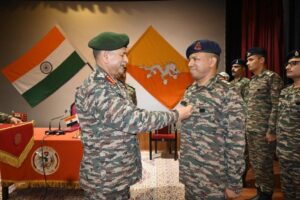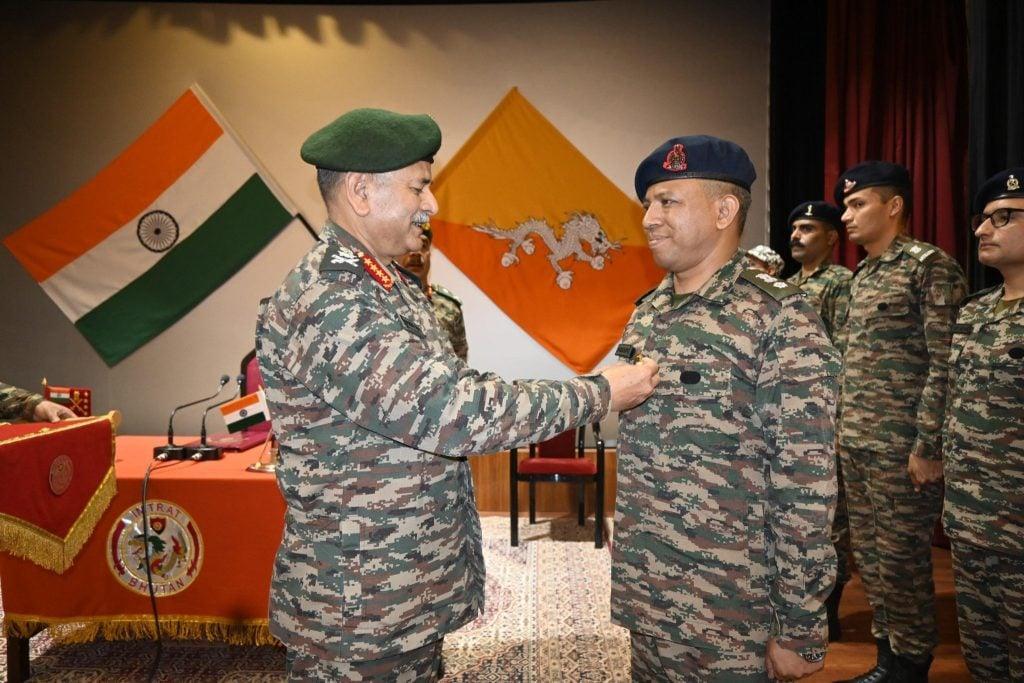
Military-civil integration is making strides in India, exemplified by a groundbreaking Memorandum of Understanding (MoU) signed between the Indian Army and Bharti Airtel Pvt. Ltd. This collaboration aims to enhance mobile connectivity in Arunachal Pradesh’s Kameng district, a vital yet remote region. For over ten years, these communities have faced significant communication challenges, hampering their access to essential services and information. By fostering communication infrastructure development, this initiative not only seeks to bridge the digital divide in India but also aims to facilitate border community development through better access to resources and opportunities. As a result, improved mobile connectivity will bolster government initiatives, enhance quality of life, and ultimately drive socio-economic growth in this strategically important area.
The concept of military-civil fusion is gaining momentum in India, signifying a collaborative approach that merges defense capabilities with civilian development. This synergy is prominently illustrated by the partnership between the Indian Army and telecom giant Bharti Airtel, focusing on enhancing communication networks in isolated regions like Arunachal Pradesh. Such initiatives aim to ensure that local populations are no longer marginalized in the technological shift, ensuring that every citizen can benefit from advancements in mobile technology. This dual-purpose strategy not only fosters community development but also reinforces national security by improving logistical and operational communication for military personnel. Through these means, India is taking significant steps towards building a more inclusive and connected society, thereby laying the groundwork for a robust digital future.
Military-Civil Integration for Development
Military-civil integration is a key strategy that harmonizes efforts between military and civilian sectors, particularly in areas critical to national security and economic development. The recent partnership between the Indian Army and Bharti Airtel Pvt. Ltd exemplifies this approach, focusing on enhancing communication infrastructure in Arunachal Pradesh. This collaboration is not merely about constructing towers or laying cables; it is about revolutionizing how remote communities access essential services and engage with the world. Through this initiative, the military’s logistical capabilities are augmented by the technological prowess of a leading telecommunications firm, ensuring that areas previously isolated can now participate fully in India’s socio-economic fabric.
The MoU represents a significant stride in promoting military-civil integration as a model for other initiatives across India. By bridging the gap between military needs and civilian infrastructure requirements, this partnership fosters a collaborative environment that can drive development in various sectors. As mobile connectivity transforms lives in the Kameng district, it sets a precedent for future projects that prioritize the welfare of border communities while simultaneously addressing national security objectives. This synergetic relationship highlights the importance of unified strategies in responding to both local and national challenges.
Bridging the Digital Divide in Arunachal Pradesh
Bridging the digital divide is an essential step to unlocking the potential of remote regions in India, particularly in Arunachal Pradesh. For over a decade, communities in this strategically vital area have faced significant barriers to connectivity, which has hindered their access to education, healthcare, and economic opportunities. The collaboration between the Indian Army and Bharti Airtel addresses these challenges by establishing robust communication infrastructure. This initiative not only delivers mobile connectivity but also lays the groundwork for future digital innovations that can empower local populations and integrate them into the broader economy.
By enabling mobile connectivity, the initiative is set to enhance access to critical services such as telemedicine, online learning platforms, and government e-services, thereby promoting greater participation in national development. It is a proactive measure against the digital divide that has marginalized these communities, encouraging inclusivity and equal opportunities in the digital era. As communication gaps close, border residents in Arunachal Pradesh can engage more actively in national narratives, enhancing their quality of life and the functionality of local governance.
Enhancing Communication Infrastructure for Border Communities
The development of communication infrastructure in remote border communities serves multiple purposes, from enhancing connectivity to bolstering national security. The recent agreement between the Indian Army and Bharti Airtel signifies a commitment to ensure that even the most isolated regions benefit from modern communication technologies. Improved infrastructure will facilitate faster response times in emergencies and enhance logistical coordination for military operations, making these regions safer and more secure for residents.
Additionally, better communication facilities will foster a sense of belonging among border communities, allowing them to connect with the national mainstream. Communication issues previously faced by these communities can lead to feelings of segregation, but with new mobile networks, locals can access information, participate in governance, and connect with relatives far away. This development also opens doors to new economic opportunities, positioning these areas as viable destinations for tourism and trade, hence driving local economic development.
Unlocking Economic Growth through Enhanced Connectivity
The potential for economic growth in Arunachal Pradesh is significantly enhanced through improved mobile connectivity. As remote communities gain access to communication networks, local businesses can flourish, local artisans can promote their crafts, and farmers can benefit from timely market information. This ubiquity of connectivity not only fosters entrepreneurship but also enables community members to capitalize on emerging digital economies that rely on seamless communication.
Furthermore, the establishment of reliable communication infrastructure has the potential to attract investment into the region. Investors look for areas with stable logistics and communication solutions, and as such, improved infrastructure can position Arunachal Pradesh as an attractive destination for business ventures. Ultimately, this initiative could spearhead a new era of economic modernization in border areas, reducing the reliance on traditional industries and paving the way for a diversified economy.
Promoting Socio-Economic Development through Digital Accessibility
Digital accessibility is crucial for socio-economic development, especially in remote regions like Arunachal Pradesh. The partnership aimed at expanding mobile connectivity will not only facilitate access to digital education but also improve overall health outcomes by enabling telemedicine services. With a more connected community, individuals can seek medical advice and educational support without the burdens of travel, significantly improving their quality of life. Such initiatives empower communities and facilitate social cohesion by ensuring that everyone has access to vital resources.
Moreover, this enhanced connectivity will enable local populations to access government services efficiently, reducing bureaucratic hurdles and ensuring that citizens can partake in their rights and benefits without unnecessary delays. This flow of information empowers residents, encouraging participatory governance and community involvement in development initiatives. Thus, mobile connectivity emerges as a powerful tool for uplifting communities, breaking cycles of poverty and fostering sustainable progress.
Strengthening National Security through Communication Networks
The establishment of advanced communication networks in Arunachal Pradesh plays a critical role in strengthening national security. For military operations, having secure and reliable communication is paramount, especially in strategically important border areas. The collaboration between the Indian Army and Bharti Airtel not only enhances civilian connectivity but also fortifies military capabilities by improving communication infrastructure. This ensures that troops stationed in forward areas can coordinate operations effectively and respond swiftly to contingencies.
Furthermore, advanced communication capabilities foster real-time monitoring and intelligence sharing, which are essential components for maintaining peace and order in border territories. The improved infrastructure leads to better operational visibility, allowing for a quicker response to any threats, thereby enhancing the security framework of the nation. Ultimately, the Indian Army’s partnership with Bharti Airtel is a proactive measure that illustrates the synergy between military readiness and community development.
The Role of Public-Private Partnerships in Infrastructure Development
Public-private partnerships (PPPs) are vital for the rapid advancement of infrastructure, especially in challenging geographies like Arunachal Pradesh. The partnership between the Indian Army and Bharti Airtel highlights the effectiveness of PPPs in addressing communication gaps that hinder development in remote areas. By leveraging private expertise and public resources, such collaborations can ensure a faster and more efficient rollout of vital infrastructure projects that serve communities in need.
This model not only facilitates resource sharing but also drives innovation as private entities bring their technological know-how to the table. The involvement of both military and private sectors underscores a comprehensive approach to infrastructure development that prioritizes the welfare of border communities while serving national interests. As this model proves successful in Arunachal Pradesh, it may serve as a benchmark for similar initiatives across other parts of India facing the digital divide.
Fostering Community Engagement through Improved Connectivity
Engaging local communities is often the key to successful development initiatives, and improved connectivity plays an essential role in fostering this engagement. As mobile services expand in Arunachal Pradesh, communities will find it easier to communicate and express their needs and desires. The initiative by the Indian Army and Bharti Airtel not only seeks to connect individuals but also to build relationships among community members, local leaders, and government authorities.
Enhanced connectivity creates platforms for dialogue, enabling communities to participate actively in discussions about their development. This engagement is crucial for effective governance and ensuring that local needs are met. When communities can communicate effectively, they are empowered to advocate for themselves, participate in decision-making processes, and contribute to the planning and execution of future developmental projects tailored to their unique circumstances.
Towards Inclusive Development in Border Areas
Inclusive development is a core objective of the initiative aimed at improving communication infrastructure in Arunachal Pradesh. The focus on enhancing connectivity in border areas ensures that marginalized communities are not left behind in the nation’s progress towards a Viksit Bharat by 2047. By providing access to mobile connectivity, the initiative aims to eliminate barriers that have historically hindered these communities from participating fully in economic and social development.
Such inclusive development strategies are essential for ensuring that all citizens can exercise their rights and access opportunities. The potential benefits of improved connectivity extend beyond immediate economic advantages; they also contribute to social cohesion and national unity. By including border communities in the broader developmental narrative, the initiative fosters a sense of belonging and promotes peace and stability, essential for a prosperous nation.
Frequently Asked Questions
What is military-civil integration and how does it relate to the Indian Army’s partnership with Bharti Airtel?
Military-civil integration refers to the collaborative efforts between military and civilian organizations to enhance national capabilities. The Indian Army’s partnership with Bharti Airtel exemplifies this by focusing on communication infrastructure development, specifically aimed at improving mobile connectivity in remote areas of Arunachal Pradesh.
How will mobile connectivity in Arunachal Pradesh impact border community development?
Mobile connectivity in Arunachal Pradesh will significantly boost border community development by providing access to essential services and information. This initiative fosters economic growth, improves education and healthcare, and strengthens the socio-economic fabric of communities that have historically faced digital divide challenges.
What are the benefits of communication infrastructure development for the Indian Army and local populations?
The communication infrastructure development initiated by the Indian Army and Bharti Airtel delivers multiple benefits, including enhanced operational effectiveness and logistical coordination for troops, while also providing local populations with improved access to government services, education, and healthcare, thereby bridging the digital divide in rural areas.
How does the initiative address the digital divide in India, particularly in remote regions?
This initiative tackles the digital divide in India by establishing reliable mobile connectivity in the Kameng district, enabling previously disconnected communities to access digital services and resources. By enhancing communication infrastructure, the project promotes digital inclusion, essential for national integration and progress.
In what ways will improved mobile connectivity promote tourism in Arunachal Pradesh?
Improved mobile connectivity will facilitate better access to tourism information and services, attracting more visitors to Arunachal Pradesh. Enhanced communication infrastructure not only boosts the tourism sector but also opens new avenues for economic development and cultural exchange in border areas.
What role does military-civil integration play in enhancing the operational capability of Indian Army troops?
Military-civil integration enhances the operational capability of Indian Army troops by providing improved communication networks in forward areas. This facilitates better coordination and response times during operations, ensuring that troops remain connected and effective in strategic regions.
Why is the partnership between the Indian Army and Bharti Airtel significant for Viksit Bharat @ 2047?
The partnership is significant for Viksit Bharat @ 2047 as it aligns with India’s vision of sustainable development and inclusive growth. By focusing on communication infrastructure development in remote areas, it fosters a more connected and integrated nation, contributing to both economic prosperity and national security.
| Key Points | Details |
|---|---|
| MoU between Army and Bharti Airtel | Signed to enhance communication infrastructure in Kameng district, Arunachal Pradesh. |
| Objective of the Initiative | To provide mobile connectivity to communities that have been without reliable communication for over ten years. |
| Impact on Local Communities | Enhances access to government services, digital education, and healthcare, improving overall quality of life. |
| Economic Growth | Expected to promote tourism and create economic opportunities in the region. |
| Security Benefits | Improved communication will enhance logistical coordination for Indian Army operations in remote areas. |
| Strategic Importance | The initiative aids in integrating border areas with national development agendas, contributing to Viksit Bharat @ 2047. |
Summary
Military-civil integration is crucial for promoting both the strategic interests of the nation and enhancing the socio-economic conditions of remote communities. The collaboration between the Indian Army and Bharti Airtel epitomizes this initiative, as it aims to provide vital communication infrastructure in Arunachal Pradesh. This effort not only addresses long-standing connectivity issues but also supports the broader national vision of inclusive development and sustainable growth, thereby significantly impacting the future of the region.