

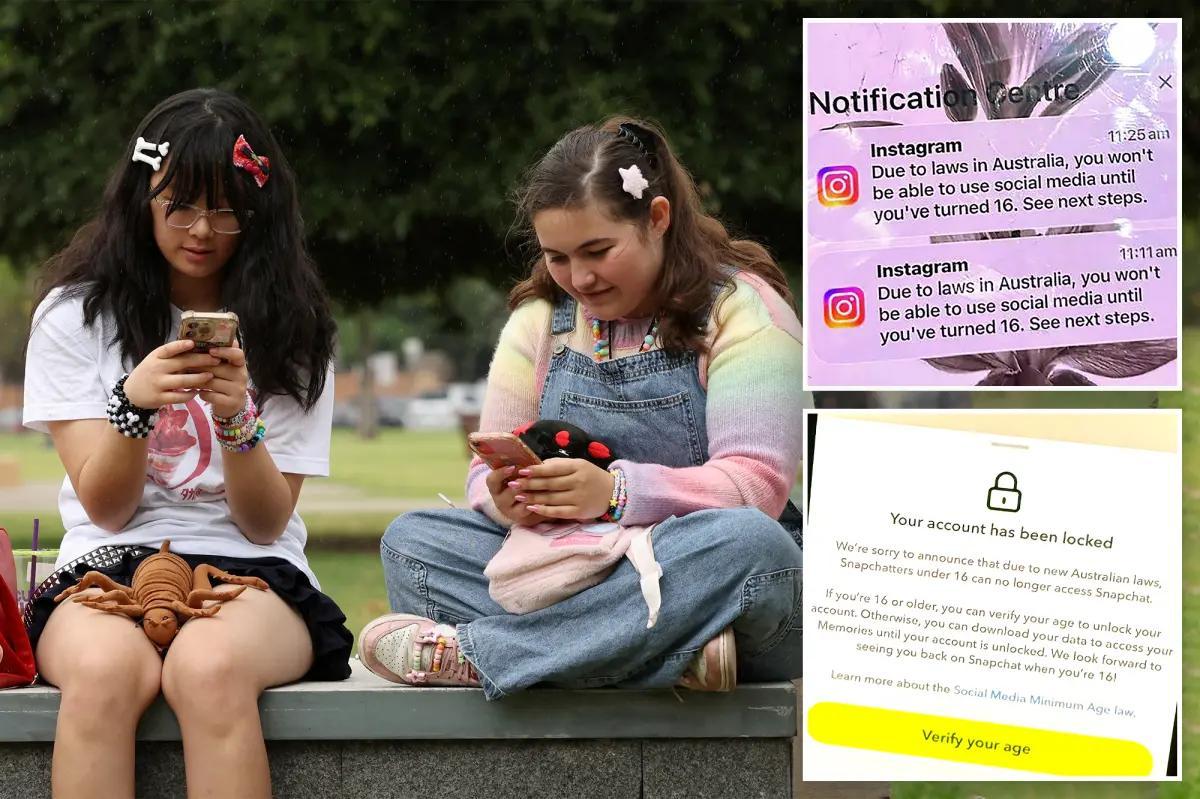
Social media restrictions for children have become a pressing issue, particularly with recent developments in the UK, where plans are set to ban access for those under 16 by 2027. This significant move is echoed globally, as various countries grapple with concerns over the impact of social media on children’s well-being. With rising incidents of cyberbullying and mental health issues tied to online platforms, age restrictions on social media are being adopted to safeguard minors. As nations contend with these issues, the debate around children’s online safety continues to evolve in the face of urgent calls for regulation. Furthermore, the UK social media ban embodies a larger trend of global social media regulations aimed at creating safer digital environments for young users.
In recent years, the growing movement for limiting access to online platforms for minors has gained traction. Many governments are prioritizing the protection of youth from the potential fallout of excessive internet exposure, particularly on social media sites. These measures, which include imposing age limits and stricter verification processes, reflect widespread concerns about children’s mental health and social interactions in the digital age. Overall, the objective is to cultivate safer online experiences that allow for healthy development while minimizing the risks associated with children’s engagement in the online sphere.
UK Social Media Ban: A Step Towards Children’s Safety
In a groundbreaking move, the UK government’s announcement to ban social media for those under 16 signals a broader shift towards prioritizing children’s online safety. This decision comes in response to overwhelming evidence on the negative impact of social media on youth, including rising anxiety rates, negative body image, and the perils of cyberbullying. By implementing age restrictions on social media, the UK aims to create a safer online environment that shields children from inappropriate content and online predators, mirroring similar initiatives seen in countries like Australia and Indonesia.
Prime Minister Keir Starmer’s assertion that this legislation is “the right step for Britain” reflects a growing awareness of the importance of safeguarding children in the digital age. The implications of this ban are vast, affecting major platforms such as Facebook, TikTok, and Snapchat. As the UK embarks on this journey, it enters a global conversation on social media regulations, emphasizing the need for a cohesive approach to children’s online interactions. This impending change could serve as a model for other nations grappling with similar issues.
Global Social Media Regulations: Learning from International Examples
As the UK’s plans unfold, it is essential to explore the diverse approaches taken by countries worldwide in regulating children’s access to social media. For instance, Australia has been proactive, instituting a complete ban for users under 16 in November 2025. This legislative action resulted from escalating concerns about the adverse effects of social media on youth, highlighting a trend towards stricter age restrictions on social media globally. These international examples provide valuable lessons for the UK as it seeks to navigate its own regulations.
Indonesia, with its recent ban, and Malaysia, enforcing rigorous age verification protocols, demonstrate how nations are prioritizing children’s online safety. Countries are increasingly acknowledging the correlation between excessive social media use and health issues such as depression and anxiety in children. Through these efforts, global social media regulations are not only reshaping how children interact with technology but also setting precedents that influence future policy developments. The UK’s legislation may very well catalyze a unified global movement towards healthier digital landscapes for children.
Impact of Social Media on Children: A Double-Edged Sword
The impact of social media on children has become a topic of intense debate, with both positive and negative ramifications. While social media platforms have the potential to inspire creativity and foster connections among peers, they can also lead to serious mental health issues. Research increasingly indicates that excessive screen time and exposure to curated online personas can contribute to feelings of inadequacy, anxiety, and loneliness among young users. This duality of social media presents a challenge to policymakers, parents, and educators aiming to protect children while allowing them access to beneficial digital tools.
Despite the clear risks associated with social media usage, it also serves as a platform for educational resources and social engagement, which can be particularly beneficial for teenagers navigating their formative years. Striking a balance between these positive aspects and the need for restrictions is crucial. The upcoming UK ban is a reflection of this challenge, emphasizing the need to mitigate risk factors while acknowledging the adaptive benefits social media can provide when used responsibly and under parental guidance.
Children’s Online Safety: The Role of Parents and Education
Children’s online safety is not solely the responsibility of the government or technology companies; it also heavily involves parents and educators. The UK’s upcoming ban on social media for users under 16 underscores the importance of collaborative efforts in ensuring that children are protected from cyber threats and unhealthy online interactions. Parents are encouraged to take an active role in their child’s digital life, educating them about online risks and helping them cultivate healthy habits focused on time management and content consumption.
Educational institutions also play a pivotal role in enhancing children’s digital literacy. By integrating discussions of online safety into school curricula, educators can equip students with the knowledge needed to navigate the complexities of social media responsibly. As social media regulations evolve, fostering an open dialogue about internet safety between parents, educators, and children will be essential in building a safe digital environment where young people can learn and grow without excessive exposure to the potential harms associated with social media.
Cyberbullying and Social Media: A Growing Concern
Cyberbullying is one of the most pressing concerns associated with children’s social media usage. With the anonymity that platforms offer, children may fall victim to bullying, leading to severe emotional distress and mental health issues. The UK’s decision to implement restrictions is partly a response to the rising incidents of cyberbullying, which can leave long-lasting effects on children’s self-esteem and overall well-being. As other countries take similar actions, it becomes increasingly crucial to create supportive environments that discourage cyberbullying and promote positive online interactions.
The global trend towards stricter regulations on social media can serve as a deterrent to cyberbullying. By limiting access to these platforms for younger users, countries are prioritizing mental health and emotional safety in children. However, fostering an understanding of the impact of one’s words online is also essential. Comprehensive anti-bullying campaigns and digital citizenship education can complement these regulations, enabling children to feel safer online and empowering them to stand against cyberbullying.
Navigating the Challenges of Digital Addiction
Digital addiction is a growing concern as children increasingly spend more time online, often at the expense of physical activities, face-to-face interactions, and academic responsibilities. Countries implementing social media restrictions, like the UK’s expected ban on under-16 users, aim to tackle this growing issue by limiting access to potentially addictive platforms. The debate surrounding children’s online safety also intertwines with discussions about digital addiction, raising the need for a comprehensive approach that addresses both immediate and long-term effects.
In tackling digital addiction, it is essential to raise awareness among parents, educators, and children themselves. Understanding the signs of addiction and the harmful consequences of prolonged social media use can aid in developing healthier habits. Countries with strict regulations provide a framework for promoting healthier usage patterns and encouraging outdoor activities and interpersonal relationships. The challenge remains not just in banning access but in cultivating a mindset that favors balance and moderation in digital consumption.
The Role of Technology Companies in Protecting Minors
Technology companies are on the frontline of the debate regarding children’s online safety, facing immense pressure to protect minors from harmful content while ensuring user engagement. New regulations, such as those that will be enacted in the UK, mandate these companies to proactively implement age verification processes and take responsibility for their younger users. Social media platforms are now encouraged to create safer environments by utilizing advanced technology that can filter inappropriate content and actively prevent underage users from accessing their services.
As regulators tighten their grip on social media operations, companies must also foster transparency and user accountability. This includes informing parents about privacy controls and offering tools that allow greater oversight of children’s online activities. Collaboration between governments and technology firms can lead to innovative solutions that not only comply with legal requirements but also prioritize the mental and emotional well-being of young users. By adopting these policies, tech companies can actively contribute to the conversation on children’s online safety and create a digital atmosphere that is supportive rather than exploitative.
Future Trends in Social Media Regulation for Youth
As countries like the UK implement bans and restrictions on social media usage for minors, we can anticipate significant shifts in the landscape of digital content regulation. The trend is moving towards more robust regulations that prioritize children’s safety and well-being, propelled by growing public concern over the mental health impacts of social media. Future legislation may include stricter age verification processes, enhanced parental controls, and social media literacy education as standard practices within platforms, all aimed at limiting access and promoting responsible use.
Moreover, global dialogue continues to shape how countries perceive children’s online safety. As international cooperation increases, there is potential for the establishment of comprehensive guidelines that delineate best practices for social media companies. These guidelines may address not only age restrictions but also content moderation and the ethical responsibilities of tech firms in protecting young users from harmful exposure. As we move forward, the emphasis will undoubtedly lie on fostering safe digital environments while recognizing the critical need for balance and accessibility in the evolving social media landscape.
The Debate on Banning vs. Balancing Social Media Use
The discussion surrounding the ban on social media for children prompts a broader debate on whether such measures are the most effective solution or if a balanced approach is necessary. Advocates for banning social media often highlight the overwhelming evidence linking excessive usage to severe consequences such as anxiety, depression, and negative body image. Conversely, some argue that outright bans do not address the underlying issues and that education and responsible usage could yield better results. The challenge lies in finding a middle ground that promotes safety and well-being without stifling personal growth and exploration.
Effective regulation of social media might not necessitate an outright ban but instead focus on creating a culture of accountability. Implementing educational programs that teach children about internet safety, the implications of social media, and how to engage positively can empower them to make informed decisions about their online presence. This dual approach of regulation combined with education could cultivate a healthier relationship between children and social media, enabling them to harness its benefits while minimizing risks.
Frequently Asked Questions
What are the proposed social media restrictions for children in the UK?
The UK government plans to implement a ban on social media access for individuals under the age of 16, effective from early 2027. This initiative aims to address growing concerns regarding children’s online safety and the impact of social media on their mental health.
| Country | Key Restrictions | Reason for Restrictions |
|---|---|---|
| UK | Ban on social media for under-16s effective 2027 | Addressing cyberbullying, mental health, and addiction concerns |
| Australia | Complete ban on social media accounts for under 16s since November 2025 | Concern over cyberbullying, online harassment, body image issues, and addiction |
| Indonesia | Ban on social media use for under 16s since March 2026 | Worries over online addiction and significant digital platform usage among youth |
| Malaysia | Regulations enacted in June 2026 to prevent under 16s from having accounts | Need for age verification to combat cyberbullying and protect children’s privacy |
| France | Parental consent required for children under 15 to access social media since July 2023 | Link between excessive use and mental health issues, aiming to protect minors |
| China | Strict screen time and content restrictions for minors with daily limits | Mitigating internet addiction and promoting healthier habits among youth |
Summary
Social media restrictions for children are becoming increasingly vital as countries recognize the growing risks associated with online interactions. The UK’s recent initiative to ban social media for children under 16 highlights a significant shift towards prioritizing youth mental health and safeguarding their wellbeing in the digital space. As countries like Australia, Indonesia, Malaysia, France, and China impose various regulations to curb excessive usage and protect minors from potential harm, a collective understanding emerges: while technology offers benefits, a balanced approach is essential to ensure that children can grow, learn, and connect without facing the adverse effects of unregulated social media access.



























