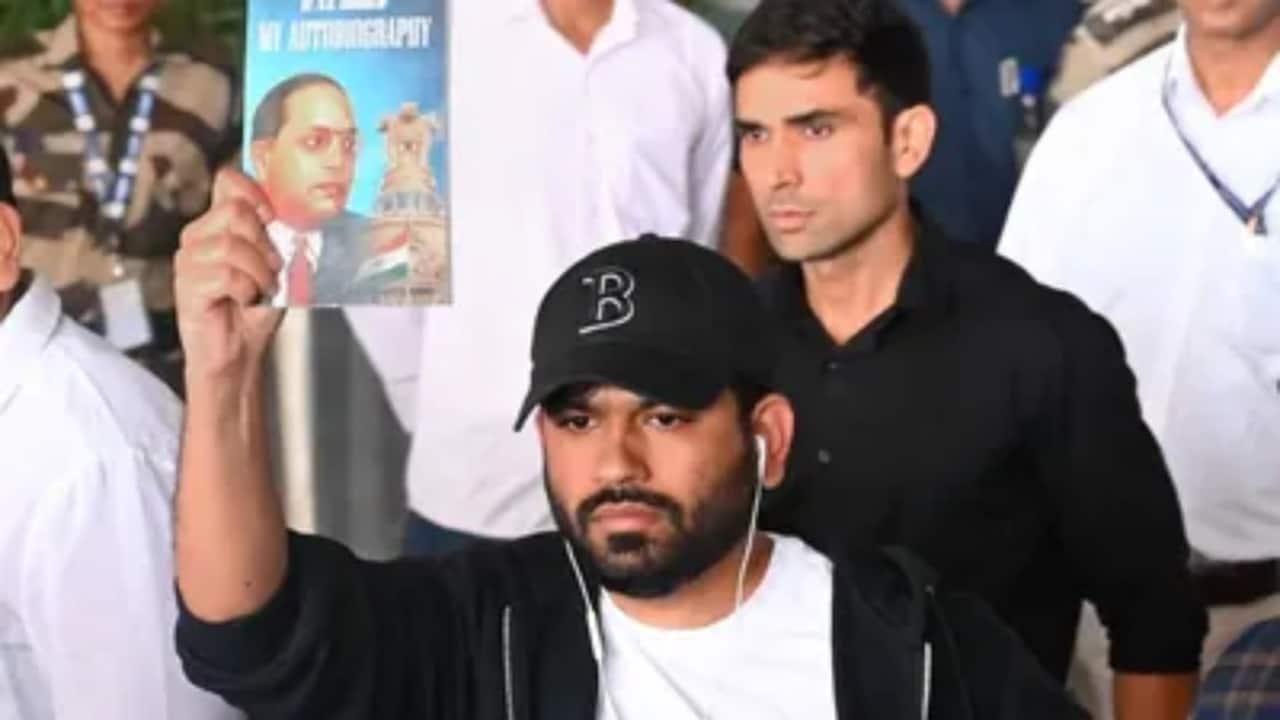
The recent Jaipur protest has garnered significant attention as demonstrators voiced their anger over the alleged NEET paper leak and the pressing issue of unemployment. Activists claimed that the current BJP government has fallen short in providing accountability and preventing examination irregularities, which have left many students anxious about their futures. Among the prominent figures present, Abhijeet Dipke, the founder of the Cockroach Janta Party (CJP), became a focal point when he was incidentally assaulted while being lifted by supporters. The protest not only emphasized the demand for action against the alleged paper leak but also highlighted the broader implications of rising unemployment across the country. As tensions mount, the CJP news surrounding this incident has sparked discussions on the need for systematic reforms in the education sector.
In the heart of Rajasthan, the recent rally in Jaipur stands as a testament to the frustrations surrounding the integrity of academic evaluations and job scarcity. This gathering of concerned citizens reflects a widespread discontent with the governing authorities, specifically the BJP administration, as protesters seek reassurances that similar irregularities in examination processes will be effectively managed. The incident during the rally, involving activist Abhijeet Dipke, only underscores the urgency and volatility surrounding these essential topics. With calls for greater transparency and action against the backdrop of a NEET exam scandal, the dialogue surrounding these issues continues to gain prominence. Unemployment protests like this serve as a critical reminder of civic engagement in the fight for governmental accountability.
The Jaipur Protest: A Call for Accountability
The Jaipur protest, spearheaded by Abhijeet Dipke and supported by numerous citizens, highlights growing discontent towards the government’s handling of key issues like unemployment and educational integrity. Demonstrators expressed their frustration over the alleged NEET paper leak, which many believe demonstrates systemic failures in the current examination framework. As the crowd chanted for justice, the atmosphere thickened with demands for accountability, particularly directed towards the BJP-led government, which has faced criticism for not addressing these pressing issues effectively.
During the protest, an unexpected and violent altercation ensued when Dipke was assaulted while being carried by supporters, manifesting the raw emotions and tensions brewing among the protesters. This incident has drawn further attention to the grievances voiced by the demonstrators about unemployment and the integrity of academic evaluations. As the investigations into the NEET paper leak continue, the protest has become a pivotal moment for the Cockroach Janta Party (CJP) and its followers, emphasizing their unwavering stance on demanding transparency and responsibility from their elected officials.
Understanding the NEET Paper Leak Controversy
The NEET paper leak controversy has raised alarming questions about the integrity of the education system in India. Parents and students alike are concerned that such incidents undermine the credibility of the examination process, affecting the future of countless aspiring medical students. The protest in Jaipur served as a vital platform for discussing these irregularities, creating a space for stakeholders to express their demands for reform. Many protesters highlighted that the failure to secure academic evaluations is reflective of broader issues within the education sector, contributing to a growing mistrust in the government.
Abhijeet Dipke, the founder of CJP, has passionately called for a comprehensive investigation into the alleged leak and stricter measures to ensure that such breaches do not occur again. His leadership during the Jaipur protest invigorated the movement, galvanizing citizens who feel their futures are at stake due to the government’s inaction and mismanagement. The frustrations over repeated systemic failures resonate strongly, with many citizens vowing to hold their representatives accountable, particularly as the unemployment rate remains a pressing concern in the country.
Unemployment Protests: Echoing the Voices of the Youth
Unemployment is a pressing issue that has driven many young individuals to take to the streets in protests across India, including the significant rally in Jaipur. The demonstrators, led by voices like Abhijeet Dipke, are not just standing against purported examination leaks but are also raising concerns over the lack of job opportunities for youth graduates. With the job market becoming increasingly competitive, protesters demand more robust governance that prioritizes employment generation over ineffective policies.
The impact of unemployment is particularly severe on the younger generation; many feel disillusioned as the promises made by political leaders remain unfulfilled. The Jaipur protest thus serves as a crucial moment for the youth to express their discontent and seek answers from the BJP government regarding their accountability in job creation. As the movement grows in strength, it reflects a collective demand for reform, urging the government to pivot its focus towards sustainable employment initiatives and educational integrity.
The Role of Political Accountability in Protests
At the heart of the Jaipur protest is a clarion call for political accountability, with demonstrators specifically targeting the BJP-led government. Activists, including Abhijeet Dipke, assert that transparency should be the bedrock of governance, especially concerning critical issues like education and employment. The protesters are advocating for a reevaluation of policies and decision-making processes that have led to the current crisis surrounding the NEET paper leak and job scarcity.
Highlighting government accountability, the CJP has positioned itself as a key player in challenging the status quo. The protesters’ demands extend beyond mere retribution for the paper leak; they wish to see systemic changes that prevent such issues from recurring. This protest is not merely a reaction to an isolated incident but rather a representation of widespread dissatisfaction with governance that neglects to prioritize the educational and economic welfare of its citizens.
The Impact of Protests on Policy Reform
Protests like the one in Jaipur have historically played a significant role in catalyzing policy reform in India. By gathering thousands of voices in unified support for a cause, protest actions can draw national attention and pressure government officials to act. The outcry regarding the NEET paper leak and unemployment is emblematic of the larger demand for reform within the educational and job-creation sectors. When citizens organize and voice their concerns, they create a framework for potential legislative changes.
Abhijeet Dipke and the CJP’s efforts to highlight issues through protest may provide the necessary impetus for lawmakers to revisit and revise existing policies. The protests are not only a manifestation of anger but also an organized approach to instigate change. Policymakers cannot ignore the collective demands of their constituents, and mounting pressure can often lead to necessary reforms that hold the government accountable to the people.
Youth Empowerment Through Civic Engagement
The engagement of youth in protests like that in Jaipur illustrates a rising trend of civic activism among younger generations. As they actively participate in movements advocating for their rights and futures, young people are becoming increasingly aware of the power they wield when united for a common cause. The current climate, with its myriad of challenges—from unemployment to educational integrity—calls for youth involvement, demanding engagement not only in protests but also in political discourse.
Abhijeet Dipke’s role in empowering youth to mobilize over such critical issues emphasizes the need for them to be involved in shaping policies that directly impact their lives. These protests inspire a generation to take ownership of their civic rights, understand the significance of advocacy, and ultimately work towards a more accountable and responsive government. The future of India rests on the participation of its youth, and movements like the one in Jaipur are an essential part of fostering that empowerment.
The Future of Education in the Aftermath of the Protest
The aftermath of the Jaipur protest is poised to influence the future of education in India significantly. As discussions continue around the NEET paper leak and the failures of examination systems, there is an urgent need for policy reforms that address these serious concerns. Stakeholders, including educational institutions and government bodies, must collaborate to ensure that the integrity of educational assessments is fortified and that students can rely on a fair examination process.
Furthermore, the protest has amplified calls for the government to invest in educational infrastructure and training programs to mitigate unemployment. Abhijeet Dipke’s leadership reminds us that accountability in governance must extend to education, emphasizing the necessity for a system that not only provides robust academic opportunities but also equips students with the skills needed in the job market. The collective demand from protests will undoubtedly shape policies aimed at restoring faith in the educational framework.
Social Media’s Role in Mobilizing Protest Efforts
In today’s digital age, social media plays an integral role in mobilizing protests and disseminating information rapidly. The Jaipur protest, reflecting widespread grievances among youth, benefitted from platforms that allowed organizers to reach larger audiences. Abhijeet Dipke and other activists utilized these channels to raise awareness about the NEET paper leak and unemployment issues, igniting discussions that resonated beyond local boundaries. Social media, therefore, becomes a powerful tool in fostering civic engagement and can significantly influence public opinion.
Additionally, social media allows for real-time updates and the sharing of personal stories, making the protest’s message more relatable to a broader audience. Images and videos of demonstrators, as well as testimonials from those affected by the NEET paper leak, circulate quickly, enhancing solidarity among participants and sympathizers alike. This digital mobilization underscores the importance of maintaining momentum in advocating for reform and accountability, providing a platform where citizens can collectively voice their demands.
The Intersection of Politics and Education in India
The intersection of politics and education in India is increasingly becoming a focal point for protests and public discourse. The Jaipur protest exemplifies this convergence as demonstrators, led by Abhijeet Dipke, articulate grievances that touch on both political accountability and the integrity of educational assessments. The alleged NEET paper leak serves as a symbolic representation of broader systemic issues that affect not only the quality of education but also the political landscape, driven by unmet promises regarding employment and social welfare.
As political decisions directly influence educational policies, the protesters are effectively challenging the status quo and demanding a government that aligns its actions with the needs of its citizens. The call for accountability is not just about the present circumstances surrounding the NEET leak; it is also a demand for a future where education is safeguarded from political manipulation. This critical moment in Jaipur is indicative of a larger movement seeking to redefine the relationship between governance and education.
Frequently Asked Questions
What were the main issues addressed during the Jaipur protest led by Abhijeet Dipke?
The Jaipur protest, led by Abhijeet Dipke of the Cockroach Janta Party (CJP), centered around the allegations of NEET paper leaks and rising unemployment. Protesters accused the BJP government of lacking accountability in preventing examination irregularities and called for stronger measures to safeguard future examination processes. Following the protest, two individuals were detained as an investigation into the incidents was initiated.
| Key Points |
|---|
| Protest Location: Jaipur |
| Key Person: Abhijeet Dipke (CJP founder) |
| Reason for Protest: Allegations of NEET paper leak and unemployment |
| Event Details: Dipke was assaulted while being carried by supporters |
| Current Status: Two youths detained, investigation ongoing |
| Accusations: Protesters blame BJP-led government for failure to secure exams |
| Demands: Call for stronger safeguards against examination irregularities |
Summary
The Jaipur protest has emerged as a significant display of public discontent regarding the alleged NEET paper leak and ongoing issues of unemployment. Following the incident involving Abhijeet Dipke, founder of the Cockroach Janta Party, who faced violence amidst the chaos, the demonstrators voiced strong accusations against the BJP-led government, claiming negligence in safeguarding the integrity of educational examinations. With ongoing investigations resulting in the detention of two youths, this rally highlights the urgent need for reforms and more stringent measures to prevent such irregularities in the future. The passionate demands of the protesters underscore the collective frustration over government accountability and the need for genuine solutions to pressing issues affecting the youth.