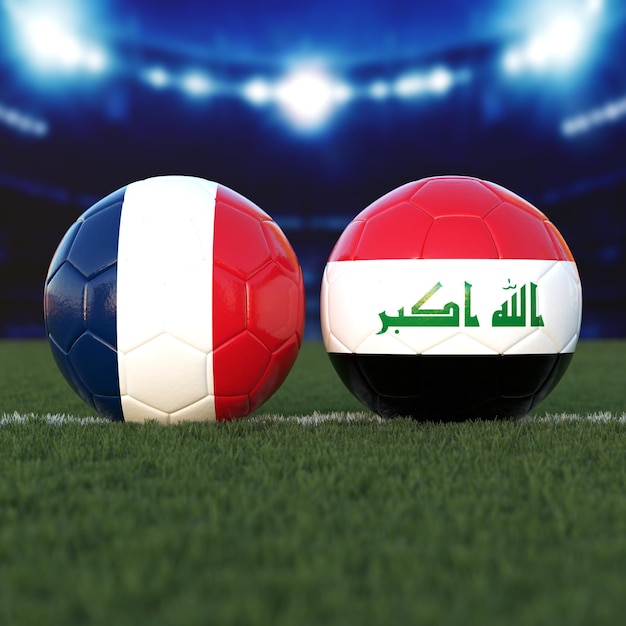
The FIFA 2026 World Cup is capturing global attention, especially after the drama unfolded during the match between France and Iraq, marking the tournament’s first weather-related delay. On June 22, 2026, a magnificent first-half goal from Kylian Mbappe put France ahead, but nature had different plans as severe thunderstorms and dangerous lightning in Philadelphia momentarily halted the action. Fans were advised to seek shelter, activating FIFA’s comprehensive severe weather protocols, demonstrating how the organization prioritizes safety while ensuring the spirit of the game remains alive. This unprecedented weather delay sparked discussions around the challenges of hosting such an important event, prompting inquiries into how weather can impact football matches and tournament schedules. As the world’s eyes remain glued to updates from the 2026 World Cup, the focus is now on how such events will influence the teams and their journeys through the tournament.
The upcoming 2026 World Cup, a prestigious international football tournament, has witnessed its first major disruption due to adverse weather conditions during a thrilling encounter between France and Iraq. This match marked a significant milestone in football history, as it was halted by severe thunderstorms and lightning, sparking conversations about the influence of nature on sporting events. Fans in Philadelphia were caught off guard as they navigated the unexpected challenges of inclement weather, while FIFA swiftly implemented safety protocols to protect players and spectators alike. Such incidents raise important questions about contingency measures in high-stake matches, highlighting the balance between excitement and safety in the beautiful game. As teams prepare for the rest of the tournament, all eyes will be on how weather can shape the dynamics of this historic competition.
FIFA 2026 World Cup Witnesses Historic Weather-Delayed Match
The FIFA 2026 World Cup has already made headlines, but no moment was more dramatic than when the match between France and Iraq on June 22, 2026, became the tournament’s first weather-delayed encounter. Severe thunderstorms and dangerous lightning in Philadelphia prompted FIFA officials to activate their weather protocols, leading to a necessary suspension of play. This unprecedented situation not only halted the match but also forced players, staff, and fans to seek shelter, marking a significant moment in football history where safety took precedence over the game.
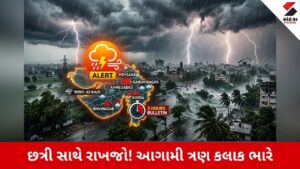
As the storm intensified, the sight of lightning illuminated the Philadelphia skyline, instilling both awe and concern among spectators. The governing body FIFA took immediate action, adhering strictly to their severe weather guidelines, which are critical to ensuring safety during such unpredictable conditions. Fans huddled under cover, some wearing ponchos, while waiting for updates on the match. This incident serves as a reminder that, in sports, safety is paramount, and the integrity of events like the FIFA World Cup can be challenged by natural forces.
Understanding FIFA’s Protocols for Weather Delays
When Mother Nature intervenes, FIFA has established a comprehensive protocol to handle weather-related disruptions during matches. In the case of the France vs Iraq match, the first step was to communicate the impending danger to all attendees, urging them to evacuate exposed areas of the stadium to mitigate risks from lightning and thunderstorms. This protocol is not only crucial for the protection of players and fans but also aligns with best practices in sports management to ensure events can adapt to unforeseen circumstances.
Once the severe weather alert was issued, officials closely monitored conditions to determine when it could be safe to resume play. The decision-making process was informed by meteorological data to assess the storm’s movements and intensity. FIFA’s commitment to player and fan safety underscores the importance of thorough planning, especially in large-scale events like the FIFA 2026 World Cup, where weather disruptions can affect not just the immediate match but also broader tournament logistics and scheduling.
Impact of Weather Delays on the FIFA World Cup Tournament
Weather delays can have a cascading effect on a large tournament like the FIFA World Cup, forcing organizers to reevaluate match schedules and logistics. For the fans who anticipated an exciting clash between France and Iraq, the thunderstorm was disheartening but necessary for safety. Such delays can create challenges for broadcasting and sponsorship, especially when unexpected interruptions alter the expected flow of the tournament.
Moreover, teams must stay mentally focused during these interruptions, which can disrupt their momentum and preparations for the match. Strategies may need adjustment when play resumes after such delays, as players grapple not only with the physical aspects of the game but with the psychological impact that comes with waiting out a storm. As seen in the 2026 World Cup, every match can pivot on these moments, influencing the tournament’s trajectory.
Significance of Lightning Safety in Football Matches
The occurrence of lightning during the France vs Iraq match highlighted the critical importance of safety measures related to severe weather in football. Lightning poses a serious hazard, and the protocols established by FIFA ensure that clear guidelines are in place to protect players and fans. Training for both on-field and venue staff includes understanding lightning safety protocols, allowing for quick and effective responses when needed.
In many regions, lightning strikes account for numerous injuries annually, hence why football associations worldwide are prioritizing education on the risks associated with inclement weather. The FIFA 2026 World Cup’s approach to handling lightning emergencies sets a precedent, reinforcing the need for continuous updates to safety policies and protocols to adequately protect all participants in the game.
Fan Experience During Weather Delays at the FIFA World Cup
When severe weather hits, the fan experience can be significantly impacted. During the long-awaited match between France and Iraq, the unexpected storm turned what should have been a thrilling game into an anxious wait for spectators. Fans found themselves hunkered down, exchanging stories of past matches and sharing frustrations over the storm while utilizing social media to keep informed about updates on the match’s status.
However, such weather delays also create unique moments of camaraderie and resilience among fans. Many took to social media platforms to express their solidarity and excitement for the World Cup despite the unfortunate circumstances. This sense of community, sparked by shared experiences during the storm, exemplifies the power of sports in bringing people together, even amid sudden interruptions.
Revisiting Match Preparations Prior to Severe Weather
Preparations for major tournaments like the FIFA 2026 World Cup go beyond just team training; they also encompass strategies for handling potential weather events. With the history of thunderstorms affecting sporting events across the globe, organizers must be vigilant, ensuring that contingency plans are in place before a match kicks off. The build-up to the contested game between France and Iraq was marked by an awareness of weather forecasts that indicated possible storms.
The realization that preemptive measures could mitigate disruptions made the organizers prepared for an unexpected weather scenario. From ensuring adequate shelter for fans to coordinating with emergency services, the planning process for matches involves multiple layers of safeguards. Such proactive approaches not only enhance the experience for attendees but also highlight FIFA’s dedication to delivering a memorable and safe World Cup.
The Role of Meteorology in Professional Sports Events
The unpredictable nature of weather underscores the critical role meteorology plays in the planning and execution of professional sports events. For tournaments like the FIFA 2026 World Cup, accurate and timely meteorological data can have a profound impact on decision-making processes. The lightning that prompted the suspension of play in the match between France and Iraq serves as a vivid example of how vital this information is in preventing potential tragedies.
Operations teams rely on advanced forecasting to inform their protocols for severe weather events, underscoring the need for collaboration between sports organizations and meteorologists. Knowing when to delay or reschedule matches can preserve not only athlete safety but also the integrity and success of the World Cup.
Analyzing Player Performance Post-Delay
The dynamics of a football match can shift dramatically after a weather-induced delay, as seen during the FIFA 2026 World Cup encounter between France and Iraq. Players must readjust not only physically but mentally to return to competitive form after interruptions. This is particularly challenging following long delays, where the pace of the game can be altered, and players often find their rhythm disrupted.
Teams that effectively address these challenges with strategies to refocus and reinvigorate their athletes tend to have a competitive edge. The ability to reassess tactics and maintain strong communication among players can yield positive outcomes, even when returning to the field under contrived circumstances. Coaches’ adaptability after weather delays may well determine a team’s success in the tournament.
Future Implications of Weather Management in Football
As climate change continues to affect weather patterns globally, the impact on sports, including football, necessitates innovative solutions and strategies for management. The unprecedented weather delay experienced during the FIFA 2026 World Cup match between France and Iraq signifies a potential need for reevaluation of current protocols. FIFA and similar organizations may enhance their engagement with meteorological scientists to develop more robust forecasting systems.
Looking ahead, the impact of severe weather on major football events will likely drive more advanced technologies and protocols aimed at safeguarding matches. Proactive measures, such as real-time updates and improved communication systems, may become standard practice, ensuring that all stakeholders are informed quickly and efficiently should weather disrupt the game.
Frequently Asked Questions
How did the weather delay affect the FIFA 2026 World Cup match between France and Iraq?
The FIFA 2026 World Cup match between France and Iraq was interrupted due to severe thunderstorms and lightning in Philadelphia. This marked the first weather-related suspension of the tournament. FIFA’s safety protocols were activated, leading to players and fans being instructed to seek shelter for their safety. The disruption was anticipated before the match, and it raised concerns about how weather delays could impact the tournament schedule.
| Event | Details |
|---|---|
| Match | France vs Iraq (Group I) |
| Date | June 22, 2026 |
| Location | Philadelphia, USA |
| Incident | Severe thunderstorms and lightning forced a weather delay |
| Key Moment | Kylian Mbappe scored the first goal before the weather disruption |
| Protocol Activation | FIFA’s severe weather protocols were enacted to ensure safety |
| Impact on Spectators | Fans were advised to leave exposed seating areas |
| Tournament Implications | First weather-related suspension in FIFA World Cup 2026 history |
Summary
The FIFA 2026 World Cup witnessed a historic moment when the match between France and Iraq encountered severe weather, causing the first weather-induced delay in the tournament. On June 22, 2026, Philadelphia was hit by dangerous thunderstorms and lightning, succumbing to a dramatic pause in one of the most anticipated matches of the World Cup. As FIFA activated its stringent weather protocols, both players and hundreds of fans took shelter, highlighting the unpredictable nature of outdoor sports. Kylian Mbappe’s goal opened the scoring, with hopes high before the weather turned dangerous, altering the game’s momentum. This incident not only reinforced the necessity of such safety measures but marked a unique chapter in World Cup history, demonstrating that even the biggest sporting events must bow to nature’s power.