NEET exam monitoring plays a crucial role in ensuring the integrity and security of the National Eligibility cum Entrance Test (NEET) 2023. With advancements in technology, the examination process has evolved, incorporating AI in exams and sophisticated surveillance methods. The deployment of CCTV surveillance NEET across 138,560 cameras nationwide exemplifies this commitment to transparency and safety. Additionally, biometric verification has become a standard practice to authenticate candidates and prevent impersonation. As the examination authority coordinated efforts with around seven lakh officials, this comprehensive approach showcases the significance of maintaining exam security during one of the most critical stages in a medical aspirant’s career.
Oversight of the NEET examination signifies a multi-layered strategy for maintaining testing integrity. This comprehensive supervision utilizes a blend of advanced technological innovations and traditional monitoring techniques to safeguard the examination process. In this context, continuous surveillance, including AI systems and biometric identification, ensures that the examination environment remains secure. Moreover, the collaborative effort involving various governmental entities and security personnel underscores the importance of a well-coordinated response in tackling potential irregularities. Hence, the framework surrounding the implementation of the NEET exam not only facilitates a fair assessment but also fortifies the trust of candidates and stakeholders alike.
Understanding NEET Exam Monitoring
Exam monitoring for the NEET (National Eligibility cum Entrance Test) has taken a revolutionary turn with the introduction of advanced surveillance technology and systematic organization. The National Testing Agency (NTA) has implemented a comprehensive exam security protocol to ensure a smooth examination process for candidates across various jurisdictions. By utilizing over 138,000 CCTV cameras strategically positioned at NEET exam centers, authorities can maintain a watchful eye and mitigate any possible distractions or malpractices during the examination. This rigorous surveillance infrastructure not only protects the integrity of the examination but also provides candidates with the reassurance that they are part of a monitored and fair process.
An essential aspect of NEET exam monitoring includes the integration of AI technology, supporting the work of human observers. The combination of human oversight and AI algorithms enhances the capability to detect anomalies in real-time. AI can analyze vast amounts of video footage from the CCTV surveillance feeds and alert the human monitors to any suspicious activities instantly. This dual approach allows for immediate action, crucial in maintaining discipline and preventing any unfair means or breaches. The meticulous coordination ensures that the NEET exam process remains transparent and genuinely competitive, aligning with the quality standards expected from a national-level examination.
The Role of AI and Biometric Verification in NEET
Artificial Intelligence (AI) plays a pivotal role in transforming the examination landscape, especially in high-stakes tests like NEET 2023. The NTA’s strategy leverages AI tools to monitor exam conditions comprehensively, ensuring that each candidate’s integrity is preserved. By deploying sophisticated algorithms, the NTA can identify irregular behaviors that may suggest cheating, allowing staff to intervene when necessary. This advanced monitoring system has brought a level of precision to exam security that was unattainable in previous years.
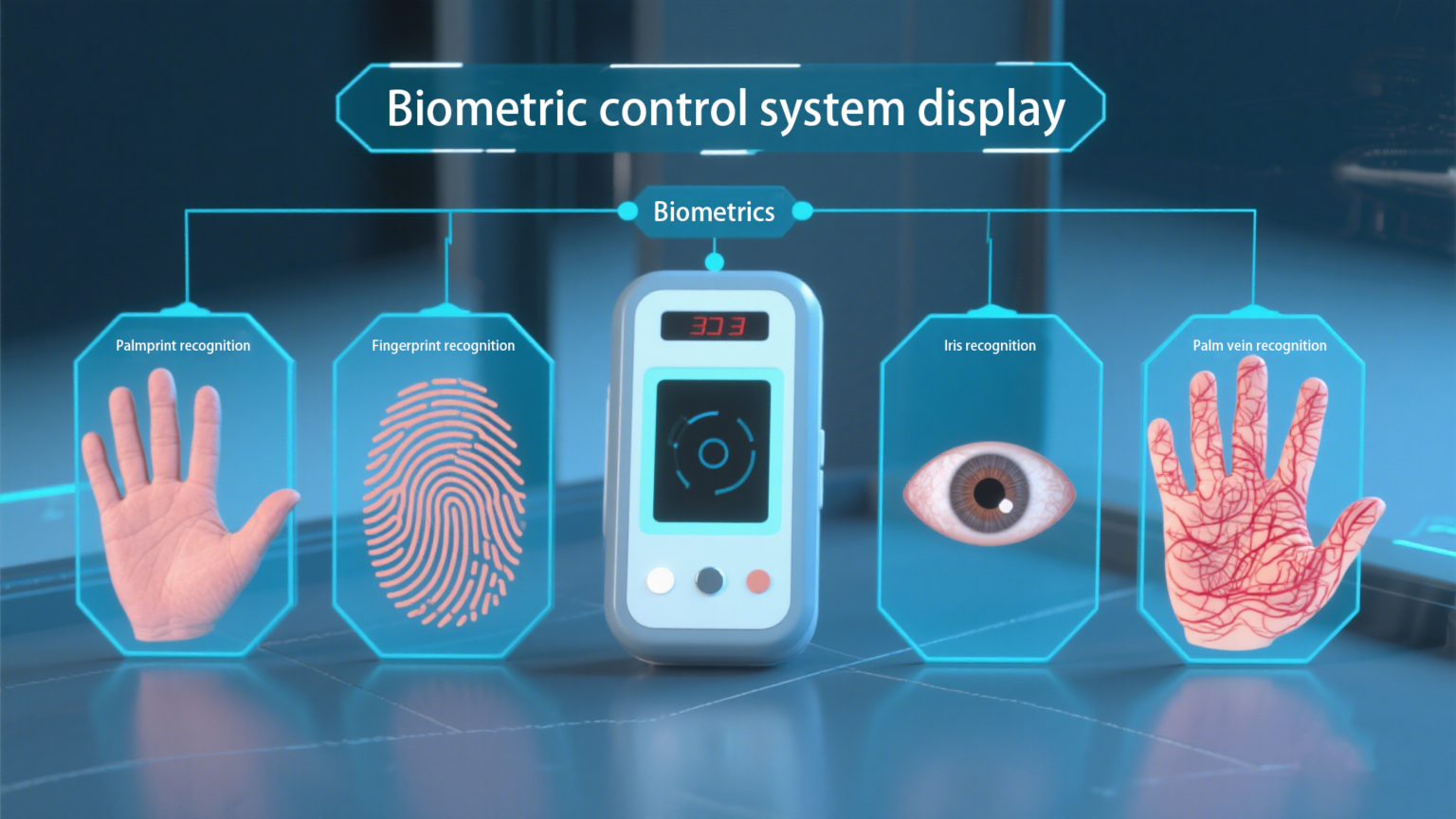
Biometric verification further strengthens the authenticity of the NEET examination process. Prior to entering their exam rooms, candidates undergo biometric assessments, which include fingerprint and facial recognition checks. This process not only confirms their identity but also ensures that each candidate appears personally to undertake the exam, thereby eliminating proxy test takers. Such detailed verification steps exemplify how the combined strength of AI technology and biometric measures preserves the sanctity of the NEET exam, fostering a more equitable environment for all participants.
CCTV Surveillance and Its Impact on NEET
The deployment of CCTV surveillance has significantly impacted the way NEET examinations are conducted. With around 138,560 cameras installed across various testing centers, the NTA has established a robust framework that prioritizes security and transparency. Each camera feeds uninterrupted footage back to a central control room, enabling real-time monitoring by a dedicated team of observers. This widespread surveillance ensures that irregularities and potential cheating attempts can be detected promptly, preserving the examination’s integrity and fairness.
The advantages of implementing such an extensive CCTV surveillance setup are manifold. It not only acts as a deterrent against malpractices but also fosters a sense of accountability among both candidates and examination staff. Knowing that they are under constant surveillance encourages candidates to adhere strictly to the rules and guidelines set forth by the NTA. Moreover, it provides an extra layer of reassurance to the candidates that they are competing in a tested and fair environment, as the exam authorities take necessary measures to safeguard the examination’s reputation.
Team Bharat: A Collective Effort
The organization of the NEET examination, dubbed ‘Team Bharat’ by the NTA, showcases the high level of collaboration required to conduct such a crucial national test. Comprising around seven lakh officials from various sectors, this collective effort reflects a significant commitment to uphold exam security and efficiency. The integration of police forces, observers, examination staff, and technical experts reinforces a comprehensive support system, ensuring that every aspect of the examination is methodically managed.
The diverse backgrounds of Team Bharat participants bring together a wealth of experience and expertise, instrumental in executing the NEET exams effectively. This coordinated effort emphasizes the importance of teamwork in administrative tasks, such as setting up exam centers, ensuring safety protocols are followed, and monitoring operations throughout the exam day. By establishing a united front, the team cultivates an environment where each individual’s contribution is valued, ultimately facilitating a smoother examination experience for candidates.
Enhancements in NEET Security Protocols
With the increasing importance of maintaining exam integrity, the enhancements in NEET security protocols have made significant strides towards safeguarding the examination process. These measures include on-site security personnel who monitor candidates as they enter and exit the examination hall, enhancing the physical security of the venues. In turn, this increased presence bolsters the confidence of the candidates, creating a professional and serious atmosphere conducive to focusing on their exam.
Moreover, these security protocols have evolved to encompass technological advancements like biometric verification systems, which ensure that only registered candidates access the examination rooms. This leap forward not only simplifies the identification process but also acts as a robust defense against impersonation attempts. As NEET becomes more competitive, implementing stricter security protocols continues to play a vital role in fostering a fair testing environment for all aspirants.
The Future of NEET with AI Innovations
The future of the NEET examination is increasingly intertwined with AI innovations that promise to enhance not just the monitoring process but the overall examination experience for candidates. The integration of data analytics into exam monitoring allows for an understanding of patterns and trends, which can inform future testing strategies and improve security measures. Such foresight will enable the NTA to adapt to emerging challenges, setting a precedent for how national exams can leverage technology for the benefit of all stakeholders.
Moreover, the evolution of AI in education is set to create more personalized and adaptive testing environments. As AI technology progresses, it could potentially allow for tailored exam experiences that accommodate individual learning styles while upholding rigorous standards. This future vision of NEET, driven by innovation, would redefine how assessments are designed, ensuring they meet the needs of a diverse range of medical aspiring students effectively.
Addressing Concerns Regarding NEET Exam Surveillance
Despite the significant advantages surveillance measures bring to the NEET exam, concerns have emerged regarding privacy and the extent of monitoring. Critics argue that while exam security is crucial, there must be a balance between surveillance and respecting the rights of candidates. The NTA has stated that the monitoring systems are in place solely for ensuring fair conduct during the examination and that all measures comply with regulations to protect candidate privacy. It is essential for the authorities to communicate and clarify these boundaries to reassure candidates about their rights.
Moreover, the transparent dissemination of information regarding how recorded surveillance footage is handled and what protocols are in place for data protection can help build trust. By clarifying the purpose and procedures surrounding NEET exam surveillance, the NTA can quell apprehension and engage candidates more positively. This open dialogue will ensure candidates feel secure while retaining confidence in the exam process, demonstrating the commitment of the administration to both security and candidate welfare.
The Importance of Fair Play in NEET Examination
The NEET examination serves as a pivotal gateway for numerous aspiring medical students in India, thus highlighting the necessity for fair play throughout the testing process. Ensuring a level playing field is paramount to the credibility of the examination; hence, a multifaceted approach involving dynamic security measures and stringent monitoring systems is fundamental. As more candidates vie for limited medical seats, the integrity of the exam must remain undisputed, reinforcing the significance of regulations that guard against malpractices.
By investing in comprehensive monitoring strategies, such as the amalgamation of robust AI systems and human oversight, the NTA strives to uphold the principles of fairness and equality in the NEET exam. It is crucial for candidates to trust that their results are reflective of their capabilities and efforts. This unwavering commitment to ensuring fair play not only determines assessment outcomes but also shapes perceptions of the examination’s legitimacy within both the medical community and society at large.
The Role of Technology in Modernizing NEET
The modernization of the NEET examination is heavily reliant on technology, which is transforming both the way exams are monitored and how students prepare for them. The introduction of AI, biometric verification, and extensive surveillance measures has redefined standard procedures typically associated with examinations. These technological advancements not only enhance the security of the NEET exam but also promote a more engaging and organized experience for candidates. As technology continues to advance, it holds the potential to revolutionize the examination landscape in myriad ways.
In the context of NEET, embracing technology also entails utilizing digital platforms for preparation and resources, enabling prospective candidates to access vast repositories of study materials and practice tests. This accessibility democratizes information flow and empowers students from various backgrounds to prepare effectively. By marrying technology with examination processes, the NEET continues to evolve, ensuring relevance in a rapidly changing educational landscape.
Frequently Asked Questions
How does NEET exam monitoring ensure exam security?
NEET exam monitoring utilizes a multifaceted approach to ensure exam security. With around 138,560 CCTV cameras deployed across numerous centers, the National Testing Agency (NTA) employs AI tools to enhance surveillance. Observers monitor feeds to detect unusual activities, while biometric verification systems confirm the identity of each candidate. This combination of human oversight and advanced technology creates a robust framework that minimizes the risk of malpractices during NEET 2023.
| Key Point | Details |
|---|---|
| NEET War Room Operations | The NTA set up operations at its Okhla headquarters to monitor NEET-UG exam centers. |
| Observers and AI Tools | Approximately 250 observers utilized AI tools for real-time monitoring of exam rooms, tracking biometric verification, and handling alerts. |
| CCTV Coverage | 138,560 CCTV cameras were installed across exam centers for surveillance. |
| Team Bharat | A collaborative effort of approximately 700,000 officials from various sectors including police and exam staff. |
| Security Measures | Two invigilators were assigned per room, with 40 to 50 security personnel at each center. |
Summary
NEET exam monitoring encompasses a comprehensive strategy highlighting the role of advanced surveillance and collaboration among numerous officials. The NEET War Room demonstrated the integration of artificial intelligence with human oversight through the monitoring of exam centers, ensuring the integrity of the examination process. With a vast network of observers supported by state-of-the-art technology, the NTA implemented rigorous security measures across the nation and abroad. This efficient operation reflects a robust response to safeguarding the fairness of the NEET-UG examination, ensuring candidates can undertake their assessments under secure and monitored environments.