

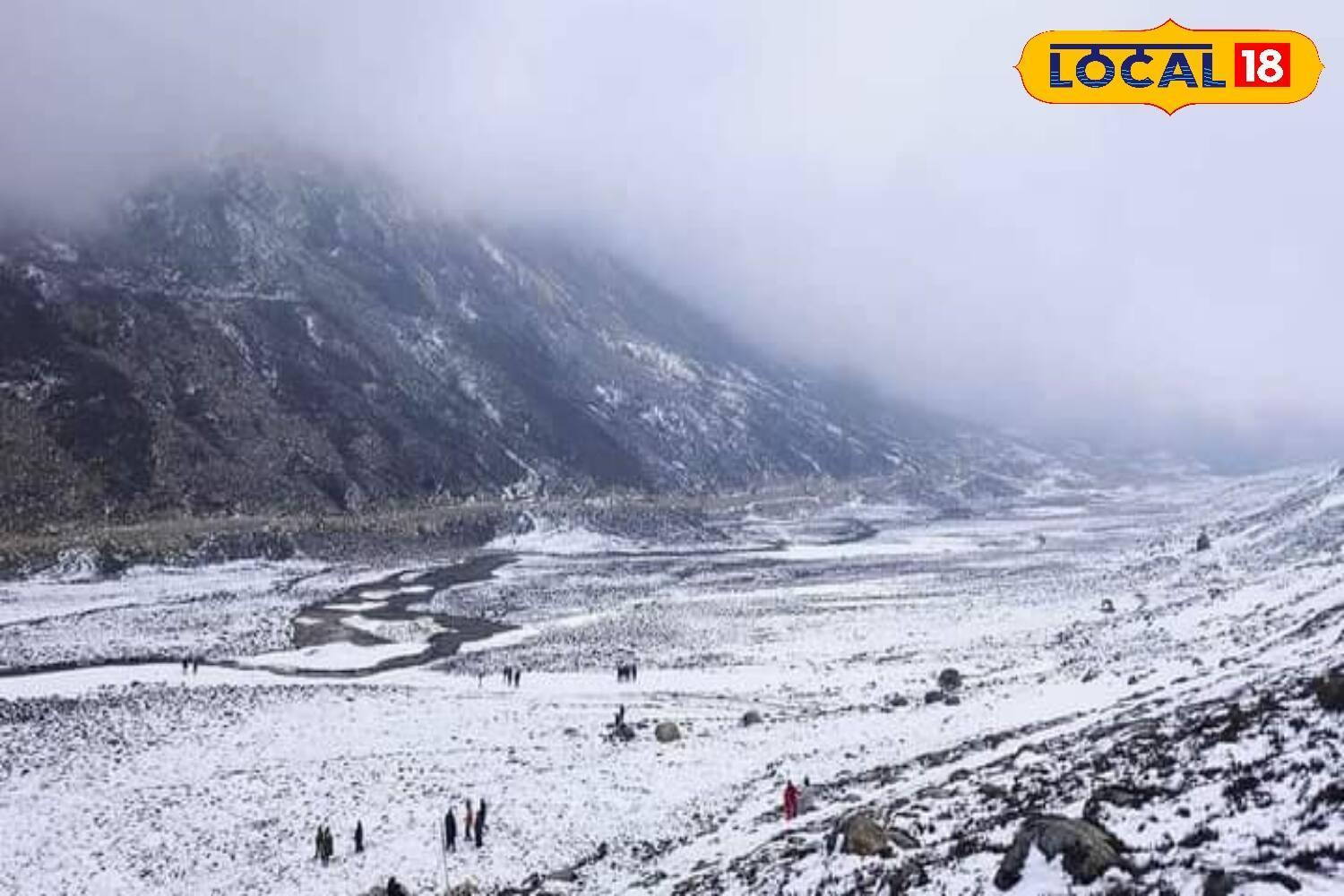
The Gyalshing Legship road serves as a vital artery for West Sikkim, facilitating essential transportation and connectivity for residents and services alike. However, recent events have left this critical route impassable, as torrential rains triggered severe landslides, resulting in significant roadblocks that have drawn the attention of local and West Sikkim news outlets. In just 24 hours, Gyalshing experienced an astounding 95.2 mm of rainfall, leading to tumultuous conditions that brought traffic to a standstill due to tons of mud and massive boulders tumbling onto the roadway. As emergency efforts launch to clear the debris and restore access, the troubling reality of Sikkim’s monsoon floods is starkly highlighted. The ongoing challenges surrounding Gyalshing traffic news show just how critical infrastructure maintenance and disaster preparedness are for this mountainous region.
In light of the recent disruptions, the primary passage connecting the towns of Gyalshing and Legship has faced significant challenges due to landslide incidents during the monsoon season. Torrential rains have led to roadblocks and accessibility issues, compelling local authorities and residents alike to confront the reality of infrastructural vulnerability during seasonal flooding. The Gyalshing-Legship corridor not only supports everyday commute but also plays an indispensable role in delivering goods and emergency services, making its impassability a pressing concern for the community. Continuous monitoring and improvement of the road’s resilience to natural disasters remain paramount, especially given the historical context of Gyalshing landslides during heavy rains. Addressing these issues is crucial for enhancing the safety and reliability of this important transport route.
The Impact of Monsoon Rains on Gyalshing-Legship Road
The Gyalshing-Legship road has become a critical focus for local authorities and residents, especially during the monsoon season. Torrential rains, such as those recently recorded in Gyalshing, can lead to devastating landslides, as seen with the 95.2 mm of rainfall in just 24 hours. These landslides have the potential to completely block the road, thereby isolating the West Sikkim district from vital resources and emergency services. Each monsoon brings an escalating risk of roadblocks, making the transportation corridor treacherous for commuters and essential for logistics.
Local officials are acutely aware of the challenges posed by such weather conditions. District Magistrate Tenzing Denzongpa noted that the most severe landslide occurred near Omchung, significantly impacting traffic flow. With the Gyalshing-Legship road serving as the primary lifeline for the area, these meteorological challenges necessitate immediate attention and regular monitoring to ensure the safety of residents and maintain connectivity across the region.
Challenges Faced During Landslide Recovery
Recovering from landslides on the Gyalshing-Legship road poses significant challenges for response teams. After the recent blockages, local authorities quickly dispatched excavators to clear the debris, working through harsh conditions. The difficult aspect of recovery operations is not only removing mud and boulders but also ensuring the ongoing safety of the region’s most important access routes. Factors such as continual rainfall can complicate recovery efforts, leading to ongoing roadblocks in Sikkim.
Moreover, residents are frequently left in dire straits during these incidents. The lack of alternative routes exacerbates the situation, limiting the movement of essential goods and emergency services. As Sagar Sharma, a Zilla Panchayat member, pointed out, this recurring issue is raised during DISHA Monitoring Committee meetings, yet permanent solutions for road restoration have yet to materialize. This ongoing vulnerability highlights the need for enhanced infrastructure resilience and effective mitigation measures.
Understanding Gyalshing Landslides
The occurrence of landslides in the Gyalshing area is closely tied to geographical and climatic factors that characterize Sikkim. The state’s steep terrain and heavy monsoon rainfall create a perfect storm for such natural disasters. Regions like Gyalshing are particularly susceptible, as heavy precipitation leads to the saturation of soil and increased slope instability. The resulting landslides can cause widespread disruption, making it imperative that residents and local authorities understand the underlying causes.
In light of increasing incidences of landslides, it’s essential to develop comprehensive risk assessment strategies. Understanding where and why these landslides occur allows for better preparedness and response plans. The continuing pattern of heavy rainfall and resulting roadblocks serves as a reminder of the need for developing infrastructure that can withstand such natural forces while also improving early warning systems and public awareness programs.
West Sikkim News: Community Response to Infrastructure Challenges
Communities in West Sikkim have been known to show remarkable resilience in the face of infrastructure challenges posed by natural disasters like the recent landslides on the Gyalshing-Legship road. Following reports of severe blockages, community members often band together to assist in clearing debris, providing immediate relief to those impacted. The sense of solidarity during such crises emphasizes the importance of community-driven initiatives in response to infrastructure failures.
Furthermore, awareness campaigns have begun to emerge, focusing on educating residents about landslide risks, emergency preparedness, and the importance of reporting early warning signs. Local leaders advocate for greater governmental support and investment in permanent solutions to mitigate the effects of landslides, emphasizing that community engagement is crucial in promoting safety and preparedness in West Sikkim.
The Need for Sustainable Infrastructure in Sikkim
The ongoing issues surrounding the Gyalshing-Legship road highlight a significant gap in infrastructure sustainability in Sikkim. Frequent landslides reveal the inadequacy of current infrastructural measures, calling for a reevaluation of construction practices and mitigation strategies. Investing in sustainable infrastructure not only enhances longevity but also provides communities with reliable access routes that can withstand the test of time and nature’s challenges.
Local representatives argue that implementing long-term engineering solutions and regular maintenance routines is essential to prevent future roadblock scenarios. By focusing on eco-friendly designs that harmonize with Sikkim’s unique geophysical characteristics, it is possible to reduce the frequency and severity of landslides, ultimately benefiting the entire region’s socioeconomic stability.
Mitigation Measures for Future Landslide Risks
In light of the recurring landslides affecting the Gyalshing-Legship road, there is a pressing need for robust mitigation measures to safeguard communities in West Sikkim. These measures might include improved drainage systems, vegetative barriers, and the construction of retaining walls that can help stabilize slopes. The implementation of these strategies is crucial, as they can significantly affect the ability to manage heavy rainfall without enduring severe roadblock scenarios.
Engagement with local communities in the development of these measures ensures that the specific needs and historical data regarding landslide occurrences are cohesively integrated into the planning process. By developing a more informed approach to mitigation, authorities can enhance preparedness and resilience against monsoon floods and associated landslides, ultimately reducing future incidents and improving Sikkim traffic news.
Impact of Monsoon Floods on Local Transportation
Monsoon floods pose a significant threat to local transportation networks in Sikkim, especially the Gyalshing-Legship road, which is pivotal for community connectivity. The impact of severe weather patterns is evidenced by frequent disruptions caused by landslides, which can isolate entire regions and disrupt essential services. When roads are blocked, it becomes exceedingly difficult for residents to access healthcare or for essential supplies to reach local markets.
Additionally, these transportation challenges can lead to economic setbacks for local businesses, further complicating recovery efforts in the aftermath of monsoon floods. The community must work with authorities to develop contingency plans that address both transportation needs and the potential economic ramifications of prolonged road closures. Such collaboration can foster resilience and ensure that the community is better prepared to face future disasters.
The Role of Local Government in Disaster Management
Effective disaster management plays a critical role in the response to natural disasters like the ongoing landslides affecting the Gyalshing-Legship road. Local government officials, such as District Magistrate Tenzing Denzongpa, are essential in coordinating response efforts, providing timely information to residents, and implementing recovery measures. Their proactive involvement is vital in ensuring that communities receive the support they need during crises.
Furthermore, ongoing communication with the public regarding disaster risks and recovery progress is essential. Residents should feel informed and equipped to respond to emergencies, fostering a collaborative environment in which local governments and communities work together towards shared goals of safety and resilience. This partnership can improve the overall effectiveness of disaster management strategies in Sikkim.
Community Engagement and Education on Landslide Preparedness
Educating residents about landslide preparedness is essential in mitigating risks associated with the frequent landslides on the Gyalshing-Legship road. Community engagement programs can empower individuals by providing them with the knowledge of warning signs and recommended actions during such events. Local schools and organizations can play a pivotal role in spreading awareness, ensuring that young people are informed and capable of contributing to community safety.
In addition, workshops focused on emergency response, including first aid training and evacuation planning, can enhance community resilience. By fostering a culture of preparedness, communities in West Sikkim can create a safer environment for all residents, effectively reducing the impacts of natural disasters like the recent monsoon floods and associated landslides.
Frequently Asked Questions
What recent events have affected the Gyalshing Legship road in West Sikkim?
The Gyalshing Legship road has recently been blocked due to a series of landslides triggered by torrential rains. On June 24, Gyalshing recorded 95.2 mm of rainfall in just 24 hours, resulting in tons of mud and boulders falling onto the road and isolating the West Sikkim district headquarters.
How often do landslides occur on the Gyalshing Legship road?
Landslides occur frequently on the Gyalshing Legship road, particularly during the monsoon season. Local authorities have noted that at least three significant landslides affected the highway corridor recently, with ongoing discussions for permanent mitigation measures.
What impact do the Gyalshing landslides have on local traffic?
The Gyalshing landslides have severely impacted traffic, bringing movement to a standstill on the Gyalshing Legship road. With no alternative routes available, the roadblock has disrupted transport for passengers, essential goods, and emergency services in West Sikkim.
What measures are being taken to address the roadblock on the Gyalshing Legship road?
Following the blockage of the Gyalshing Legship road, excavators were dispatched to clear the debris caused by the landslides. Teams are working under challenging conditions to restore traffic flow and ensure safety for all travelers in West Sikkim.
Where are the most affected areas along the Gyalshing Legship road due to recent landslides?
The most severely affected areas along the Gyalshing Legship road include locations near Omchung, approximately two kilometers from Gyalshing town, and additional slides below this zone and near Legship, significantly impacting travel and accessibility.
How do the Sikkim monsoon floods affect the Gyalshing Legship road?
The Sikkim monsoon floods often exacerbate the situation on the Gyalshing Legship road, increasing the frequency and severity of landslides. This year, the record rainfall led to multiple landslides that blocked the road, highlighting the need for effective flood management and road safety measures.
What are local authorities saying about the Gyalshing traffic news following the landslides?
Local authorities, including District Magistrate Tenzing Denzongpa and Zilla Panchayat member Sagar Sharma, have expressed concern over the Gyalshing traffic situation, pointing out the recurring landslide issues and the necessity for comprehensive, long-term restoration solutions.
| Key Points | Details |
|---|---|
| Landslides Blocked Road | The Gyalshing–Legship road was blocked at multiple locations due to heavy rainfall. |
| Rainfall Amount | Gyalshing recorded 95.2 mm of rainfall in 24 hours. |
| Impact on Transportation | Traffic was halted, isolating West Sikkim district from the rest of the state. |
| Major Landslide Location | The most severe slide occurred near Omchung, 2 km from Gyalshing. |
| Efforts to Clear | Excavators were deployed to clear the debris but faced difficult conditions. |
| Regular Landslide Issues | Landslides occur annually during monsoon, but permanent solutions remain lacking. |
| District Importance | The road is crucial for passenger transport and delivery of essential goods. |
| Community Concerns | The blockade has raised worries among residents regarding access and safety. |
Summary
The Gyalshing Legship road is vital for connectivity in West Sikkim, yet it suffers from frequent landslides, particularly during the monsoon season. Recent torrential rains have once again blocked this crucial route, leading to significant disruptions in travel and transport. Despite ongoing discussions about potential solutions, the lack of permanent measures leaves the community vulnerable to future incidents. Addressing these issues is essential for ensuring the safety and accessibility of Gyalshing and its surrounding areas.



























