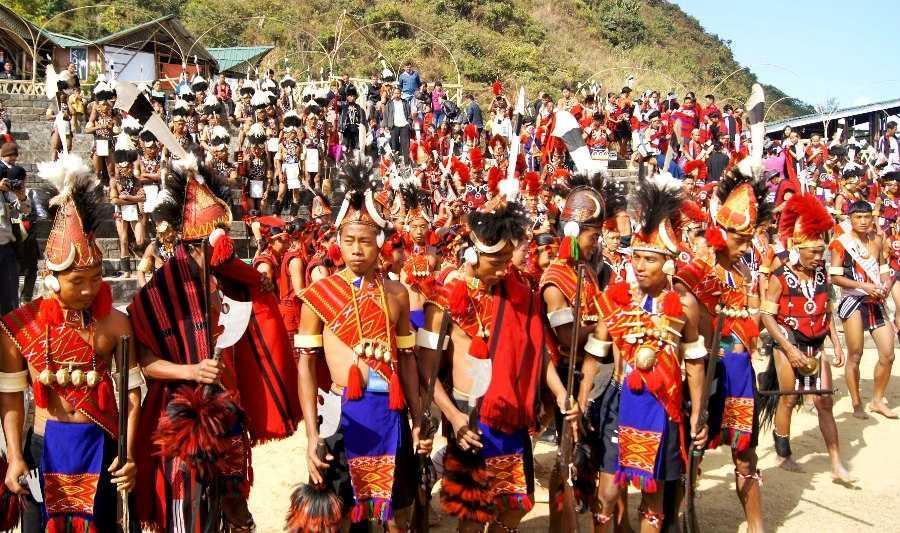
Nagaland indigenous identity is a vibrant tapestry woven from rich customs and traditions that reflect the unique heritage of the Naga tribes. This identity is pivotal to understanding the cultural fabric of the state, especially in the context of legal frameworks such as the Inner Line Permit (ILP) and Article 371A, which safeguard indigenous rights. The Chief Minister’s recent reaffirmation of commitment to uphold these safeguards underscores the importance of recognizing Naga customs and maintaining the integrity of village governance. With the 2027 Census on the horizon, it is crucial for residents to provide accurate demographic data to ensure the preservation of Nagaland’s indigenous identity. Enhancing community collaboration and proper documentation will not only protect this identity but also bolster the legal structures that support it.
The concept of indigenous identity in Nagaland encompasses a deep-seated connection to the land and cultural practices that have been passed down through generations. This identity is intricately linked to the governance mechanisms unique to Naga villages, where traditions dictate the certification of indigenous status. Moreover, significant legal provisions, such as the Inner Line Permit and special articles within the Indian Constitution, play a crucial role in defending these customs. With the upcoming 2027 Census, the state stands at a critical juncture where accurate representation of its population is essential in addressing indigenous rights. Emphasizing the significance of this identity not only fosters a sense of unity among the tribes but also ensures that their traditions and governance systems are preserved for future generations.
The Importance of Preserving Nagaland’s Indigenous Identity
Nagaland’s indigenous identity is a cornerstone of its cultural heritage, shaped by centuries of traditions and customs unique to the Naga tribes. The commitment to safeguarding this identity is enshrined in legal frameworks like Article 371A of the Indian Constitution. This provision empowers the Nagas to enforce their laws and customs, ensuring they retain control over their land, resources, and cultural practices. The state government, under Chief Minister Neiphiu Rio, emphasizes that preserving this identity is not just a cultural obligation but a crucial aspect of maintaining social harmony and unity within the diverse tribal communities.
Moreover, the implementation of the Inner Line Permit (ILP) serves as a vital mechanism to protect the rights of indigenous Naga people by regulating the entry of non-locals. This regulation seeks to guard against cultural dilution and preserve land ownership for the indigenous populace. By fostering a sense of ownership among the locals, the ILP becomes a pivotal tool in ensuring that Nagaland’s unique cultural identity continues to thrive amidst modernization and external influences.
Inner Line Permit: A Shield for Nagaland’s Customs and Traditions
The Inner Line Permit (ILP) operates as a protective barrier for Nagaland’s indigenous peoples, ensuring that traditional practices and customs are honored and preserved. Chief Minister Neiphiu Rio has highlighted the importance of aligning community efforts to bolster the implementation of the ILP. This initiative is crucial for maintaining the integrity of village governance systems, as it enables local councils to dictate the socio-political dynamics of their villages without external interference.
In the context of census exercises, the ILP becomes even more significant; it mandates careful documentation of non-local residents to prevent misrepresentation of indigenous status. As emphasized by Rio, the upcoming 2027 Census will play a pivotal role in accurately representing the population of Nagaland, which directly ties into the protections afforded by the ILP. By ensuring they uphold these regulations, Nagaland can better secure resources and opportunities that are justly allocated to its indigenous communities.
Frequently Asked Questions
What is the Inner Line Permit (ILP) and how does it protect Nagaland’s indigenous identity?
The Inner Line Permit (ILP) is a travel document required for non-indigenous individuals to enter Nagaland. This regulation, rooted in the Bengal Eastern Frontier Regulation of 1873, plays a crucial role in safeguarding the indigenous identity of the Nagas, helping to ensure that the customs and traditions of local communities are preserved from outside influences.
How does Article 371A benefit Nagas in preserving their customs and traditions?
Article 371A of the Indian Constitution provides special provisions for Nagaland, empowering the state to preserve and protect its indigenous customs, traditions, and village governance systems. This legal framework supports the state’s commitment to maintaining the unique identity and cultural heritage of the Naga people.
What role do village councils play in maintaining Nagaland’s indigenous identity?
Village councils in Nagaland are the governing bodies responsible for certifying who is considered indigenous in each village. By maintaining traditional governance practices that emphasize consensus over electoral systems, these councils help uphold the integrity of the Naga indigenous identity and ensure that customs and traditions are passed down through generations.
How will the Census Nagaland 2027 affect the preservation of indigenous identity?
The Census Nagaland 2027 will provide essential demographic data that can help in the planning and distribution of resources for the state’s indigenous communities. Accurate population figures are crucial for ensuring that government policies and support systems reflect the needs of the local population and help preserve Nagaland’s unique customs and cultural identity.
What measures are being taken to enhance the implementation of the Inner Line Permit (ILP) in Nagaland?
The state government is calling for stronger cooperation between various stakeholders, including village councils, to enhance the implementation of the Inner Line Permit. This involves ensuring proper documentation for non-local residents and preventing the misuse of indigenous status, thus reinforcing the protections afforded to Nagaland’s indigenous identity.
| Key Point | Details |
|---|---|
| Commitment to Indigenous Identity | Chief Minister Neiphiu Rio emphasized the government’s commitment to protecting Nagaland’s indigenous identity and customary laws. |
| Inner Line Permit (ILP) Implementation | Rio called for stronger implementation of ILP, urging cooperation from all stakeholders to prevent misuse of indigenous status. |
| Constitutional Safeguards | Article 371A and the Bengal Eastern Frontier Regulation, 1873, are crucial for preserving the Naga customs and governance. |
| Role of Village Councils | Village councils are responsible for certifying indigenous status, ensuring proper documentation of non-local residents. |
| 2027 Census Appeal | Accurate census data is essential for resource distribution and development planning; public cooperation is required. |
| Traditional Governance | Rio supports maintaining traditional village governance through consensus instead of elections to promote unity. |
| Multipurpose Building Inauguration | The new building symbolizes unity; it will host cultural, social, and community activities for all Nagas. |
| Youth Empowerment Initiatives | Rio encouraged youth to utilize government schemes for skill development and financial support for entrepreneurship. |
| Health Insurance Scheme | Over 1.7 lakh beneficiaries enrolled in the Chief Minister’s Health Insurance Scheme, emphasizing its importance for citizens. |
Summary
Nagaland indigenous identity is crucial for the state’s cultural integrity and social cohesion. The Chief Minister’s recent statements underline a strong dedication to preserving the unique customs and laws of the Naga people. By advocating for robust implementation of the Inner Line Permit and safeguarding traditional governance, the government aims to ensure the authenticity of Nagaland’s heritage. With an upcoming census and community projects like the multipurpose building, there is a significant focus on unifying diverse groups and empowering the youth, ultimately reinforcing the indigenous identity that is central to Nagaland’s future.