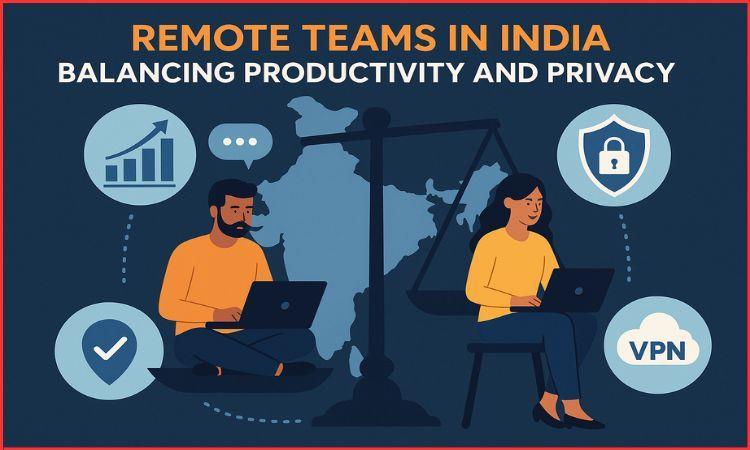
In recent years, India has emerged as a thriving hub for digital nomads, reshaping the very essence of a digital nomad lifestyle. With an estimated 1.7 million location-independent professionals, India ranks 11th globally in this vibrant community. Millennials and Gen Z are leading this movement, where remote work in India offers them the chance to break away from the traditional cubicle life and explore serene landscapes instead. This trend is not merely about changing locations; it’s about redefined success metrics and the pursuit of mental well-being. From the misty hills of Himachal Pradesh to the beaches of Goa, the allure of working remotely in India has become an attractive proposition for those seeking balance between their professional aspirations and personal serenity.
The evolution of modern professionals is witnessing a significant shift as they embrace the freedom that comes with a location-independent career. Often referred to as location-independent workers or millennial nomads, these individuals are breaking away from conventional career paths in favor of an enriched lifestyle that harmonizes work and travel. This demographic is capitalizing on the vibrant digital infrastructure available across India, facilitating urban to rural migration like never before. With the blending of scenic beauty and technological availability, agents of this new wave of remote workers are reimagining what it means to live and work in an interconnected world. Amidst this backdrop, India is becoming a sanctuary for those wanting to escape the hustle of city life while still engaged in the global economy.
The Rise of India’s Digital Nomads
As the world embraces the flexibility of remote work, India has emerged as a significant hotspot for digital nomads. With an estimated 1.7 million location-independent workers, the country ranks 11th globally in terms of its digital nomad population. This rapid increase is primarily driven by millennials and Gen Z, who seek to redefine work and lifestyle by embracing a more tranquil, purposeful existence. Whether nestled in picturesque Himachal Pradesh or the serene landscapes of Sikkim, these professionals leverage technology to maintain their careers while exploring the rich cultural and natural diversity of India.
The digital nomad lifestyle is challenging the age-old notion that success is tied solely to urban centers. As traditional careers beckoned workers to high-rises and bustling cities, today’s nomads prioritize mental well-being and the pursuit of unique experiences. Instead of adhering to a corporate mold, they are choosing to manage their careers from breathtaking vistas, participating in a broader global discourse while remaining firmly grounded in their roots. This shift is not merely about choosing a picturesque workplace; it’s a deliberate choice to craft a life that balances productivity with tranquility.
Changing Work Dynamics: From Cubicles to Open Skies
India’s digital nomads are transforming conventional work dynamics by shifting the locus of productivity from urban offices to serene, rural settings. This trend represents a fundamental reversal of the historic migration patterns that saw generations flock to cities for job opportunities. With advances in connectivity and digital infrastructure, young professionals can now tap into the global market from remote corners of the country, thus redefining what it means to be part of the workforce. Remote work in India has become synonymous with freedom and adventure, offering a rejuvenating alternative to the stressful cubicle environment.
This urban to rural migration presents a radical rethinking of success in professional life—it’s no longer just about financial security but also about personal health and happiness. The convenience offered by reliable internet connectivity enables digital nomads to work remotely in India while enjoying diverse cultural and rural experiences. From the hills of Uttarakhand to the beaches of Goa, these environments not only enhance creativity but also foster a sense of community among like-minded professionals. In essence, this new work paradigm champions a lifestyle where work and play coalesce harmoniously.
Navigating the Challenges of a Nomadic Lifestyle
Despite the alluring images often associated with the digital nomad lifestyle, it comes with a unique set of challenges. Daily logistics can be troublesome, particularly in rural areas where infrastructure may not be fully developed. Transportation can be costly, and food sourcing can prove difficult in remote villages. Digital nomads must exhibit adaptability and resilience, often learning to manage unexpected situations, such as power outages or fluctuations in internet service. This requires not only foresight but also a willingness to engage with the local community to find solutions that enhance their quality of life.
Furthermore, although technology has granted unprecedented flexibility, the reality of remote work means that nomads must actively create a productive work environment. This involves scouting locations for reliable services, ensuring adequate power sources, and establishing a personal routine that promotes focus and creativity. For those willing to embrace the challenge, the rewards are substantial—working amidst breathtaking scenery invigorates creativity, and communities in previously overlooked locales offer rich social interactions with locals and other travelers alike, bringing depth to the digital nomad experience.
Local Insights: The Evolution of Digital Workspaces
The advent of digital nomadism has catalyzed the evolution of local economies in regions previously accustomed to traditional tourism. Places such as Yakten Village and Kasol have adapted, offering eco-friendly stay options that incorporate remote work amenities. These initiatives create a symbiotic relationship between local communities and the influx of digital nomads, leading to economic growth while preserving local culture and heritage. Nomads contribute not only through their spendings, such as accommodations and services but also by sharing knowledge and global perspectives that can enrich local practices.
Moreover, eco-tourism initiatives that promote sustainable practices have become increasingly popular, catering specifically to the needs of this new wave of remote workers. By blending indigenous hospitality with modern conveniences, these destinations are positioning themselves as top choices for remote work in India. They not only provide an inspiring workspace but also a unique cultural and social fabric that enriches the nomadic experience, allowing individuals to immerse themselves deeply in the local environment while fulfilling their remote work obligations.
Economic Opportunities in Rural Areas for Millennial Nomads
As rural areas in India undergo a digital transformation, they unveil significant economic opportunities for millennial nomads. The merging of technology and traditional industries creates a fertile ground for job creation outside city confines. Many nomads bring diverse skill sets to these often-ignored areas, facilitating knowledge transfers that can enhance local economies. The ability to work remotely allows these young professionals to explore entrepreneurial ventures or engage with local businesses, creating a bridge between unique local culture and global economic trends.
This shift can also challenge existing stereotypes about rural life, presenting it as a viable alternative to the fast-paced urban corporate life. Many young professionals are discovering that the tranquility and slower pace of life found in rural regions contribute positively to their productivity and mental health. Encouraging urban dwellers to consider rural living creates a more balanced distribution of talent and skills across the country, fostering inclusive economic growth and helping break down the barriers that once dictated the flow of people and resources.
The Psychological Shift: Well-being First
Central to the appeal of the digital nomad lifestyle in India is a psychological shift that emphasizes mental well-being over financial gain alone. As burnout becomes increasingly common among urban professionals, many are reevaluating their priorities. This new outlook encourages individuals to consciously choose work environments that promote peace and stability in their lives. The integration of work and leisure in picturesque locales allows digital nomads to thrive both personally and professionally.
For many, the shift towards prioritizing well-being translates into more than just scenic views; it becomes an essential part of their work ethos. By choosing to work in environments that foster calmness and creativity, these professionals not only enhance their productivity but also contribute to a collective cultural appreciation for balance in life. This psychological transformation symbolizes a broader movement—one that values mental health as a crucial component of career success in the ever-evolving landscape of work.
Creating a Supportive Community for Nomads
The rise of digital nomadism in India has fostered the emergence of vibrant communities that offer support and camaraderie among remote workers. These communities usually form around shared co-working spaces, cafes, and retreats that cater to the unique needs of nomads. By providing platforms for networking and collaboration, these environments cultivate an atmosphere of shared learning and growth, allowing individuals to leverage each other’s skills and experiences.
Additionally, supportive online forums and local meetups further enhance this sense of community, connecting individuals regardless of their physical location. Aspiring digital nomads can find mentors and peers who provide valuable insights into navigating both the practical and emotional aspects of remote work. This network not only combats the isolation that can accompany remote work but also fosters a rich exchange of ideas and creativity that can profoundly enrich the digital nomad experience.
Exploring India: A Landscape for Remote Work
India’s diverse landscapes offer a unique playground for digital nomads seeking inspiration beyond typical office walls. From the snow-capped mountains of the North to the lush greenery of the Western Ghats and the serene beaches of the South, nomads can immerse themselves in an array of environments that stimulate creativity. Such landscapes encourage exploration and adventure, serving as a backdrop for work that is both productive and fulfilling.
Furthermore, each region’s cultural heritage opens additional avenues for personal growth and self-discovery. By participating in local events, exploring traditional practices, and engaging with local communities, digital nomads can enhance their understanding of the world while contributing to the local economy. This coexistence reflects the core values of the nomadic lifestyle: adaptability, curiosity, and a desire for connection with the spaces and people that shape their journeys.
The Future of Work: Embracing Flexibility and Freedom
As the world increasingly embraces flexible work arrangements, the future of work in India looks promising for digital nomads. Organizations are recognizing the value of maintaining a distributed workforce, leading to a paradigm shift away from traditional employment models. This evolution highlights the importance of creativity, adaptability, and open-mindedness in cultivating environments that nourish individual growth while achieving organizational goals.
The rise of remote work heralds a new era where the parameters of a fulfilling career extend beyond conventional borders. As more millennials and Gen Z professionals choose the nomadic lifestyle, the demand for resources and infrastructures that support this way of life will undoubtedly grow. Thus, India stands at the brink of becoming a leading destination for digital nomads, with a unique blend of cultural richness and the potential for expansive professional opportunities.
Frequently Asked Questions
What is the appeal of the digital nomad lifestyle in India?
The digital nomad lifestyle in India appeals to many due to the country’s diverse landscapes, affordable living, and connectivity. With advancements in technology, remote work in India has become increasingly feasible. Many millennials and Gen Z professionals are opting for this lifestyle, choosing serene locations over urban hustle to enhance their mental well-being and maintain a strong connection to the global economy.
| Key Points |
|---|
| India’s rank in digital nomad population: 11th globally |
| Estimated 1.7 million digital nomads in India (2% of global total) |
| Young professionals prioritize mental well-being and serene destinations |
| Digital nomads are reversing urban to rural migration trends |
| Infrastructure challenges exist in remote working locations |
| Homegrown nomads contribute significantly to India’s digital nomad growth |
Summary
India digital nomads represent a sweeping transformation in the way we perceive work and lifestyle. As the digital landscape continues to evolve, many professionals are breaking away from the traditional confines of urban offices, choosing instead a more liberated lifestyle that bridges the gap between work and nature. With a growing community of 1.7 million digital nomads, India is becoming a sanctuary for those seeking not only professional fulfillment but also mental well-being. This shift is not just about escaping the grind of city life; it signifies a profound cultural change where success is measured not by office titles but by the freedom to operate from the serene beauty of India’s landscapes. By embracing the challenges and opportunities of this nomadic lifestyle, individuals are not only enhancing their own lives but also contributing to the socio-economic fabric of rural India, paving the way for a new era of work that prioritizes sustainability, connectivity, and personal growth.