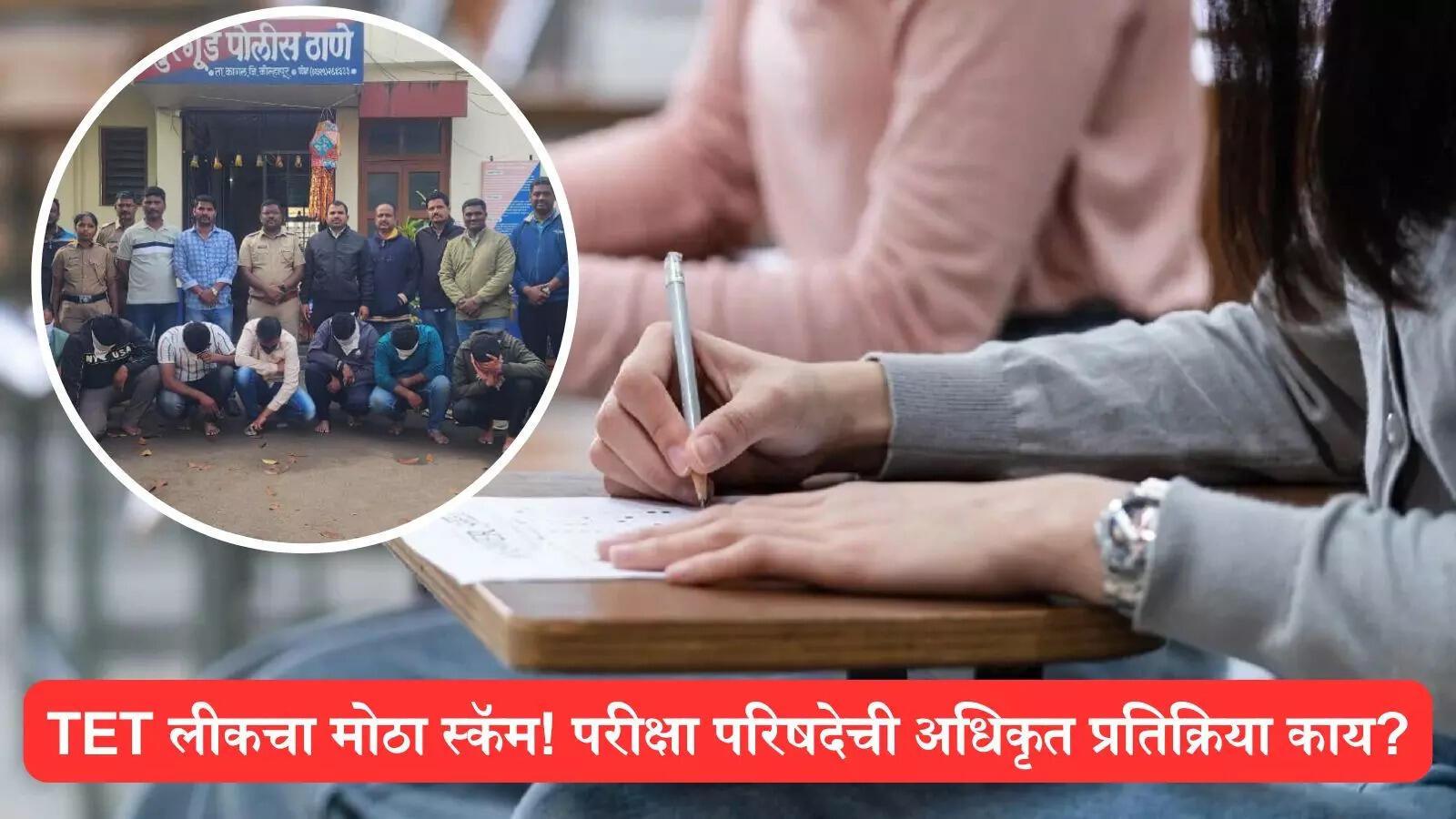
The Maharashtra TET paper leak has recently made headlines, raising serious concerns over the integrity of the state’s education system. This scandal erupted just a day before the Teachers Eligibility Test, forcing authorities to delay the examination amid mounting evidence of foul play. Deputy Chief Minister Eknath Shinde has pledged that decisive action will be taken against those involved, suggesting the potential use of the Maharashtra Control of Organised Crime Act (MCOCA) to tackle this crisis. The leak has sparked an outcry from opposition parties, who assert that such incidents highlight the systemic problems facing Maharashtra’s educational framework. As the investigation unfolds, the Maharashtra TET controversy serves as a stark reminder of the ongoing challenges plaguing educational assessments across the country.
In recent developments, the incident surrounding the Maharashtra TET examination has sparked widespread discussions about the credibility of educational assessments in the region. Dubbed a significant crisis, the leak of the Teachers Eligibility Test papers has prompted a response from state officials and has ignited political tensions. With allegations of organized attempts to undermine the examination process, Eknath Shinde’s administration is under scrutiny for its management of critical issues within the state’s academic framework. This situation not only reflects the immediate challenges of ensuring a fair testing environment but also points to deeper problems that afflict India’s education system. As stakeholders await further details about the unfolding situation, it is imperative to consider the implications of such controversies on the future of educational integrity in Maharashtra.
Implications of the Maharashtra TET Paper Leak Controversy
The recent Maharashtra TET paper leak controversy has shed light on significant issues within the state’s education system. When the Teachers Eligibility Test was abruptly postponed just a day before it was set to take place, many aspirants were left stranded, facing uncertainty regarding their future. This situation raises questions about the safeguards in place to protect the integrity of examinations and the repercussions of such leaks on the credibility of educational assessments. As officials investigate the origins of the leak, it is crucial to consider the long-term effects on students’ trust in the examination process.
Moreover, the implications extend beyond just the immediate impact on the TET candidates. The repeated instances of examination leakages, including the recent NEET-UG incident, have ignited discussions about the efficacy of the measures taken to regulate and secure examinations. Political leaders, such as Congress MP Rahul Gandhi and AAP’s Arvind Kejriwal, have openly criticized the government’s handling of these crises, branding the ongoing issues as symptomatic of broader systemic failures. This controversy not only challenges the Maharashtra TET but also questions the robustness of the entire educational framework in the state.
Government Response and Political Reactions to the Paper Leak
In response to the Maharashtra TET paper leak, Deputy Chief Minister Eknath Shinde has voiced a tough stance, emphasizing that strict action will be taken against those involved. The mention of potentially invoking the Maharashtra Control of Organised Crime Act (MCOCA) illustrates the government’s commitment to addressing these serious violations. MCOCA, typically reserved for organized crime, signifies the administration’s determination to eradicate corruption and restore faith in the examination process, which has been marred by allegations and controversies.
The political climate surrounding the TET postponement has become increasingly volatile, with opposition parties seizing the opportunity to criticize the ruling BJP. Accusations regarding the mishandling of examinations have escalated, with claims that the educational system is rife with corruption and inefficiency. Leaders like Rahul Gandhi and Arvind Kejriwal have accused the BJP of failing to protect students’ futures, labeling the current situation as a systemic failure. The cries for reform and accountability echo the frustrations of countless students affected by these compounding issues, highlighting a critical juncture in Maharashtra’s educational governance.
The Role of MCOCA in Addressing Educational Corruption
The invocation of the Maharashtra Control of Organised Crime Act (MCOCA) in connection with the TET paper leak serves as a significant step towards addressing educational corruption. This legislation is designed to combat organized crime and terrorism, and its application to examination fraud indicates the gravity of the situation. By using MCOCA, the government aims to send a clear message that such acts will not be tolerated, with harsh penalties for those caught exploiting the system. This could serve as a deterrent, potentially discouraging future attempts to undermine the integrity of state examinations.
Implementing MCOCA highlights the necessity for a robust framework for combating educational malpractice. As educational integrity is paramount for ensuring equitable opportunities for students, the state must equip law enforcement with the tools to effectively investigate and prosecute offenders involved in examination fraud. The proactive approach demonstrated by the Maharashtra government, while faced with intense scrutiny from the public and opposition parties, might also provide a template for other states grappling with similar issues. The successful application of these legal measures could help rehabilitate the reputation of Maharashtra’s educational system and restore confidence among its students.
Challenges in Securing the Maharashtra Examination Process
The Maharashtra TET paper leak serves as a stark reminder of the challenges faced in securing the state’s examination processes. Despite implementing multiple layers of security, the existence of corruption still permeates the system, making it vulnerable to unethical practices. Authorities must recognize that simply having procedures in place is insufficient—constant vigilance and adaptability to emerging threats are equally important. With new technologies and tactics employed by unscrupulous elements, the state needs to continuously evolve its security measures to protect the integrity of examinations.
Moreover, the societal implications of repeated examination leaks can be profound. With each incident, the trust of students and the public in the educational system diminishes, fostering a climate of skepticism about the fairness of competitive exams. This concern extends beyond just educational qualifications; it translates into real-world consequences for careers and opportunities for the youth of Maharashtra. Hence, alongside rigorous security measures, there is a pressing need for transparency and accountability in the examination process to restore faith among stakeholders.
Reform Strategies for the Maharashtra Education System
The unveiling of the Maharashtra TET paper leak controversy brings to light the urgent need for comprehensive reform strategies within the state’s education system. Stakeholders, including educators, policymakers, and students, must come together to devise a framework that not only addresses the current issues but also anticipates future challenges. Key areas for reform could include enhancing the security protocols around examinations, increasing transparency in the testing process, and implementing stringent penalties for those attempting to undermine the system.
In tandem with structural reforms, an emphasis on ethical training and awareness within educational institutions can help cultivate a culture of integrity. By fostering an environment where honesty is prioritized, future generations can be equipped with the values necessary to reject corruption. This holistic approach can ultimately serve both to restore public confidence in the examination process and to safeguard the futures of the students who depend on these assessments for their career aspirations.
Understanding the Political Implications of Examination Scandals
The political implications of examination scandals such as the Maharashtra TET paper leak extend far beyond the immediate educational concerns. Political parties often leverage such incidents to rally support and critique opposing governments, creating a narrative that fuels public discontent. The ongoing allegations surrounding paper leaks have positioned the ruling BJP under intense scrutiny, as opposition leaders accuse them of failing to manage the risks associated with the examination process. This politicization of educational systems not only complicates governance but also distracts from the core issues that need addressing.
Furthermore, these controversies have the potential to sway electoral outcomes, as public perception of a party’s ability to manage crucial sectors like education influences voter behavior. The frequent instances of examination leaks may lead to a loss of faith in the current administration, compelling leaders to propose reforms and policy changes to regain desperately needed public trust. As the political landscape shifts in the wake of such issues, the focus on accountability and transparency becomes paramount to ensure that the education system serves its intended purpose.
Citizen Response to the Maharashtra TET Controversy
The citizen response to the Maharashtra TET paper leak controversy has been one of outrage and disappointment. Many students and their families expressed deep concerns about the implications of such scandals on their futures. Social media platforms have become hotbeds for discussions, with affected individuals sharing their experiences and demanding accountability from the government. The sentiment is clear: there is a growing sense of urgency for reform in Maharashtra’s examination system to prevent similar incidents in the future.
In addition to protests and online campaigns, citizens have begun advocating for more significant oversight and transparency in the examination process. They are calling for the establishment of independent bodies to monitor the integrity of educational assessments more rigorously. This grassroots movement reflects not only frustration over repeated examination leaks but also a strong desire for systemic change that can protect the rights of students and foster a more equitable educational environment.
The Future of Maharashtra’s Education System Post-Controversy
In the wake of the Maharashtra TET paper leak, the future of the state’s education system is uncertain yet ripe for transformation. As the government grapples with public outcry and political pressure, the opportunity exists to implement meaningful changes that can restore credibility and trust in the examination process. Reforms that prioritize transparency, ethical conduct, and robust security protocols could redefine how examinations are conducted, aiming for a system that is both fair and secure.
Moreover, the involvement of citizens in advocating for change can significantly influence policymaking dynamics. As engaged stakeholders push for a revision of current practices and demand accountability, it is essential for the government to recognize these calls as a chance to redefine its commitment to education. With concerted efforts towards repairing the tarnished image of the examination system, Maharashtra could pave the way for a brighter future, ensuring that the youth feel empowered and confident in their pursuit of education.
Frequently Asked Questions
What actions is the Maharashtra government taking regarding the TET paper leak controversy?
Maharashtra Deputy Chief Minister Eknath Shinde announced that the government is considering invoking the Maharashtra Control of Organised Crime Act (MCOCA) in response to the Maharashtra TET paper leak controversy. The state is committed to taking strict action against those implicated in this scandal, as it seeks to restore integrity in the education system, which has faced criticism over repeated examination irregularities.
| Key Point | Details |
|---|---|
| Maharashtra TET Postponement | The Teachers Eligibility Test (TET) was postponed just one day before the exam due to a suspected paper leak. |
| Government’s Response | Deputy Chief Minister Eknath Shinde stated that strict action would be taken and the Maharashtra Control of Organised Crime Act (MCOCA) may be invoked against those involved. |
| Detentions Related to Leak | Bhiwandi Police detained three individuals allegedly connected to the leak: Rajeev Shah, Akash Kumar, and Dheeraj Kumar. |
| Political Backlash | Opposition parties, including Congress and AAP, criticized the ruling BJP for repeated exam paper leaks. |
| Context of Paper Leaks | The postponement follows another incident where a NEET-UG exam was also affected by a paper leak. |
| Future Implications | The Maharashtra State Council of Examination will announce a new date for TET after proper investigations. |
Summary
The Maharashtra TET paper leak has raised serious concerns about the integrity of the state’s examination system. As reported, the Deputy Chief Minister Eknath Shinde has taken a hard stance, indicating that the government is contemplating invoking the Maharashtra Control of Organised Crime Act (MCOCA) to address this grave issue. With a postponed examination affecting over a thousand centers, the situation has sparked an outcry from various political factions, pointing towards a systemic failure in maintaining the confidentiality and security of examination processes. This turmoil highlights a broader concern regarding the reliability and trustworthiness of assessment mechanisms in Maharashtra, shedding light on the need for more stringent regulations and oversight. The implications of the TET paper leak could echo far beyond this particular incident, prompting lawmakers to evaluate the educational framework to safeguard against such malpractices in the future.