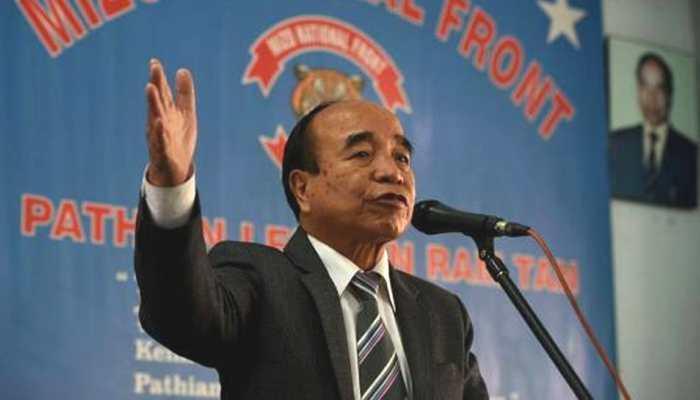
Zoramthanga stands as a pivotal figure in the complex tapestry of Mizoram’s history. As a member of the Mizo National Front, his participation in the armed struggle for secession from the Indian Union in 1966 marked the onset of significant change in the region. The culmination of these efforts came in 1986 with the signing of the Mizoram Peace Accord, a landmark agreement hailed as a successful resolution to decades of insurgency in India. Today, Zoramthanga serves as the chief minister of Mizoram, exemplifying the state’s remarkable journey from conflict to peace. Under his leadership, Mizoram has emerged as a beacon of tranquility in Northeast India, reflecting a resilient spirit and a commitment to progress.
The journey of Zoramthanga illustrates the transformative power of leadership in times of conflict. Having risen through the ranks of the Mizo National Front, he symbolizes the merging of past struggles with contemporary governance. His tenure as Mizoram’s chief minister signifies not just a personal victory, but a broader narrative of reconciliation following long-standing insurgent movements. The Mizoram Peace Accord represents a historic agreement that reshaped the state’s dynamics, fostering stability in a region often marked by unrest. As Mizoram navigates its future, Zoramthanga’s role continues to be pivotal in shaping policies that honor both the region’s history and its developmental aspirations.
Zoramthanga’s Journey Through the Mizo National Front
Zoramthanga, a pivotal figure in the Mizo National Front (MNF), began his political and militant journey at a young age when he joined the party in 1966. The MNF was primarily founded to address the grievances of the Mizo people, who felt marginalized within the Indian Union. Zoramthanga’s participation marked the beginning of an extensive and tumultuous period of armed struggle aimed at achieving secession from India, which was fueled by decades of socio-economic and cultural frustrations faced by the Mizo community.
Throughout the late 1960s and into the 1980s, Zoramthanga’s life was characterized by movement and transformation—he traversed areas across India, East Pakistan (now Bangladesh), and Burma. His commitment to the Mizo cause was unwavering, as he adapted to the complexities of political dynamics in these regions. His leadership qualities began to surface during these years, earning him respect and allegiance among Mizo insurgents while also solidifying the MNF’s regional influence.
The Signing of the Mizoram Peace Accord
The Mizoram Peace Accord, signed in 1986, was a historic milestone that brought an end to decades-long insurgency in Mizoram, representing a significant achievement for both the MNF and the Indian government. Zoramthanga, as a key figure in these negotiations, worked alongside Rajiv Gandhi’s administration to pave the way for reconciliation and rebuilding the state. This agreement not only addressed political aspirations of the Mizo people but also promised economic support and autonomy—elements crucial for fostering regional peace and stability.
Since the signing of the accord, Mizoram has been hailed as a model for successful peace processes in conflict-ridden areas of India. Zoramthanga has often pointed to this agreement as a foundational moment that transformed Mizoram into the most peaceful state in Northeast India. This success story underscores the importance of dialogue and compromise in resolving deep-rooted conflicts, particularly concerning identity and governance that have historically plagued the region.
Zoramthanga’s role as the Mizoram chief minister starting in 1998 further emphasizes this narrative of transformation. From insurgent to institutional leader, Zoramthanga exemplifies the potential for change narratives in regions beset by conflict.
Mizoram’s Peace and Stability in the Northeast
Following the Mizoram Peace Accord, the state has experienced remarkable stability and peace, becoming a benchmark for other regions grappling with similar issues of insurgency in India. Mizoram’s success can be attributed to a combination of effective local governance, community engagement, and socio-economic development initiatives initiated by both the state government and civil society. Under Zoramthanga’s leadership, the government has focused on enhancing education, healthcare, and infrastructure, which in turn promotes social harmony and economic growth.
Mizoram’s unique cultural identity and strong community ties have also contributed to its peaceful existence. The state’s emphasis on preserving its heritage while fostering economic progress has allowed it to navigate the complexities that often lead to unrest in similar contexts. Notably, the cooperative spirit among various tribal communities in Mizoram plays a crucial role in maintaining peace and addressing the historical grievances that once fueled conflict, further solidifying the importance of local governance.
Zoramthanga’s Leadership and Vision for Mizoram
Zoramthanga’s transition from leading an armed struggle to becoming the chief minister of Mizoram exemplifies a remarkable evolution in leadership. His vision has been pivotal in transforming the political landscape, where he has focused on fostering inclusive development and ensuring that all communities within Mizoram experience growth. His experience as a former insurgent allows Zoramthanga to approach governance with a deep understanding of the complexities of the Mizo identity and the historical context of the region.
Under his administration, considerable efforts have been made to promote peace-building initiatives, which are critical for sustaining harmony in a state that has experienced conflict. Zoramthanga has also advocated for greater autonomy and self-governance frameworks, ensuring that the voices of the Mizo people are heard in the political discourse at both state and national levels. His leadership style is often characterized by collaboration, empathy, and a commitment to the welfare of his constituents.
The Impact of History on Mizoram’s Current Governance
Mizoram’s rich history, marked by struggles and resilience, shapes its current governance and political climate. The legacy of the Mizo National Front and the moments leading up to the Mizoram Peace Accord play a significant role in how contemporary leaders, like Zoramthanga, navigate policy-making and community relations today. Understanding this historical backdrop is essential for fostering a sense of unity and collective identity among the diverse tribes in Mizoram, many of whom have participated in the peace process.
Moreover, history serves as a guide for avoiding past mistakes, particularly when addressing issues related to cultural rights, economic development, and political representation. Leaders in Mizoram continuously strive to honor historical agreements while adapting to the evolving socio-political landscape, ensuring that the state arises from its tumultuous past with a vision for a bright and inclusive future.
Mizoram: A Model State in India’s Northeast
Mizoram stands out as a model state in India’s Northeast, showcasing how effective governance and peace can be achieved even after prolonged conflict. Zoramthanga’s administration has implemented innovative policies that promote economic development while prioritizing social cohesion among the various ethnic groups within the state. As a result, Mizoram has become one of India’s most peaceful and prosperous states, highlighting the importance of sustainable development in post-insurgency contexts.
Furthermore, Mizoram’s success has inspired neighboring states experiencing separatist movements and ethnic conflicts, offering insights into the efficacy of negotiated settlements and local governance. The state serves as an example of how reconciliation, when supported by robust political will, can lead to transformation and lasting peace, both in the community and at the governance level.
Exploring the Cultural Richness of Mizoram Post-Accord
In the aftermath of the Mizoram Peace Accord, the cultural richness of Mizoram has flourished, allowing the state to showcase its unique heritage to both its residents and visitors. Zoramthanga’s government has been instrumental in promoting cultural activities, festivals, and traditional practices, fostering a sense of pride among the Mizo people. This revival not only strengthens community bonds but also invites tourism and boosts the local economy, creating avenues for further cultural exchange.
Cultural engagement plays a vital role in peace-building, as it bridges divides and reinforces collective identity. The integration of traditional Mizo music, dance, and art into the state’s developmental narrative symbolizes resilience and unity, reflecting the lessons learned from the struggles of the past. Thus, post-accord, Mizoram stands as a beacon of how culture can contribute to stability and economic prosperity.
The Role of the Mizo Youth in Continuing Zoramthanga’s Legacy
The youth of Mizoram are crucial to the ongoing legacy of Zoramthanga and the foundational changes established by the Mizoram Peace Accord. As the next generation of leaders, they are fostering a spirit of innovation and progress while being deeply rooted in their cultural identity. By actively participating in politics, education, and community service, Mizo youth are shaping the future landscape of Mizoram and ensuring that the values of peace and cooperation are passed down.
Zoramthanga has often emphasized the significance of empowering young individuals to become drivers of change in society. By engaging in grassroots initiatives and contributing to local governance, the youth of Mizoram are not only honoring the history of their state but are also adopting a forward-looking approach that sets a precedent for nation-building. This intergenerational dialogue ensures that the sacrifices of past leaders continue to bear fruit, providing a roadmap for sustainable peace and growth in Mizoram.
Mizoram’s Economic Development in Post-Conflict Era
The economic landscape of Mizoram has transformed significantly since the signing of the Mizoram Peace Accord. Zoramthanga’s leadership has focused on creating a conducive environment for economic growth, harnessing the potential of agriculture, tourism, and small-scale industries. By encouraging investment in sustainable practices and infrastructure development, the state has seen improvements in employment rates and overall quality of life for its citizens. The strategic location of Mizoram also lends itself to trade opportunities with neighboring countries, enhancing its economic prospects.
Moreover, the focus on community-driven development strategies has played a vital role in fostering entrepreneurship among the Mizo people. Zoramthanga’s government promotes initiatives that empower local businesses and small enterprises, leading to self-sufficiency and resilience amidst external economic challenges. By prioritizing economic initiatives that align with the cultural ethos of the Mizo people, Mizoram is charting a thriving path for future generations.
Frequently Asked Questions
What role did Zoramthanga play in the Mizo National Front’s insurgency in India?
Zoramthanga joined the Mizo National Front (MNF) in 1966 at the age of 22, quickly becoming a prominent figure in the armed struggle for Mizoram’s secession from the Indian Union. His leadership and dedication were pivotal during the MNF’s operations, which spanned different regions including India and East Pakistan.
How did the Mizoram Peace Accord impact Zoramthanga’s life and career?
The Mizoram Peace Accord, signed in 1986, marked a turning point not only for the Mizo National Front but also for Zoramthanga personally. After the accord, which effectively ended two decades of insurgency in Mizoram, Zoramthanga transitioned from a rebel leader to a political leader, eventually becoming the Chief Minister of Mizoram in 1998.
What are the historical implications of Zoramthanga’s leadership in the context of Mizoram’s peace process?
Zoramthanga’s leadership during the MNF’s insurgency and the subsequent Mizoram Peace Accord is a significant chapter in Mizoram history. The accord not only ended years of conflict but also transformed Mizoram into a model of peace in the Northeast, showcasing successful conflict resolution methods within India.
What factors contributed to Zoramthanga’s rise as the Mizoram chief minister after years of insurgency?
Zoramthanga’s rise to the position of Mizoram Chief Minister can be attributed to several factors, including his role in the Mizo National Front’s armed struggle, his key participation in the Mizoram Peace Accord, and his ability to connect with the local populace as a leader committed to peace and progress following years of conflict.
How does Zoramthanga’s story reflect the broader issues of insurgency in India?
Zoramthanga’s journey from a militant leader to a Chief Minister exemplifies the complexities of insurgency in India. His transformation underscores the potential for resolution through dialogue and peace accords, highlighting how sustainable governance can emerge from historical conflicts, particularly in regions like Mizoram.
| Year | Event | Significance |
|---|---|---|
| 1966 | Zoramthanga joins MNF | Initiation of armed struggle for independence from India. |
| 1986 | Mizoram Peace Accord signed | Successful end to the insurgency, marking peace in Mizoram. |
| 1998 | Zoramthanga becomes Chief Minister | Former rebel leader now leads a state within India. |
| 2000s onwards | Mizoram becomes peaceful state | Recognized as the most peaceful state in Northeast India. |
Summary
Zoramthanga’s remarkable journey from a rebel leader to a chief minister exemplifies the transformative power of dialogue and reconciliation in conflict resolution. He played a crucial role in achieving peace in Mizoram, which is now considered one of India’s most stable regions. Zoramthanga’s experiences and insights, shared in forums like Scroll Adda, provide valuable lessons in leadership and governance in post-conflict settings.