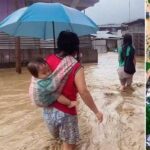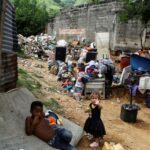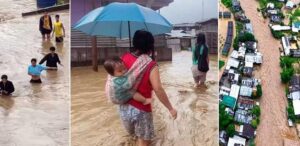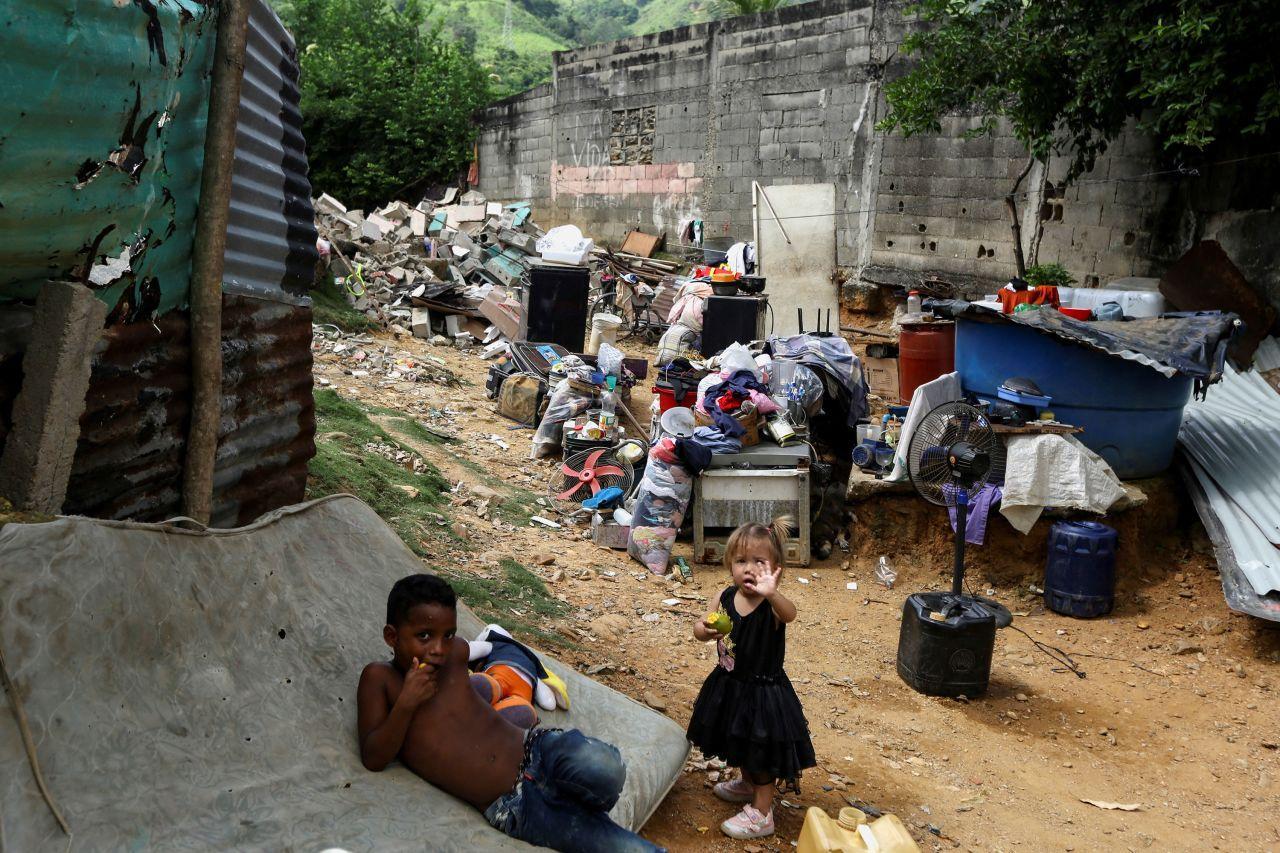
The recent earthquake in Venezuela has sent shockwaves through the nation, compounding the tragedy following the devastating twin earthquakes earlier this week. A 5.6-magnitude tremor struck the coast of Aragua, creating a sense of urgency as rescue efforts intensify to locate survivors among the rubble. As the country grapples with the aftermath of this disaster, news updates reveal startling statistics, with at least 1,430 confirmed fatalities and tens of thousands still unaccounted for. Amidst ongoing earthquake rescue efforts, the government faces criticism over its relief coordination, highlighting the challenges of delivering urgent help in the wake of such calamity. As the days pass, the race against time grows critical, making every bit of Venezuela disaster relief essential to save lives and restore hope.
In the wake of the seismic activity in Venezuela, where a series of earthquakes have struck, the nation’s resilience is being tested like never before. The latest tremors, classified as twin earthquakes, have led to a race against time as humanitarian teams mobilize to provide assistance amidst the chaos. Reports are flooding in regarding the devastating impact on communities, resources, and infrastructure. As search and rescue missions unfold, the focus on earthquake aftermath has become urgent, making international support and coordination all the more vital. The situation underscores the need for rapid disaster response strategies and efficient relief pathways to address the critical needs of those affected.
The Impact of Twin Earthquakes in Venezuela
The recent twin earthquakes in Venezuela, measuring 7.2 and 7.5 in magnitude, have left an indelible mark on the nation. These seismic events, which occurred on June 24, triggered widespread devastation, affecting numerous regions across the country. Buildings crumbled, roads became impassable, and infrastructure essential for daily living was severely compromised. The scale of destruction has necessitated urgent rescue efforts to locate survivors buried beneath debris. Communities are grappling with immense loss, as authorities reported over 1,430 confirmed fatalities, and around 51,000 individuals remain unaccounted for, highlighting the disaster’s tragic human cost.
The aftermath of the twin earthquakes has intensified the plight of those affected, with rescue teams working tirelessly under increasingly challenging conditions. Many residents have voiced their frustrations over the disorganization and inefficiency of the disaster response, exacerbated by mobile and internet outages that hinder communication. The urgent need for coordinated earthquake rescue efforts is evident, as survival chances diminish drastically after the first 72 hours post-quake. Efforts to establish basic services and provide humanitarian aid are underway, but logistical hurdles remain problematic, directly impacting ongoing recovery initiatives.
Continued Geological Threats: Earthquakes in Venezuela
Just when hope began to flicker amidst the chaos, Venezuela was struck once again on June 28, with a new 5.6-magnitude earthquake off the Aragua coast. This latest tremor, occurring approximately 30 kilometers northeast of El Limón and at a depth of 30 kilometers, has raised alarms about further destabilization within an already crisis-stricken nation. The geological instability raises concerns for residents who are already under the stress of the previous earthquakes, as the continuation of seismic activity could lead to further destruction and heightened fear among the population.
In light of these recent developments, the Venezuelan government faces mounting pressure to improve coordination and implementation of disaster relief measures. As families struggle to cope with loss and uncertainty, the need for comprehensive Venezuela disaster relief efforts becomes increasingly pressing. Global assistance is being mobilized, with support from the United States and international organizations now crucial in addressing immediate humanitarian issues and in laying the groundwork for long-term recovery. Experts emphasize that while the physical damage is staggering—estimated at $6.7 billion—it’s the ongoing emotional and psychological toll on survivors that will require significant attention and resources.
Challenges in Earthquake Rescue Efforts
The critical phase of rescue operations in Venezuela is marked by numerous challenges, primarily centered around the lack of effective coordination and communication among government agencies. Agencies need to streamline their efforts to enhance the speed and efficacy of earthquake rescue operations. As the National Guard, firefighters, and volunteer groups mobilize to search for survivors, the intertwining of various entities often leads to confusion and delayed response. With many residents trapped beneath rubble, the urgency of timely action cannot be overstated. Every hour lost diminishes the chances of survival for those in peril.
Moreover, consistent aftershocks since the twin earthquakes have hampered rescue efforts, as they pose a continuous risk to rescuers and survivors alike. The unpredictable nature of seismic activity magnifies the hazards facing those operating in the field. Reports of further collapses and structural instability have prompted rescuers to exercise extreme caution. To mitigate such risks, coordination with engineering experts to assess building safety is crucial. Enhancing the preparedness of rescue teams through training and resource allocation is essential to improve the overall outcomes of earthquake-related operations.
International Support for Venezuela’s Earthquake Recovery
Amid the devastation caused by the earthquakes, international support has become a beacon of hope for Venezuela. Countries around the world are stepping forward, offering assistance in various forms, including humanitarian aid, medical supplies, and search and rescue personnel. The US government has dispatched urban search and rescue teams to assist in locating survivors and providing immediate relief in the affected areas. Similarly, the United Nations and numerous NGOs have rallied resources to ensure that basic necessities, such as food, water, and shelter, reach those in dire need.
International solidarity is not just a logistical support mechanism but also plays an essential role in boosting the morale of Venezuelans facing this significant crisis. Acknowledgements from global leaders, such as UAE President Sheikh Mohamed bin Zayed Al Nahyan, highlight the shared empathy across nations during such catastrophic events. The collaborative effort to provide disaster relief not only focuses on immediate recovery but also sets the foundation for rebuilding a resilient Venezuela capable of withstanding future natural disasters.
Long-term Strategies for Earthquake Preparedness in Venezuela
As Venezuela grapples with the immediate aftermath of the twin earthquakes, it must also turn its attention towards developing long-term strategies for disaster preparedness. Implementing stringent building codes and enforcing regulations that account for seismic activity can significantly lessen the impact of future earthquakes. Educational programs aimed at teaching communities about earthquake preparedness and response can empower residents, equipping them with the necessary knowledge to safeguard themselves and their families. Enhanced government investment in infrastructure designed to withstand seismic events is needed to prevent catastrophic destruction.
Furthermore, fostering partnerships between international organizations and local governments can facilitate better preparedness strategies tailored to the unique challenges faced by Venezuela. Engaging with experts in geology and engineering to develop robust early warning systems will amplify potential disaster management efforts, providing critical time for evacuation and safety. By prioritizing disaster resilience, Venezuela can not only recover from its current trials but emerge stronger and more equipped to face future geological threats.
Navigating Communications During Earthquake Crises in Venezuela
One of the significant hurdles during the recent earthquakes in Venezuela has been the disruption of communication, exacerbating the challenges faced by rescue operations. The inability to contact loved ones, report emergencies, or coordinate relief efforts has amplified the anxiety among affected populations. Efforts to establish temporary communication lines, such as satellite phones and mobile Wi-Fi hotspots, are crucial in the post-earthquake environment. Effective communication not only facilitates the immediate response but is also vital for long-term recovery efforts.
Additionally, the importance of implementing comprehensive communication strategies before, during, and after seismic events cannot be overstated. Training community leaders on communication protocols and establishing clear channels of information flow can drastically improve responses during disasters. Community resilience hinges on mobilized, well-informed populations who can act swiftly and cohesively in crisis scenarios. Looking ahead, ensuring that reliable communication networks are in place will enhance overall disaster management strategies for Venezuela.
The Economic Ramifications of Earthquakes in Venezuela
The economic implications of the recent twin earthquakes in Venezuela are profound, with preliminary damage estimates standing at around $6.7 billion. Such staggering costs represent approximately 6% of the country’s GDP, illustrating the extensive financial burden placed on an already struggling economy. As sectors such as health care, transportation, and housing sustain significant hits, it becomes evident that the road to recovery will be lengthy and complex. Emergency funds and resources must be effectively allocated to facilitate rebuilding efforts and restore vital services to the affected populations.
Moreover, the earthquakes have introduced a pressing crisis for the Venezuelan workforce, with thousands left unemployed due to structural damage and displacement. Addressing these economic repercussions requires a multifaceted approach, incorporating both immediate relief and long-term economic recovery plans. Engaging with international financial institutions and fostering partnerships with global relief organizations will be essential in navigating the recovery phase. By addressing the underlying economic vulnerabilities exacerbated by natural disasters, Venezuela can work towards a more sustainable recovery.
Psychosocial Support in the Aftermath of Earthquakes in Venezuela
In the wake of Venezuela’s devastating twin earthquakes, the psychological toll on survivors has emerged as a critical concern. The trauma experienced during such catastrophic events can lead to long-lasting mental health issues, including anxiety, depression, and post-traumatic stress disorder (PTSD). Establishing immediate psychosocial support systems is essential to address the emotional needs of those affected. Mental health professionals, social workers, and community leaders must collaborate to ensure accessible resources for emotional healing and recovery.
In addition to immediate psychological attention, fostering community resilience through support groups can enhance collective coping mechanisms. Encouraging shared experiences and providing platforms for discussion, support, and connection can significantly contribute to the healing process. Training community volunteers in mental health first aid could also empower individuals to assist their neighbors effectively. By focusing on the psychosocial aspects of recovery alongside physical rebuilding, Venezuela can help its population regain stability and hope for the future.
Rebuilding Infrastructure After the Earthquakes in Venezuela
One of the most pressing challenges following the twin earthquakes in Venezuela is the urgent need to rebuild critical infrastructure. The seismic events have resulted in the destruction of roads, schools, hospitals, and water supply systems, which are essential for the resumption of daily life. Reconstructing this infrastructure will require significant investment and strategic planning to ensure that future seismic events do not lead to the same level of devastation. Experts emphasize the importance of utilizing durable materials and innovative engineering techniques designed for earthquake resilience.
Moreover, involving local communities in the rebuilding process can promote investment in more sustainable and appropriate solutions. Engaging citizens in the design and implementation of infrastructure projects can lead to a sense of ownership and ensure that the solutions meet their needs. As Venezuela approaches the monumental task of recovery, the rebuilding of physical structures must go hand in hand with an inclusive approach that fosters economic opportunity and community engagement.
Frequently Asked Questions
What are the latest updates on the earthquake in Venezuela and the ongoing rescue efforts?
The latest earthquake in Venezuela, a 5.6-magnitude tremor off the coast of Aragua, struck on June 28, 2026, complicating rescue efforts following twin earthquakes measuring 7.2 and 7.5 that occurred on June 24. Authorities have confirmed approximately 1,430 deaths, with 51,000 individuals still reported missing. Rescue operations continue despite criticism regarding coordination of relief efforts and ongoing communication challenges in affected areas.
| Key Point | Details |
|---|---|
| Recent Earthquake | A 5.6-magnitude earthquake struck off Venezuela’s Aragua coast on June 28. |
| Death Toll | Authorities confirmed at least 1,430 deaths from the disaster. |
| Missing Persons | Approximately 51,000 people are still missing after the twin quakes. |
| Rescue Efforts | Rescue teams continue searching for survivors but face challenges in communication and coordination. |
| Government Response | Criticism has been raised regarding the coordination of relief efforts amidst communication breakdowns. |
| International Aid | The United States and other countries have mobilized assistance to support rescue efforts. |
| Estimated Damage | Direct damage from the quakes is estimated at USD 6.7 billion. |
Summary
The recent earthquake in Venezuela has unleashed a new wave of challenges for the nation, already reeling from the catastrophic damage caused by two earlier quakes. A 5.6-magnitude tremor hit off the coast of Aragua on June 28, exacerbating the plight of countless individuals as rescue operations struggle against time to find survivors amidst rising fatalities. As the nation grapples with a staggering death toll of 1,430 and 51,000 people reported missing, the spotlight has turned to the inefficiencies in disaster response coordination. Criticism from residents regarding the government’s handling of the situation underscores the necessity for improved communication and response efforts. With more than $6 billion in physical damage reported and international aid mobilized, the urgency of organized relief efforts cannot be overstated if Venezuela is to navigate through this heartbreaking crisis.