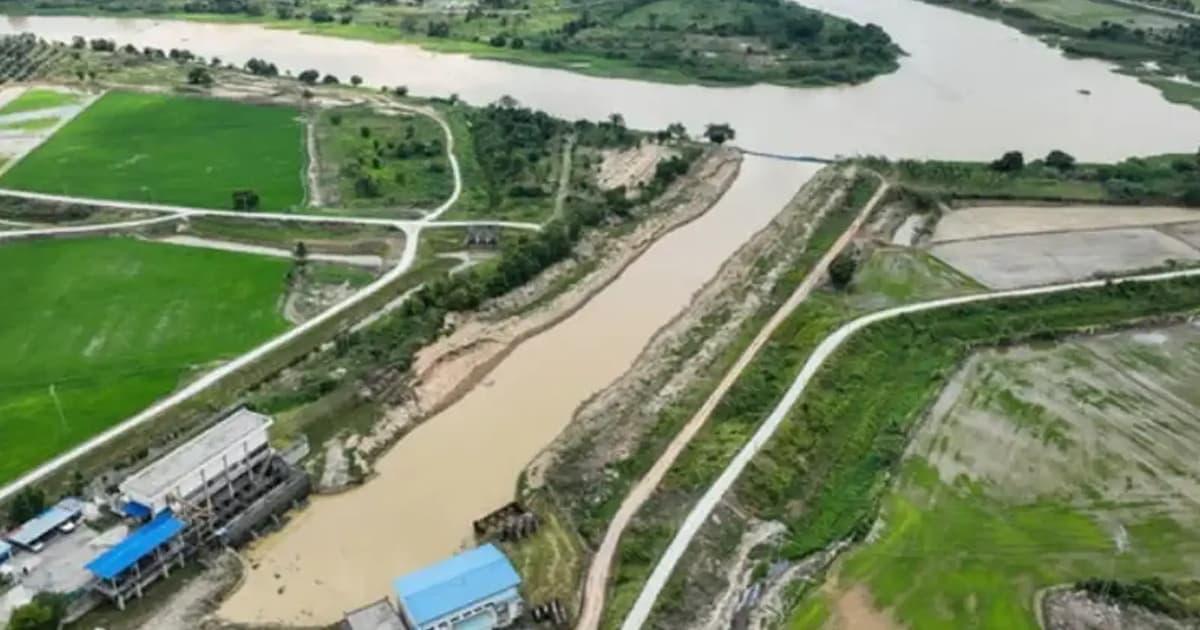
The formation of landslide dams in Arunachal Pradesh has recently garnered attention, particularly due to the heightened risks associated with flash floods in the region. Following heavy rainfall, a significant landslide blocked the Siji River, creating an artificial lake that poses a substantial threat to lives and infrastructure downstream. Local authorities have warned that if this dam were to fail, it could trigger severe flash floods impacting communities along the Gai River in Assam. As updates emerge from the Lower Siang District, residents are being urged to remain vigilant amid ongoing concerns around flood risks and the urgent need for Assam flood warnings. The situation exemplifies the delicate balance of nature, where both beauty and danger coexist in the form of these precarious dam formations.
In recent discussions surrounding the monsoonal challenges in Arunachal Pradesh, attention is being drawn to the precarious situation created by natural landslide barriers obstructing river flow. Often referred to as debris dams, these formations can lead to dangerous accumulation of water, putting adjacent communities at risk of overflow incidents. Conditions in Lower Siang District have prompted alerts for potential flooding, which could extend into neighboring Assam—a clear demonstration of how local environmental disruptions can have far-reaching impacts. As authorities navigate this crisis, the threat of flash floods remains a pressing concern, emphasizing the interconnectedness of hydrological events in this vulnerable region. Awareness of the risks posed by artificial lakes in flood scenarios is crucial for ensuring community safety and preparedness.
Understanding Landslide Dams in Arunachal Pradesh
Landslide dams are a significant geological phenomenon that occurs when a landslide blocks the flow of a river, creating a barrier that can lead to the formation of artificial lakes. In Arunachal Pradesh, recent heavy rains have exacerbated the risk of such dams, particularly in the Lower Siang district where the Siji River has been affected. The risk of these landslide dams breaking is critical, as they can release vast amounts of water downstream, resulting in devastating flash floods that can threaten lives and infrastructure. Consequently, understanding the mechanics of these dams is essential for both local residents and disaster management authorities.
This year, the Siji River experienced a blockage due to significant rainfall-induced landslides, prompting warnings from district officials about potential flash floods downstream. With every heavy rainfall, the risk of the artificial lake created by the dam collapsing increases, potentially leading to catastrophic consequences for communities situated along the Gai River in Assam, which relies on the Siji River’s flow. Preventative measures and timely alerts are vital to mitigate risks associated with these natural disasters, highlighting the need for effective water management and emergency response plans in the region.
Flash Flood Risks Along the Siji River and Assam Warnings
Following the recent formation of landslide dams along the Siji River, flash flood risks have significantly surged, prompting district officials in Arunachal Pradesh to issue alerts to residents. The accumulation of water behind these dams poses an imminent threat; should the dam breach occur, flash floods could engulf surrounding areas, endangering homes, roads, and vital infrastructure. Local authorities have advised the communities downstream, particularly those near the Gai River in Assam, to remain vigilant and prepared for possible evacuations, as conditions can change rapidly.
Authorities in Assam are also on high alert due to the interconnectedness of river systems in the region. Reports indicate that the collapse of the artificial dam along the Siji River could trigger flood warnings in multiple districts, affecting thousands of residents. The current situation is precarious—residents are advised to stay informed and take necessary precautions against potential flash floods, including keeping away from the riverbanks and being ready to evacuate when required. Historical data corroborates the severity of flash floods in the region, making it imperative for the local government to ensure effective communication of risks to prevent disasters.
The Impact of Artificial Lakes on Flood Dynamics
The emergence of artificial lakes due to landslide dams presents unique challenges in flood-prone areas like Arunachal Pradesh. These artificial lakes can initially appear as tranquil bodies of water, but they pose significant dangers when the accumulated water exceeds the dam’s capacity. The risk of the dam breaking under pressure from heavy rainfall can lead to sudden and dangerous flash floods. Understanding the dynamics of these lakes is crucial for local authorities in devising effective flood risk management strategies to protect communities downstream, especially in Assam.
Moreover, artificial lakes formed from landslide dams can disrupt the natural flow of rivers, altering ecosystems and exposing nearby areas to heightened flood risks. This phenomenon has been observed in several instances along the Siji River, where authorities have scrambled to assess and respond to evolving threats. Enhanced monitoring of these lakes, coupled with community education about the associated risks, is vital for minimizing the impact of such flooding events and ensuring the safety of residents in vulnerable areas.
Emergency Response Strategies for Flash Flood Mitigation
The recent challenges posed by landslide-induced dams in Arunachal Pradesh underscore the necessity for robust emergency response strategies. As regions like Lower Siang District grapple with the risks of flash floods, authorities must prioritize quick decision-making and effective communication systems. Residents should be educated on emergency protocols, including how to recognize early warning signs of an impending flash flood, such as unusual increases in river levels or changes in water behavior. Ensuring that communities are well-informed and prepared can save lives in critical situations.
Developing and implementing comprehensive early warning systems is fundamental in mitigating flash flood risks. Local government and disaster response agencies should collaborate closely to monitor weather patterns and river conditions, issuing timely alerts to at-risk areas. Additionally, regular drills and training sessions can help prepare residents to respond swiftly and appropriately during emergencies. By establishing these proactive measures, communities along the Siji River and downstream in Assam can enhance their resilience against the catastrophic effects of flash floods.
Current Conditions in the Lower Siang District
As of late June 2026, the Lower Siang District in Arunachal Pradesh is facing critical conditions due to heavy rainfall and the subsequent formation of landslide dams. The Siji River has been capped by debris, creating an artificial lake that poses an imminent threat of breaching. Local officials report that the surrounding communities are at risk of sudden flash floods, with warnings affecting areas as far as Assam. The urgency of the situation has prompted authorities to alert residents and prepare for potential evacuations to ensure safety.
Updates from the ground indicate that ongoing heavy rain continues to exacerbate the vulnerability of these dams. With reports of multiple critical failures, local officials are emphasizing the importance of community vigilance as they monitor conditions closely. Roads, bridges, and other infrastructure are under examination to determine their integrity amid these risks. The affected districts are collaborating to develop contingency plans to mitigate the impact of possible flash floods stemming from the unstable conditions of the Siji River.
Weather Patterns Facilitating Flood Risks
The recent spate of heavy rainfall across Arunachal Pradesh is a crucial factor contributing to the increased risks of flash floods in the Lower Siang District. Such climatic conditions not only lead to landslides but also result in the rapid accumulation of water behind multiple landslide dams, notably those impeding the flow of the Siji River. As meteorological patterns continue to exhibit volatility, the potential for severe flooding events looms over both Arunachal Pradesh and neighboring Assam.
Officials are concerned that shifting weather patterns could trigger additional rainfall, worsening the existing conditions. Historical data indicates that during periods of heavy rainfall, river systems often become overwhelmed, leading to flood events that have far-reaching implications. Meteorologists are closely monitoring the situation, and there is an urgent call for preparedness among residents in vulnerable areas to equip themselves for sudden flood events, which could unfold with little warning and cause extensive damage.
Community Preparedness for Flash Flood Events
In light of the current flash flood risks stemming from landslide dams, it is essential for communities in Arunachal Pradesh to engage in preparedness activities. Local leaders and officials can mobilize resources to raise awareness about the signs of imminent flooding and the necessary safety measures to take. Community engagement efforts can include educational workshops, the distribution of informational materials, and coordination with local emergency services to establish clear lines of communication.
Moreover, residents should be encouraged to develop personal emergency plans, ensuring that families can respond swiftly should a flash flood occur. This includes identifying safe zones, keeping emergency kits ready, and establishing communication networks among neighbors. By fostering a culture of preparedness, communities along the Siji River and downstream in Assam can effectively reduce their risks and respond more favorably to flood emergencies.
Collaboration Between Arunachal and Assam Authorities
Given the interconnected nature of river systems between Arunachal Pradesh and Assam, collaboration between state authorities is vital for effective flood risk management. Both states must share resources, information, and strategies to address the potential dangers posed by landslide dams and resulting flash floods. Joint training exercises and contingency planning can significantly enhance both states’ capacity to respond promptly to flood events.
Furthermore, cooperative initiatives can lead to the establishment of comprehensive early warning systems that would benefit communities on both sides of the border. By leveraging technology and expertise from both Arunachal Pradesh and Assam, officials can ensure timely alerts are issued to residents, particularly those living in areas that are high-risk for flash flooding. Such partnerships are essential for fostering resilience against the impacts of climate-induced disasters and safeguarding the lives of thousands.
The Future of Flood Management in Arunachal Pradesh
The increasing incidents of landslide dams and flash floods in Arunachal Pradesh highlight the urgent need for innovative flood management solutions. As climate change continues to alter weather patterns, it is essential for local governments to devise proactive measures to mitigate flood risks. Investment in infrastructure, flood control technologies, and community education will be crucial in preparing for future flood scenarios, enabling quick responses that could save lives and property.
Moving forward, authorities must prioritize integrated watershed management strategies, ensuring that both natural and human systems work cohesively to reduce flood risks. This may include reforestation, improving land use practices, and reinforcing riverbanks to prevent further landslides. By adopting a comprehensive approach to flood management, Arunachal Pradesh can protect its residents from the devastating impacts of artificial lakes and flash floods while promoting environmental sustainability.
Frequently Asked Questions
What are the risks associated with landslide dams in Arunachal Pradesh?
Landslide dams, like those created along the Siji River in Arunachal Pradesh, pose significant risks including potential flash floods if they collapse. These natural blockages can create artificial lakes, leading to increased water accumulation and threatening downstream communities with sudden flooding.
How do landslide dams affect flash floods in Arunachal Pradesh and Assam?
Landslide dams can exacerbate flash flood risks in both Arunachal Pradesh and Assam. For example, the blockage of the Siji River has raised concerns of flash floods that could impact the Gai River areas in Assam, prompting warnings from authorities to downstream residents.
What precautions should residents take due to landslide dams in Lower Siang District?
Residents in Lower Siang District should remain vigilant and adhere to warnings from local authorities. This includes avoiding riverbanks, evacuating low-lying areas if instructed, and being prepared for sudden evacuations in case of a dam failure that could trigger flash floods.
What updates are there on the artificial lakes formed by landslide dams in Arunachal Pradesh?
The Siji River has formed an artificial lake due to a landslide dam, increasing the risk of flooding. Local authorities are monitoring the situation closely, and residents are advised to report any unusual signs indicating instability of the dam which could lead to devastating flash floods.
Are there emergency response measures in place for flash floods caused by landslide dams in Arunachal Pradesh?
Yes, emergency response measures are actively in place, including advisories for residents to stay alert and prepared for evacuation as local officials assess the risks posed by landslide dams. This is crucial to mitigate the impacts of potential flash floods.
How frequently do landslide dams contribute to flash floods in Arunachal Pradesh?
Landslide dams have historically contributed to flash floods in Arunachal Pradesh, especially during monsoon season when heavy rainfall can trigger landslides. Continuous monitoring and early warning systems are essential to manage these risks effectively.
What areas are most at risk from the landslide dam created on the Siji River?
The areas most at risk from the Siji River landslide dam include Likabali and downstream communities along the Gai River in Assam. Officials have warned that these locations are vulnerable to flash floods if the dam were to break.
What role do local authorities play in managing landslide dams in Arunachal Pradesh?
Local authorities in Arunachal Pradesh monitor and assess the stability of landslide dams, issue warnings to residents, and coordinate evacuations as necessary to ensure public safety from potential flash floods.
| Key Point | Details |
|---|---|
| Landslide Dams | Heavy rainfall caused landslides that blocked the Siji River, creating a dam. |
| Risk of Flash Floods | Authorities warn of potential flash floods threatening homes and infrastructure downstream in Assam. |
| Evacuation Advice | Residents advised to prepare for evacuation and report any unusual river activities. |
| Affected Areas | Flash floods have impacted six districts in Arunachal Pradesh, affecting thousands of residents. |
| Infrastructure Damage | Key roads and bridges have been damaged, disrupting transportation. |
| Rescue Operations | Search efforts for missing persons continue amidst the ongoing crisis. |
Summary
Landslide Dams Arunachal highlight a critical situation in the region where heavy rainfall has triggered dangerous landslides, leading to the formation of hazardous dams on the Siji River. The potential for flash floods poses a significant risk to lives and infrastructure, particularly in downstream areas of Assam. Authorities are on high alert, advising residents to heed warnings and prepare for evacuations to ensure their safety from the impending risks of the unstable dam.