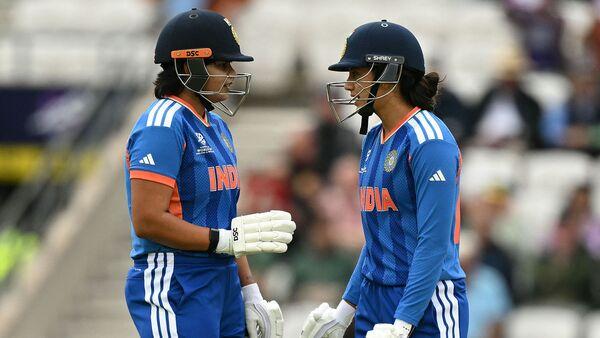
The Women’s T20 World Cup is a thrilling showcase of talent and spirit in women’s cricket, exemplified by the fierce competition among teams vying for the title. In the latest edition, India faced a tough challenge against Australia, who ultimately ended India’s campaign with a decisive six-wicket victory. Despite the defeat, Harmanpreet Kaur’s heroic innings, where she scored a stunning 56 runs off just 27 balls, highlighted the potential of India women’s cricket on this prestigious stage. The match showcased key moments of excitement, including spirited performances and tactical plays, making it a focal point in T20 cricket analysis. As teams prepare for future tournaments, the Women’s cricket highlights from this world cup will undoubtedly influence player strategies and fan engagement across the globe.
The Women’s T20 Championship stands as a monumental event in the realm of female cricket, where nations compete fiercely for international glory. India’s recent exit from the tournament at the hands of Australia sparked discussions about the direction of their cricketing leadership, particularly surrounding the future role of Harmanpreet Kaur as captain. The match’s intense action, characterized by remarkable batting partnerships and strategic plays, offered fans a captivating viewing experience. As the spotlight shifts to this thrilling format, the journey of players and teams illustrates the growing importance of women’s sports on the global stage. Enthusiasts and analysts alike will continue to dissect the strategic elements displayed in this tournament, shaping the narratives for upcoming events.
Analysis of India’s Performance in the Women’s T20 World Cup
India’s journey in the Women’s T20 World Cup has been a compelling narrative, marked by moments of brilliance and heartache. Despite the disappointing exit at the hands of Australia, the team showcased resilience and skill throughout the tournament, particularly in their batting. The standout performance came from captain Harmanpreet Kaur, whose aggressive batting style ignited the Indian innings when it was desperately needed. Her explosive knock of 56 runs off just 27 balls against a formidable Australian bowling lineup was a testament to her skill and leadership under pressure.
Moreover, the Indian team’s early breakthroughs in the match against Australia demonstrated their potential to unsettle even the strongest opponents. Reducing Australia to 68/3 instilled hope among fans and players alike. However, the inability to maintain pressure during the middle overs allowed the experienced Australians to regroup. This match serves as a case study for India’s women’s cricket, as they need to intensify their T20 cricket analysis moving forward, focusing on maintaining momentum when success is within reach.
Harmanpreet Kaur: A Leader Under Pressure
As the captain of the Indian women’s cricket team, Harmanpreet Kaur has often been the focal point of both admiration and scrutiny. Her role in leading the team through high-stakes matches, particularly in moments of crisis like the recent Women’s T20 World Cup elimination, invites questions about her future at the helm. Despite her personal achievements, including a standout performance against Australia, the team’s overall results weigh heavily on her captaincy record. Kaur’s leadership is now under significant scrutiny, especially as the cricketing community debates the team’s next steps.
Harmanpreet’s ability to inspire her teammates cannot be understated. Her aggressive approach—typified by her spectacular batting in the tournament’s climax—demonstrates her capabilities as a match-winner. Balancing personal success with team performance is a challenge she faces head-on. If India is to reclaim its place among cricketing elites, a strategic reevaluation centered around Kaur’s leadership style and the development of emerging players is essential for revitalizing the team’s dynamics in future competitions.
The Impact of Australia Women’s T20 on India’s Strategy
The dominance of Australia in the Women’s T20 World Cup casts a long shadow over the future strategies of their competitors, particularly India. Australia’s rigid batting partnerships and the ability to exploit weaknesses in opponents present a blueprint for success that India must analyze closely. The 100-run partnership between Ellyse Perry and Ashleigh Gardner in the semifinal match showcased the importance of teamwork and adaptability, elements that India must incorporate into their own strategy moving forward. The stark contrast in execution indicates that India has gaps to fill, especially in handling pressure.
India must refine their T20 cricket analysis methods to draw valuable lessons from Australia’s gameplay. This involves looking deeper into how Australian players approach different phases of the game, especially when faced with adversity. The Indian women’s cricket team can benefit from adopting similar strategies that prioritize aggressive yet calculated risks to boost their scoring potential. Understanding these dynamics and integrating more structured trainings in match situations can enhance the overall performance and help them reclaim their status in international competitions.
Key Moments in India’s Women’s T20 World Cup Campaign
India’s Women’s T20 World Cup campaign was riddled with pivotal moments that defined their trajectory in the tournament. One of the most significant was the performance of Harmanpreet Kaur, whose 56-run innings in a high-pressure situation highlighted her potential as a match-winner. Additionally, the partnership between the Indian openers Smriti Mandhana and Shafali Verma, which laid a solid foundation, was crucial in setting a competitive total. Moments like this underline the importance of a strong start, which India unfortunately could not sustain against a more experienced Australian side.
However, the match’s turning point came in those critical overs where Australia capitalized on India’s miscalculations. Perry and Gardner’s ability to shift gears turned the game decisively in Australia’s favor. This inconsistency in maintaining pressure during key moments needs to be addressed if India aims to elevate its standing in women’s cricket globally. Reflecting on these key moments will be vital for the team’s growth as they prepare for future tournaments.
Future of Women’s Cricket After T20 World Cup
The conclusion of the Women’s T20 World Cup marks a pivotal moment in the evolution of women’s cricket. As India faces the aftermath of their elimination, discussions surrounding the future of women’s cricket become increasingly relevant. Nations are now recognizing the potential of women’s sport, not only in T20 formats but across all levels of competition. The visibility provided by tournaments like the Women’s T20 World Cup is essential for fostering growth, attracting sponsorship, and inspiring the next generation of female cricketers.
Moreover, as more countries invest in their women’s teams, the competitive landscape in women’s cricket is set to intensify. The focus will likely shift toward developing young talent, enhancing structure and support around women’s cricket, and ensuring that matches garner the same traction and viewership as men’s games. With players like Harmanpreet Kaur at the forefront, the narrative surrounding women’s cricket is not just about participation but about creating sustainable pathways for success and recognition on par with the men’s game.
Harmanpreet Kaur: A Beacon for Future Generations
Harmanpreet Kaur has undoubtedly become a beacon of hope and inspiration for aspiring female cricketers in India and beyond. Her performance in crucial matches, particularly in the Women’s T20 World Cup, exemplifies the heights that can be achieved with dedication, talent, and resilience. As a prominent figure in women’s cricket, Kaur serves as a role model, demonstrating that women can achieve greatness in traditionally male-dominated sports. Her journey instills motivation in young girls to pursue their passions relentlessly.
However, while Kaur’s individual accolades are commendable, they also highlight the need for systemic support within women’s cricket frameworks. For future generations to thrive, it is essential to have programs that not only nurture talent but also provide equal opportunities and resources. Kaur’s impact extends beyond the cricket pitch; her leadership encourages a paradigm shift, advocating for women’s empowerment through sports and showcasing the importance of representation in all levels of play.
Lessons from the Women’s T20 World Cup
The Women’s T20 World Cup has imparted fundamental lessons to teams, especially those like India that aspire for greater heights. One of the key takeaways is the significance of adaptability in high-pressure situations. India, despite its promising starts, often struggled to maintain consistency during crucial phases of matches. Learning to adapt strategies on-the-go and reading the game effectively, as demonstrated by the Australian team, is vital for transforming potential into performance.
Additionally, technical skills cannot be neglected. The precision displayed in Australia’s execution serves as a benchmark for improvement in India’s bowling and fielding techniques. Implementing targeted training sessions that mimic match conditions could equip players with the skills necessary to handle pressure. The lessons derived from this tournament should catalyze strategic discussions aimed at empowering the next wave of players in women’s cricket.
Impact of Australia’s Dominance in Women’s T20
Australia’s dominance in women’s cricket, particularly showcased in the recent Women’s T20 World Cup, is a testament to their continued investment in the women’s game. The way they have approached the tournament, with calculated aggression coupled with a solid team structure, sets a standard for other nations. India and other countries must not only admire but actively analyze Australia’s strategies, fostering a culture of improvement within their own squads to close the competitive gap.
For Indian women’s cricket, addressing this gap means enhancing training methodologies, focusing on mental toughness, and creating environments that breed success. The Indian team can learn significantly from Australia’s ability to remain calm under pressure and make strategic decisions that lead to victory. Ultimately, studying Australia’s successful tactics and integrating them into their strategy could prove essential for India as they strive to reclaim their place among the world’s best in women’s T20 cricket.
The Evolution of Women’s Cricket Post-Tournament
The aftermath of the Women’s T20 World Cup presents an opportunity for reflection and growth in women’s cricket. It has become clear that the tournament has served not only as a competitive battle but also as a catalyst for elevating the sport’s profile worldwide. As nations prioritize their women’s programs, discussions about gender equality in sports are intensified, and pathways to professional careers in women’s cricket become more defined. This monumental shift underscores the potential for increased interest and investment in women’s sports moving forward.
As stakeholders within the cricketing community embrace this evolution, it is crucial to ensure that initiatives are sustainable and holistic. Building strong grassroots programs, fostering talent through academies, and engaging young girls in cricket from an early age will set the foundation for future success. The momentum generated by the World Cup can be harnessed to create lasting change within women’s cricket, shaping a more competitive landscape for years to come.
Frequently Asked Questions
What impact did Harmanpreet Kaur have on India’s performance in the Women’s T20 World Cup?
Harmanpreet Kaur played a crucial role in India’s Women’s T20 World Cup campaign, showcasing her talent with an explosive innings of 56 runs off just 27 balls against Australia. Despite her heroics, India’s performance ultimately fell short, leading to their elimination from the tournament. Her efforts highlighted her significance as a key player in the Indian women’s cricket team, but raised questions about her future as T20 captain following the loss.
| Key Points | Details |
|---|---|
| India’s Elimination | India was eliminated from the Women’s T20 World Cup after losing to Australia by six wickets. |
| Harmanpreet Kaur’s Performance | Captain Harmanpreet Kaur scored 56 runs off 27 balls, but her effort was insufficient. |
| Australia’s Chase | Australia chased down the target of 171 runs in 19 overs, led by a 100-run partnership between Ellyse Perry and Ashleigh Gardner. |
| India’s Innings | India scored 170 runs with notable contributions from Smriti Mandhana (38) and Shafali Verma (34). |
| Partnership of Perry and Gardner | Ellyse Perry scored 56 runs while Ashleigh Gardner remained not out with 53, leading Australia to victory. |
Summary
The Women’s T20 World Cup saw India crash out despite a brilliant performance from captain Harmanpreet Kaur. The tournament highlighted the intense competition among the teams, especially during the critical knockout stages. India’s journey ended following a six-wicket defeat to Australia, who demonstrated exceptional skill with a solid batting partnership that overshadowed India’s promising start. The dramatic twists and turns, including Harmanpreet’s explosive innings and the strategic execution by the Australian players, contribute to the riveting narrative of the Women’s T20 World Cup, showcasing the growing prowess of women’s cricket on the global stage.