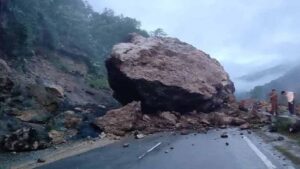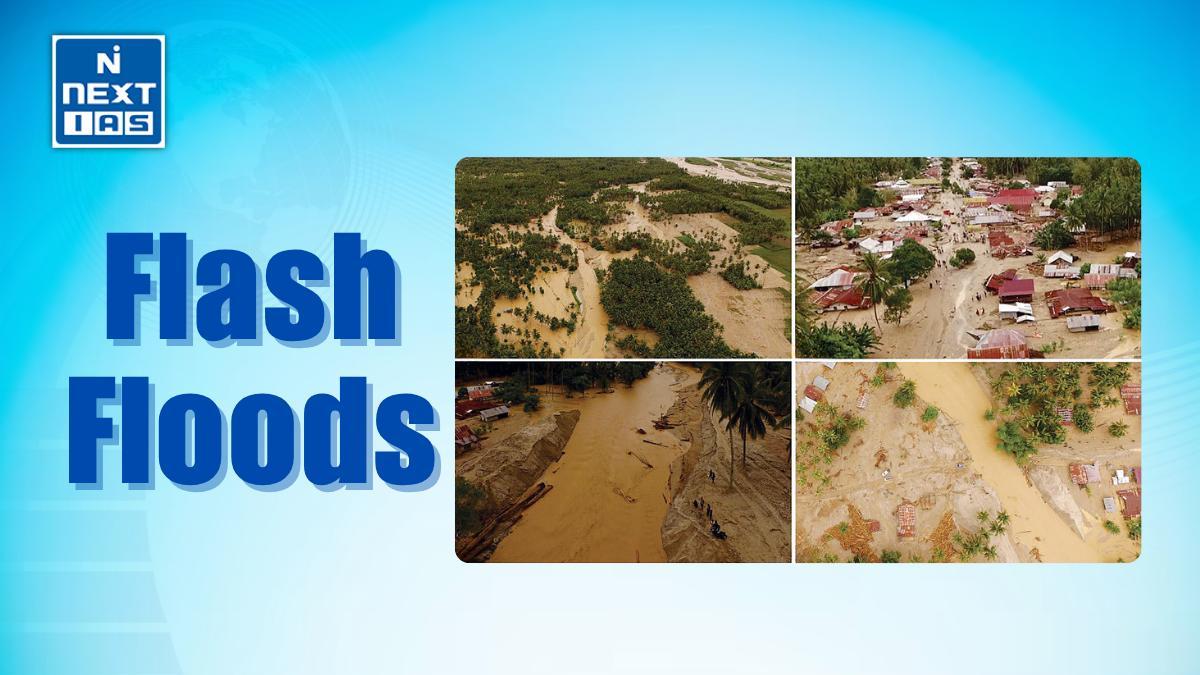
Yazali flash floods have recently devastated the Lower Subansiri district of Arunachal Pradesh, highlighting the growing threat of climate change impact in the region. Within a mere 24-hour period, Yazali experienced torrential rainfall reminiscent of a cloudburst, leading to catastrophic flooding and landslides. The intensity of the storm, particularly between 6 am and 9 am on June 24, unleashed a deluge that put nearby Assam at risk of similar flooding as river levels dangerously rose. This natural disaster underscores the vulnerability of Arunachal Pradesh, known for its steep topography and fragile ecosystems, to increased extreme weather events. As such incidents become more frequent, understanding the patterns behind the Yazali rainfall disaster will be crucial to mitigating future emergencies in the area.
The recent calamity in Yazali illustrates the urgent need to address the issues surrounding flash floods and landslide risks in northeastern India. This region has witnessed significant disruptions due to unprecedented weather conditions, which have escalated following climate fluctuations. The rainfall disaster experienced in Yazali serves as a stark reminder of the potential hazards posed not only to local communities but also to the interconnected ecosystems of Arunachal Pradesh and its neighboring states. Furthermore, this situation necessitates a thorough examination of emergency responses to prevent further tragedies during such climatic extremes. As disasters like those in Lower Subansiri unfold, it is essential to recognize the broader implications for sustainable living in vulnerable areas.
The Yazali Flash Floods: A Harrowing Reality
On June 24, 2023, Yazali in Arunachal Pradesh’s Lower Subansiri district faced a devastating flash flood that left the community in a state of shock and despair. The heavy rainfall, reminiscent of a cloudburst, resulted in unprecedented water levels in local rivers, causing rapid overflow and widespread damage. This event has been characterized as one of the most catastrophic in recent history, as it highlights the heightened risk posed by climate change in a region already susceptible to extreme weather for years.
Local authorities rushed to manage the situation, yet the sheer volume of rainfall—most of which fell in a mere three-hour span—made effective response incredibly challenging. In the aftermath, the community grappled with not only the immediate threats of flooding but also the potential for ongoing landslides. As rivers in the vicinity swell, the risks for surrounding areas and neighboring states, like Assam, also increase, prompting urgent protective measures and widespread warnings.
Impact of Climate Change on Arunachal Pradesh’s Ecosystems
The Yazali rainfall disaster is a stark reminder of how climate change is reshaping weather patterns in Arunachal Pradesh, leading to more intense and unpredictable rainfall events. This transformation touches every aspect of regional life, from agriculture to wildlife conservation, as ecosystems struggle to adapt. The vulnerabilities of the region’s ecology are deeply intertwined with the increasing frequency and severity of events like flooding and landslides. As scientists study these phenomena, the correlation between warmer temperatures and increased precipitation becomes clearer, emphasizing the urgency for adaptive strategies.
As summer storms become more aggressive and prolonged, communities in Arunachal Pradesh face heightened threats to their livelihoods and safety. The relationship between severe weather—like the Yazali flash floods—and ecological balance cannot be overstated, as rising river levels and soil instability contribute to a cascade of environmental challenges. Moving forward, it is essential for policy-makers and local leaders to recognize these links and implement comprehensive disaster preparedness plans, focusing on sustainable practices that can mitigate future risks.
The Lower Subansiri Emergency Response Team
In response to the Yazali flash floods, the Lower Subansiri Emergency Response Team was mobilized to assess the immediate needs of the affected communities. This dedicated team provided crucial support by delivering food, medical assistance, and temporary shelter to residents displaced by the calamity. Their swift action underscores the importance of having well-organized emergency response frameworks in place, particularly in disaster-prone regions like Arunachal Pradesh.
However, while the immediate response provides essential relief, long-term recovery requires a robust infrastructure plan capable of withstanding such catastrophes in the future. This includes improving drainage systems, reinforcing riverbanks, and investing in community education on flood preparedness. As the Lower Subansiri district continues to face the threat of landslides and flooding, building resilience against these natural events is paramount, and the role of emergency response teams will be pivotal in guiding these efforts.
Landslides in Arunachal: A Growing Concern
In the wake of the Yazali rainfall disaster, the threat of landslides looms as an ever-present concern for residents and authorities alike. The steep topography of Arunachal Pradesh makes the region particularly susceptible to landslides, especially during periods of heavy rainfall. The combination of saturated soils and unstable slopes can lead to devastating consequences, not only disrupting local infrastructure but also endangering lives.
As climate change continues to influence rainfall patterns in the region, the probability of landslides occurring in conjunction with floods becomes alarmingly higher. Communities in Arunachal Pradesh are urged to remain vigilant and proactive in their approaches to disaster management. This includes engaging in practices to identify risky areas and investing in land management solutions that prioritize stability. The government and local organizations must work collaboratively to develop strategic responses to mitigate the impact of landslides, ensuring the safety of residents across the district.
Community Resilience after the Yazali Floods
Following the devastating Yazali flash floods, rebuilding efforts in the community have intertwined resilience with recovery. Local leaders are advocating for a collective effort to restore damaged infrastructure while reinforcing community bonds. Residents are coming together, not just to clean up their surroundings but also to engage in discussions about better preparedness for future weather events.
The experience of the Yazali rainfall disaster has underscored the importance of community resilience, inspiring innovative solutions to address both immediate and long-term needs. Workshops and training sessions focused on disaster risk reduction are being organized, promoting awareness about climate change impacts and encouraging sustainable practices. By empowering residents with knowledge and resources, Yazali is laying the groundwork for a more resilient future, ensuring that lessons learned from the floods will carve pathways towards improved safety and stability.
Government Response to Climate-Triggered Disasters
The government’s response to the Yazali flash floods reflects an urgent need for robust policies addressing the intertwined challenges of climate change and disaster management. As climate-related disasters become increasingly frequent, establishing a well-coordinated response strategy becomes critical for safeguarding vulnerable communities. In Arunachal Pradesh, this means enhancing early warning systems and ensuring that resources are readily available when disaster strikes.
Additionally, comprehensive studies assessing climate impacts in local contexts are necessary to inform policy decisions. By investing in infrastructure that addresses the climate crisis—such as building flood-resistant structures and enhancing drainage systems—the government can significantly reduce the risks posed by severe weather events. Engaging local communities in these initiatives will further strengthen the resilience of areas like Lower Subansiri, paving the way for a future that balances economic growth with environmental sustainability.
The Role of Local NGOs in Disaster Management
Local NGOs play a crucial role in disaster management, particularly in communities affected by the Yazali rainfall disaster. These organizations often serve as the first responders during emergencies, providing essential services such as food distribution, medical aid, and emotional support for those impacted. Their intimate knowledge of community dynamics allows them to mobilize resources and volunteers quickly, making them invaluable during crises.
Moreover, NGOs contribute to long-term recovery by implementing initiatives aimed at building resilience against future disasters. They provide training in sustainable agricultural practices, facilitate workshops on disaster preparedness, and advocate for policy changes that protect vulnerable populations. Through their efforts, local NGOs help foster a culture of resilience within affected communities, empowering residents to withstand the impacts of climate change and reducing their vulnerability to events like the flash floods experienced in Yazali.
Mitigating Flood Risks Through Sustainable Practices
To address the growing threat of flooding in areas like Yazali, implementing sustainable practices is paramount. This includes restoring mangroves and developing green infrastructure to absorb rainfall and prevent runoff, ultimately reducing flood risks. As climate change exacerbates these challenges, it is essential for communities and governments to collaborate on strategies that integrate environmental sustainability with disaster preparedness.
Furthermore, educating residents about sustainable land use practices is critical. By promoting agroforestry and responsible construction techniques, the impact of heavy rainfall can be mitigated, reducing the likelihood of flooding and landslides. Investments in these sustainable solutions will not only protect communities from the immediate impacts of climate disasters but will also contribute to the overall health of ecosystems throughout Arunachal Pradesh.
Preparedness Plans for Future Flooding Events
Following the Yazali flash floods, it has become clear that effective preparedness plans are essential for the safety of residents in areas prone to extreme weather events. Ensuring that communities have clear emergency procedures and accessible resources can significantly reduce panic and chaos during disasters. These plans must be regularly updated to reflect emerging climate data and incorporate input from local leaders and residents.
Training sessions focused on emergency response and evacuation procedures can equip community members with the skills needed to act swiftly during flooding events. Additionally, collaborations with meteorologists and climate experts can foster a better understanding of changing weather patterns and contribute to more accurate forecasting. By prioritizing preparedness, communities can enhance their resilience and safety in the face of future climate-related challenges.
Frequently Asked Questions
What caused the Yazali flash floods in Arunachal Pradesh?
The Yazali flash floods were primarily caused by heavy, cloudburst-like rainfall that occurred in a short time frame. On June 24, Yazali recorded substantial rainfall, particularly between 6 am and 9 am, leading to catastrophic flooding and landslides in the region.
How does climate change impact flash floods in Yazali, Arunachal Pradesh?
Climate change significantly impacts flash floods in Yazali by increasing the frequency and intensity of extreme weather events, such as heavy rainfall. These environmental changes exacerbate the vulnerability of the Lower Subansiri district, which is already prone to flooding and landslides.
What are the current emergency measures in place for the Yazali rainfall disaster?
In response to the Yazali rainfall disaster, local authorities have implemented emergency measures, including evacuation plans for affected residents, monitoring of river levels, and providing aid to those impacted by the flooding in Lower Subansiri.
Are the Yazali flash floods linked to potential flooding in Assam?
Yes, the Yazali flash floods in Arunachal Pradesh are linked to potential flooding in Assam. The excessive rainfall has caused river levels to rise, increasing the risk of overflow and flooding in nearby Assam due to interconnected river systems.
What types of landslides were triggered by the Yazali floods?
The Yazali floods triggered various types of landslides, primarily debris flows and landslides in steep terrain. The combination of heavy rainfall and unstable geological conditions contributed to the sudden and dangerous slides in the area.
How do residents of Yazali prepare for future flash floods?
Residents of Yazali are encouraged to prepare for future flash floods by staying informed about weather forecasts, securing their properties, creating emergency plans, and participating in community awareness programs focusing on disaster preparedness in the precarious environment of Arunachal Pradesh.
What role does the fragile ecology of Yazali play in the flooding situation?
The fragile ecology of Yazali, characterized by steep terrain and dense river networks, plays a critical role in the flooding situation. The area’s environmental instability enhances susceptibility to flash floods, contributing to rapid water runoff during heavy rains and increasing the risk of landslides.
What historical data exists regarding flash floods in Yazali, Arunachal Pradesh?
Historical data suggests that Yazali has experienced several flash floods in the past, often triggered by heavy rainfall events. Climate change is believed to be intensifying these occurrences, making such extreme weather events more common in Arunachal Pradesh.
What are the long-term implications of Yazali flash floods for local communities?
The long-term implications of Yazali flash floods for local communities include increased displacement, damage to infrastructure, loss of livelihoods, and heightened vulnerability to future climate-related disasters, emphasizing the need for sustainable development and effective disaster management strategies.
How can the community address the risks associated with Yazali flash floods and climate change?
The Yazali community can address flash flood risks and climate change by engaging in sustainable land use practices, improving drainage systems, participating in community resilience planning, and advocating for policies that mitigate the impacts of climate change on their environment.
| Key Points |
|---|
| Yazali experienced catastrophic flash floods and landslides. |
| Flooding was triggered by heavy, cloudburst-like rainfall. |
| Significant rainfall occurred predominantly from 6 am to 9 am on June 24. |
| Residents warned of possible flood effects extending to Assam. |
| The region is vulnerable due to steep terrain and fragile ecology. |
| Increasing flash floods linked to climate change are a concern. |
Summary
The Yazali flash floods highlight the region’s increasing vulnerability to extreme weather events, exacerbated by climate change. This incident illustrates the critical need for better weather preparedness and infrastructure improvement to combat the risks associated with flooding and landslides in areas like Arunachal Pradesh.